Via ferrata in Slovenia: routes, guided tours, and what to expect
Bled: Hvadnik Gorge via ferrata tour with wire bridges
Is there via ferrata near Lake Bled and Kranjska Gora?
Yes. The Hvadnik Gorge via ferrata near Gozd Martuljek (between Kranjska Gora and Bled) is the most accessible guided route — wire bridges, gorge sections, and moderate climbing for beginners. Guided half-day trips run EUR 70–100. Higher-grade routes exist on Prisank and other Julian Alps peaks.
Via ferrata in the Julian Alps
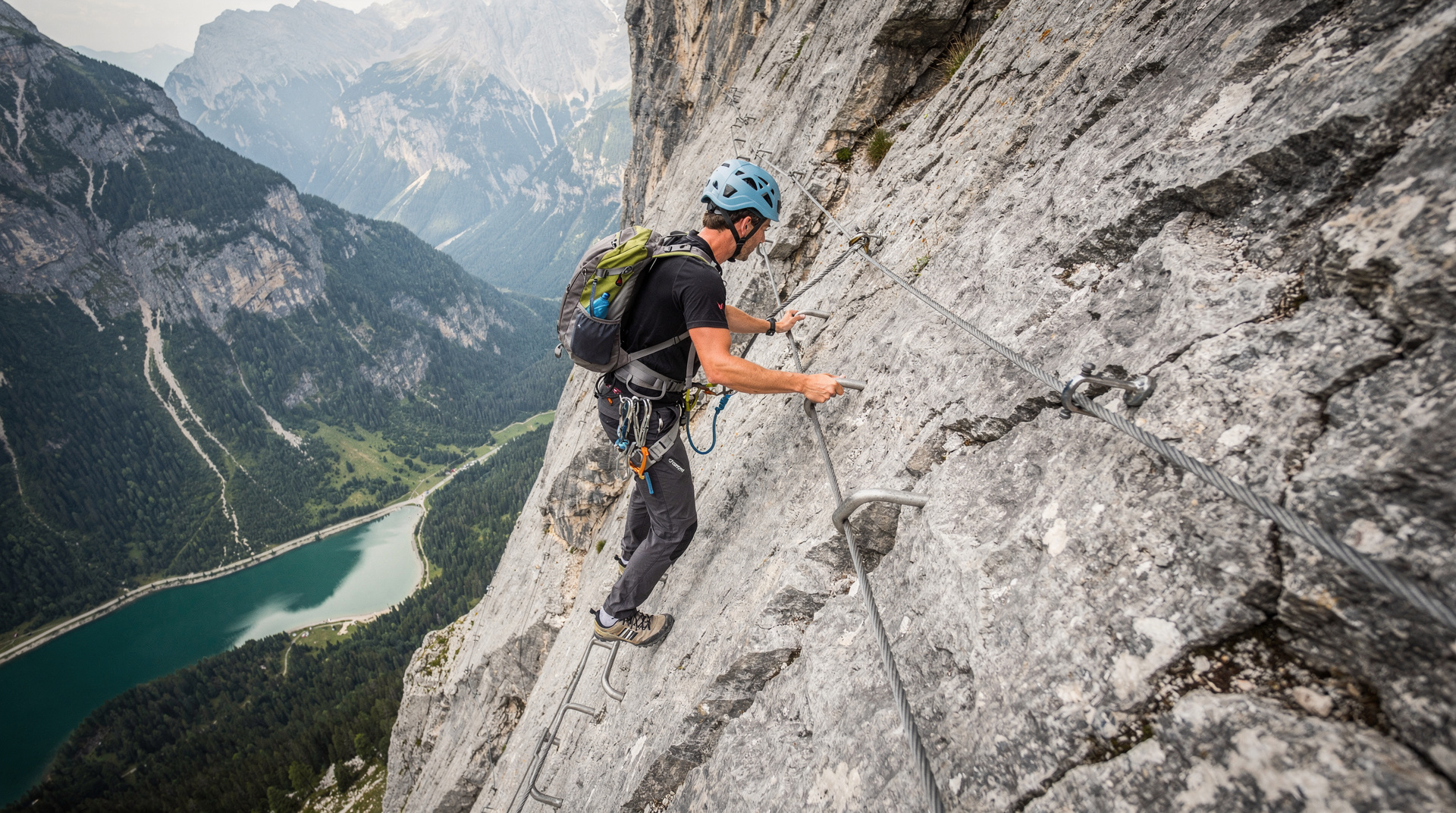
Via ferrata — literally “iron road” — routes are mountain climbs where fixed steel rungs, ladders, and wire cables allow non-technical climbers to access terrain that would otherwise require full mountaineering equipment and experience. Slovenia’s position on the eastern edge of the Julian Alps gives it a network of these routes that runs from beginner-friendly gorge routes accessible to most healthy adults to demanding multi-pitch ascents requiring genuine commitment at height.
| Where | Hvadnik Gorge (Gozd Martuljek), Prisank, Triglav approaches |
| Difficulty | B–C beginner-friendly at Hvadnik; D–E on Prisank/Triglav |
| Duration | 4–5 hours (Hvadnik half-day); full day+ on higher routes |
| Cost | around EUR 70–100 per person guided, equipment included |
| Season | Late June–September (Hvadnik late May–October) |
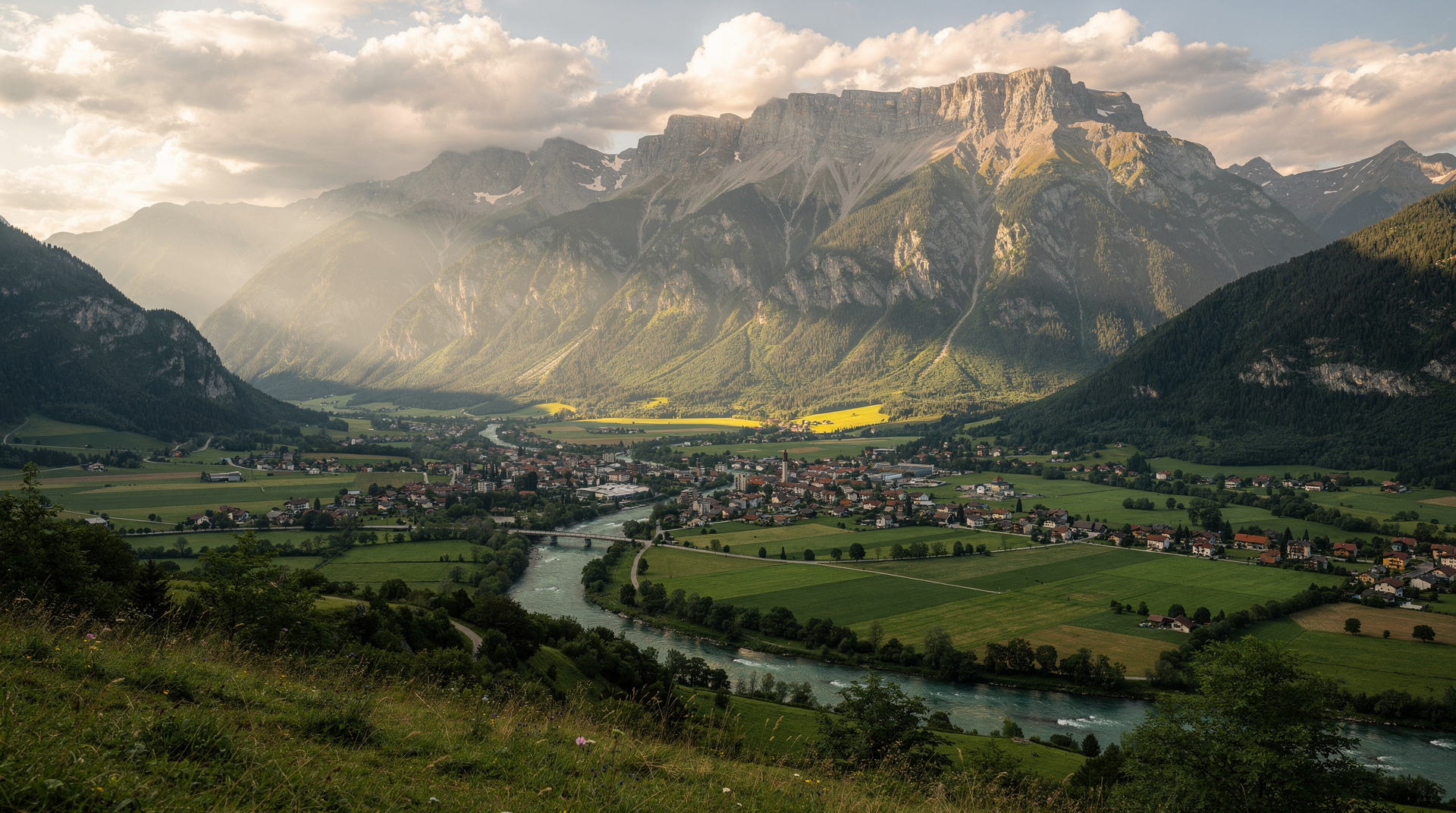
The routes are concentrated in Triglav National Park and the surrounding peaks, with several of the most accessible options within 20–30km of Kranjska Gora and Lake Bled. This makes via ferrata a natural addition to a Julian Alps itinerary rather than a separate trip.
The honest note upfront: via ferrata in the Julian Alps is real mountain terrain. The exposure — the sensation of height and the vertical distance between you and the ground — can be significant, and the routes above beginner grade require actual comfort at height rather than theoretical tolerance. If you have never tested yourself on exposed terrain, a guided beginner route is the right starting point regardless of general fitness.
The Hvadnik Gorge via ferrata
The most bookable, most recommended beginner-to-intermediate route in the area is the Hvadnik Gorge system near Gozd Martuljek, located between Kranjska Gora and Lake Bled in the Karavanke/Julian Alps transition zone.
The route combines several elements that make it ideal for first-timers:
Wire bridge sections: Suspended crossing cables over the gorge — less physically demanding than climbing sections but vertigo-inducing for those with height anxiety. The bridges are stable; the movement is gentle, but the visual drop below is clear.
Gorge sections: Sections where the route runs close to or through the Hvadnik stream. The canyon itself is narrow limestone, cool even in summer, with good photographic interest.
Climbing sections: Fixed rungs and cable-assisted ascents at C/D difficulty (French grading) — moderate by European via ferrata standards, manageable for adults with general fitness who are comfortable with height.
Duration: Approximately 4–5 hours total including approach, route, and descent. Half-day format.
Guided tours: The route is runnable independently with proper equipment, but for first-timers the guided format is strongly recommended. Guides manage equipment rental, route navigation, group pace, and safety — all of which are not trivial on a gorge route with exposure.
Guided Hvadnik Gorge via ferrata — wire bridges and canyon climbingPrice: EUR 70–100 per person for guided half-day trips including equipment (harness, helmet, via ferrata set/lanyard).
Other via ferrata routes in the Julian Alps
Prisank (2,547m) — advanced
The Prisank via ferrata ascends from the Vrsic Pass area and reaches the Prisank summit through a combination of fixed cable sections, open ridge, and technical sequences. This is a D/E grade route (difficult to extreme) that requires previous via ferrata experience, comfort with sustained exposure, and good mountain fitness.
The Vrsic Pass road (accessible May–October only) provides the starting point. The route takes 5–7 hours round trip. Not suitable for beginners.
Triglav approaches
Triglav (2,864m), Slovenia’s highest peak, is accessible via several routes that include via ferrata sections. The Tominšek Route and the sections above Planika Hut use fixed cables and rungs on the final summit push. Full Triglav ascents are best treated as serious mountain expeditions requiring 2 days, mountain hut accommodation, and proper preparation — not half-day activity excursions.
Beginner options in the Soča Valley
The Bovec area has several shorter, beginner-oriented via ferrata sections that see less traffic than the Hvadnik route. These are typically organized on request by local adventure operators rather than as standard daily products. Ask operators in Bovec directly.
Equipment needed
For guided trips, all equipment is provided by the operator: climbing harness, helmet, and via ferrata set (a twin-lanyard energy-absorber device that clips to the fixed cables). Grip gloves are sometimes provided; if not, thin leather or synthetic grip gloves are useful.
What to bring:
- Mountain boots with ankle support (trainers are insufficient for rocky trail approaches)
- Warm layer (gorge sections and altitude mean temperatures 5–8°C cooler than at valley level)
- Waterproof layer (packable — gorge routes can be wet from spray)
- Water and basic trail snacks
- Headtorch (optional but recommended — gorge sections can be dim)
For independent via ferrata (non-guided), a via ferrata set is not optional safety equipment — it is the primary fall-arrest system. Never attempt a via ferrata route without a harness and proper lanyard.
Safety and conditions
Via ferrata has a good safety record when routes are used correctly with proper equipment. The main risks:
Lightning: Metal cables become extremely dangerous in thunderstorms. Check forecasts before departing; turn back immediately if you hear distant thunder while on route. This is not optional.
Rock falls: In the Julian Alps, loose rock from above is a real risk. A helmet is mandatory, not advisory. Do not linger directly below other climbers.
Wet conditions: Many via ferrata sections are significantly more difficult when wet. Slick fixed rungs on limestone are a different proposition from dry rungs. Guides will assess conditions and sometimes modify or cancel routes after rain.
Fitness: Via ferrata is physically demanding in ways that are different from gym exercise. The upper body demand (grip strength, shoulder stability) is consistent, and altitude fatigue affects people who are otherwise fit at sea level. The Hvadnik route is manageable for most adults; the higher-grade Julian Alps routes require genuine mountain fitness.
Best season for via ferrata
Late June to September is optimal. Snow clears from the higher routes by late June in most years; the Hvadnik gorge route is snow-free from late May. Routes at Triglav elevation may retain ice on the fixed cables until late June.
July and August are peak season — warm, dry, the routes are in best condition. Book guided trips 2–3 days ahead.
September is excellent: stable weather, fewer people on the routes, lower temperatures (more comfortable for climbing), and the Julian Alps autumn colour is beginning. The Hvadnik gorge is operational through October in mild years.
Do not attempt via ferrata in November–May on the higher routes. Snow and ice on fixed cables and rungs at altitude is a serious hazard.
Getting to via ferrata routes from Bled and Kranjska Gora
Hvadnik Gorge: The trailhead is near Gozd Martuljek village, approximately 15km from Kranjska Gora and 25km from Lake Bled. Car parking at the trailhead. Guided trip operators typically arrange meeting at the trailhead or in Gozd Martuljek.
Prisank (Vrsic): The Vrsic Pass road is the access point. Driving from Kranjska Gora: approximately 20km to the pass. Seasonal (May–October).
Triglav approaches (from Bohinj or Bled): The Aljažev dom hut (1,015m) in the Vrata valley near Mojstrana is the standard starting point for the northern approaches. Car park at the hut.
Kranjska Gora makes a practical base for via ferrata day trips in the western Julian Alps. Lake Bled is similarly positioned for the Hvadnik route and Triglav approaches.
For the full mountain activity picture in this area, see the adventure sports in Slovenia guide and the mountain biking guide which covers trail networks that complement the via ferrata routes.
The Hvadnik route in detail
The Hvadnik Gorge via ferrata combines three distinct environment types in a single half-day circuit, which is part of why it works so well as an introductory experience.
The approach trail: A forest path from the Gozd Martuljek trailhead to the gorge entry. 20–30 minutes, easy gradient, good for calibrating the group’s fitness and pace before the technical sections begin.
The gorge base: At the gorge entry, the character changes immediately. The Hvadnik stream has carved a narrow limestone slot 15–25m deep. The air temperature drops 4–6°C, the sound changes, and the light at the gorge floor is dimmer. The first technical sections — hand rungs and short ladder sections — begin within 5 minutes of the gorge entry.
Wire bridges: The route crosses the gorge at multiple points via suspended cable bridges. These are the section most likely to test height-sensitive participants. The bridges are completely stable — the cables are tensioned steel, not rope — but the visual drop below and the slight swing from movement are the triggers for vertigo. Guide technique for participants struggling here: look at the cable ahead, not at the drop below, and keep moving.
The climbing sections: Fixed steel rungs climb the gorge walls at several points, gaining 15–30m elevation. These sections are the most physically demanding — upper body and grip strength. The exposure increases significantly at the tops of these sections, where you can see the full depth of the gorge below.
The canyon rim: The route eventually exits the gorge to the canyon rim, where the view opens from canyon-floor intimacy to valley panorama. Triglav National Park peaks are visible to the south. This is where most participants take their longest pause.
The descent: The return to the trailhead uses a forest path that descends the opposite side of the gorge from the entry. 30–40 minutes on good trail.
Via ferrata grading explained
The French grading system used across Alpine via ferrata gives a rough difficulty indication:
| Grade | Description | Hvadnik equivalent |
|---|---|---|
| A | Easy. Walking sections with occasional cable. | Entry sections |
| B | Moderate. Sustained cable use, some exposure. | Most of the route |
| C | Difficult. Technical sequences, significant exposure. | Upper climbing sections |
| D | Very difficult. Sustained technical, major exposure. | Not in Hvadnik; found on Prisank |
| E | Extreme. Requires technical climbing background. | Not commercially offered |
The Hvadnik route grades overall at B–C, which is the ideal range for confident beginners with a guide.
Mountain huts and multi-day via ferrata
For visitors who want to extend beyond a single-day guided route, the Julian Alps hut network allows multi-day combinations of via ferrata and mountain hiking.
The Hut System: Mountain huts (planinska koča) at 1,500–2,500m provide overnight accommodation and meals. Bookings are made in advance through the Alpine Association of Slovenia (PZS). Prices are approximately EUR 25–40 for a dormitory bed and dinner.
A 2-day route: Day 1 — Vrsic Pass to Trenta valley via mountain path, overnight at Dom Trenta hut. Day 2 — return via a different route with via ferrata sections where the trail uses fixed cables. This type of itinerary requires proper mountain kit (boots, waterproof layers, headtorch) and reasonable fitness, but is achievable without technical climbing experience.
Via ferrata kit: what matters most
If you are renting from a guide (recommended for first visits), the equipment is provided. If you are assembling your own kit for independent via ferrata:
Via ferrata set: The twin-lanyard energy-absorber is the essential piece. This clips to the fixed cable with two lanyards — one always connected while you move the other — and contains an energy absorber that deploys on a fall. Never replace this with a standard climbing quickdraw or sling.
Harness: A sit harness (climbing or canyoning style) is adequate. A chest harness or full-body harness adds security for beginners with limited experience.
Helmet: Climbing helmet, not a cycling helmet. The construction is different — climbing helmets protect against falling rock from above, not just impact with the ground.
Gloves: Thin leather or synthetic grip gloves protect against the fixed cables (raw steel edges in older installations can be sharp) and improve grip confidence. Not essential but recommended.
Kranjska Gora as a via ferrata base
Kranjska Gora positions well as a base for the western Julian Alps via ferrata network. The town has accommodation ranging from hostels to mid-range hotels, good food options, and a tourist infrastructure calibrated for outdoor visitors. The drive to Gozd Martuljek (Hvadnik) is 15 minutes; the Vrsic Pass road (seasonal) is a 20-minute drive.
For a 2-day via ferrata visit using Kranjska Gora as base: Day 1 Hvadnik Gorge (guided), Day 2 a self-guided or guided route on one of the lower-altitude routes accessible from the pass area. The town’s outdoor equipment shops stock basic via ferrata supplies if you need to supplement rental kit.
What makes the Julian Alps different for via ferrata
The Julian Alps are limestone mountains — the same geological formation that creates the Soča River’s canyon character also shapes the via ferrata environment. Limestone weathers differently from granite or volcanic rock: it develops sharp solution-carved features, forms overhangs and pockets that provide natural hand and foot placement, and erodes into textured surfaces that offer better grip in dry conditions.
The downside: wet limestone is significantly more slippery than wet granite. Rain on the Julian Alps via ferrata routes changes the character considerably. This is part of why the season recommendation (June–September) emphasizes dry-weather windows.
The fixed infrastructure on Slovenian via ferrata routes is generally well-maintained because the routes see consistent use by both domestic hikers and international climbing tourists. The Hvadnik Gorge in particular has been maintained by the Alpine Club (Planinsko Društvo) who holds the local trail responsibility.
Rock texture: The Hvadnik gorge section features the deeply solution-carved karrenfeld limestone texture that characterizes the Julian Alps surface. The holds are positive (the rock texture provides grip even without the rungs) but irregular. Guides brief participants on hand placement at the key sections.
Via ferrata in the context of Slovenian mountain culture
Slovenia has an unusually strong alpine culture for a small country. The Slovenian Alpine Club (PZS — Planinska Zveza Slovenije), founded in 1893, has approximately 60,000 members — roughly 3% of the national population. For context: the UK’s entire Mountain Training organization certifies significantly fewer active mountain leaders per capita.
This alpine culture permeates the mountains in practical ways: the hut network is comprehensive and well-managed, trail marking is excellent, rescue services (GRZS) are professionalised, and the general public has a high baseline of mountain competence. For visiting via ferrata tourists, this means:
- The routes are marked accurately
- The fixed infrastructure is in good condition
- Rescue response is fast (though rescue is still a bad outcome; prevention is the priority)
- The local mountain community is welcoming but expects participants to take appropriate responsibility for their own preparation
The “guided first visit” recommendation for Hvadnik Gorge aligns with this culture: not because the route is dangerous when approached correctly, but because local guides have specific knowledge that cannot be replicated from a guidebook, and the route is worth doing well rather than just completing.
Building confidence for the higher routes
For visitors who start with the Hvadnik Gorge and want to progress to more demanding routes, the progression is:
Hvadnik (B–C): First visit, with guide. Focus on harness familiarity, cable-clip technique, and reading exposure.
Prisank lower section (C): A half-day guided route on the Prisank approach. More sustained climbing sections and more significant exposure. Appropriate after Hvadnik.
Multi-pitch Julian Alps routes (C–D): Longer routes requiring a full day, mountain hut navigation, and proficiency at connecting between cable sections at altitude. Best accessed after 2–3 shorter routes.
Triglav via ferrata approaches (D): The summit routes on Slovenia’s highest mountain are serious mountain undertakings. Two-day expeditions with overnight at Planika or Triglavski dom huts. Require good physical fitness, mountain experience, and specifically weather-competent decision-making.
This progression takes multiple visits — it is not something accomplished in a single trip unless you are arriving with existing alpine experience. But the Hvadnik Gorge experience is a genuine entry point into a progression that extends to some of the finest mountain terrain in Central Europe.
Combining via ferrata with valley activities
The Julian Alps location of the via ferrata routes means they are within driving distance of the Soča Valley water sports. A 4-day itinerary:
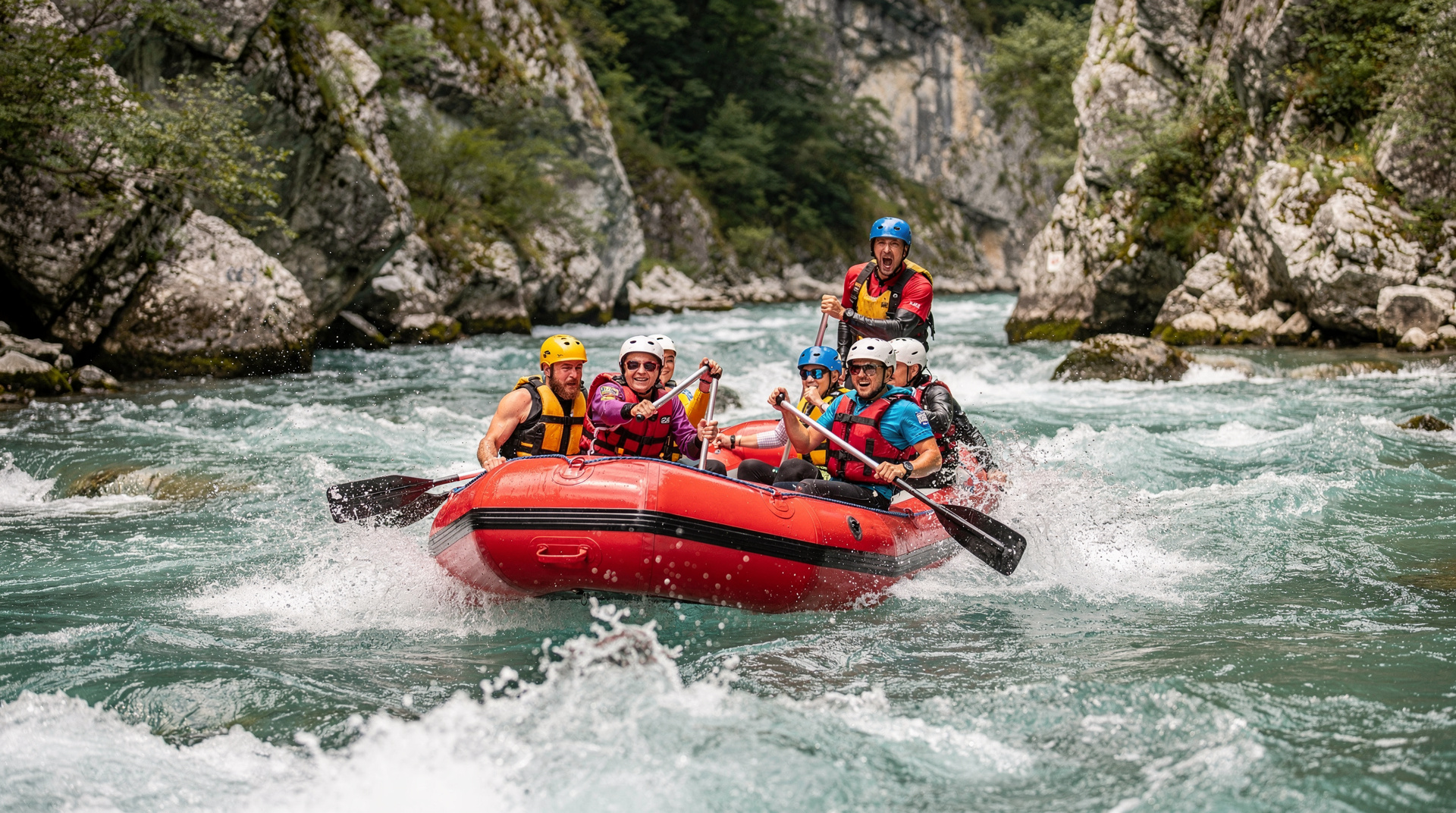
Day 1–2 (Bovec base): Rafting + canyoning on the Soča. Day 3 (drive north, 1h to Gozd Martuljek): Hvadnik Gorge via ferrata. Stay in Kranjska Gora. Day 4 (Kranjska Gora area): Planica valley walk, mountain biking, or Vrsic Pass scenic drive (May–October).
This gives the full range of Soča Valley and Julian Alps mountain experiences in a single trip without excessive driving.
Choosing between a guided and independent via ferrata day
For first-time via ferrata visitors to Slovenia, the guided Hvadnik Gorge trip is worth the cost even for experienced climbers from elsewhere, because the value is in local knowledge rather than technical hand-holding: the guide knows which sections run slick after overnight dew, which climbers in the group need a longer pause before the wire bridges, and how to read the specific weather patterns that affect this particular gorge. An experienced via ferrata climber arriving with their own kit can absolutely run Hvadnik independently, but the guided option remains the better value for a single visit given the modest price difference.
Guided Hvadnik Gorge via ferrata half-dayIndependent climbers heading for Prisank or the Triglav approaches should not skip local guiding on a first attempt at these grades — the exposure and route-finding demands are a different order of seriousness from Hvadnik, and the Julian Alps mountain rescue service, while professional and fast, is not something to rely on as a substitute for proper preparation.
Cost comparison: renting via ferrata equipment independently (harness, helmet, lanyard set) typically costs EUR 20–30 per day from outdoor shops in Kranjska Gora or Bovec, against EUR 70–100 for the fully guided Hvadnik experience. For a single visit, the guided price buys route knowledge, safety supervision and equipment fitting that is genuinely difficult to replicate on a first attempt — most first-time via ferrata visitors find the difference well spent, reserving the DIY approach for a second or third Slovenian trip once they know the terrain.
Honest notes on who should skip via ferrata entirely
Via ferrata is not for everyone, and a good operator will say so rather than take your money regardless. Anyone with a genuine fear of heights (beyond ordinary nervousness, which the Hvadnik guides manage well) is likely to have a miserable rather than exhilarating time on the wire bridge sections — no amount of guiding removes the sensation of exposure, only the objective risk. Similarly, anyone with limited upper-body strength or a shoulder injury should be candid with the operator before booking, since the climbing sections at Hvadnik do require sustained grip and arm engagement, not just leg work.
Frequently asked questions about Via ferrata in Slovenia
Do you need previous climbing experience for via ferrata in Slovenia?
No, not for the beginner-to-intermediate Hvadnik Gorge route — it is designed as an introduction and run with a guide who manages equipment and technique. Higher-grade routes on Prisank or Triglav's approaches do require prior via ferrata experience and genuine comfort with sustained exposure.How fit do you need to be for the Hvadnik Gorge via ferrata?
General fitness is enough — the route is roughly 4–5 hours including approach and descent, with the technical sections demanding grip strength and shoulder stability more than cardiovascular endurance. Most healthy adults comfortable with heights manage it without difficulty; the guide sets a pace suited to the group.
Top experiences
Bookable activities with verified prices and instant confirmation on GetYourGuide.