Ljubljana nightlife: bars, clubs and late-night culture
Ljubljana: city highlights walking tour and river cruise
What is Ljubljana nightlife like?
Ljubljana has a genuine and varied bar and club scene for a city of its size. The riverfront bars along the Ljubljanica are the early-evening meeting point; the alternative club scene is concentrated at Metelkova (midnight onwards). The city is a university town, which keeps prices reasonable and the scene lively. It is not Berlin, but for a night out in a beautiful European city at reasonable prices, it is excellent.
Ljubljana after dark: the real guide
Ljubljana is not primarily known as a nightlife destination, and that is partly why the nightlife is good. A city that does not market itself as a party city retains bars where people actually drink rather than bars that exist to extract money from tourists. The university population keeps prices honest. The pedestrian old town and the riverside create a genuinely pleasant environment for the early evening hours that precede the clubs.
| Where | Riverside (early evening), Trubarjeva, Metelkova (late) |
| Cost | EUR 2.50–5 local beer, EUR 8–12 tourist-zone cocktails |
| Time needed | A full evening, 18:00–late |
| Getting there | All zones within 15 min walk; Bolt taxi late at night |
| Best time | Friday/Saturday for Metelkova; any evening for the riverside |
Here is how the night divides, and what to do in each zone.
The zones compared
| Zone | Vibe | Price level | Best from |
|---|---|---|---|
| Riverside (Gallusovo/Cankarjevo) | Relaxed, scenic, part-touristy | Higher | 17:00 |
| Trubarjeva cesta | Local, student, unpretentious | Lower | 20:00 |
| Metelkova | Alternative, underground, mixed crowd | Lowest | Midnight |
| BTC City | Mainstream, suburban, commercial | Mid | Weekend late |
The aperitivo hour: 17:00–20:00 on the Ljubljanica
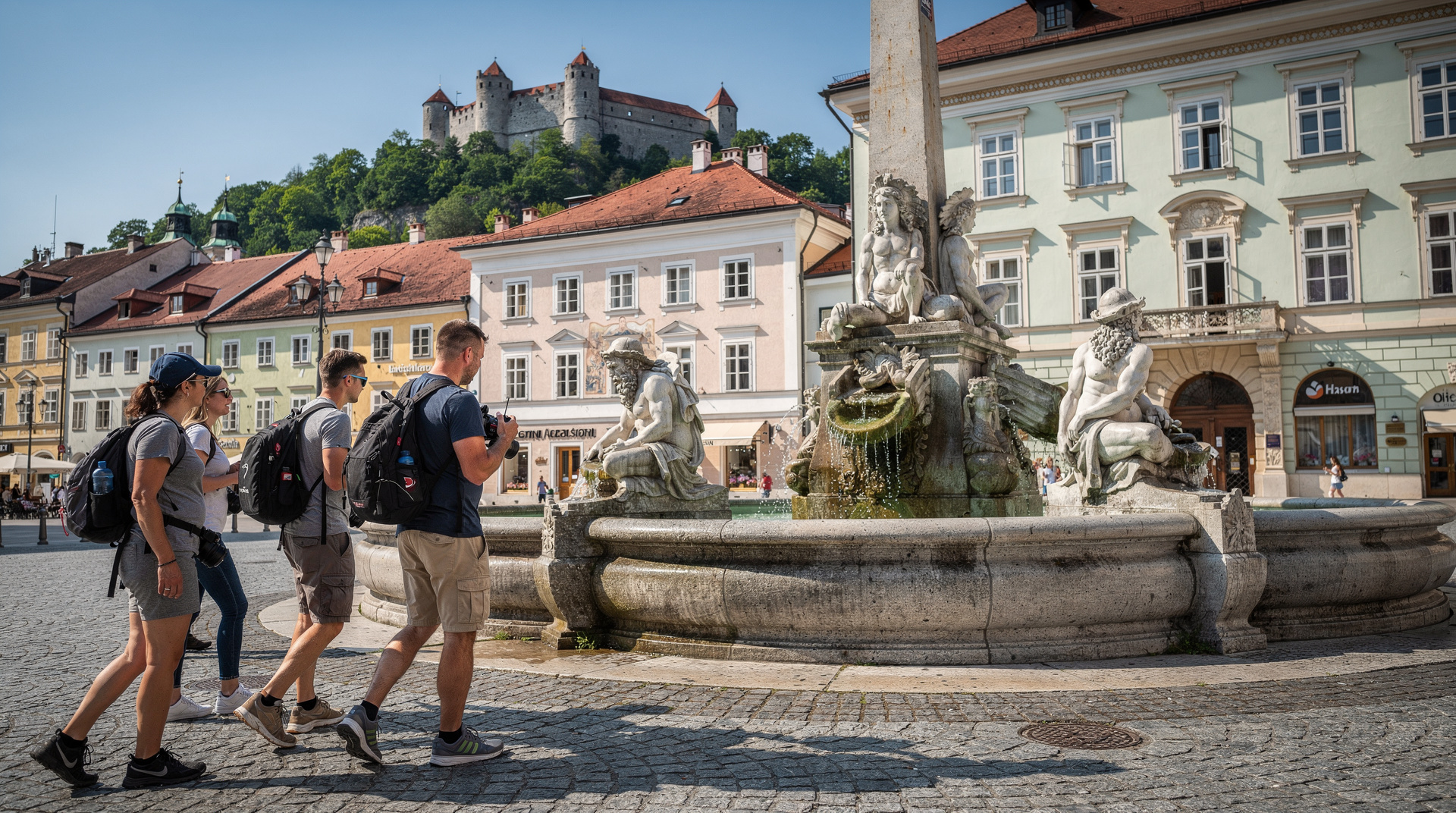
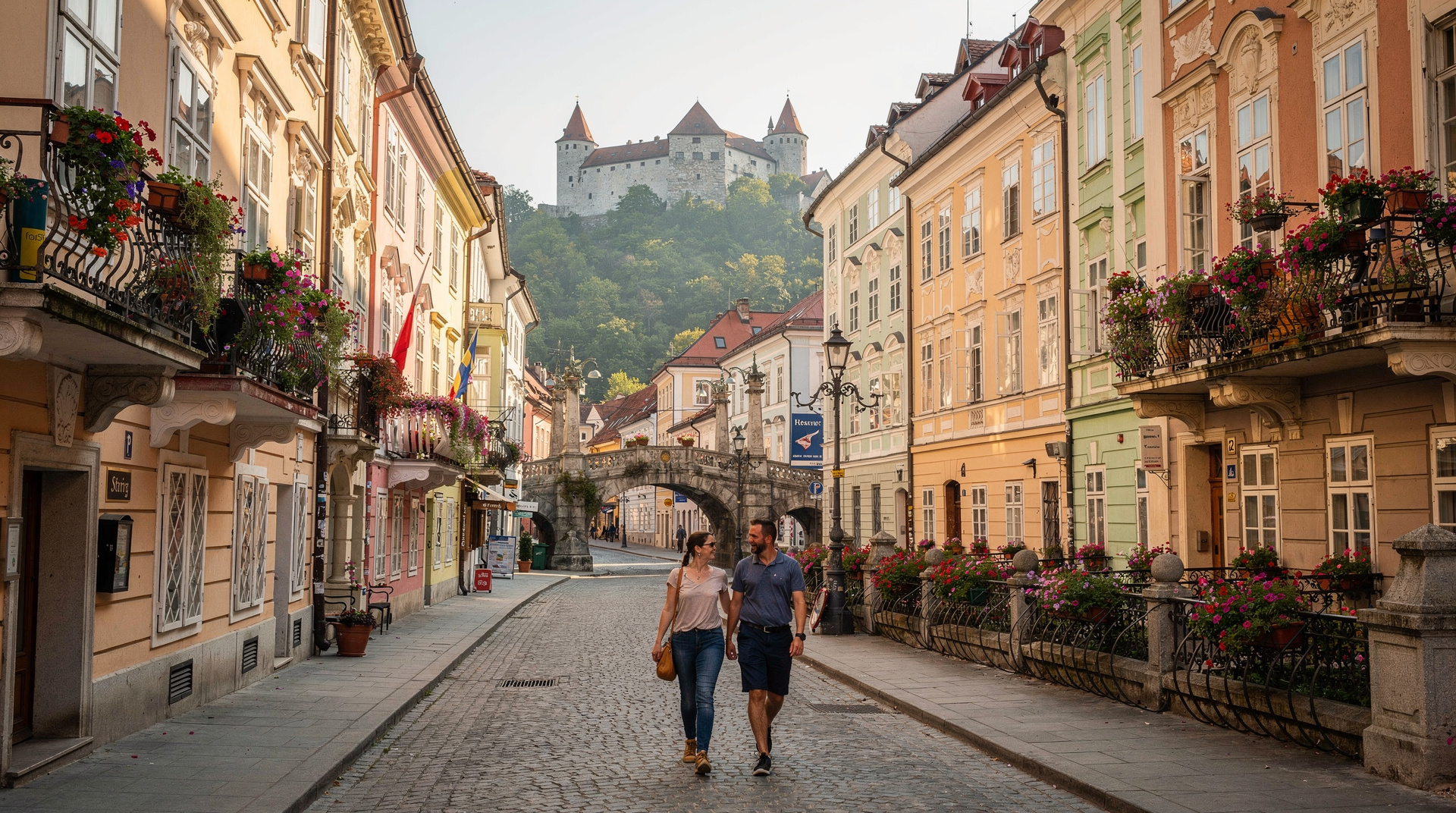
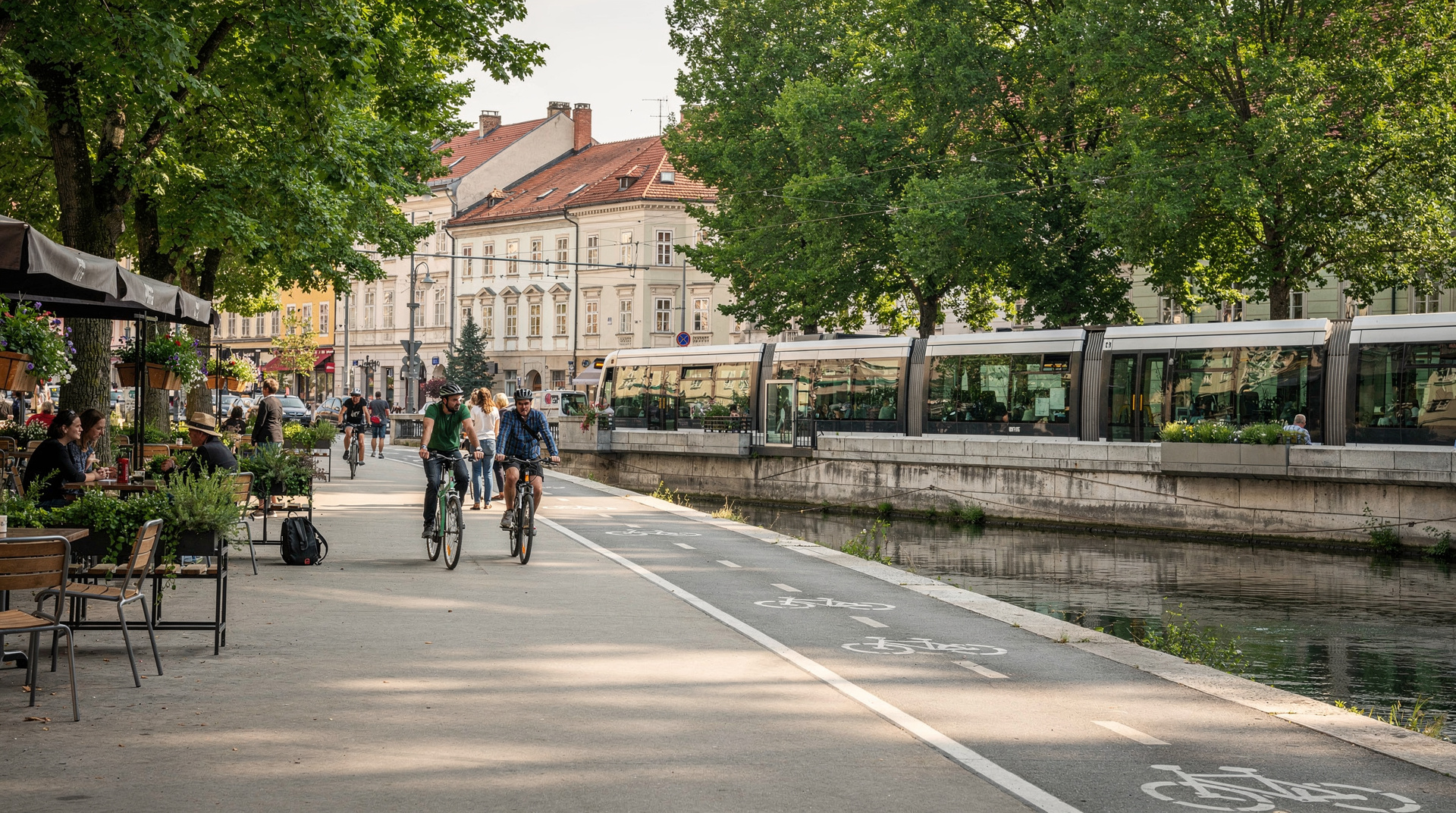
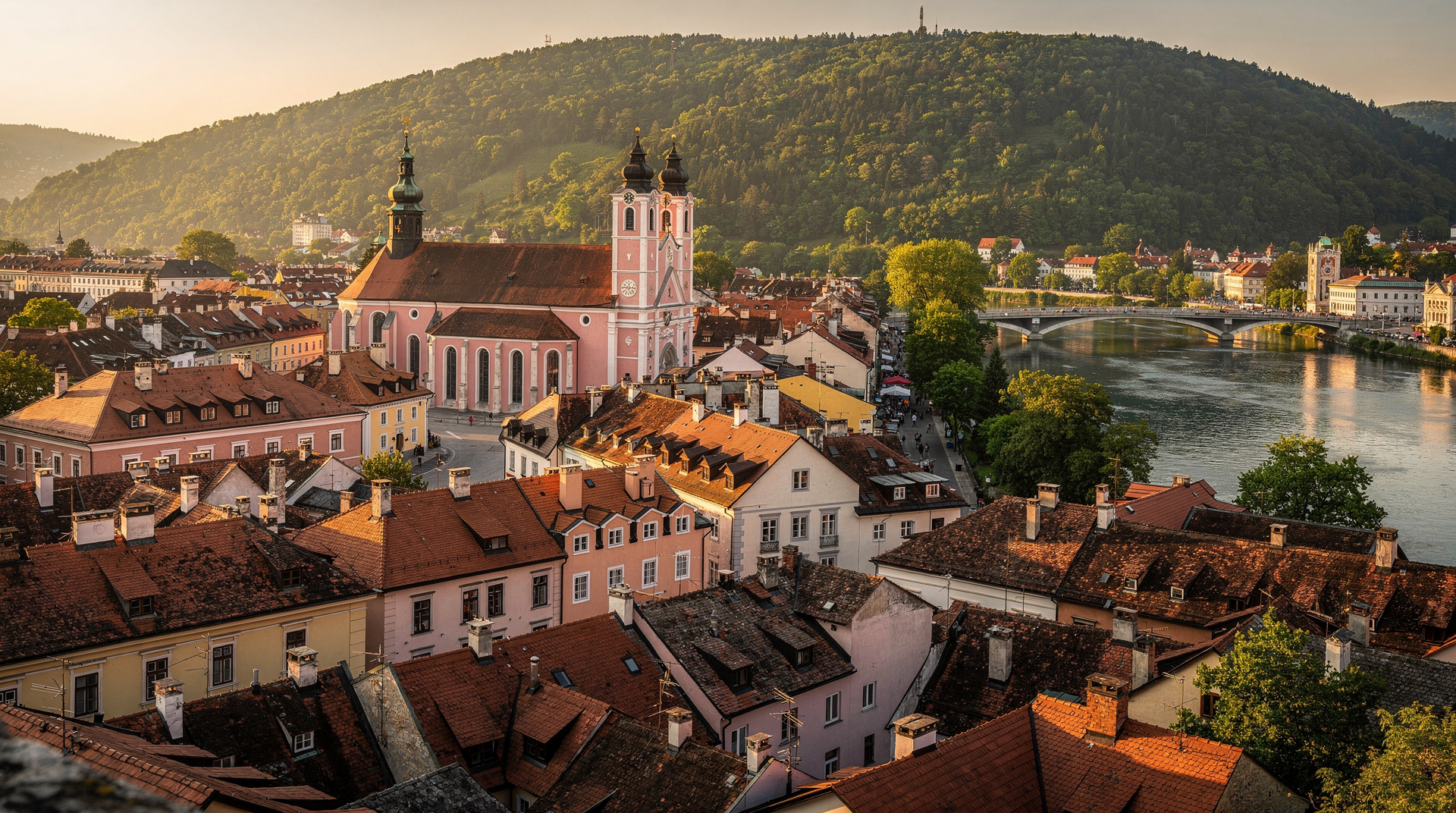
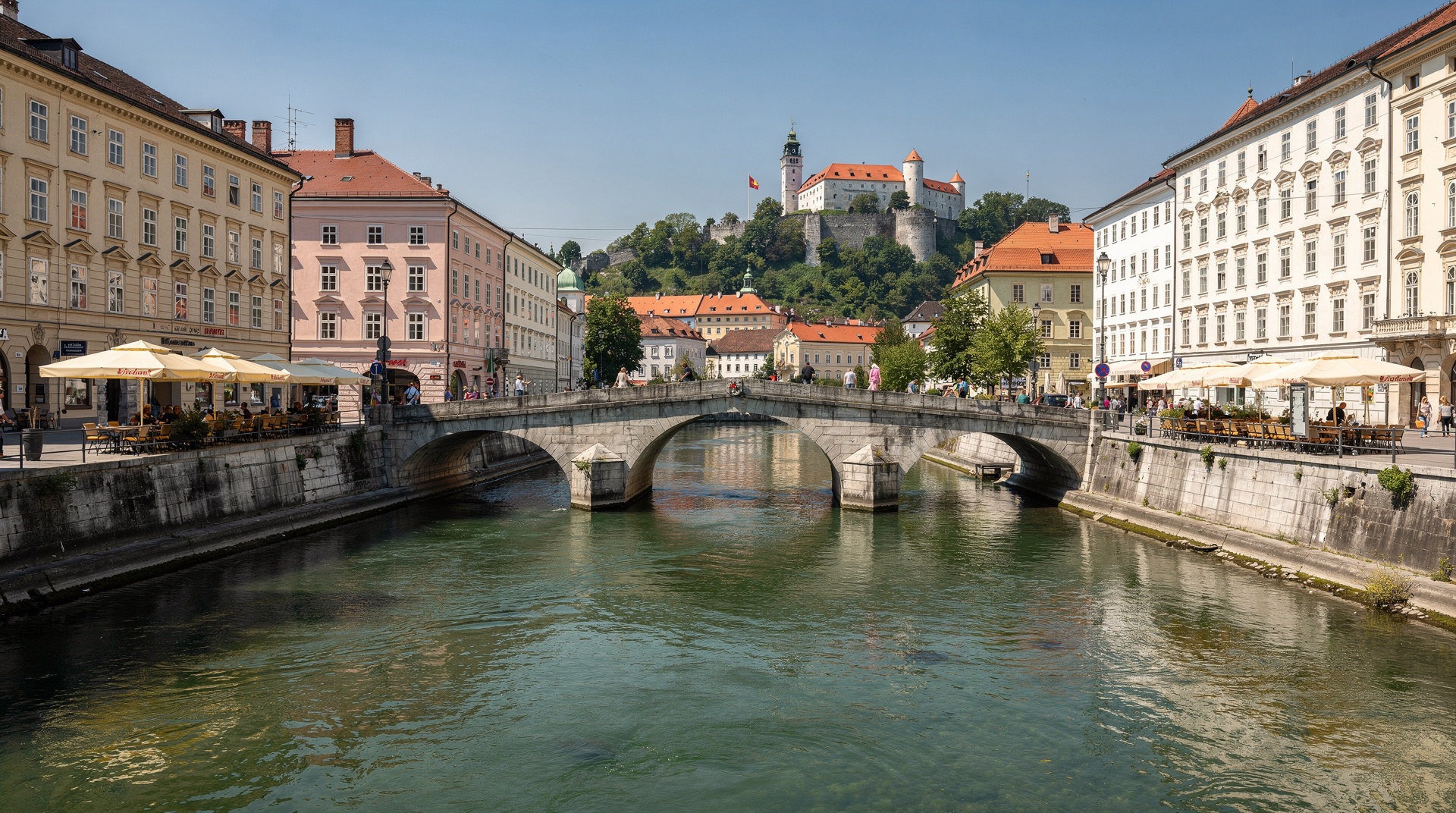
From mid-afternoon the riverside terrace bars along Gallusovo nabrežje and the opposite bank (Cankarjevo nabrežje) fill with a mixed crowd of office workers, students and tourists. This is Ljubljana’s strongest contribution to European café culture: the combination of the Plečnik-designed embankment, the castle above, the pastel facades and a glass of Rebula or Laško in hand.
The honest caveat: some bars in this zone have become tourist-facing with inflated prices for basic drinks. The tells are: English-first menus, tourist photographs on the menu, and a lack of local clientele. The better bars are slightly upstream from the main concentration, toward the Šumi weir, or on the slightly less obvious stretches of the north bank.
Pri Skofu (Petrkovšek nabrežje) remains a genuinely local café with good wine and a pleasant terrace — less glossy than some neighbours, more reliable for quality. Žmavc on Rimska cesta (a block from the river) has been an institution since the 1970s and attracts a regular local clientele. Kavarna Tromostovje directly on Triple Bridge is tourist-facing but the position is hard to beat for the view.
A walking and river cruise combination works particularly well timed for late afternoon — the cruise segment at dusk gives the riverfront in its best light, and the walk ends naturally at the riverside bars.
If you would rather start the evening with a drink in hand, a tasting cruise on the Ljubljanica with local gin is a relaxed way to warm up before the bars, and it keeps you on the water while the old town lights come on.
Dinner and the early evening: 19:00–22:00
Ljubljana’s restaurant scene is solid and reasonably priced if you step off the riverfront. For dinner before a night out, the options in and around the old town:
Klobasarna (Ciril-Metodov trg): The sausage restaurant sounds like tourist kitsch; it is actually a reliable, local-priced gostilna specialising in Slovenian charcuterie and wine. The wine list is better than most bars in the main tourist zone.
Gostilna Šestica (Slovenska cesta): A long-established traditional restaurant popular with Ljubljana residents, not visitors. The service is slightly brusque, the food is good, the prices are fair.
Falafel (Trubarjeva cesta): For non-meat options, this modest spot is a student favourite and genuinely good.
Budget EUR 12–20 for a two-course dinner with a drink at any of these. For a fuller picture of where to eat before a night out, including the Friday Open Kitchen market, see the Ljubljana food tour guide.
The bar district: Trubarjeva cesta and Metelkova approach
The stretch of Trubarjeva cesta running northeast from the old town toward Metelkova is Ljubljana’s most authentically local bar street. Several basement bars, garden bars and café-bars here attract a predominantly student-age local crowd. Prices are noticeably lower than the riverfront.
Notable spots: Kavarna Rog (a social enterprise café in a former bike factory, leftish atmosphere, good coffee); Restavracija Strelec (in the castle, for those who want views with their drinks — EUR 8–12 for cocktails but the terrace is exceptional); Open Café on Brstje has one of the better outdoor garden areas in the city.
Metelkova: midnight to dawn
Metelkova mesto is Ljubljana’s autonomous cultural zone in the former Yugoslav military barracks near the train station. Since 1993 it has been continuously occupied by artists, activists and cultural organisations. At night, the barracks buildings host a cluster of clubs that operate on weekends and occasionally on weeknights.
The main clubs: Channel Zero and K4 are the oldest and most established, with a history in electronic music. Menze and Gromka are more eclectic — world music, dub, live performances. Monokel has a specifically LGBTQ+ focus and is welcoming to all. Entry is typically free before midnight and EUR 3–5 afterwards.
The atmosphere at Metelkova is genuinely different from standard European club districts. The murals, the ramshackle architecture, the mix of Ljubljana students and international visitors, the rotating roster of music nights — it is underground without being threatening, alternative without being exclusive.
Arrive after midnight; the clubs are effectively empty before then. Taxis back to the old town (8 minutes’ drive) are available via Bolt. Metelkova is also worth a daytime look — the murals and reclaimed barracks architecture read very differently in daylight, and it appears on several of the themed walking tours that cover the city’s more alternative side.
The BTC City club scene
Ljubljana’s outer commercial district (BTC, 10 minutes by taxi east of the centre) has a cluster of large commercial clubs popular with the suburban Ljubljana crowd. These are not specifically interesting for visitors — they play mainstream commercial music and have a dress code that favours the conventional. Worth mentioning only to flag as the alternative if Metelkova’s underground aesthetic is not appealing.
Summer outdoor events
From June through August, several outdoor venues come to life:
Kino Šiška (former cinema, now a premier music venue near Tivoli Park) hosts concerts throughout the summer. Programme ranges from jazz and electronic to world music and rock.
Kriţanke open-air theatre (a Plečnik-designed former monastery courtyard in the old town) is the main venue for the Ljubljana Festival — classical and world music concerts running from mid-July through August. Tickets in advance from the Ljubljana Festival website; standing room often available at the door.
Tivoli Park has occasional outdoor cinema screenings on summer weekends.
Building the evening around the rest of your trip
Nightlife works best in Ljubljana when it is one thread in a longer visit rather than the whole plan. The city rewards a slow rhythm: a daytime of sightseeing, a pause, then the riverside as the light drops. If you are still deciding how long to stay, the how many days in Slovenia guide and the first time in Slovenia overview help you judge how many evenings to give the capital before moving on.
Daytime context makes the nights better. A walk through the Ljubljana old town in the afternoon teaches you the layout, so the bars feel familiar when you return after dark. The Ljubljana Castle guide is worth reading if the Strelec terrace tempts you, and the Plečnik architecture guide explains why the embankment looks the way it does, which changes how you see the aperitivo hour.
Eating well is the other half of a good night. The Ljubljana Central Market is where much of the city’s food culture is on show by day, and the gostilna traditional dining guide explains what to expect from the kind of restaurant that suits a pre-bar dinner. If you want something sweet to close the evening, potica and Slovenian desserts are a good excuse for one last stop. The wider Slovenian food must-try list gives you ideas for what to order.
Practical planning also matters. Arriving late or leaving early shapes your evening, so the Ljubljana airport guide and public transport in Slovenia are useful to read before you fix your plans. If you are travelling alone, the solo travel in Slovenia guide covers how to meet people and stay comfortable. Weighing the capital against its neighbour? Ljubljana vs Zagreb compares the two, nightlife included.
For a longer view of how evenings fit into a stay, the long weekend in Ljubljana itinerary and the Ljubljana and Bled in 3 days route both leave room for an evening out. The Ljubljana destination page pulls everything about the city into one place, and the Slovenia coffee culture article is a good companion for the café side of the scene.
Tips for navigating Ljubljana nightlife
Transport: Walk within the old town and Metelkova area (15 minutes between them). Use Bolt for anything further. Buses stop relatively early (approximately midnight on weekdays, 01:00 on weekends on main lines). Do not drive — the old town is pedestrianised and parking in the wider city centre is expensive.
Dress code: Ljubljana has no significant dress code culture except at a few high-end venues. Smart casual is sufficient everywhere short of the handful of hotel bars.
Prices: Expect to pay EUR 3–5 for a local beer, EUR 4–7 for wine by the glass, EUR 8–12 for cocktails in tourist-facing bars. Local bars charge EUR 2.50–4 for beer, EUR 3–5 for wine. Metelkova is the cheapest zone overall. If beer is more your interest than wine or cocktails, the craft beer in Slovenia guide covers the specific taprooms worth seeking out beyond the standard Union and Laško options.
Safety: As noted above, Ljubljana is genuinely safe. The main irritants are occasional overpriced tourist bars on the main square and the standard European nuisances (pickpocketing in crowded bars, occasional unlicensed taxi touts near the main square).
For visitors who want both Ljubljana and a day trip the next morning
Ljubljana’s nightlife is pleasant but not exhausting if paced well — an aperitivo on the river, dinner, a bar or two, and an early night by midnight. This is entirely compatible with an early bus to Lake Bled or Škofja Loka the next morning. Metelkova is the commitment — if you go, assume a late return and plan the following day accordingly. If nightlife is only one piece of a broader visit, the one-day Ljubljana itinerary and the wider things to do in Ljubljana roundup show how an evening out fits around the sightseeing.
Frequently asked questions about Ljubljana nightlife
What is the drinking age in Slovenia?
The legal drinking age in Slovenia is 18 for all alcoholic beverages. ID checks are more common at clubs and during late-night hours than at daytime café bars. EU identity cards, passports and driving licences are accepted.
Is Ljubljana gay-friendly?
Yes — Ljubljana is one of the more LGBTQ+-friendly capitals in Central Europe. The annual Pride parade (June) is well-attended and has cross-party political support. Metelkova’s Monokel club has been a community institution for over twenty years. Discrimination in bars and restaurants is rare. The legal situation is improving — same-sex partnerships have been recognised since 2022.
Are there bars with live music in Ljubljana?
Yes. Cankarjev dom cultural centre and Kino Šiška host regular live performances. Jazz Club Gajo on Beethovnova ulica has been Ljubljana’s primary jazz venue for decades with regular live evenings. Various bars in and around Metelkova host live music nights — check the Metelkova programme board (posted at the entrance to the complex) for current events.
Is Ljubljana nightlife good for solo travellers?
Very — the city’s size means nightlife is relatively easy to navigate alone. Free walking tours earlier in the day often result in evening plans with fellow travellers. Metelkova has a social atmosphere that makes conversation easy. The riverside bars are better for small group socialising than for meeting strangers, but they are pleasant enough solo.
What is there to do in Ljubljana on a Sunday evening?
Sunday evening is quieter than Friday and Saturday — fewer bars at full capacity, some venues closed. The riverside is still lively in summer. Kino Šiška sometimes hosts Sunday concerts. The Kavarna Rog café is open. For a quiet Sunday evening, dinner at a gostilna and a walk through the empty old town streets — serene without the crowds — is as good as any of the options above.
Are there wine bars in Ljubljana worth visiting?
Yes — Ljubljana has developed a good natural wine scene alongside the standard Slovenian wine culture. Vinska Preska on Miklošičeva is a respected specialist wine bar with Slovenian and international natural wines by the glass. Bivio near the old town has a thoughtful Slovenian wine selection with knowledgeable staff. The Vinsko Okno wine shop on Kongresni trg stocks a wide range and allows tasting of open bottles. For an overview of Slovenian wine regions and what to drink, the Slovenian wine guide provides the full regional breakdown.
How does Ljubljana nightlife compare to other European capitals?
It does not compete with the scale of Berlin, Vienna or Prague in terms of club infrastructure or variety. Ljubljana is a city of 280,000 people and its nightlife reflects that — concentrated rather than sprawling, with a few good institutions rather than hundreds of mediocre ones.
The comparison that holds up is with cities like Tallinn, Bratislava or Ljubljana-size university towns in Germany — a genuine local scene, reasonable prices, shorter distances between good bars and minimal tourist-trap distortion. The advantage is that a good night in Ljubljana does not require extensive research or lucky timing. Walk the riverside, find a bar you like, ask where the locals go, and navigate from there. The city is small enough that a bad bar is never more than 200 metres from a good one.
How do I get back to my hotel late at night from Metelkova?
The Bolt taxi app (the dominant ride-hailing service in Ljubljana) works efficiently from Metelkova at any time of night. The journey to the old town takes 5–8 minutes and costs approximately EUR 4–6. Metelkova to the main bus station is a 5-minute walk. Licensed taxi ranks are present near the train station. The bus network has stopped running by the time Metelkova is busy (midnight onwards), so Bolt or walking are the practical options.
What is the Ljubljana Festival and how does it affect nightlife?
The Ljubljana Festival is an annual programme of outdoor concerts at Kriţanke open-air theatre (a Plečnik-designed former monastery courtyard) running from mid-July through August. Performances range from classical orchestral concerts and opera to world music and jazz. The festival fills the evenings in the old town with a particularly pleasant atmosphere — people arriving and departing in small groups, the castle lit above, the old town unusually active at 22:00 and beyond. Tickets range from EUR 15–50 depending on the programme; a proportion of seats are released at short notice for reduced prices. The festival co-exists comfortably with the regular bar scene.
Does Ljubljana have cocktail bars worth visiting?
Yes — beyond the standard riverfront wine and beer bars, several cocktail-focused venues operate in the city. Vrt Bar (near the NUK library, garden bar setting) serves well-made cocktails at approximately EUR 9–12. Salon (near Trubarjeva) has a more sophisticated indoor setting. Patrick’s Irish Pub on Prečna ulica is a reliable classic if the theme does not offend — consistently popular with international visitors. For Slovenian craft spirits, the local žganje (fruit brandy) culture is worth trying — look for Slovenian plum brandy (slivovka) or Williams pear brandy at a traditional gostilna as a digestif rather than at a cocktail bar.
Is Ljubljana nightlife suitable for families in the early evening?
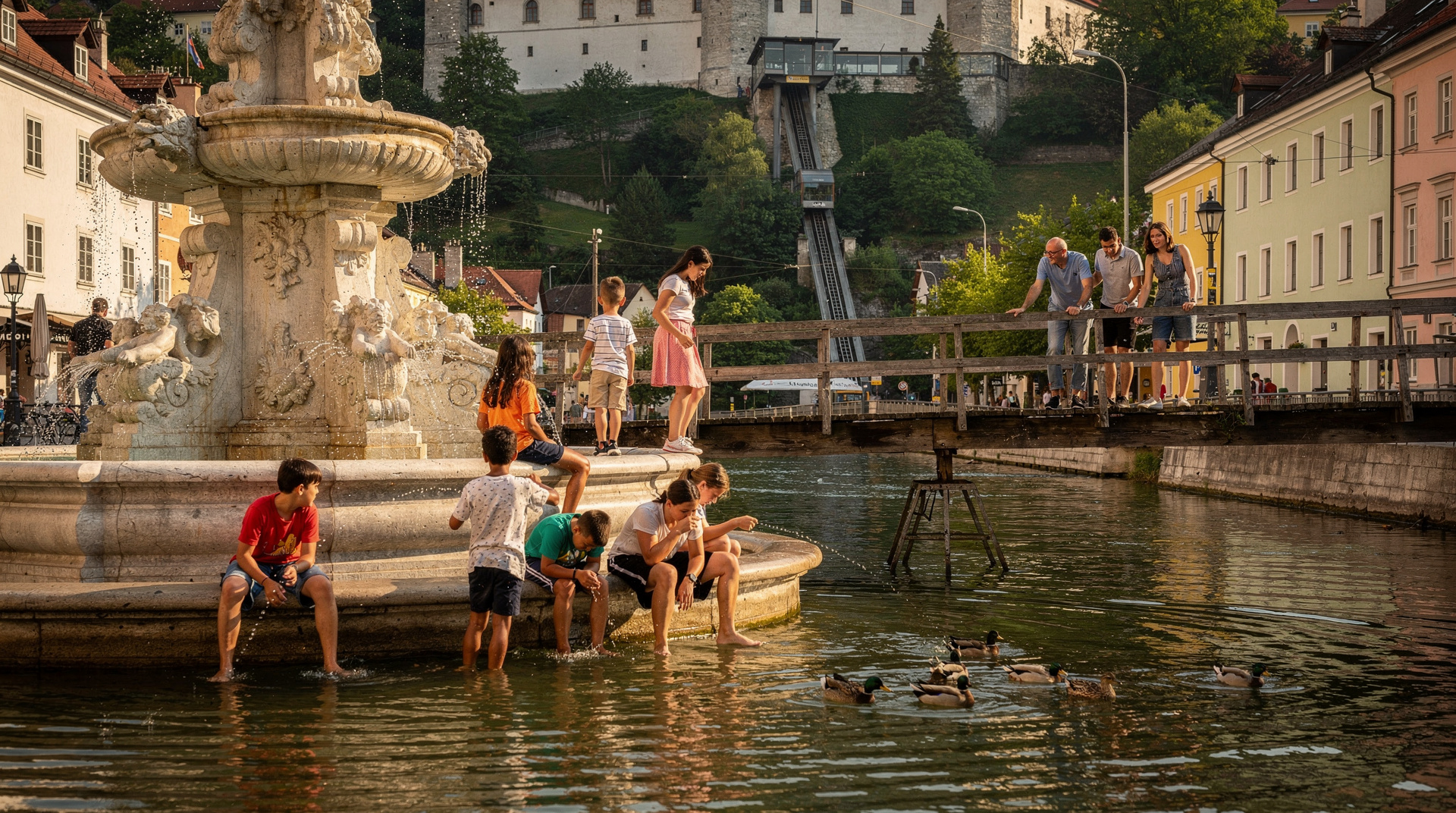
Yes, up to a point. The riverside terraces and old town squares in the early evening (before roughly 21:00) are genuinely family-friendly — a relaxed, well-lit environment where children can wander safely while adults have a drink. Past that point, the atmosphere shifts toward an adults-only crowd as the bar scene picks up and the later dinner sitting begins. Families visiting Ljubljana should treat the aperitivo hour as the shared window and plan an earlier bedtime for children rather than trying to stretch into the bar-district or Metelkova hours, which are unambiguously an adult scene. The Ljubljana with kids guide covers the daytime-to-early-evening balance in more detail.
Top experiences
Bookable activities with verified prices and instant confirmation on GetYourGuide.