Bled vs Bohinj: which Slovenian lake should you visit?
Savica Waterfall, Lake Bohinj and Lake Bled tour
Should I visit Bled or Bohinj — or both?
Visit both if you have the time — they're 30 minutes apart by car and complement each other perfectly. If you can only choose one: Bled offers the island, castle and postcard views in a polished village setting. Bohinj is wilder, larger, quieter and cheaper — better for swimming, hiking and getting away from the tourist trail. For families with children: Bled. For hikers, swimmers and those who dislike crowds: Bohinj.
Bled vs Bohinj: the honest comparison
Slovenia’s two most famous alpine lakes sit 30 minutes apart by car but feel like different worlds. Lake Bled is polished, postcard-perfect and honestly crowded in summer. Lake Bohinj is larger, wilder, and largely overlooked by the tour groups that pour off coaches at Bled. Both are genuinely beautiful. Choosing between them — or figuring out how to see both — is one of the most common planning questions for Slovenia visitors.
This guide makes the comparison concrete. For the full detail on each lake individually, see the Lake Bled complete guide and the Lake Bohinj guide.
| Bled | Bohinj | |
|---|---|---|
| Visitors/year | ~2 million | ~300,000 |
| Signature activity | Pletna boat to the island | Swimming, Seven Lakes Valley hike |
| Cost level | Higher | 15–30% cheaper |
| Best for | Families, first-timers, photos | Hikers, swimmers, avoiding crowds |
| From Ljubljana | 50 min car / 1h20 bus | 1h15 car / 2h bus (via Bled) |
The basics: size, setting, atmosphere
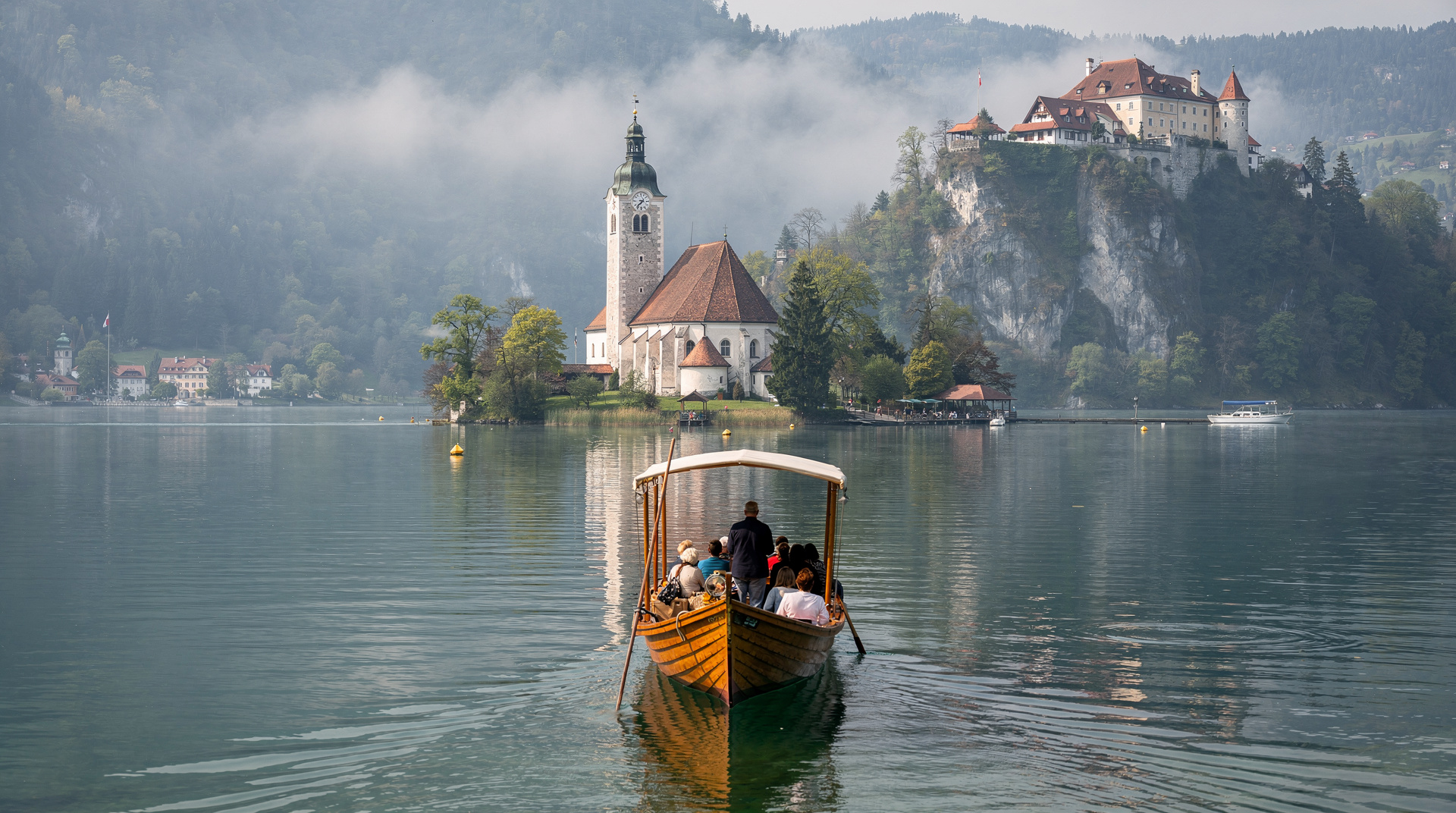
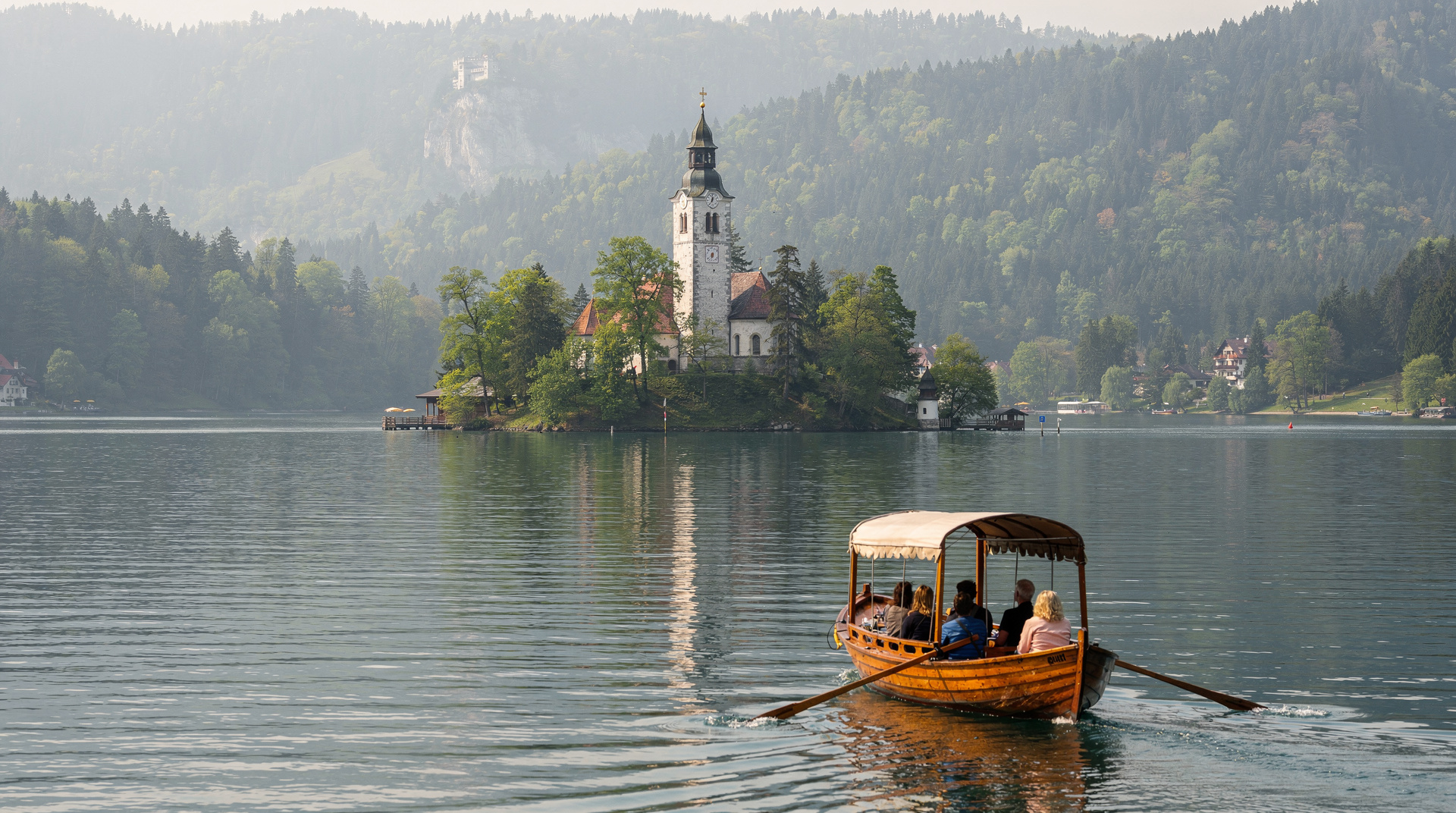
Lake Bled (475 m altitude, 2 km long, 1.4 km wide) is set in a natural bowl in the Julian Alps, with a medieval castle on a cliff above the northern shore and a tiny island with a baroque church at its centre. The setting is theatrical and perfectly composed — it looks exactly like every photograph, and it’s still impressive in person. The town of Bled is well-developed for tourism: hotels ranging from budget to luxury, restaurants, souvenir shops, cafés, an ice rink in winter. Infrastructure is polished. For the full detail on the castle itself, see the Bled Castle guide.
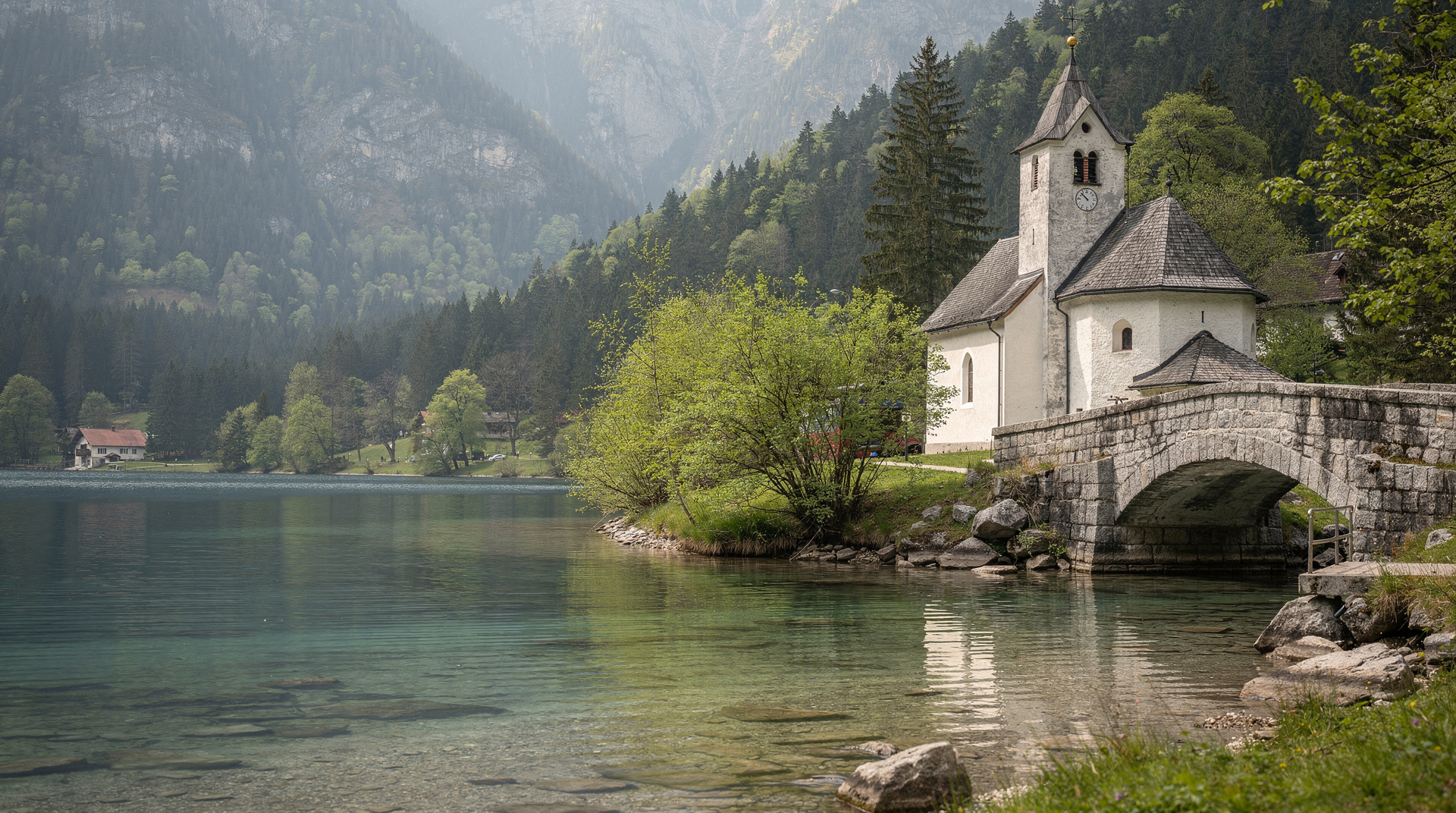
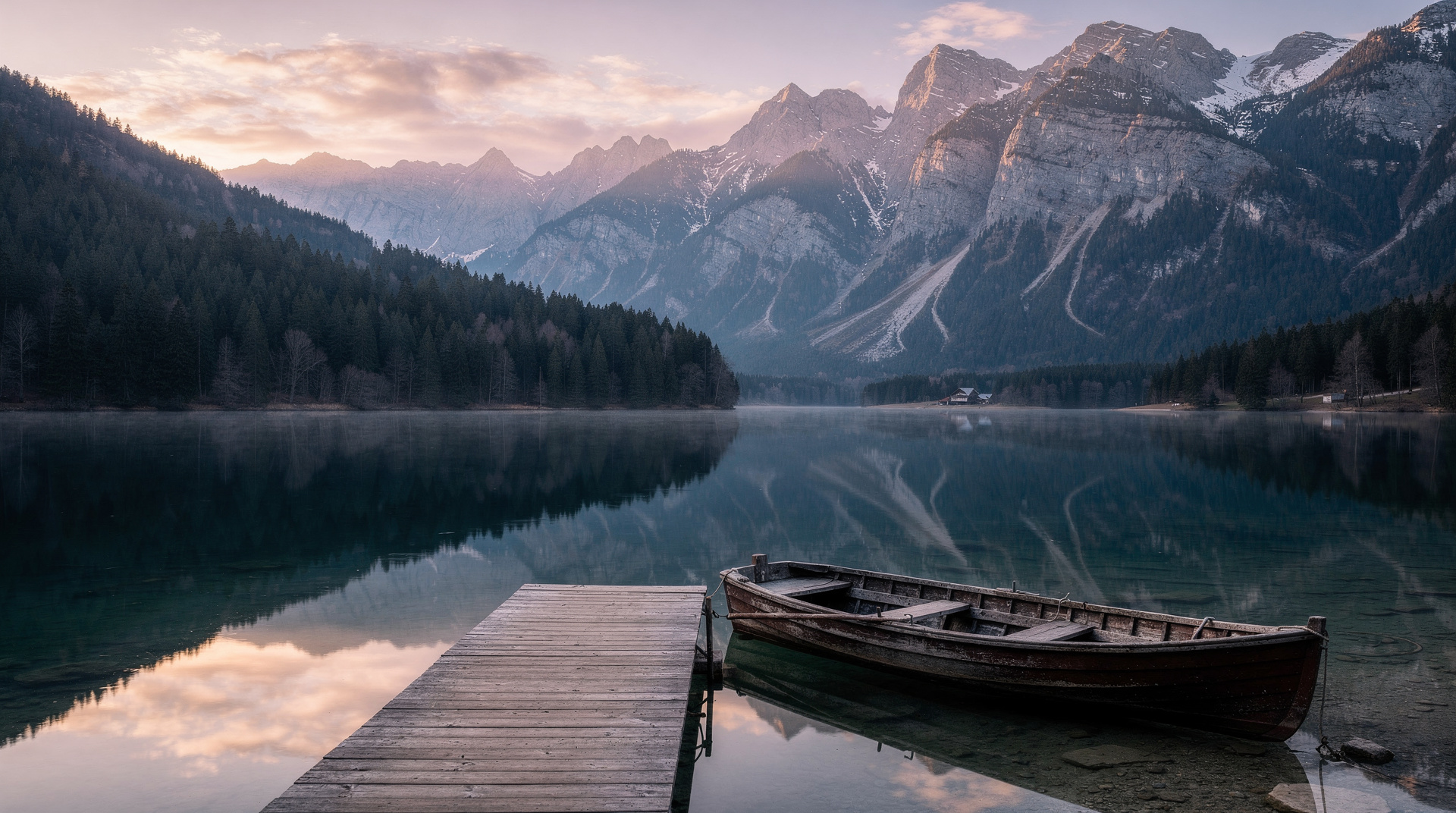
Lake Bohinj (525 m altitude, 4.3 km long, 1 km wide) sits deeper in Triglav National Park. There is no island, no castle, no single postcard-perfect view. Instead: still water the colour of aquamarine against forested mountains, a 13th-century stone church on the eastern shore, meadows running to the water’s edge, and a persistent sense of being somewhere genuinely unspoiled. The “towns” — Ribčev Laz at the east end, Ukanc at the west — are villages. Accommodation is more limited, restaurants are fewer.
The honest atmosphere difference: at Bled in July at 11:00, you’re sharing the lakeside path with a thousand other people, navigating through pletna touts and ice-cream queues. At Bohinj at the same time, you might be sharing a stretch of shore with thirty. This is not an exaggeration — Bled gets roughly 2 million visitors per year; Bohinj gets perhaps 300,000.
The views: what makes each distinctive
Bled’s iconic views:
- From the water: the island church with the castle cliff behind — you need to be on a boat or near the water’s edge
- Ojstrica viewpoint (15 min climb from south shore): the classic elevated view looking across the lake to the island with the mountains behind — genuinely spectacular
- Mala Osojnica (25 min climb): higher version, even better
- Castle terrace (130 m above the lake): looking down at the island and across the valley
Bohinj’s views:
- There is no single iconic Bohinj view. The beauty is distributed. Walk along the north shore toward Ukanc: the Komna plateau wall rising from the far end of the lake, mirrored in the water. Stand at the Roman bridge at Stara Fužina: the church reflected in the river.
- From above: cable car to Vogel (1,540 m) gives a panorama of the lake, the Triglav massif and, on clear days, the Adriatic
The Instagram view at Bled is singular and famous. Bohinj has no equivalent. It’s more ambient — a quality of light and scale that photographs struggle to capture.
The honest tourist-trap check for Bohinj
Bohinj is not entirely free of tourist pricing. The Vogel cable car at EUR 32–35 return is expensive for a 15-minute ride — although the view from the summit genuinely justifies it on a clear day. The Savica Waterfall car park charges EUR 7 for up to three hours plus EUR 4 entry (EUR 11 total for a 20-minute walk to a very beautiful waterfall — arguably fair but notable).
Horse-drawn carriage rides at Ukanc run EUR 25–40 and are more expensive than they look. The restaurant at Vogel summit charges alpine-resort prices.
Overall: Bohinj is less commercially intensive than Bled by a wide margin, but it is not free. Build EUR 20–40 per person into your day budget for the main paid experiences.
Wildlife: what you might see
At Bled: the lake supports a healthy population of swans, ducks and coots. Kingfishers are occasionally seen along the inlet streams. The forest above the lake hosts common woodland birds — nuthatches, woodpeckers, various tit species. Nothing exceptional, but pleasant.
At Bohinj: significantly richer wildlife. The valley borders Triglav National Park and the Pokljuka plateau, and bears, lynx and wolves exist in the surrounding forests (rarely seen by casual visitors, but genuinely present). Chamois are visible on the cliff faces above the lake with binoculars. The Savica River supports brown trout and huchen (Danube salmon). Black storks breed in the area. Wallcreepers are seen on limestone cliffs.
For serious wildlife observation, Bohinj is the clear choice — the wider Triglav National Park ecosystem is one of the last places in Central Europe where megafauna coexist with tourism.
Activities: what can you do?
Lake Bled:
- Pletna boat to Bled Island (fare confirmed at the dock or via bled.si) — the classic activity
- Rowboat hire for self-navigation to the island (EUR 18–25/hour)
- Bled Castle visit (EUR 19 adults, includes museum) — the cliff view is worth it
- Swimming at Grajsko Kopališče beach — good in summer
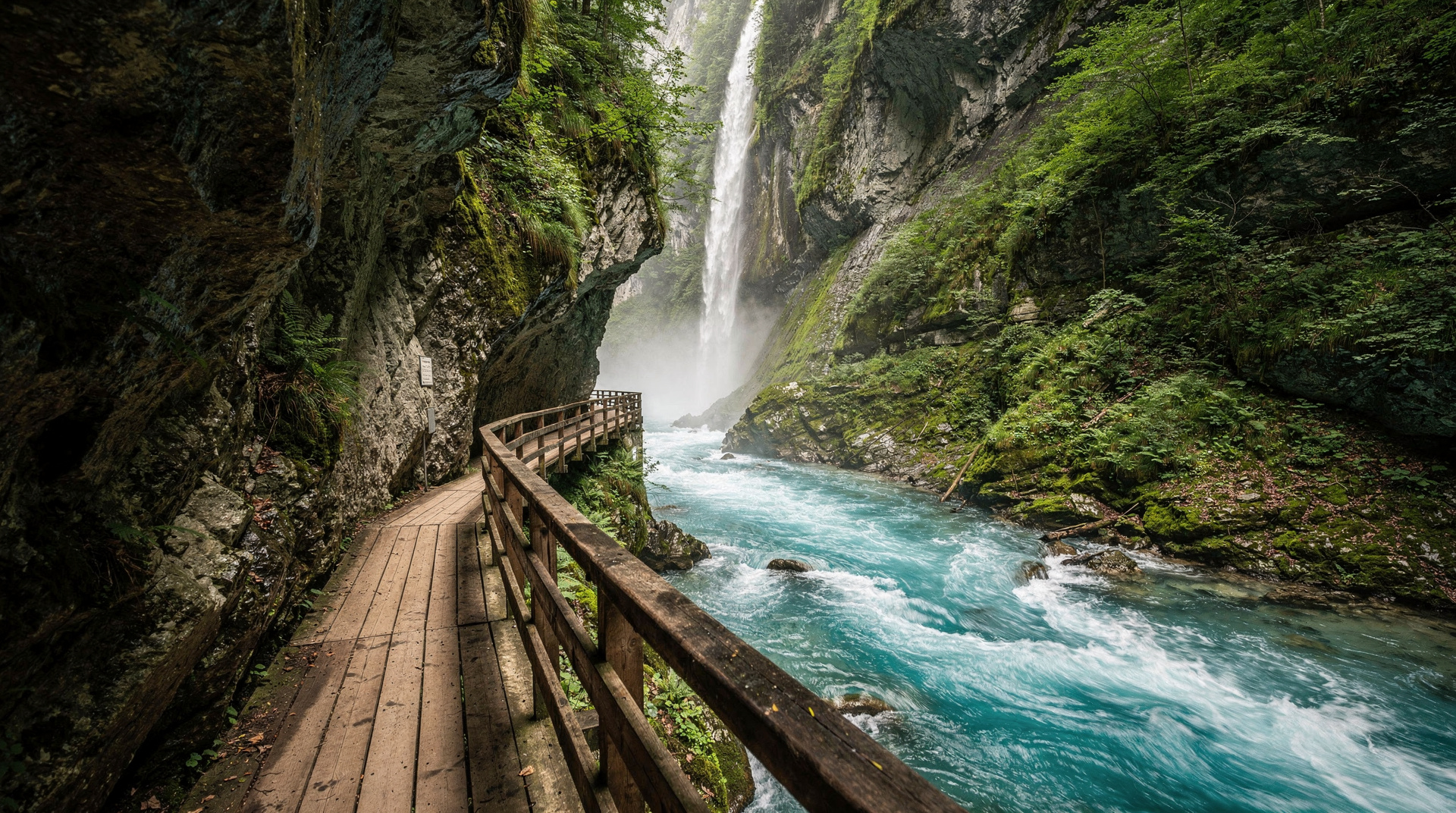
- Vintgar Gorge (4 km away, open April–Oct, EUR 15) — one of the best short walks in Slovenia
- Bled cream cake at any café: non-negotiable, EUR 4–5
- Hiking: Ojstrica/Mala Osojnica viewpoints (30–45 min each), or the full lake circuit (6 km, flat)
- Cycling: the flat lake circuit plus e-bike rental for the hills
Lake Bohinj:
- Swimming from multiple beaches — excellent, warm in summer, no admission charge
- Savica Waterfall (3 km west of the lake, EUR 4, 20-min walk) — one of Slovenia’s most beautiful waterfalls
- Vogel cable car (EUR 32–35 return) for panoramic mountain views
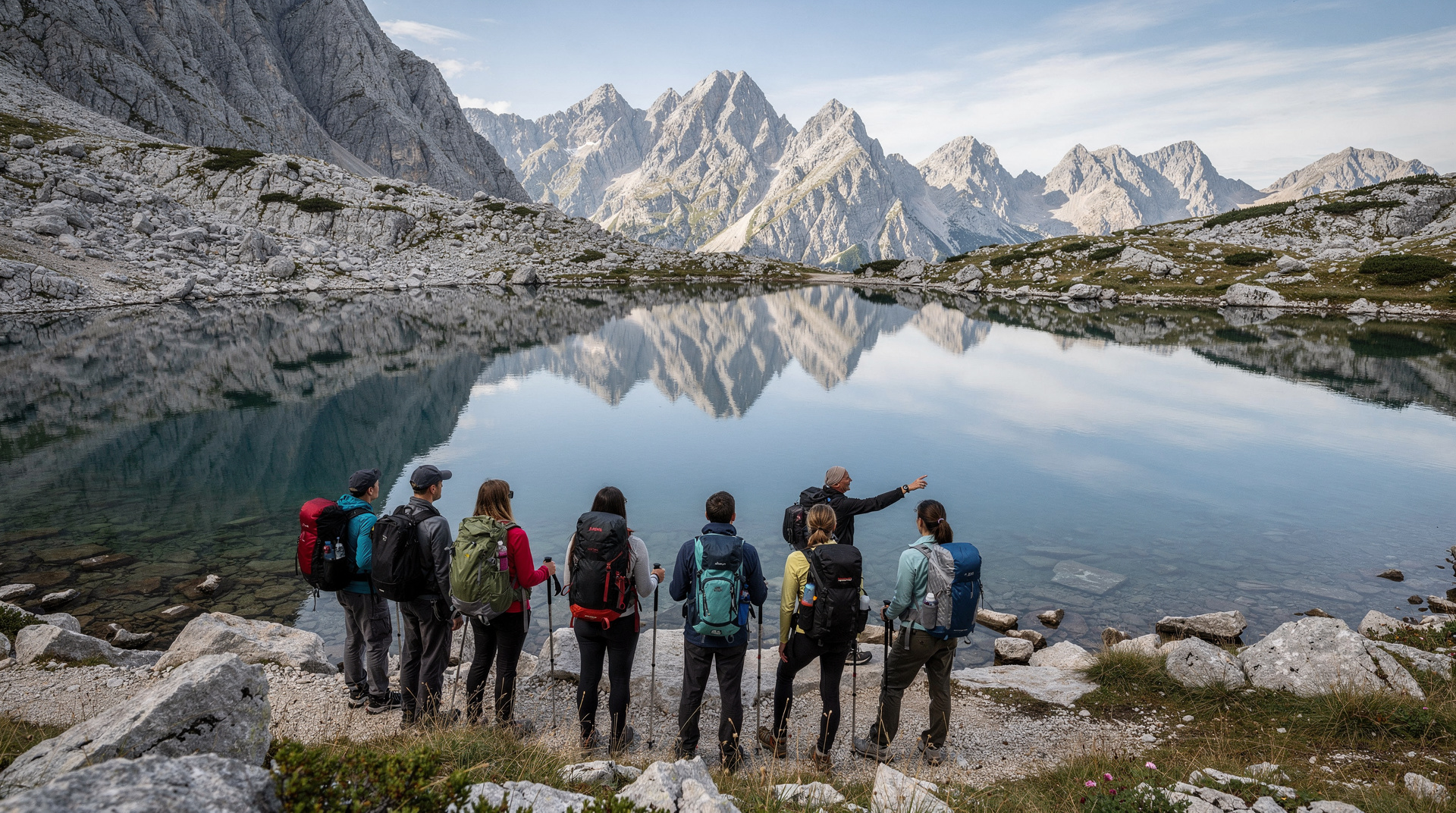
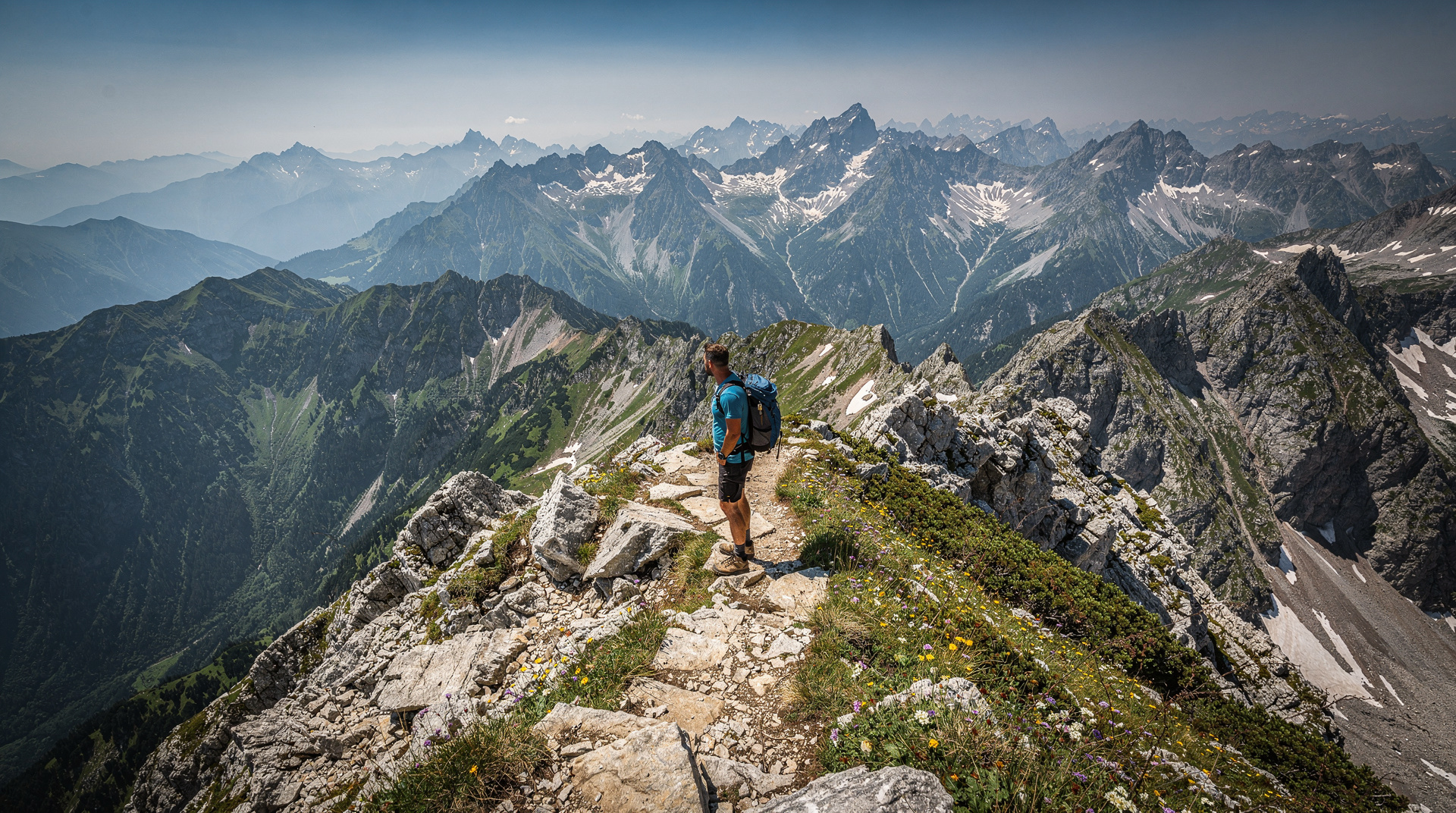
- Seven Lakes Valley hike: one of the finest day hikes in Slovenia — 20 km loop from the lake to an alpine plateau with seven glacial lakes, typically 7–8 hours; the tour from Bohinj makes it accessible without a guide
- Kayaking, SUP and electric boat hire on the lake itself
- Fishing: Bohinj’s lake and rivers are excellent for brown trout (licence required)
- Ukanc horse-drawn carriage rides
- Triglav summit access: serious mountaineers can begin the ascent from here with a guide The Bohinj and Savica Waterfall tour from Bled is the easiest way to combine the two lakes in a single day, with the waterfall visit included. For dedicated hikers, the Seven Lakes Valley hiking tour from Bohinj is the standout alpine experience.
Accommodation comparison
Bled: The widest range, including several luxury options. Grand Hotel Toplice (lake view, from EUR 180/night) is the iconic choice. Numerous guesthouses run EUR 60–100/night. Budget options are available but limited by the popularity of the village.
Bohinj: Fewer options, but more authentic. Guesthouses and apartments in Ribčev Laz and the surrounding villages run EUR 50–80/night. Pension Stare in Ribčev Laz is a reliably good mid-range choice. No large hotels — Bohinj’s accommodation is genuinely small-scale. Book ahead in July–August; supply is limited.
Price difference: Bohinj runs roughly 15–30% cheaper than Bled for comparable quality. If budget matters, this adds up over a multi-night stay.
Getting there: logistics compared
Bled:
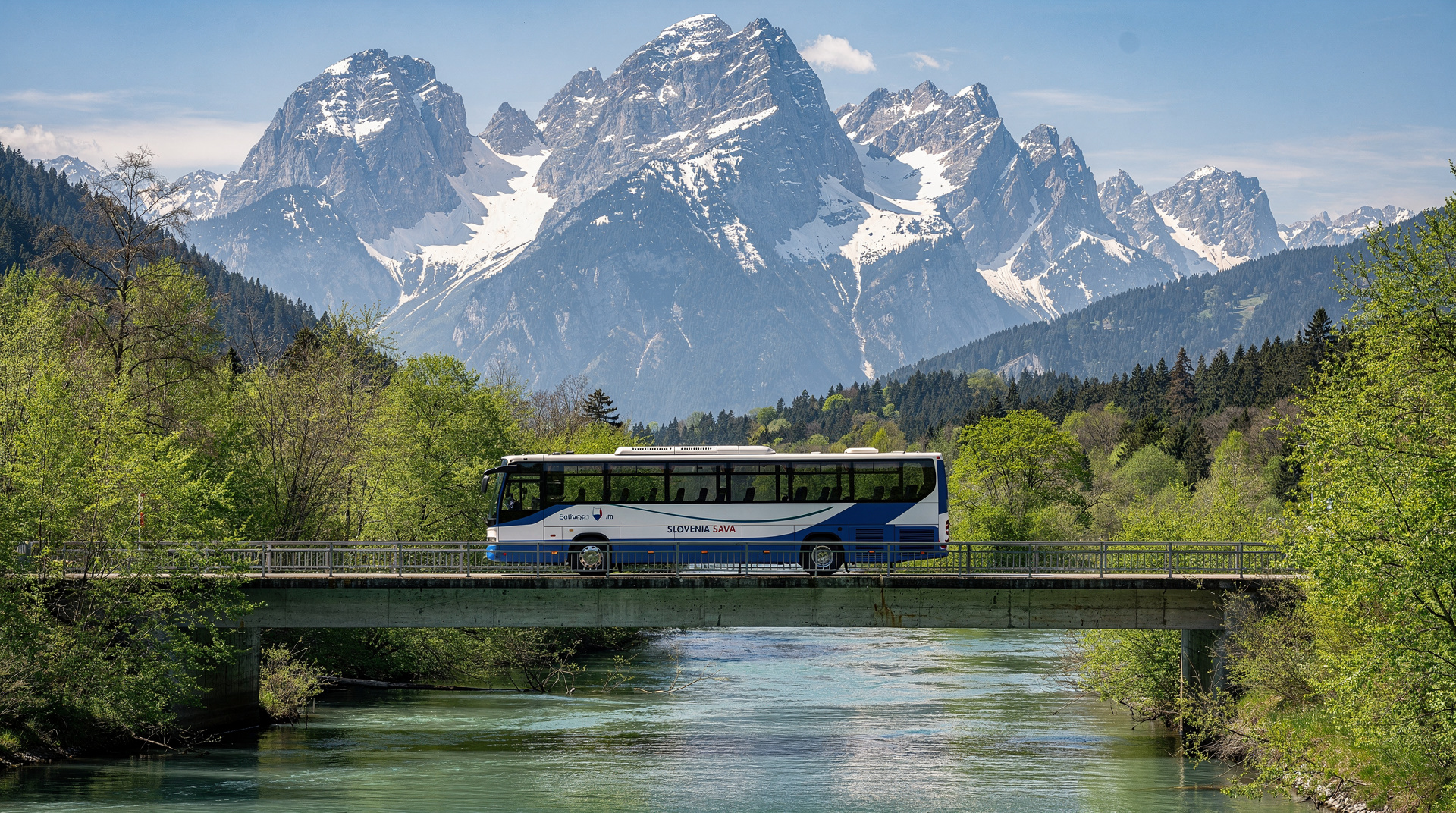
- Direct Arriva bus from Ljubljana every 30–60 min (1h20, EUR 6)
- Car: 55 km from Ljubljana, 50 min on A2 motorway
- Transfer: EUR 15–20/person shared, EUR 60–80 private car
Bohinj:
- No direct bus from Ljubljana — change at Bled (30 min) or take the less frequent direct service (2h from Ljubljana)
- Car: 80 km from Ljubljana via Bled, 1h15
- From Bled to Bohinj: 30 min by car, 50 min by bus (several daily)
- Scenic train: Ljubljana → Bohinjska Bistrina via Jesenice (infrequent; then 6 km by bus to the lake)
Bohinj is less convenient by public transport. For a car-free itinerary based in Bled, you can reach Bohinj by bus and it works well. Without any kind of transport from Bled, Bohinj is awkward.
The tourist-trap question
Bled has one significant tourist trap: the island. With the pletna boat (fare confirmed at the dock) and EUR 12 for the island entry, you’re paying a lot to spend 15 minutes in a modest baroque church, looking at the lake from an island that is less scenic than looking at the island from the shore. The view from the boat itself is the real value. A hired rowboat gives you both the on-water experience and the ability to reach the island, for EUR 18–25/hour — better value if you want to be on the water.
The castle (EUR 19) is more interesting than its reputation suggests, and the cliff view is genuinely worth paying for. The cream cake at Park Café or the Hotel Park is EUR 4–5 and is the real Bled tradition.
Bohinj has no meaningful tourist trap — prices are honest, activities are priced fairly and there’s nothing being sold on inflated expectations.
The verdict
There is no objectively correct choice — it depends entirely on what you’re after.
Choose Bled if: you want the iconic photograph; you’re travelling with children who’ll enjoy the island boat ride; you want developed tourist infrastructure and easy access to restaurants; or this is your only day in the Julian Alps and you want the most compact, high-impact experience.
Choose Bohinj if: you want to swim without crowds; hiking is a priority; you’re looking for an authentic, uncommercialized Slovenian experience; or you’re already been to Bled on a previous trip and want something different.
Best of all: combine both in two days, with one night in each. This is how Slovenia rewards the visitor who stays a bit longer. The classic Ljubljana–Bled day tour covers Bled efficiently; add a self-guided day at Bohinj the following morning before heading to the Soča Valley or returning to Ljubljana.
Practical seasonal notes
When the famous views look their best:
- Bled at dawn in September: the lake is misty, the colours golden, the crowds absent. Worth setting an alarm for
- Bohinj in early October: the beech forests turn orange-red, the light is extraordinary and swimming is still possible (water retains summer warmth)
- Both lakes in snow (December–February): magical when it happens, but services reduce significantly and accommodation options thin out
What closes when:
- Vintgar Gorge (4 km from Bled): closed approximately November–March. If this is on your list, check dates
- Vogel cable car (Bohinj): closed for maintenance until 1 December 2026 (check the Vogel website); skiing focus December–March once it reopens
- Lake boat services at Bohinj: seasonal, approximately May–October
- Savica Waterfall: open approximately May–October (parking area closed in winter)
Peak summer (July–August) management:
- Bled: arrive before 08:00 or after 18:00 to experience the lake without the tour group rush
- Bohinj: less critical, but the main beach gets busy by 11:00 on hot weekend days — arrive early or head to the quieter western end near Ukanc
- Both: book accommodation 2–3 months ahead for any July–August visit
Photography tips
Best Bled shots:
- Ojstrica viewpoint, sunrise or late afternoon (the light falls on the island best in afternoon)
- On the water (rowboat or kayak) looking toward the castle cliff — a perspective most visitors miss
- The north shore near the rowing club, with the castle reflected in calm morning water
Best Bohinj shots:
- The stone bridge at Ribčev Laz with the Church of St John the Baptist
- Looking west from the main beach toward the Komna plateau — most dramatic in autumn morning light
- Vogel summit cable car — 180-degree alpine panorama including Triglav
The island at Bled: honest value assessment
The pletna boat to Bled Island (fare confirmed at the dock or via bled.si) and island entry (EUR 12) add up to a lot for what amounts to 15 minutes on the island and a brief visit to a modest baroque church. For some visitors, the experience of riding the traditional wooden boat and ringing the wishing bell is worth every euro. For others, the view from the boat is the actual value — not the island itself.
The honest assessment: if you’re visiting Bled once, do the pletna — it’s the definitive Bled experience and the setting is unquestionably beautiful. If you’re on a tight budget or have already done Bled before, a hired rowboat gives you the on-water experience for EUR 18–25/hour and you decide whether the island is worth the extra entry.
Bohinj has no equivalent ‘pay for the view’ activity. The scenery is free.
What each lake is like on a rainy day
Bled in rain: the lake in low cloud is eerie and atmospheric — the island church disappears into mist, the castle becomes invisible. Many visitors find this version of Bled surprisingly beautiful. The castle visit and the indoor exhibits at the lakeside hotels keep you occupied. The cream cake tastes the same in any weather.
Bohinj in rain: the mountains disappear and the valley can feel grey. The main compensations are: the waterfalls swell dramatically (Savica is at its most powerful after rain), the forests are lush, and the lake surface takes on a pewter quality that’s photogenic in a different way. Not the ideal Bohinj day, but not wasted.
Where to eat near each lake
Near Bled:
- Gostilna Murka (5 min from the lake): excellent local gostilna, busy with Slovenians — the best signal that prices and quality are honest
- Pizzeria Rustika: reliable pizza in a town where pizza restaurants proliferate for tourists
- Oštarija Peglez’n: traditional Slovenian cooking in a historic building
- Park Café: for the iconic cream cake with lake views
Near Bohinj:
- Gostilna Rupa: in the village of Stara Fužina, local cuisine, frequently mentioned by Slovenians as a favourite
- Restaurant Zlatorog (Ukanc, west end of lake): lake views, fish and regional dishes
- Pr’ Gavedarjo: farm guesthouse serving home cooking in Studor village, 3 km from the lake
In both areas, the best food is often found a few kilometres outside the immediate tourist hub, in village gostilnas where local clientele keep prices honest and quality high.
Day trips from each lake
From Bled, the easiest add-ons are Vintgar Gorge (10 minutes by car or a 45-minute walk/cycle), Bohinj itself (30 minutes), and Kranjska Gora via the Vršič Pass road in summer (about an hour, closed in winter). A day trip to Ljubljana is also common — 50 minutes by car or bus — for visitors staying multiple nights at Bled.
From Bohinj, the natural extensions are deeper into Triglav National Park — the Vogel cable car and the Komna plateau require no additional driving since they start at the lake — and the Soča Valley via the Vršič Pass in summer (roughly 1.5 hours). Bohinj is also the logical last stop before heading toward Bovec if your itinerary continues west into adventure-sports territory.
Group size and the practical difference it makes
A large group (6+ people) will generally find Bled easier to manage logistically — restaurant capacity, activity variety and transport options are all more developed. Bohinj’s smaller-scale infrastructure means booking a table for eight at short notice, or finding parking for two cars in peak season, takes more advance planning. This is a minor point for most visitors but worth knowing if you’re organising a larger family trip or a multi-generational itinerary where flexibility matters more than atmosphere.
Which lake suits which kind of traveller
Solo travellers and backpackers often prefer Bohinj — cheaper accommodation, more hiking, less need to navigate the tour-group choreography that dominates Bled’s lakeside path. Couples on a short romantic break tend to lean toward Bled — the island, the castle dinner option and the polished infrastructure suit a compact, high-impact stay.
Families with young children generally do best at Bled, where the pletna boat ride is an easy, memorable activity requiring no hiking stamina, though Bohinj’s gentle beaches work well for families who prioritise swimming over sightseeing. Serious hikers should treat Bohinj as the priority and Bled as the optional add-on, since the Seven Lakes Valley and the wider Triglav trail network dwarf anything accessible from Bled itself.
For photographers deciding where to spend limited time
If you have only one sunrise or sunset during your trip and photography matters to you, Bled’s Ojstrica viewpoint delivers the single most reproducible, reliably spectacular composition in Slovenia — it’s worth prioritising if you’ve never shot it before. Bohinj rewards a longer, more exploratory approach: there’s no single vantage point that “does” the lake, so photographers who already have their iconic Bled shot often find Bohinj’s ambient, unhurried scenery more creatively satisfying on a second or third Slovenia trip.
If you’re deciding where to sleep
Splitting a multi-night stay between the two lakes usually beats picking just one hotel base for the whole trip. A common pattern: two nights near Bled to cover the castle, island and Vintgar Gorge at an unhurried pace, then one or two nights in Bohinj for the Seven Lakes hike and swimming without the crowds. If your itinerary also includes the Soča Valley or Julian Alps hiking more broadly, Bohinj sits closer to the Vršič Pass route than Bled does, making it the more logical last stop before heading west.
Frequently asked questions about Bled vs Bohinj
Which lake is less crowded — Bled or Bohinj?
Bohinj is significantly less crowded than Bled. Lake Bled sees around 2 million visitors per year; Bohinj a fraction of that. In July and August, Bled's lakeside path can feel overwhelmed with tour groups by 10:00. Bohinj in the same period is busy at the main beach but never feels like an amusement park. If avoiding crowds is a priority, Bohinj wins decisively.Which lake is better for swimming?
Both are excellent for swimming, but Bohinj has a slight edge. The lake is 4 km long and swimmable from multiple beaches with soft sand and shallow entry — the main Vogel beach near the Savica end and the church end are both excellent. Bled's main beach (Grajsko Kopališče) is good and the water is clean, but smaller. Lake temperatures: both reach 18–22°C in late July–August. Bled warms slightly faster as it's shallower.Which has better hiking?
Bohinj, without question. The lake sits inside Triglav National Park, and the hiking options from its shores are exceptional — the Seven Lakes Valley, Komna plateau, Vogel ski centre (accessible by cable car for non-hikers), Savica Waterfall and Triglav itself for the serious. Bled has good walks to viewpoints (Ojstrica, Mala Osojnica) and Vintgar Gorge, but the hiking ambition scales much higher from Bohinj.Which is easier to reach by public transport?
Bled is easier. Arriva buses run to Bled every 30–60 minutes from Ljubljana (1h20, EUR 6). Bohinj is served by a few buses daily from Bled (30 minutes, EUR 3) and Ljubljana (2h, EUR 8). The Bled–Bohinj route bus runs approximately every 1–2 hours. Without a car, Bohinj requires more scheduling. The train to Bohinjska Bistrina (from Ljubljana via Jesenice) is scenic but infrequent.Which lake is cheaper to visit?
Bohinj is noticeably cheaper. Accommodation in Bohinj runs 15–30% below comparable Bled options. Restaurants are fewer but more locally priced. The main 'paid' activity at Bled — the pletna boat to the island (fare confirmed at the dock or via bled.si) — has no equivalent at Bohinj. The Savica Waterfall entry is EUR 4. Vogel cable car is EUR 32–35 return. In Bohinj, you can spend a full day swimming and hiking for almost nothing.Can I do both lakes in one day?
Yes, and it's a popular combination. Arrive at Bled early (before 09:00), spend the morning at the lake — island or castle viewpoint — and drive or bus to Bohinj by early afternoon for swimming and the Savica Waterfall walk. You're looking at 30 minutes by car or 50 minutes by bus between the two. One day covers both adequately; two days covers both well.
Top experiences
Bookable activities with verified prices and instant confirmation on GetYourGuide.