Savica Waterfall: guide to visiting Slovenia's most beautiful fall
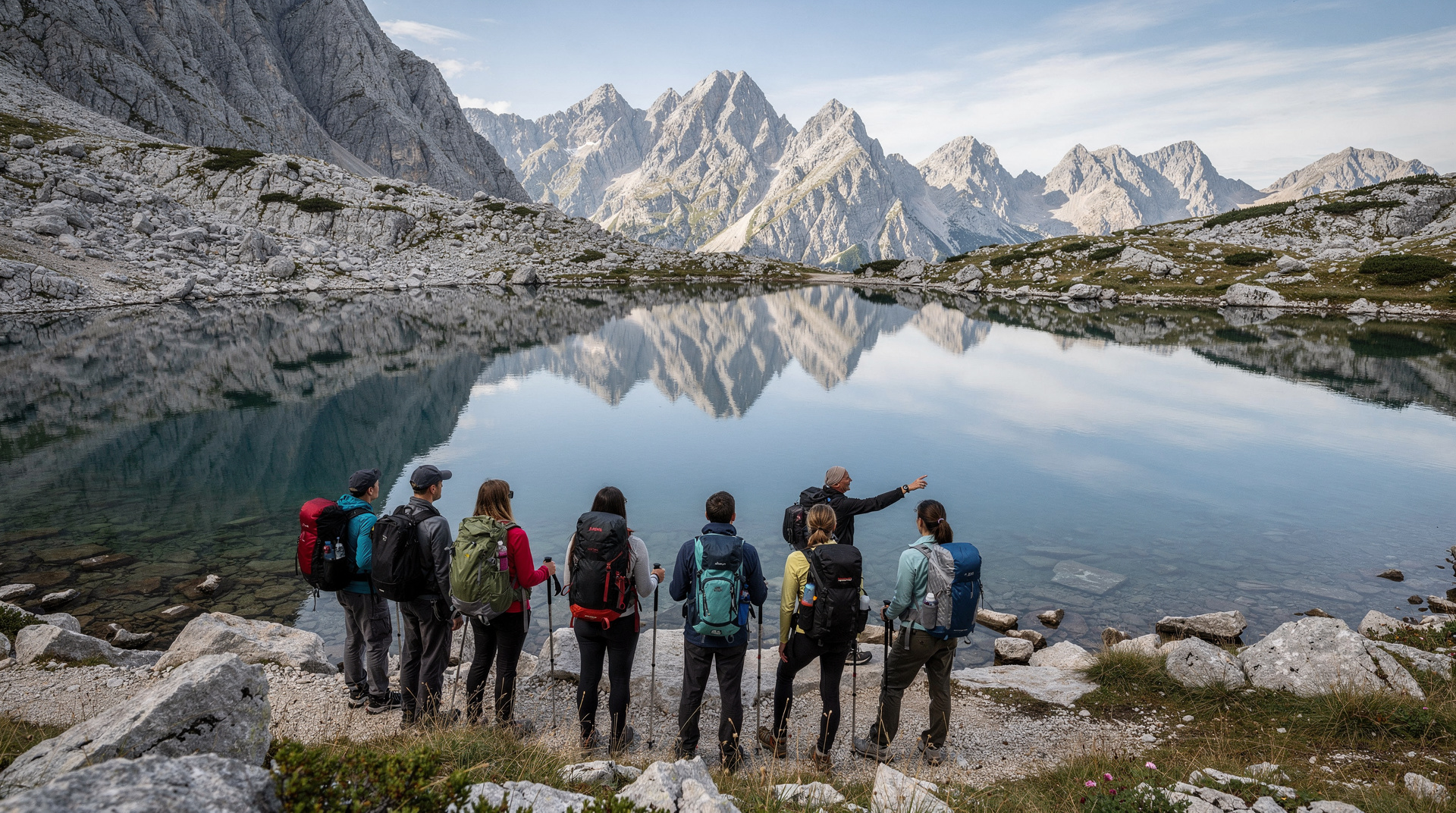
Triglav National Park: 7 Lakes Valley hiking tour
How do you get to Savica Waterfall and how long is the hike?
Savica Waterfall is about 3 km from the western end of Lake Bohinj near Ukanc. From the Savica car park, the signed path takes 25–30 minutes uphill (about 80 m elevation gain, 1.5 km). The last section involves steep stone steps. Since 1 August 2026 admission is EUR 4 from age 16 (free under 16, and free for everyone on the first Sunday of the month). The waterfall — a 78-metre fan of water emerging from a cave — is one of the most beautiful short hikes in Slovenia.
Savica Waterfall: everything you need to know
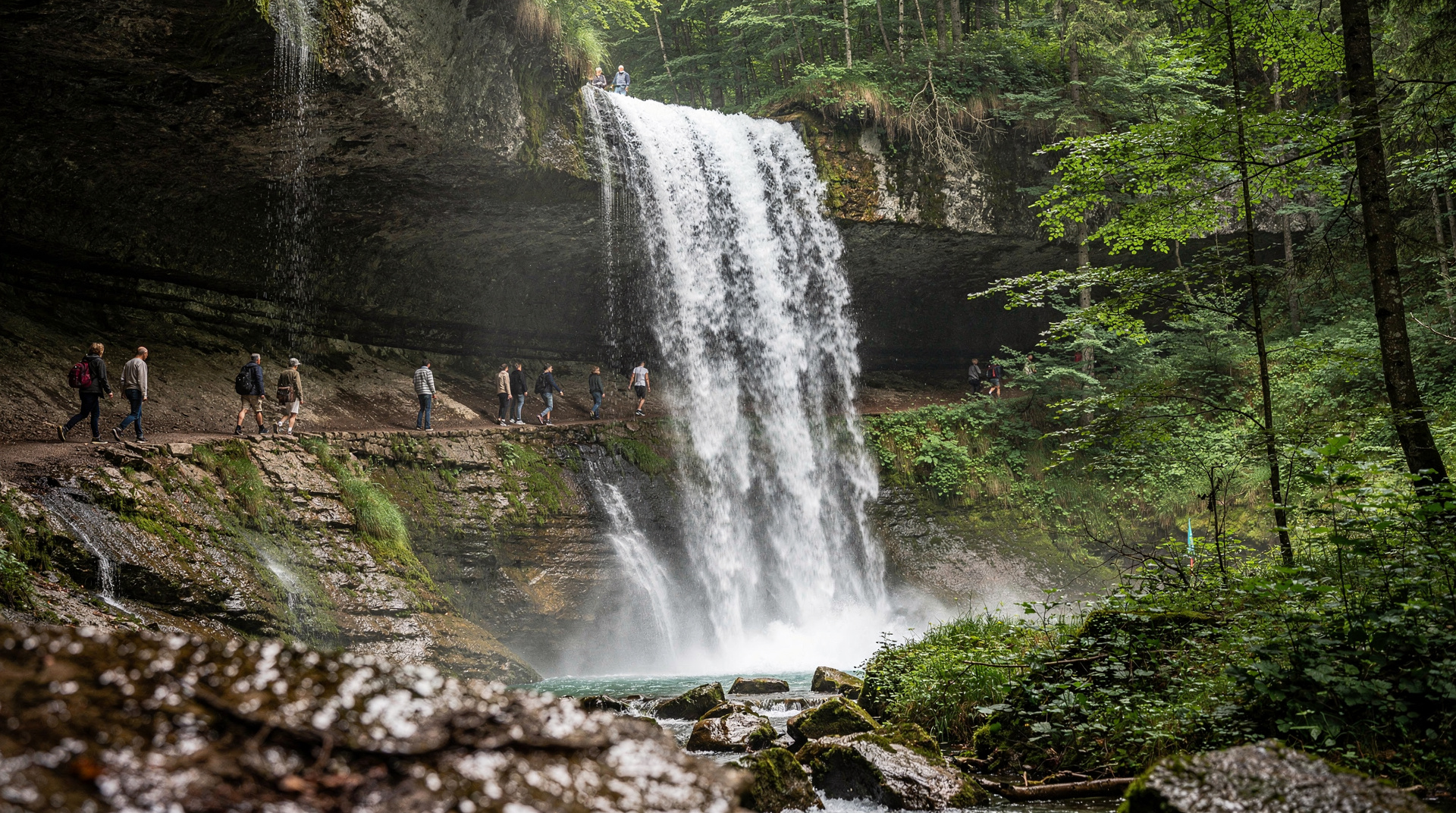
The Savica Waterfall (Slap Savica) sits at the western end of the Lake Bohinj valley, about 3 km beyond the lake shore at Ukanc. It is one of the most visited natural sights in Slovenia — and with good reason. The Savica River emerges from a cave mouth carved into a vertical limestone cliff and drops 78 metres in a wide, fan-shaped curtain into a deep, emerald pool at the bottom of a narrow gorge.
| Where | Ukanc, western end of Lake Bohinj |
| Cost | EUR 4 admission (free under 16), parking EUR 7 up to 3 h or EUR 15 per day |
| Time needed | 1–1.5 hours round trip |
| Getting there | Car from Bled/Bohinj; bus + taxi/walk from Ljubljana |
| Best time | May–June (peak flow) or October (autumn colour) |
The hike to reach it is short but genuinely rewarding, climbing through mixed beech and spruce forest on a well-maintained path that ends at a viewing platform about 20 metres from the base of the fall. The combination of the cave entrance above, the white plunge and the deep-green pool below makes this one of the most photogenic natural sights in the Julian Alps.
Getting to Savica Waterfall
From Lake Bohinj: The Savica car park is about 3 km from the main Bohinj lake area at Ribčev Laz. Follow the signs along the south shore road towards Ukanc and then to Savica. The road is single-track in places; park in the car park area before the admission barrier (car park P9: EUR 7 up to 3 hours, EUR 15 per day, card payment only).
From Ljubljana: Lake Bohinj is about 100 km from Ljubljana — roughly 90 minutes by car. Take the A2 motorway towards Kranjska Gora, exit at Lesce and follow the road to Bohinjska Bistrica, then Ribčev Laz and Ukanc.
From Lake Bled: Bohinj is 30 minutes from Bled by car. This is the most natural combination — Bled in the morning, Savica and Bohinj in the afternoon.
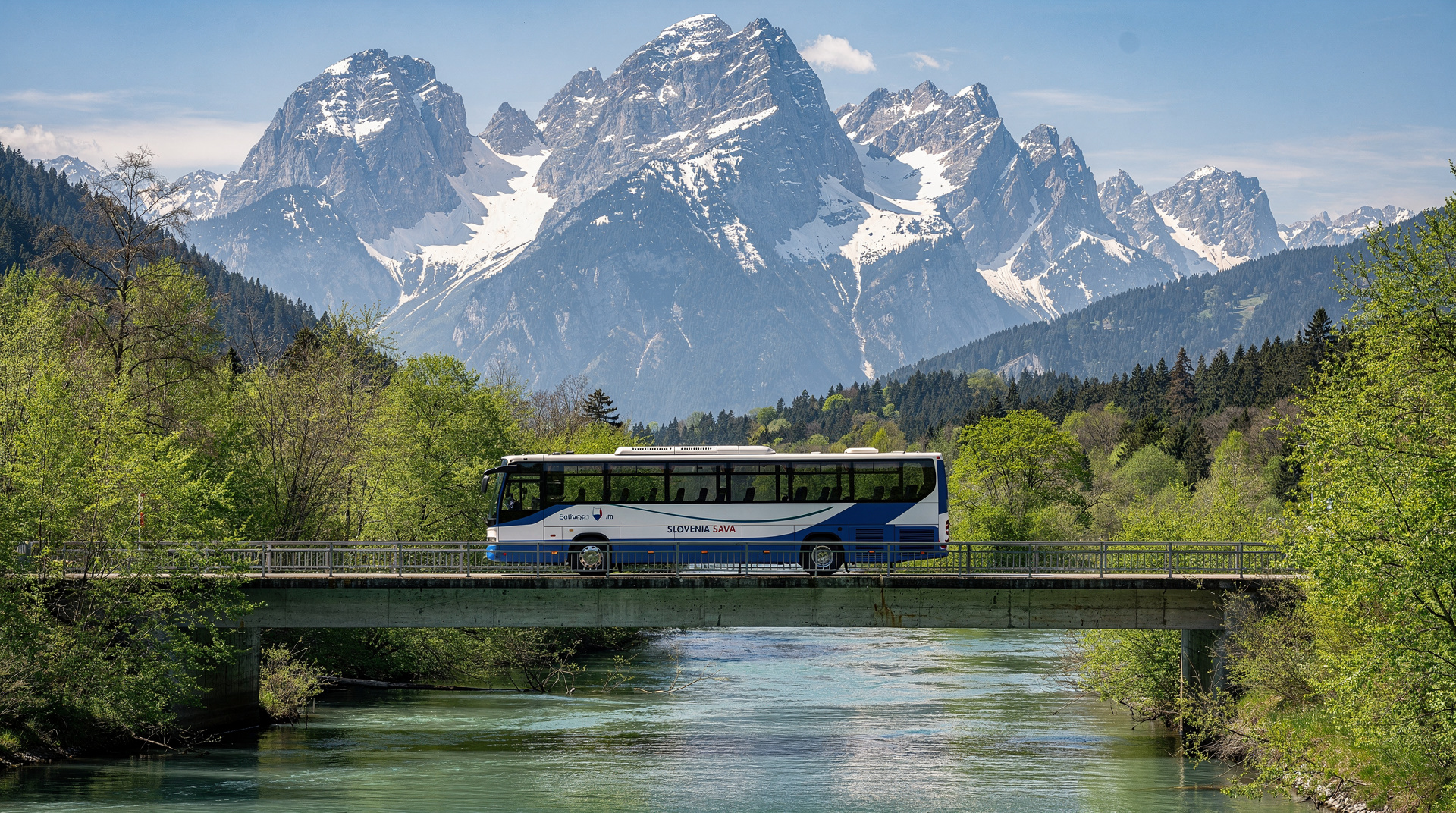
By bus: Regular buses run from Ljubljana to Bohinjska Bistrica via Bled (about 2 hours). From Bohinjska Bistrica, a local bus runs to Ribčev Laz and the western end of the lake. The last stretch to the Savica car park may require a taxi or walking (about 3 km along the flat lake road).
The hike to the waterfall
Start: The signed path begins at the admission barrier (EUR 4 per person from age 16) just before the main car park. There is a small information board about the waterfall and the Savica River.
Route: The path climbs steadily through forest, gaining about 80 metres in elevation over 1.5 km. The first section is a gentle forest path; the final approach involves a series of steep stone steps cut into the rock face. The steps require care, especially when wet — worn hiking shoes are a liability here; grippy soles are strongly recommended.
Duration: 25–30 minutes uphill at a moderate pace; 20 minutes descending. Allow 1–1.5 hours for the round trip, including time at the viewing platform.
The viewing platform: A wooden platform built close to the base of the gorge gives an excellent view of the full fall — the cave opening at the top, the fanning white water and the deep pool below. The mist from the fall can be significant in high flow; light rain gear is worth having.
What to expect at the waterfall
The Savica River originates from the underground drainage of a large area of the Triglav plateau. The water flows through limestone cavities for months before emerging at the cave mouth — this is why the colour is so pure and clear. In spring, the volume of flow can be extraordinary; the fan widens to the full width of the gorge and the roar is audible from the path well before you arrive.
In summer (July–August), the flow reduces — the waterfall narrows but remains beautiful, and the pool colour is if anything more vivid in the clearer lower-flow conditions. In autumn, a secondary increase follows the October rains. In winter, the upper cave entrance can be rimmed with ice and icicles when temperatures drop below freezing for extended periods.
Framing and photography: The gorge is north-facing, meaning it receives direct sunlight only around midday in summer. Overcast light actually works very well for photography here — no harsh shadows, no blown highlights on the white water. A wide-angle lens takes in the full gorge; a telephoto gives good detail of the cave entrance.
Combining Savica with Lake Bohinj
Almost every visitor to Savica combines it with a day at Lake Bohinj. The lake is 3 km away and is one of the most beautiful in Slovenia — quieter and more authentic than Lake Bled, with a broader shoreline, better swimming beaches and a genuine sense of Slovenian alpine life.
A classic full day:
- Morning: Drive from Ljubljana or Bled (or stay overnight in Bohinj), arrive by 09:30
- 09:30–11:30: Hike to Savica and back (including time at the viewing platform)
- 11:30–13:00: Drive to Ribčev Laz, the main village on the east shore; walk along the lake
- 13:00–14:30: Lunch at a lakeside restaurant in Ribčev Laz or Stara Fužina (traditional gostilna, locally sourced)
- 14:30–17:00: Swimming from the beach at Camp Zlatorog (west end) or the public beach near Ribčev Laz
- Evening: Either return to Ljubljana/Bled or stay overnight
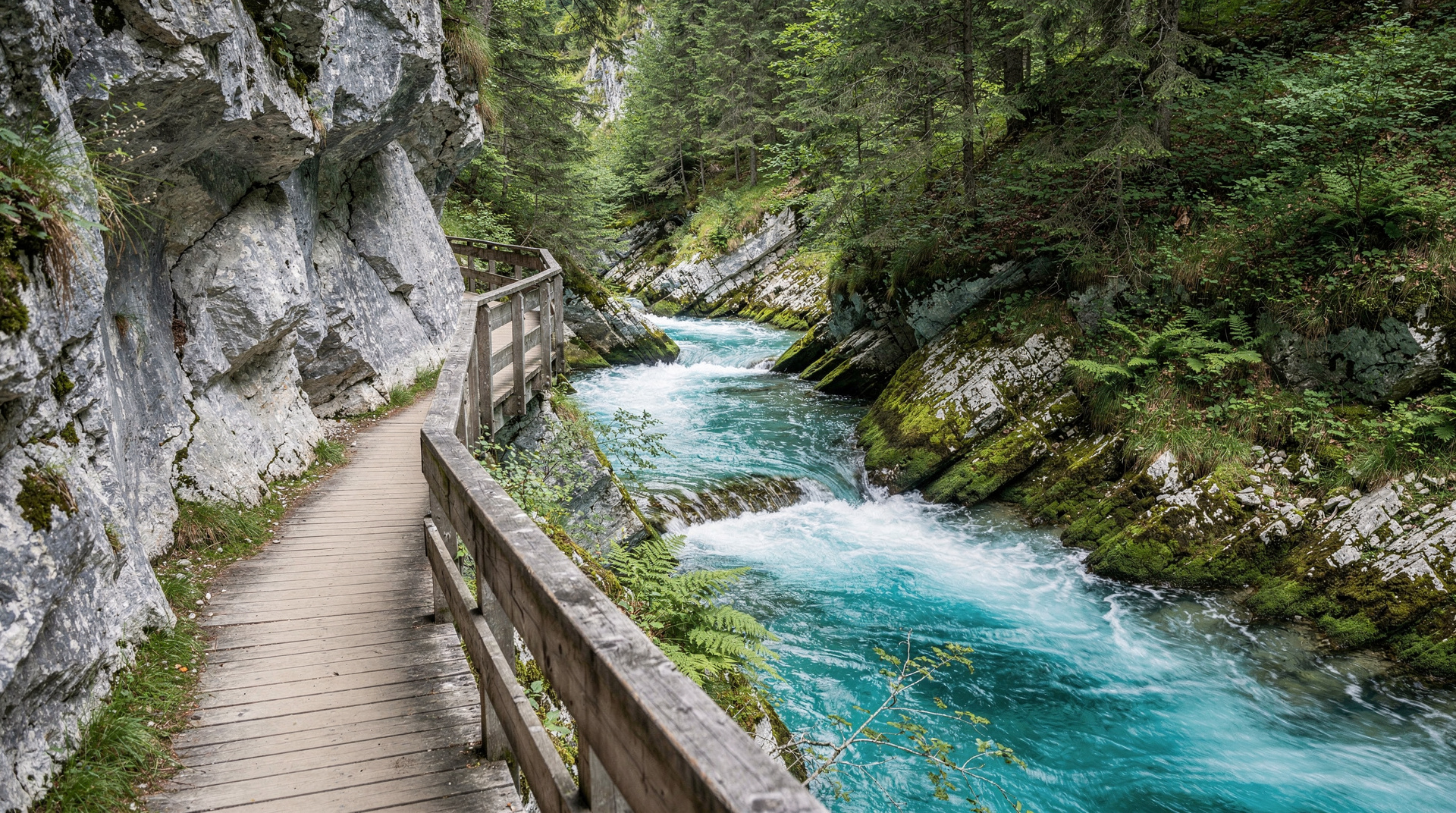
The Mostnica Gorge: A short detour worth taking in the morning before Savica. The Mostnica Gorge walk (from Stara Fužina, 1.5 hours return) follows a narrow slot canyon with a series of cascades, a famous rock arch and the ‘Devil’s Bridge’. Excellent for geology-interested visitors.
Wildlife around Savica
The beech-spruce forest on the Savica path is good for forest birds: you may hear or see nutcracker, crossbill, Eurasian treecreeper, various tit species and, with luck, the three-toed woodpecker (an Alpine speciality). The gorge walls below the fall sometimes hold dipper — a small brown bird that walks underwater in fast streams.
The area around Ukanc is also part of the wildlife corridor connecting Triglav National Park to the south. Brown bear and lynx use this zone at night, though daylight sightings are rare. Chamois are visible on the rocky slopes above the treeline from the path, especially early in the morning.
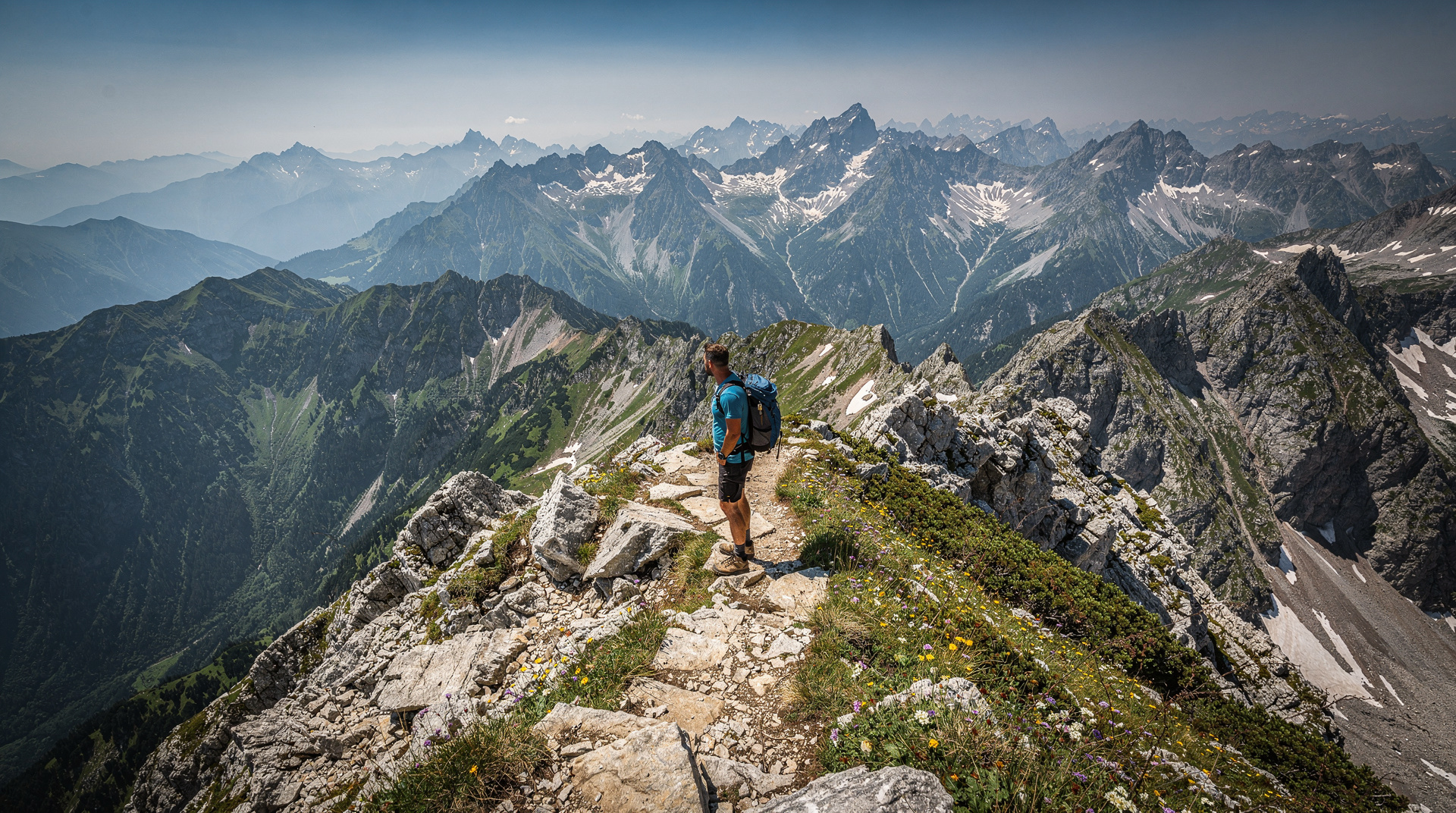
Guided hiking in Triglav National Park, starting from BohinjThe Savica in Slovenian culture
The Savica Waterfall is not merely a tourist attraction — it is a cultural site. The romantic epic poem Baptism at the Savica (Krst pri Savici, 1836) by France Prešeren, Slovenia’s national poet, is set at this waterfall. The poem tells of the final battle between pagan and Christian Slovenia in the 8th century, and the Savica serves as the setting for the conversion of the last pagan Slovene. Prešeren’s image is on the 2-euro Slovenian coin; the poem is studied in every Slovenian school.
A small plaque near the viewing platform commemorates this connection.
Practical information
Admission: EUR 4 per person from age 16 since 1 August 2026; free under 16, and free for everyone on the first Sunday of the month.
Parking: Car park P9: EUR 7 up to 3 hours, EUR 15 for the day, card payment only. In peak season (July–August weekends), arrive before 09:00 to guarantee a space; the car park fills by 10:30. Overflow parking is on the road shoulder.
Opening hours: The path and barrier are officially staffed 08:00–19:00 in August–September, 09:00–17:00 in October and 09:00–16:00 in November–December. Outside staffed hours, access may still be possible but the viewing platform conditions are your own responsibility.
What to bring: Sturdy walking shoes, a light layer (the gorge is cool even in summer), and waterproofs if you want to stand close to the fall in high season. Water and snacks — there is no café at the waterfall itself; the nearest food is at the lake restaurants.
For the full Lake Bohinj guide including accommodation and other activities, see the dedicated destination page. For an overview of all Slovenian waterfalls, including Boka, Peričnik and the Karst options, see the waterfalls guide.
Where Savica fits in a wider trip
Savica works best as one stop in a longer Julian Alps loop rather than a stand-alone outing. If you are still deciding between the two big lakes, the Bled vs Bohinj comparison explains why many travellers who want walking and quiet water end up basing themselves here. Those starting from the capital will find the options for reaching the lakes laid out in Ljubljana to Bled transport, and the Lake Bled complete guide covers the neighbouring town if you want to split your time.
If you are driving, read driving in Slovenia and the vignette before you set out, since the motorway approach to the Alps is covered by it. Timing matters just as much as transport: the best time to visit Slovenia page helps you decide whether you want the high water of late spring or the quieter colours of autumn.
For a fuller programme, the seven-day Julian Alps itinerary strings the waterfall together with the lakes, passes and gorges around it. Walkers who want more after Savica can browse the Julian Alps hiking guide, the best hikes in Slovenia and the Seven Lakes Valley hike, which begins from the same valley and is the natural next challenge once the short path to the fall feels easy.
Staying overnight near Savica: the Bohinj valley
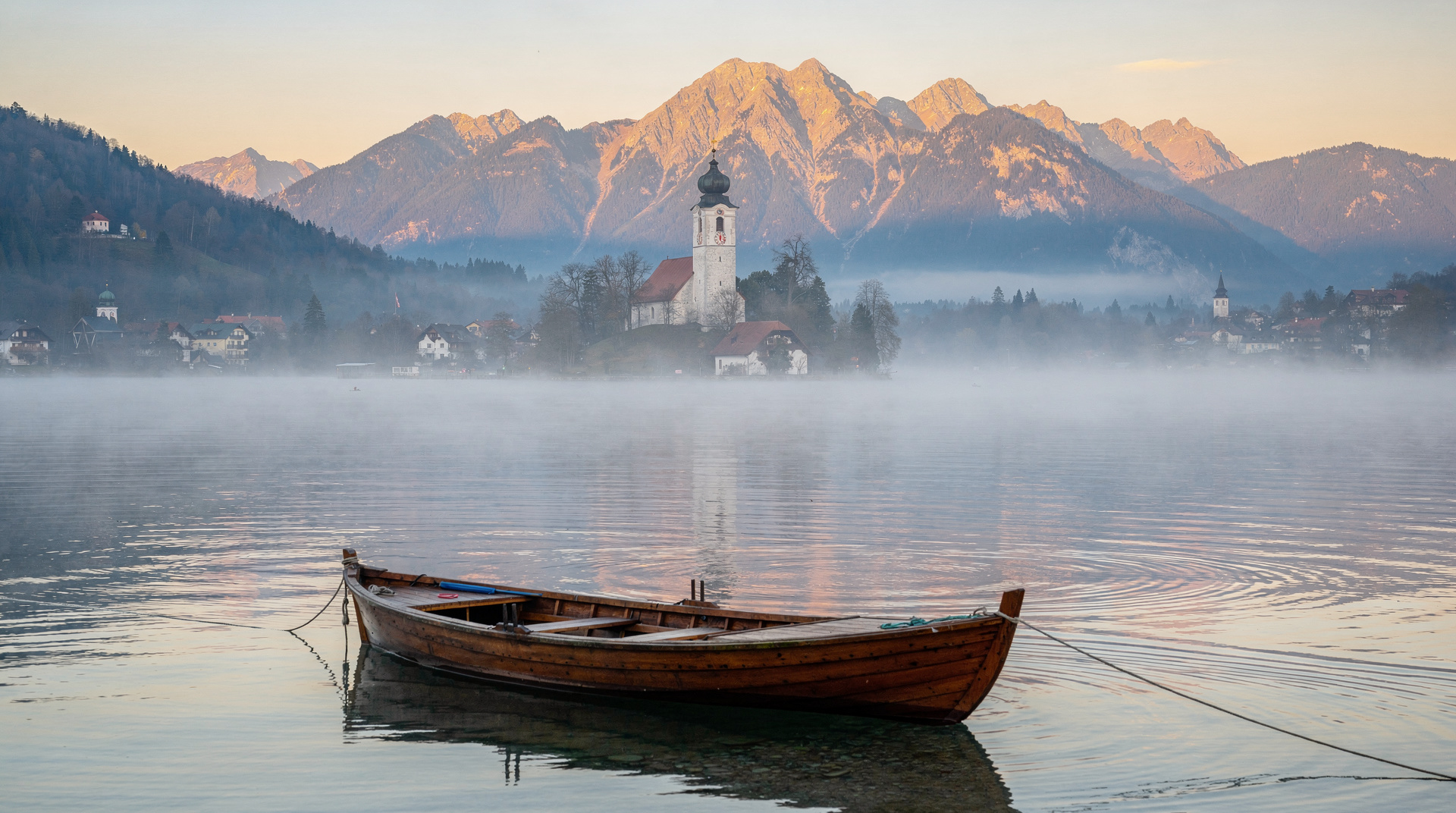
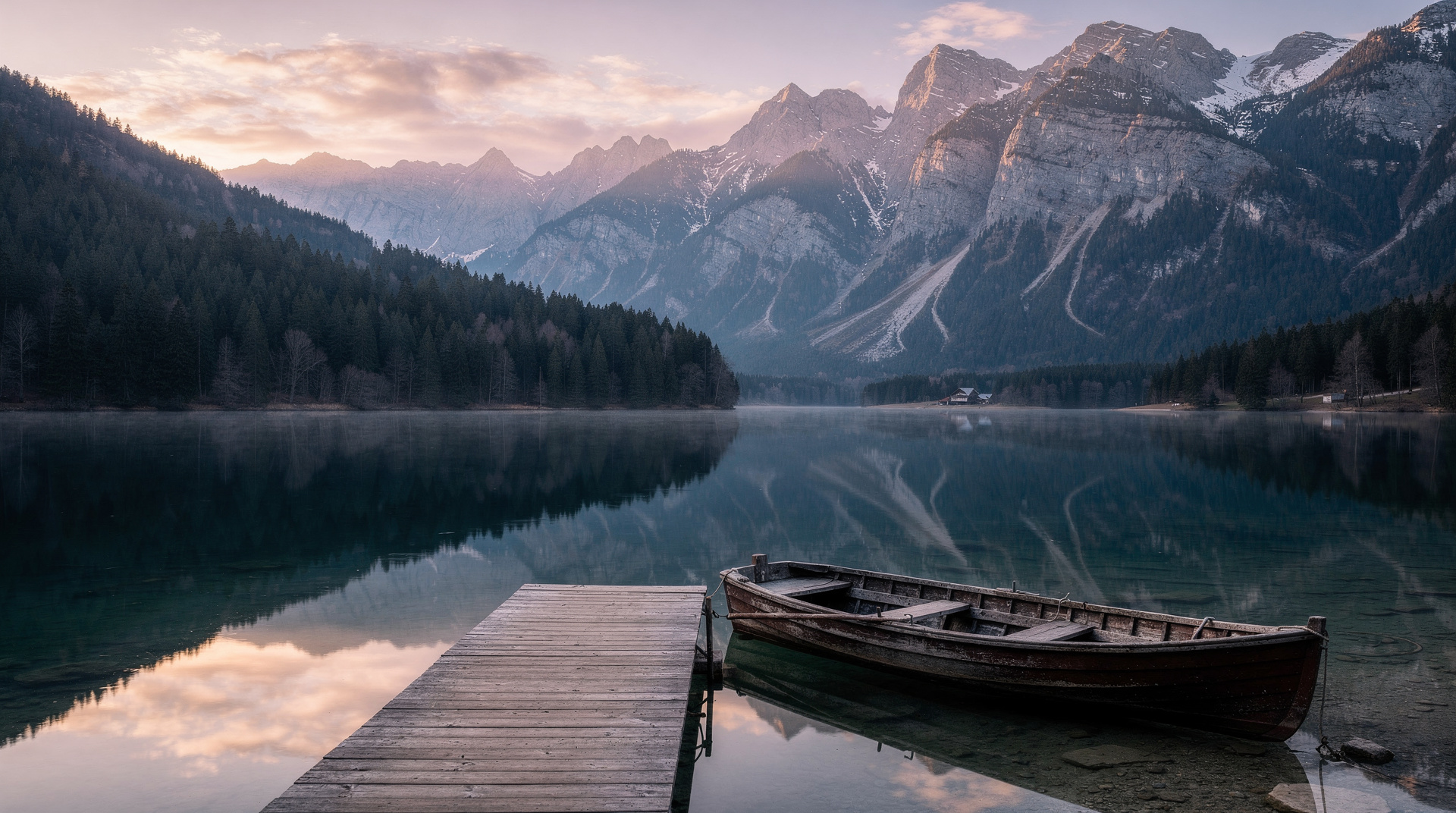
Combining the Savica hike with an overnight stay in the Bohinj valley gives access to early morning and evening light that the day-tripper simply cannot reach. The lake in the early morning — before 07:30, when mist still lies on the water and the surrounding peaks are catching the first sun — is one of the most beautiful sights in Slovenia.
Accommodation options in the Bohinj area:
Ribčev Laz (east shore): The main service hub with several hotels and apartments. The Hotel Jezero is the most prominent (EUR 120–180 per room, good restaurant, lake view). Multiple smaller pension and apartment options at EUR 60–100.
Stara Fužina (north-east): The most characterful village in the valley, with traditional architecture and several good family-run guesthouses. Less tourist infrastructure but more authentic character. EUR 50–90 per room.
Ukanc (west end, near Savica): The quietest end of the valley, with camping, a small hotel and self-catering options. Camp Zlatorog (EUR 25–35 per pitch) has direct lake access and is the best camping option.
Staying in Bohinj (rather than Bled, 30 minutes away) means you can be at the Savica car park at 08:00 before the day visitors arrive, and back for a swim in the lake by 10:30. This is the best use of the Savica hike.
The Bohinj cable car: Vogel viewpoint
From the western end of the lake (near Ukanc, very close to the Savica car park), a cable car runs to the Vogel ski area at 1,535 m. Outside maintenance closures, the cable car works as a scenic lift in summer — the ascent takes 8 minutes and deposits you above the treeline with 360-degree views of the Bohinj basin, Lake Bohinj directly below, and the Julian Alps peaks spreading out in every direction.
From the Vogel station, the marked path continues to the Mišelj Vrh ridge (1,858 m, 45 min return from the cable car station) for even broader views. This combination — Savica waterfall in the morning, cable car to Vogel in the afternoon — makes a full and excellent day in the Bohinj valley.
Cable car: EUR 32–35 return for adults depending on the season. It is closed for maintenance until 1 December 2026; check the Vogel website for the reopening date.
Day hike to the 7 Lakes Valley
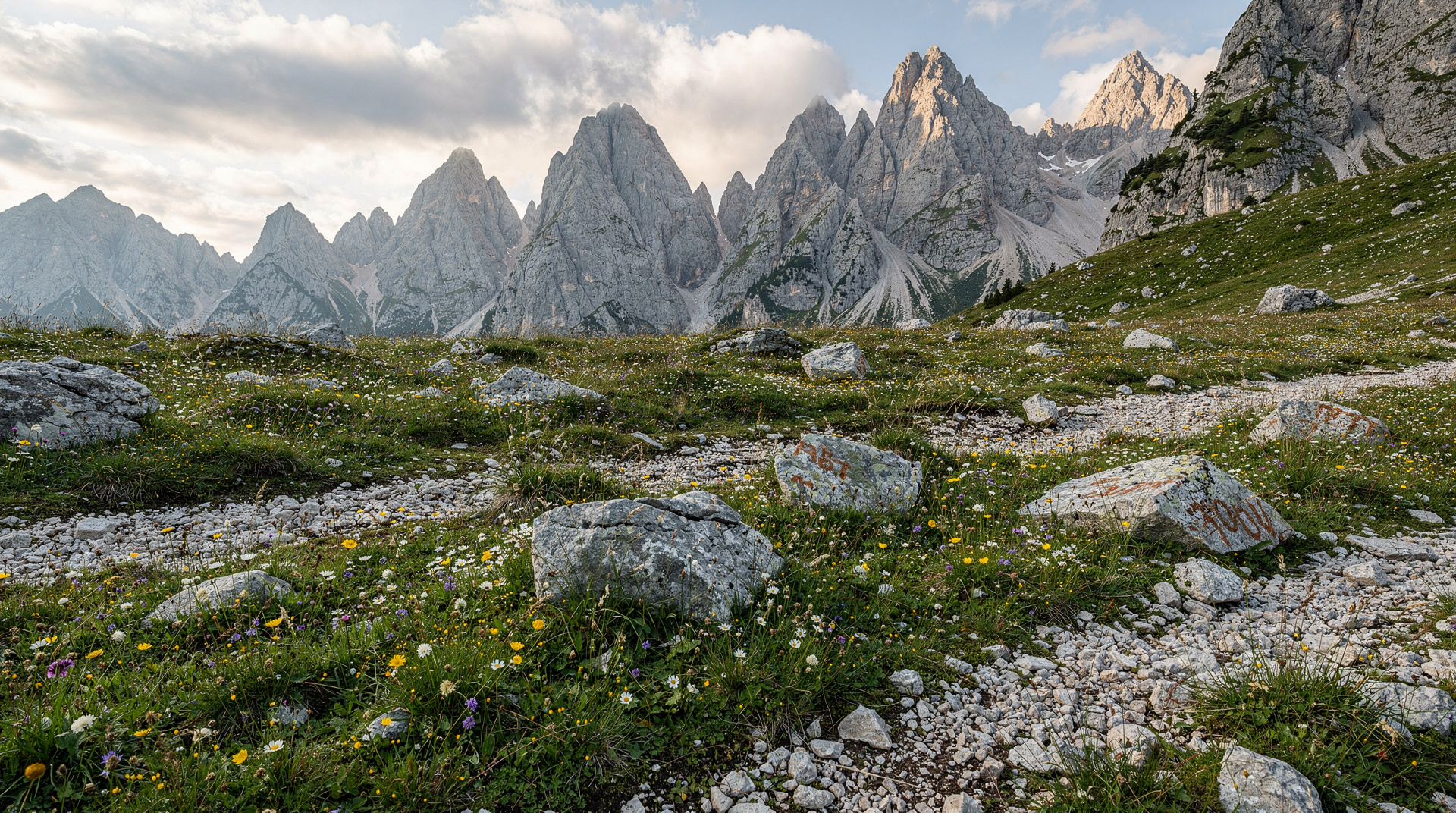
The 7 Lakes Valley (Dolina Triglavskih jezer) is one of the great alpine hikes in Triglav National Park, and it starts from the Savica area. The route ascends from Savica through the Komarča cliff face via a steep via ferrata section to reach the plateau at 1,700 m, then continues along the valley with its series of small glacial lakes to the Triglav Lakes Hut (Koča pri Triglavskih jezerih).
This is a full-day hike — 8–10 hours return — for fit hikers with experience on mountain terrain. The via ferrata section requires both hands on the fixed cables. The rewards are exceptional: the valley is one of the most beautiful high-alpine landscapes in the Eastern Alps, with the pale limestone plateaus and the dark blue lakes giving it an otherworldly quality.
Guided hike to the 7 Lakes Valley in Triglav National ParkGuided options are available for this hike, which removes the route-finding element and adds botanical and geological commentary. Strongly recommended for first-timers on Slovenian alpine terrain.
Fly fishing at the Savica outflow
The Savica River, from where it emerges at the waterfall base to where it flows into the western end of the lake, is a short stretch of fast, cold water with excellent populations of marble trout — one of the most beautiful and sought-after freshwater fish in Europe. Fishing the Savica outflow requires a permit (available through the local fishing association or licensed guide) and fly fishing technique. The transparency of the water means you can sight-fish to individual fish — one of the most technically satisfying forms of fly fishing.
The season runs from April to October. A day permit plus guide costs approximately EUR 100–150. The marble trout population is strictly regulated; catch-and-release is mandatory for most catches.
Guided fly fishing on the Soča and Bohinj riversFrequently asked questions about Savica Waterfall
Is Savica Waterfall worth visiting?
Yes — it is one of the most rewarding short hikes in Slovenia. The fall itself is dramatic: the Savica River emerges from a cave opening and drops 78 metres in a fan shape into a deep green pool in a narrow gorge. The hike through beech and spruce forest builds anticipation perfectly. In spring or after rain, the volume of water is particularly impressive. Most visitors to Lake Bohinj include Savica on the same day.Can you swim at Savica Waterfall?
Swimming in the pool at the base of the main fall is not permitted. However, the Savica River downstream from the car park has several clear pools and shallow sections that locals use for swimming in summer. The Bohinj lakeshores are the better swimming destination — the lake water reaches 22–24°C in July–August, much warmer than the fast-flowing river.What is the best time of year to visit Savica Waterfall?
May and June are the best months: snowmelt from the Julian Alps maximises the water volume and the surrounding beech forest is brilliant spring green. October is excellent for autumn colours — the beech canopy turns gold around the gorge. The waterfall is open year-round; in winter the access road may be closed or icy, and the viewing platform can be slippery.Is the Savica hike suitable for children and older walkers?
The path is well maintained and signed, but involves a section of steep stone steps that may be challenging for very young children or those with limited mobility. Most reasonably fit adults and children aged 6 and above manage it comfortably. Bring walking poles if you have them — the steps on the descent can be slippery when wet. Allow extra time with young children.How do you combine Savica with Lake Bohinj?
The classic combination: arrive at Lake Bohinj in the morning, walk or drive along the south shore to the western end (Ukanc), hike to Savica, return for lunch at one of the lake restaurants, then swim from one of the lake beaches in the afternoon. The full day is well balanced and enormously rewarding. The Savica hike takes about 1.5 hours return; everything else is around the lake.
Top experiences
Bookable activities with verified prices and instant confirmation on GetYourGuide.