Ljubljana long weekend 4-day itinerary
Ljubljana: historic old town private walking tour
Ljubljana as a destination, not just a stopover
Ljubljana is systematically underrated as a European city-break destination. It has a medieval old town, a riverside café culture, a coherent architectural vision (courtesy of Jože Plečnik), a food market that would make any city proud, and an improbable amount of greenery for a capital. It also has international flight connections, a €4 airport shuttle and hotel prices that are 30–40% lower than Vienna or Prague.
Four days gives you time to explore Ljubljana properly and add a day trip to Lake Bled — the Alpine lake 55 km north that has become one of Europe’s most recognisable images. The entire trip works without a car: Ljubljana’s old town is almost entirely pedestrianised, the bus to Bled runs hourly from the central station, and almost everything worth doing in the city is reachable on foot or by the city’s free electric shuttle.
Ljubljana’s history rewards a little background reading before you arrive. The city was the Roman Emona in the 1st century AD — not a major provincial capital but a prosperous trading town on the amber route between the Adriatic and the Danube. The Roman grid is still faintly visible in the street layout of the modern city. After the Romans, the city passed through Lombard, Frankish and Habsburg hands before becoming the capital of the Duchy of Carniola and, later, the Yugoslav province of Slovenia.
The 1895 earthquake that destroyed much of the old town gave the Viennese-influenced authorities an excuse to rebuild in Art Nouveau style — the Dragon Bridge, the Grand Hotel Union and many of the civic buildings date from this post-earthquake rebuilding. Then came Plečnik, who from the 1920s through the 1950s treated Ljubljana as his personal urban design laboratory, installing new bridges, markets, parks, a cemetery, a library and dozens of smaller interventions that gave the city its current visual identity.
The best way to understand Ljubljana is through these layers: Roman, medieval, Art Nouveau, Plečnik, Yugoslav modernist, and post-independence contemporary. Each layer is visible in the streets, and once you know what to look for, a walk across the old town becomes a 2,000-year conversation.
| Where | Ljubljana, with a day trip to Lake Bled |
| Car needed | No — walkable city plus an hourly bus to Bled |
| Best time | May, June, September, October |
| City card | Ljubljana City Card, €38/72 hours, worth it if visiting several museums |
| Biggest cost | The Ljubljana food tour, around €65/person |
Day-by-day snapshot
| Day | Focus |
|---|---|
| 1 | Arrival, old town, castle sunset |
| 2 | Food tour, National Museum, Metelkova, river cruise |
| 3 | Lake Bled day trip |
| 4 | Trnovo, market, departure |
If four days feels too city-heavy, the Ljubljana and Lake Bled 3-day itinerary trims this down to the essentials; to go deeper into the karst instead of a fourth city day, see the Ljubljana and caves 4-day itinerary.
Day 1 — Arrive and explore the old town
Arrive via Ljubljana Airport and take the Goopti/Markun shuttle (€4, 50 minutes) to the central bus station or a stop in the city centre. Most hotels in the old town have luggage storage even before check-in.
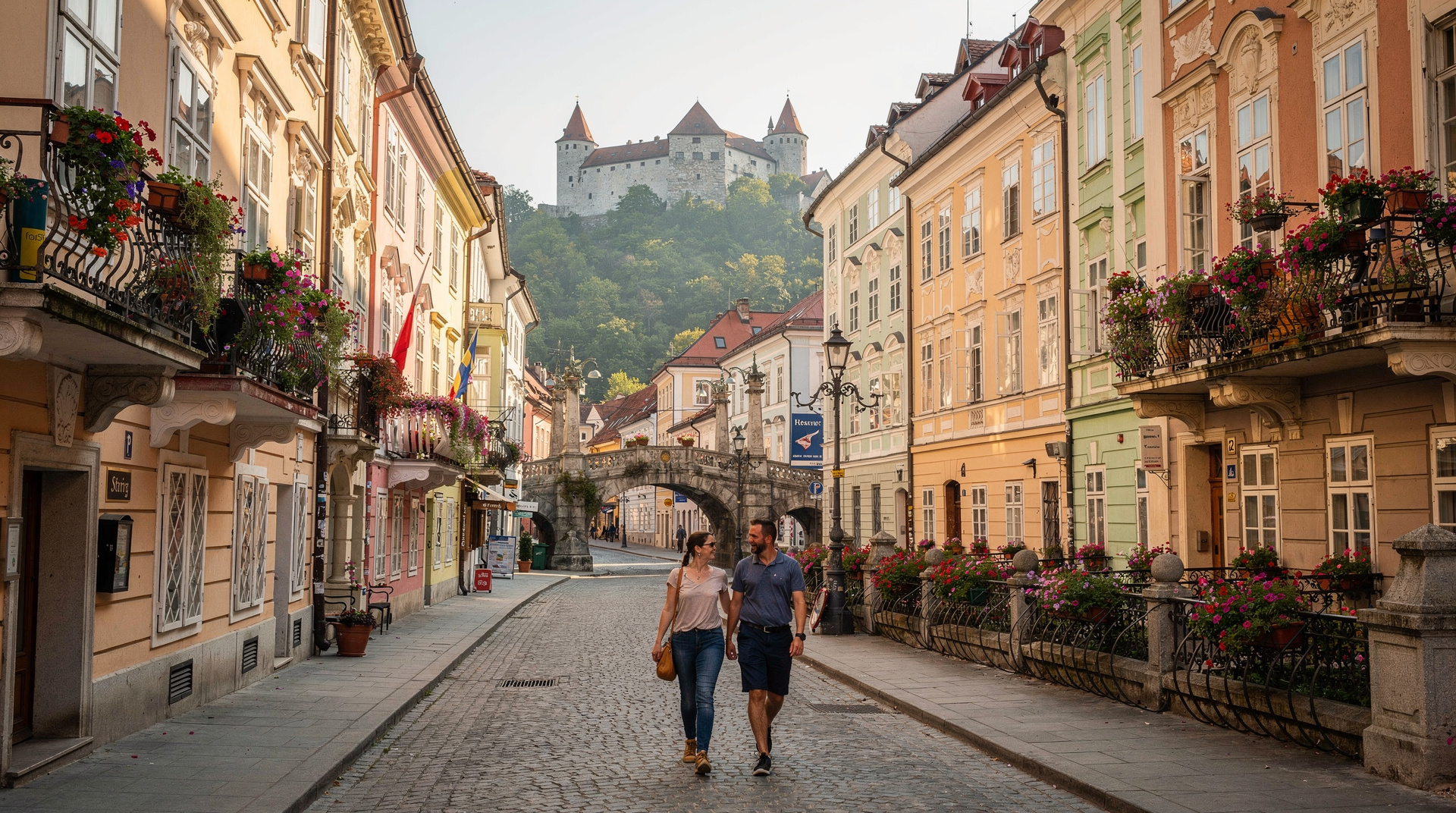
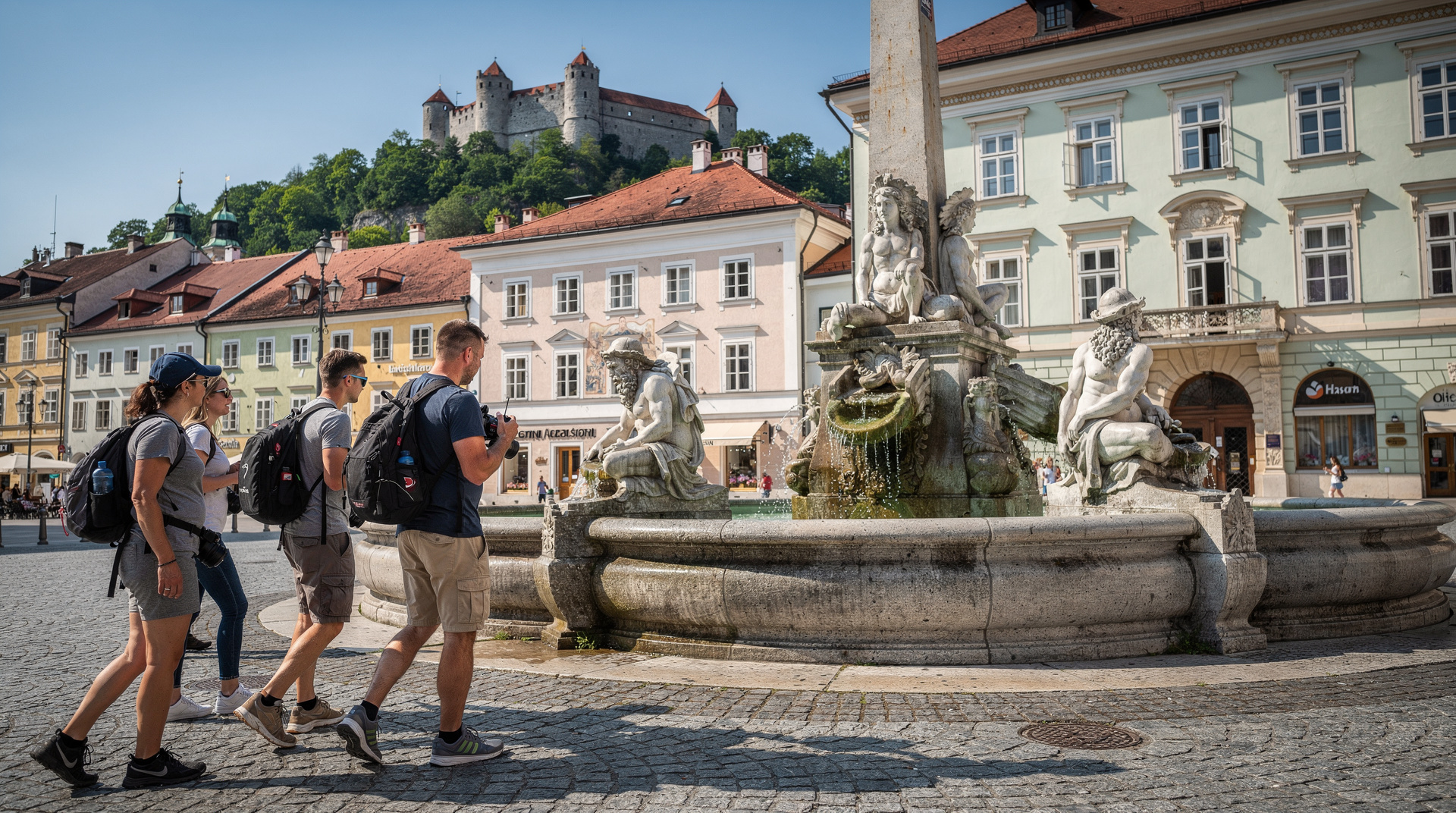
Ljubljana’s old town is compact — the core of medieval streets between the Dragon Bridge and the Triple Bridge takes about 20 minutes to cross on foot. Spend the first afternoon simply walking: the Robba Fountain on Town Square, the Cathedral of St Nicholas (free entry, extraordinary ceiling frescoes), the narrow Stari trg (Old Square) with its covered arcades.
Climb to Ljubljana Castle for the sunset view. The funicular costs €6 return; the footpath through the castle district is free and takes 15 minutes. The castle museum is optional at €17.10 online (€19 at the desk), but the panoramic tower costs nothing extra and gives a 360-degree view over the city, the Ljubljana Marshes to the south and the Julian Alps to the north.
Dinner in the city rather than the tourist-strip restaurants: Gostilna pri Škofu (10 minutes’ walk from the old town) serves honest Slovenian cooking at €15–20 for a main, frequented by locals. Alternatively, the Odprta kuhna (Open Kitchen) market runs every Friday March–October at BTC City — 50+ vendors, street food from across Slovenia.
Day 2 — Ljubljana in depth: food, culture and river
This is the day to go deeper into the city. Start at the riverside market at 8:30 — the open-air stalls run Monday–Saturday along the Ljubljanica and the covered hall at Adamič-Lundrovo nabrežje sells local honey, cheese, seasonal vegetables and prepared food. Buy breakfast supplies and eat at the river wall.
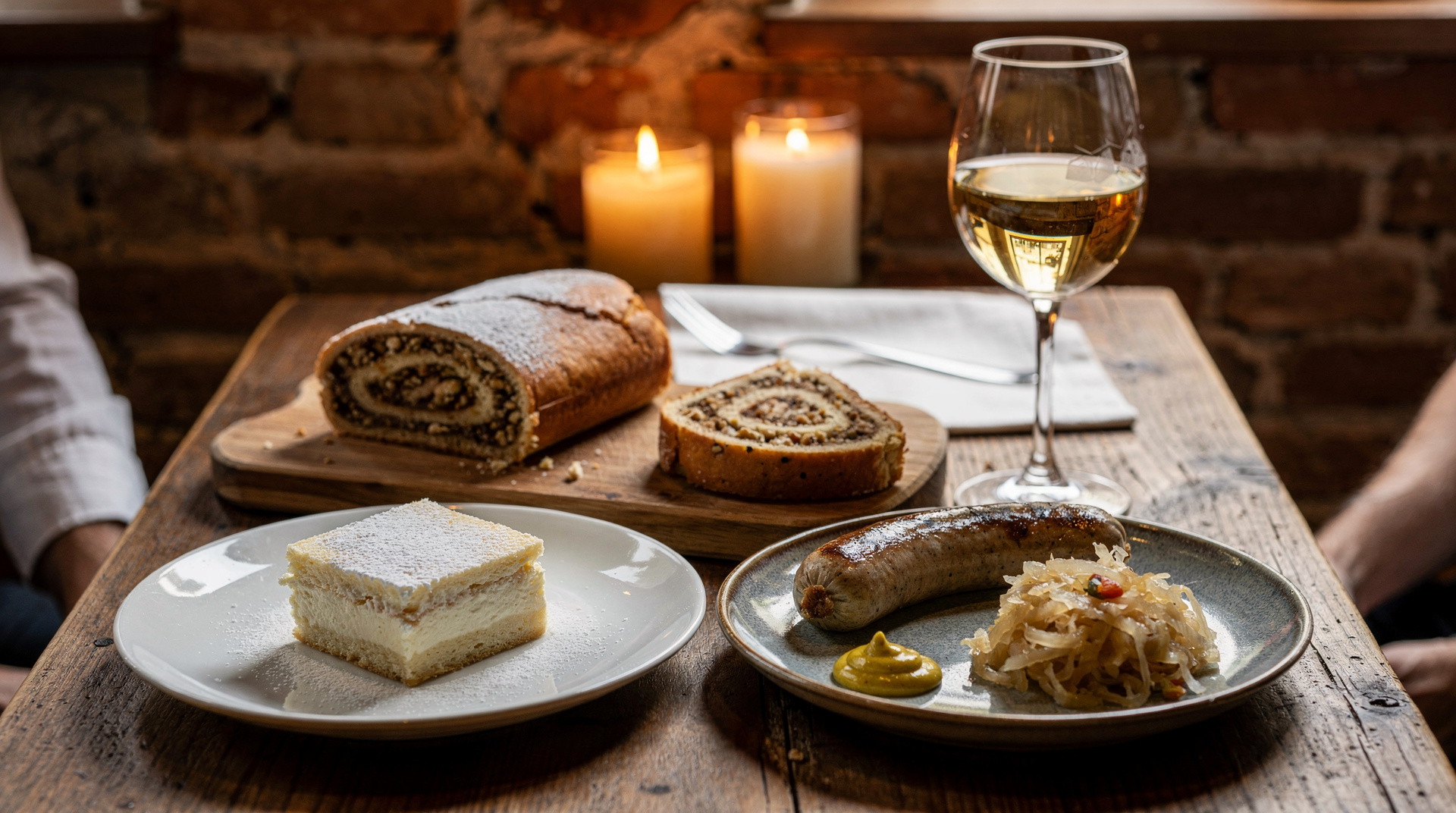
The Ljubljana food tour with 10 authentic local tastings runs 3 hours through the market and old-town delis — local honey varietals, aged cheese, charcuterie, natural wines, štruklji dumplings and kremna rezina. It functions as a cultural introduction as much as a meal. Starts around 10:00, ends with a satisfying lunch equivalent by 13:00.
After the food tour: the National Museum of Slovenia (Muzejska ulica, €8, closed Mondays) has the famous Vače situla — a decorated 6th-century BC bronze bucket that is essentially the emblem of prehistoric Slovenia — and a good Roman section covering the city’s origins as Emona.
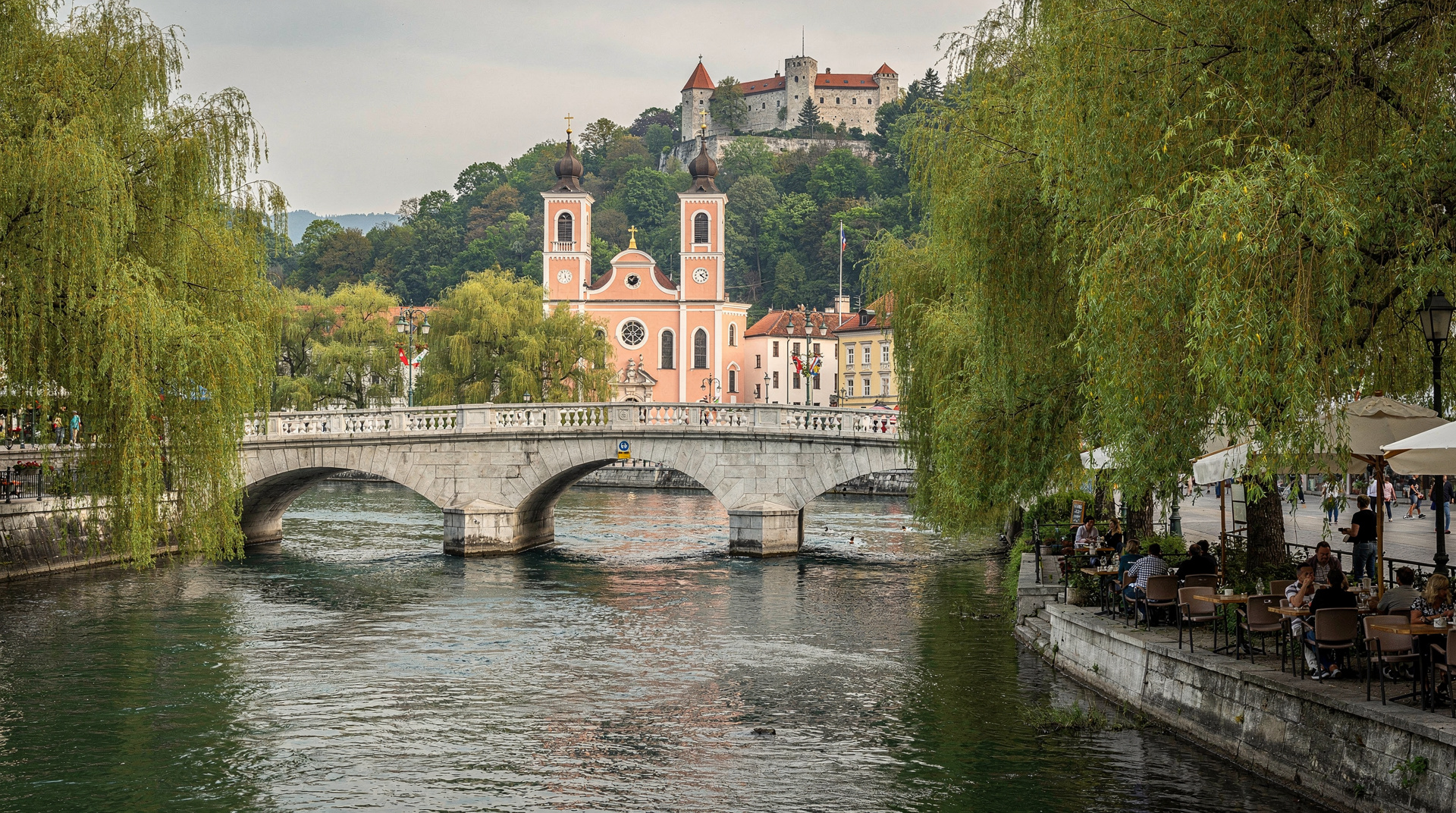
Afternoon: the Metelkova arts complex (a converted Yugoslav army barracks turned alternative cultural centre, graffiti everywhere, entry free in the day) and the Museum of Contemporary Art Metelkova (€4). Return to the river for the evening passeggiata — the Ljubljanica banks between the Triple Bridge and the Dragon Bridge have the best café terraces in the city.
A sights of Ljubljana boat cruise on the Ljubljanica River (45–60 minutes) gives a completely different perspective on Plečnik’s bridges and the old-town embankments — the boats are open-topped and well-narrated.
Day 3 — Lake Bled day trip
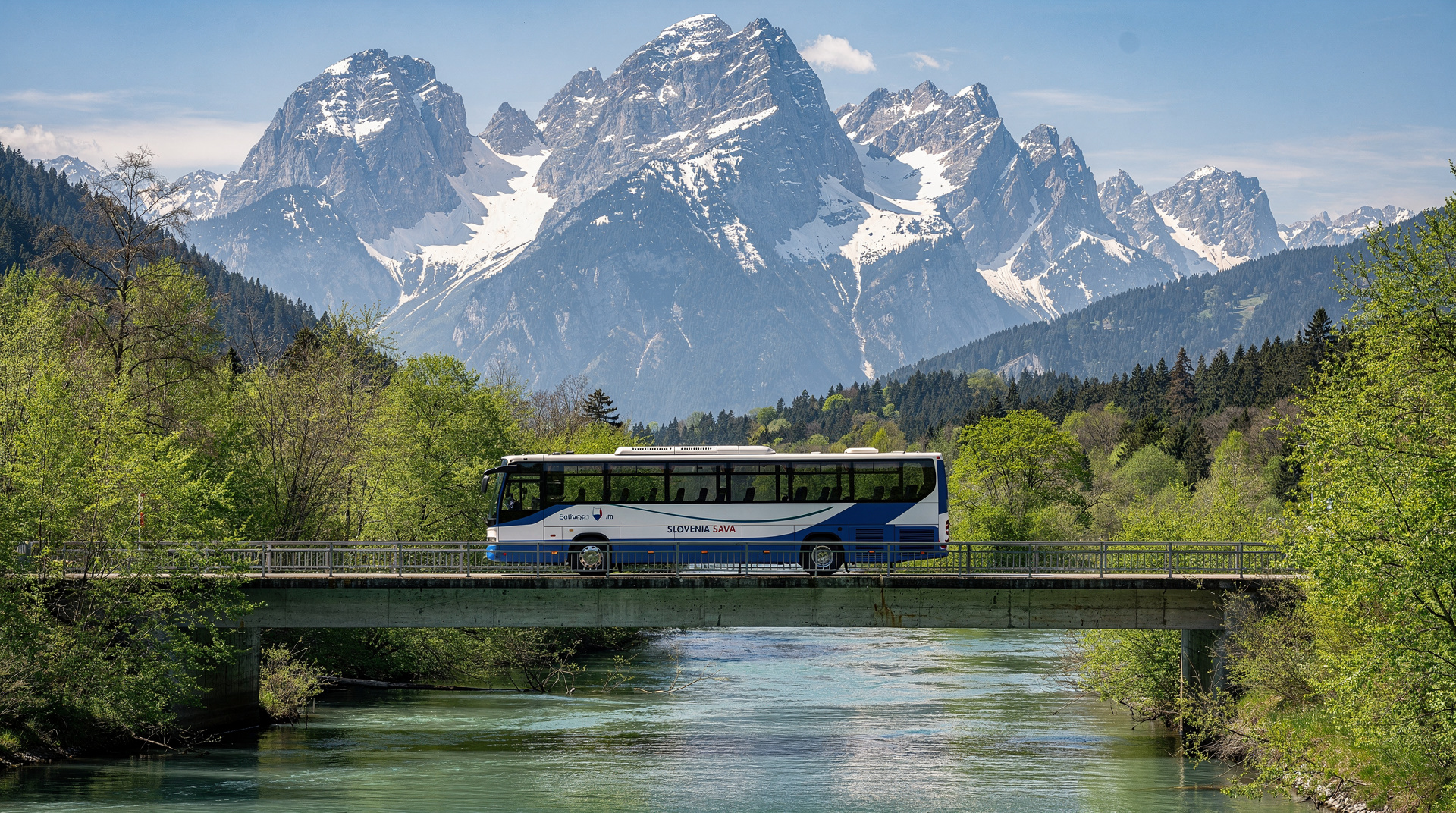
Take the 8:00 or 8:30 Arriva bus from Ljubljana’s central station to Bled (€7.60, 1 h 15 min). This is the defining excursion from Ljubljana — Lake Bled is 55 km north and the bus runs approximately every hour.
The Lake Bled day tour from Ljubljana is the easiest way to visit — transport, guide and pletna boat included, departing from Ljubljana in the morning and returning in the evening. The guide’s local knowledge of the island, castle and surrounding area is worth having on a single-day visit when time is limited.
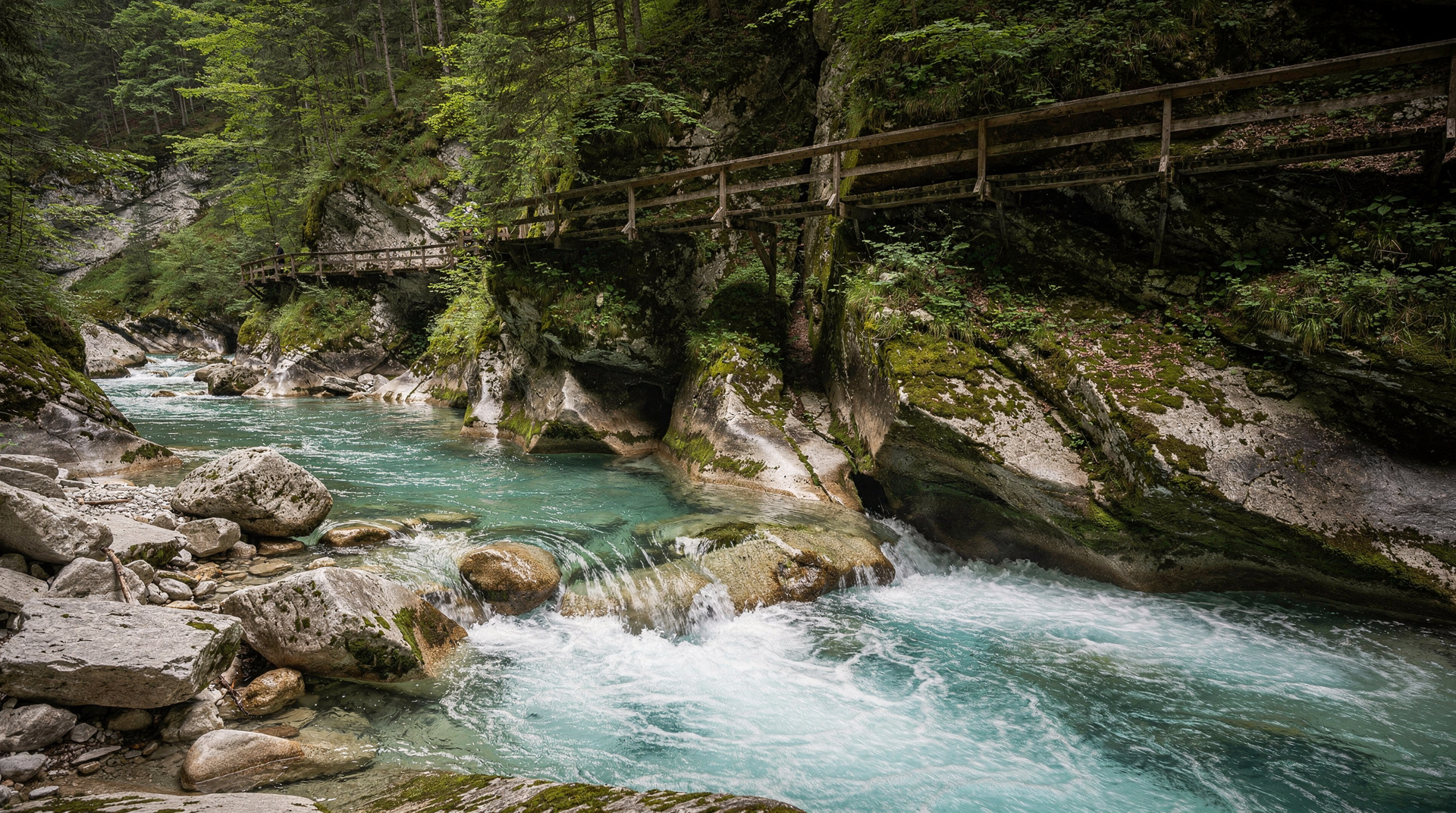
If going independently by bus: walk the 6 km lake circuit first (arrive before 9:30 for the best experience), then take the pletna boat to the island, then visit Vintgar Gorge (4 km from the village, €15 entry, free shuttle bus from Bled centre in season). Lunch at a gostilna in the Bled village rather than the overpriced lakefront restaurants.
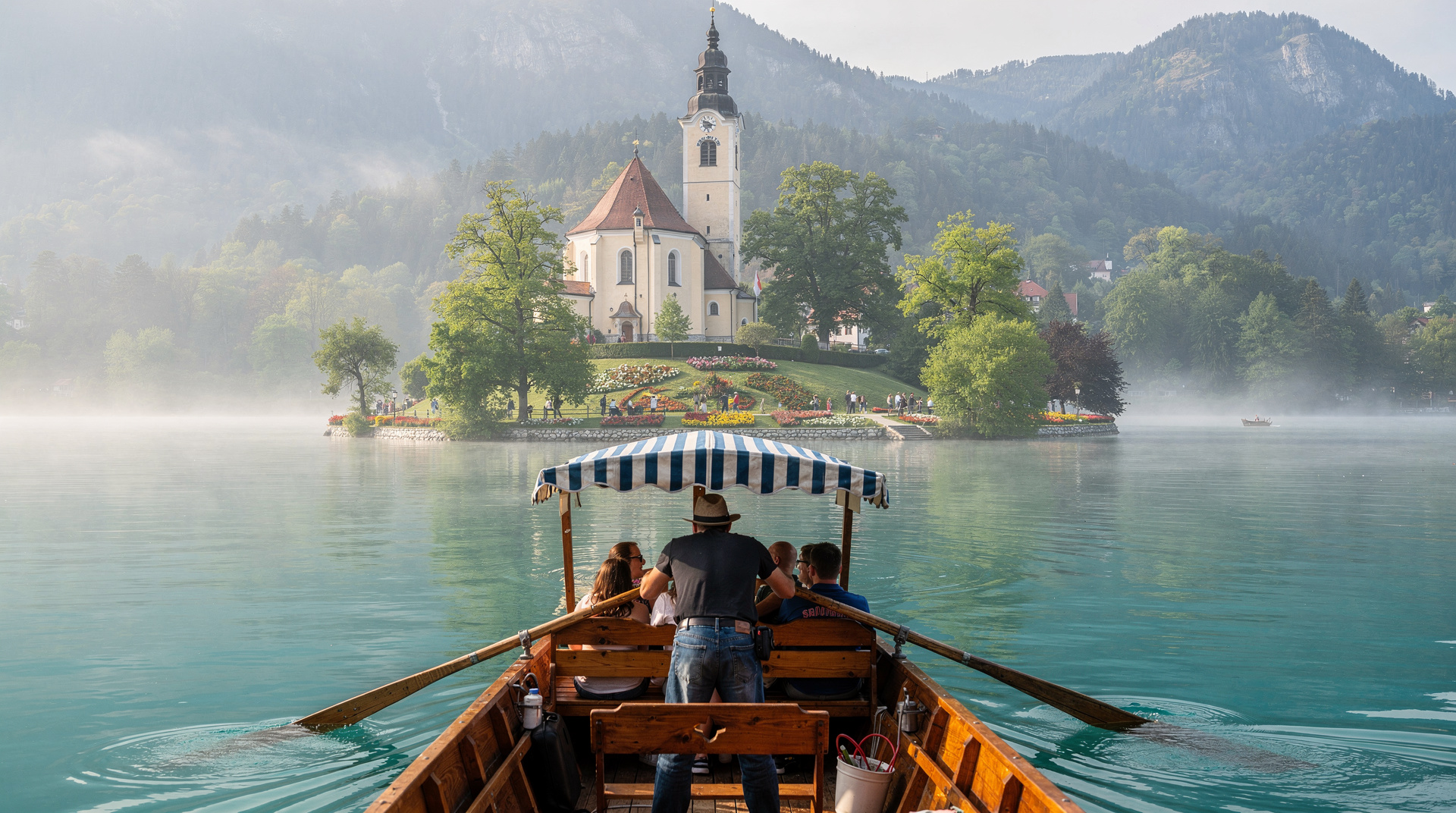
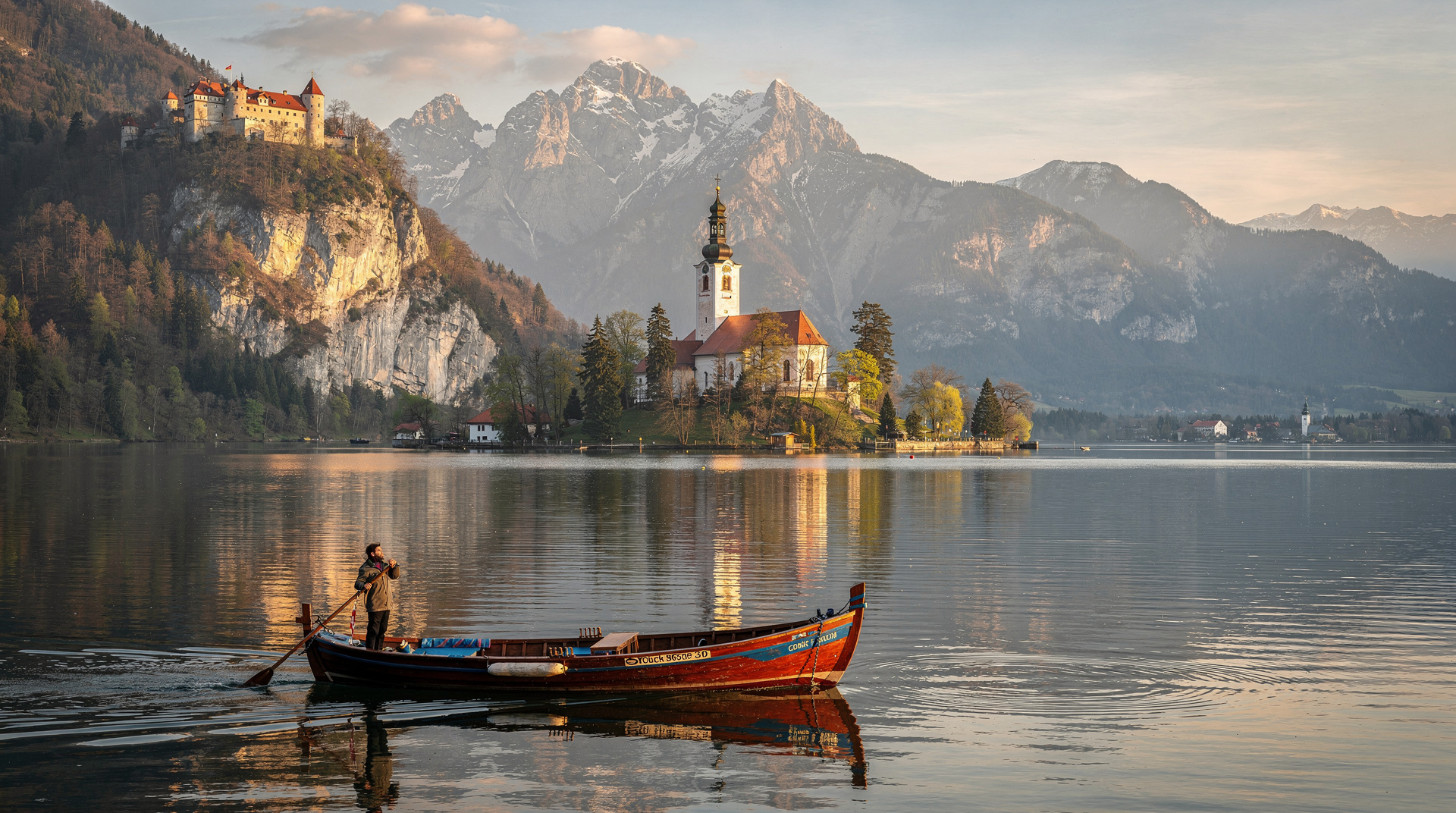
The pletna boat to Bled Island with a guide and cream cake is the most characteristically Slovenian tourist experience — boat ride, 99 stone steps, bell-ringing, cream cake at the landing.
Return to Ljubljana by bus (last service around 19:00–20:00, check Arriva website). Dinner back in Ljubljana — Restavracija 2053 near the old town or a pizza at Foculus (cash only, best pizza in the city according to regulars).
Day 4 — Final morning: Trnovo, market, airport
Use the final morning for the parts of Ljubljana that most day-trippers miss. The Trnovo district south of the old town is student territory: Plečnik’s Trnovo Bridge over the Gradaščica Canal, the willow-lined towpath, the Sunday market at Gallusovo nabrežje (if it is Sunday), and the coffee shops of Ilirija Street.
Kavarna Rog (on Cankarjevo nabrežje) is the best coffee in Ljubljana according to a significant proportion of the city’s residents — order a flat white and sit on the river terrace.
If there is time before your flight: the BTC City park (a green area behind the shopping mall) has a free outdoor swimming complex open in summer, or walk back through the old town one final time and buy honey, wine or Slovenian chocolate at the market stalls.
The airport shuttle leaves from the central bus station every 60 minutes (€4, buy from the driver or online); journey to the terminal takes 50–55 minutes. Allow at least 1.5 hours before your departure.
What Ljubljana does that larger capitals do not
The thing that regular Ljubljana visitors mention most consistently is the atmosphere: the city is large enough to have a proper arts and restaurant scene (three Michelin-starred restaurants within easy reach, a symphony orchestra, two major museums, an internationally respected contemporary gallery) but small enough that the entire old town is walkable in 20 minutes. There is no metro to navigate, no frustrating cab queues, no sense of having to earn your experience through logistics. You just walk out of your hotel and the city is immediately in front of you.
The Ljubljanica river is the city’s defining feature and the main reason the café culture is so well developed. Plečnik’s embankments (designed in the 1930s) created a continuous riverside promenade connecting the Triple Bridge with the Dragon Bridge and beyond — the city’s living room, as Ljubljančani describe it. In summer the terraces along Cankarjevo nabrežje and the south bank are packed from 11:00 to midnight. The coffee is excellent (Italian-influenced espresso culture) and the wine is increasingly interesting as Slovenian producers gain international recognition.
Practical notes
Getting there: Ljubljana Airport (LJU) is 27 km from the city. The Goopti/Markun shuttle (€4, 50 minutes) to the central bus station or multiple city-centre stops. Private transfer €35–45. Ryanair, easyJet, Wizz Air and several national carriers serve the airport from London, Amsterdam, Frankfurt, Vienna, Paris, Rome and other European hubs.
Getting to Bled: Arriva bus from Ljubljana central station, every 60–90 minutes, €7.60 each way, 1 h 15 min. No booking required outside peak summer. The bus station is the same building as the train station on Trg Osvobodilne fronte, a 15-minute walk from the old town.
Where to stay: For a city-break feel, the area near Prešeren Square is best — everything is walkable. Hotel Cubo (from €130, stylish, excellent breakfast), Hostel Celica (from €30 dorms, €80 private, the converted Austro-Hungarian military prison in Metelkova is one of Europe’s most interesting hostels), Vander Urbani Resort (from €120, directly on the Ljubljanica with the best riverside location in the city).
Getting around: The old town is small enough to walk entirely. The free Kavalir electric shuttle runs through the pedestrian zones. Bicikelj public bikes (€1/hour, 36 stations) cover the wider city efficiently.
What to skip: The Ljubljana Castle interior (€17.10 online; the terrace and the walk up are free and more rewarding). The tourist-trap restaurants directly on the Triple Bridge (they charge 20–30% more for the same quality — move two streets back). The hop-on hop-off tourist bus (Ljubljana is walkable in 25 minutes and the bus covers no ground you cannot cover on foot in better style).
City card: The Ljubljana City Card (€38 for 72 hours) covers museum entries, the funicular, the tourist boat and some other attractions. Worth buying if you plan to visit the National Museum, the funicular, the boat cruise and the Modern Gallery in the same weekend — the maths works out in your favour.
Best months: May, June, September and October offer the most balanced combination of weather, daylight and manageable crowds. The Ljubljana Festival (classical and contemporary arts, July–August) means higher hotel prices and a good cultural programme. Winter (December–January) is atmospheric with the light installations and Christmas market, and hotel prices drop 20–30%.
Neighbouring connections: Ljubljana is a natural hub for onward travel. Zagreb is 2 hours by bus; Venice is 3.5 hours; Vienna is 5.5 hours. The city’s size and transport connections make it an ideal first or last stop on a longer trip through Central Europe or the western Balkans. The Soča Valley is reachable on a day trip from Ljubljana if you have a car, and Postojna Cave is just 52 km south on the motorway — making Ljubljana a surprisingly good base for the whole country.
Ljubljana beyond the postcards
Every city has a tourist face and a local face. Ljubljana’s tourist face — the Triple Bridge, the castle, the riverside cafés — is genuinely attractive and worth seeing. But the city’s local face is more interesting and is mostly within walking distance.
The Bežigrad neighbourhood north of the train station is where Ljubljana’s football culture lives (Stožice stadium) and where the local market at Vilharjeva cesta is entirely unvisited by tourists. Šiška, west of the city centre, is the post-industrial neighbourhood with the best music venue in Slovenia (Kino Šiška, a converted cinema) and a Saturday morning farmers’ market. The Fužine district in the east — built as a Yugoslav housing project in the 1970s, now a multicultural neighbourhood — has some of the best Bosnian and Balkan food in the city.
The Kamnik–Savinja Alps, visible from Ljubljana on clear days, are 40 km north of the city and offer day hikes that put Ljubljana in genuine mountain context. The Velika Planina plateau (35 km from Ljubljana, accessible by cable car) is a UNESCO-recognized Alpine herdsmen’s settlement at 1,500 m — the wooden shepherd’s huts have been grazed in summer for centuries and the panorama over the Ljubljana Basin is extraordinary. Worth a day trip if the weather is clear and you have a car or join an organised tour.
Kamnik (25 km north of Ljubljana by bus, 30 minutes) is a beautifully preserved medieval town completely off the tourist circuit — the old town on a rock formation above the Kamnik Bistrica River, the Franciscan monastery, the Mali Grad chapel ruins and a good riverside café. Half a day, easy bus access, excellent contrast to the Ljubljana old town.
Škofja Loka (25 km northwest, bus or train) is Slovenia’s most complete medieval town — a walled core, a castle, and the sense of a place that has not changed much since the 16th century. The town celebrates a medieval passion play every 6 years (next in 2030, drawing 40,000+ visitors). Outside the play years it is a peaceful and rewarding half-day.
All of these are reachable from Ljubljana without a car, making the four-day city-break itinerary extensible in almost any direction.
Nightlife and the evenings this itinerary doesn’t script
The day-by-day plan above deliberately leaves evenings loose after dinner, and Ljubljana rewards that. Metelkova’s clubs run late (from around 23:00) and cover a range from techno to punk; Kino Šiška in the Šiška neighbourhood programmes live music and is a favourite with locals rather than tourists. Cankarjev dom, the main cultural centre near Trg republike, runs a full classical and contemporary programme year-round, with tickets often available on the door outside festival season. The Ljubljana nightlife guide has a fuller rundown by night of the week if a long weekend stretches into a proper city break.
Connectivity and money for the long weekend
Cards are accepted almost everywhere in central Ljubljana, including the Bicikelj bike docks and most gostilne; carry around €30–50 in cash for the Friday market stalls and the Odprta kuhna street-food market, where some smaller vendors still prefer it. EU roaming or a cheap local eSIM covers navigation and bus timetable checks without issue — Ljubljana’s centre has excellent 4G/5G coverage throughout the old town and out to Bled.
Pharmacies (lekarna) are plentiful in the centre and pharmacists generally speak good English; the tourist information office on Adamič-Lundrovo nabrežje, right by the market, is a reliable source for up-to-date bus timetables and event listings if a phone battery dies mid-trip.
Extending the weekend further
Travellers with an extra day or two beyond this four-day plan have several strong, still car-free options: Lake Bohinj as a second lake day (change buses at Bled), Postojna Cave and Škocjan Caves as organised day trips south of the city, or simply a fifth day exploring the neighbourhoods described above — Šiška, Bežigrad and Fužine — that most weekend visitors never reach. The things to do in Ljubljana guide has a fuller list if the extra time materialises.
Top experiences
Bookable activities with verified prices and instant confirmation on GetYourGuide.