Soča River Rafting from Bovec Review
Bovec: Soča River whitewater rafting
Soča River rafting: the honest review
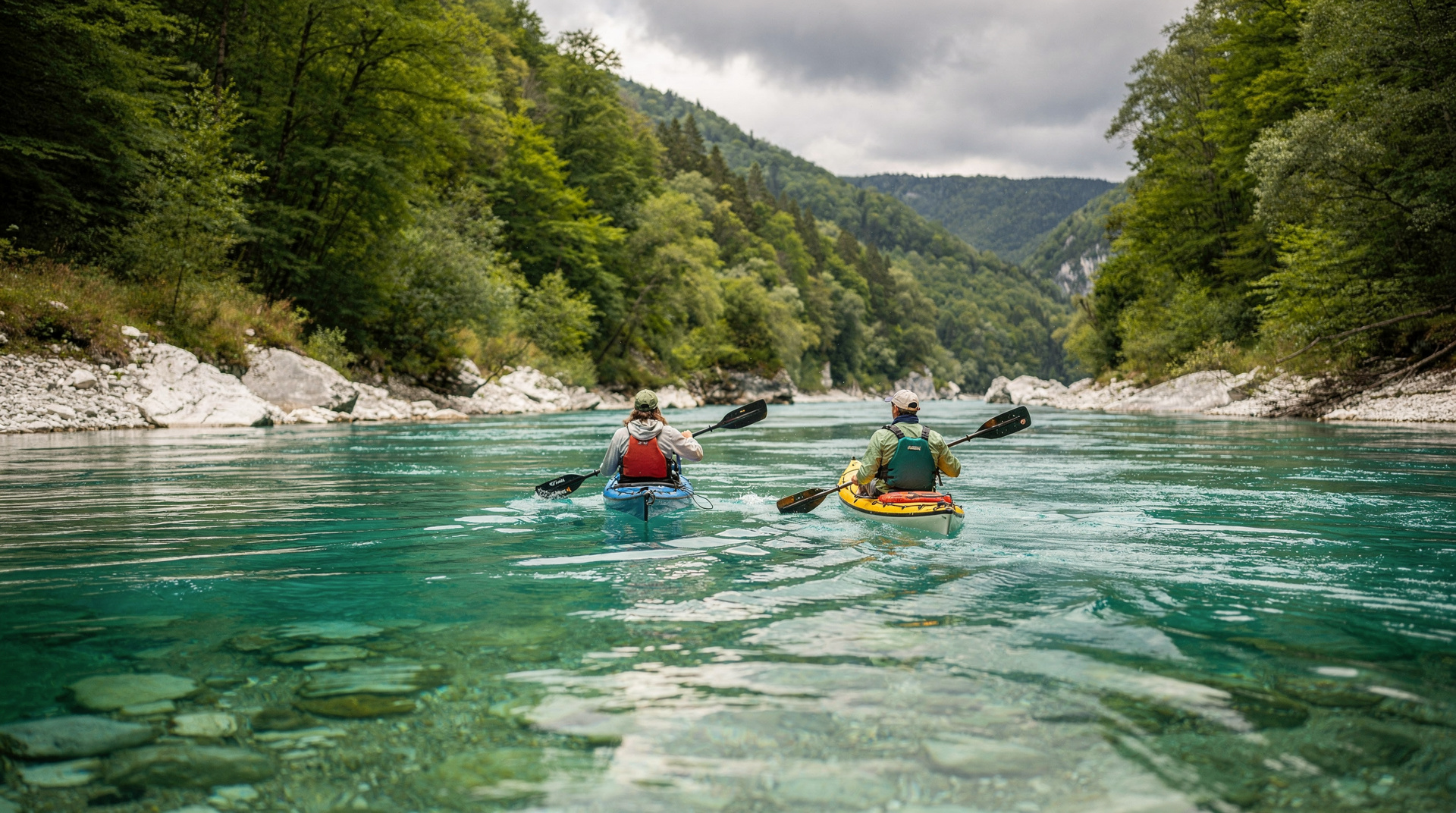
The Soča River is often called the most beautiful river in Europe, and the description holds up. The water runs an improbable shade of turquoise-emerald — a result of glacial mineral content that scatters light in ways that look digitally enhanced even in real life. Rafting through the Julian Alps on this river is one of Slovenia’s genuinely unmissable experiences.
This review covers the three main rafting formats offered from Bovec, gives you a clear picture of difficulty and safety, and helps you choose the right option for your group.
| Where | Soča River, Bovec, Julian Alps |
| Cost | Around €35–90/person depending on format |
| Time needed | 2–5 hours on the water |
| Getting there | Car or bus from Ljubljana/Bled (1.5–3.5 hours) |
| Best time | May–June for water level, July–Sept for warmth |
The Soča at a glance
The Soča River flows 136 km from its spring in Triglav National Park to the Adriatic coast in Italy, where it becomes the Isonzo. The Bovec section — roughly 8–10 km of the most popular rafting corridor — combines sections of calm water with Grade II–III rapids. There are no waterfalls or drops that require portaging. The valley walls are limestone, the riverbanks are emerald forest, and the light in the gorge sections is extraordinary.
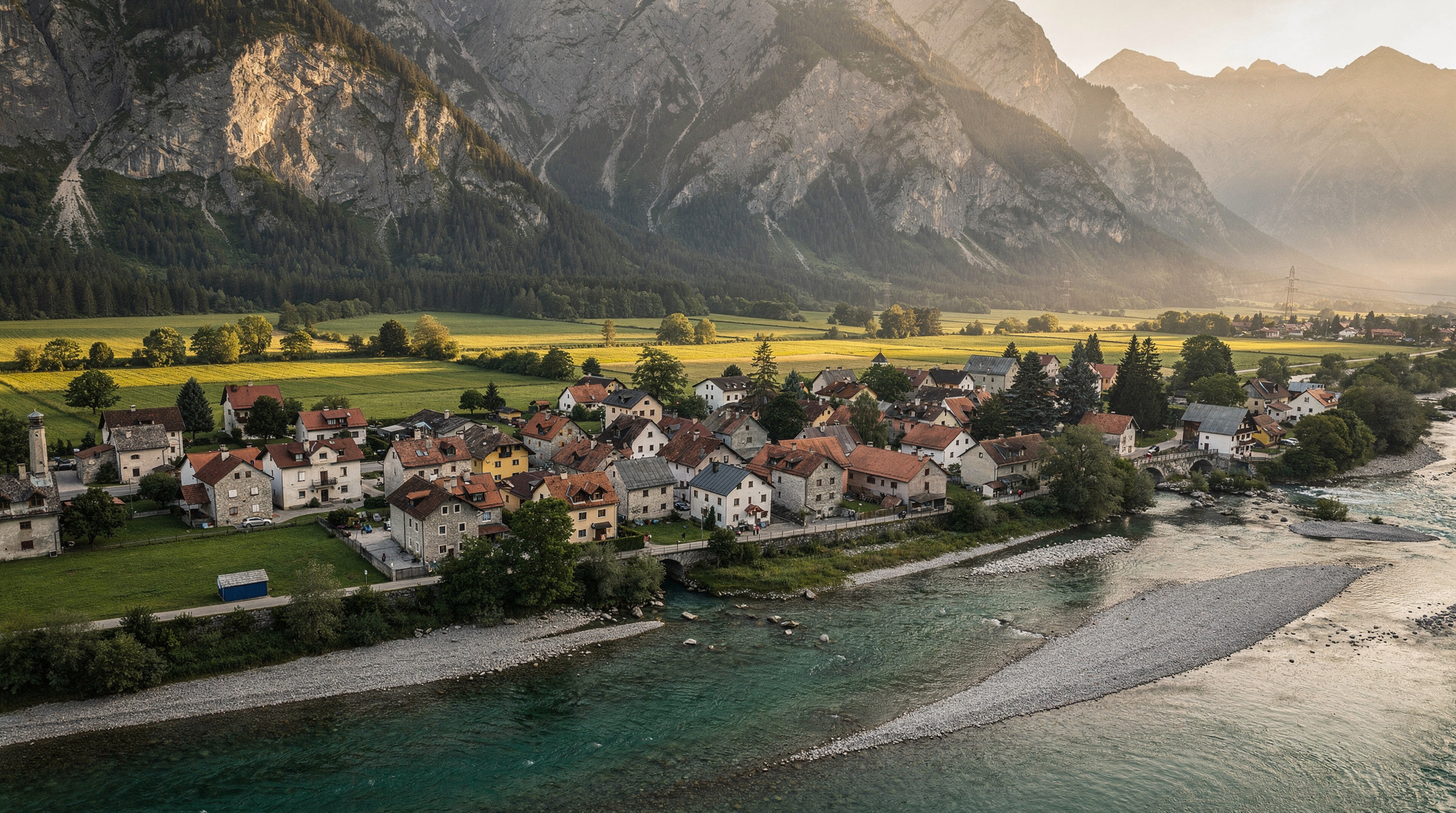
Bovec (population ~1,600) exists almost entirely as an adventure sports hub, which means infrastructure is excellent: dozens of operators, well-maintained equipment, and guides who have been running these rapids for 20+ years.
The standard whitewater rafting tour
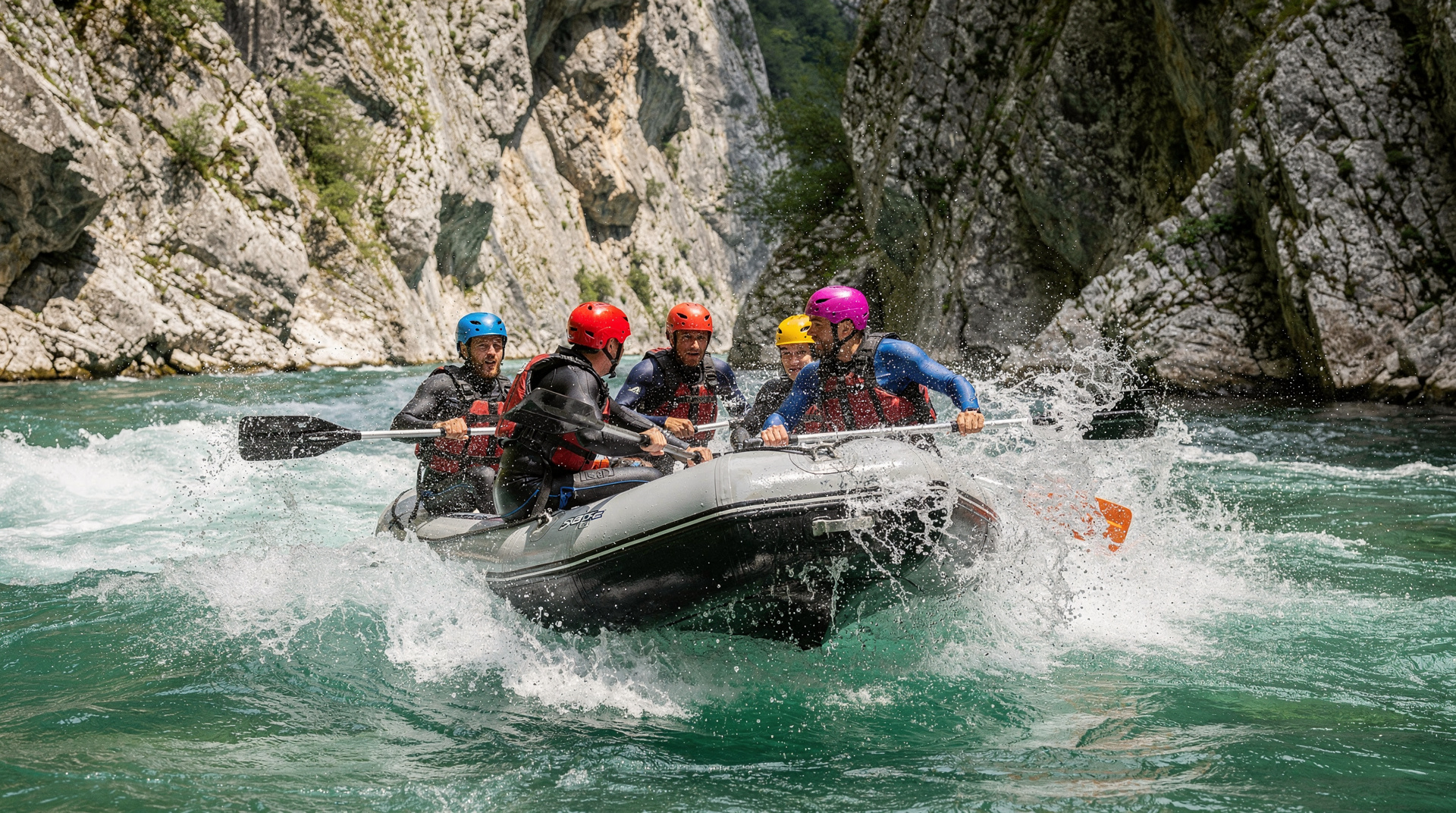
The flagship half-day tour runs approximately 2–3 hours on the water plus time for briefing, gear fitting, and debrief. Groups are typically 6–8 people per raft with one trained guide.
What’s included:
- Wetsuit, thermal underlayer, and spray jacket (essential — water is 8–12°C)
- Helmet and life jacket
- Paddle and safety briefing
- Guide throughout
- Transfer to and from the river put-in point
What’s not included:
- Transport to Bovec from other locations
- Photos and video (these are a paid add-on, typically €15–20 per raft, and worth it)
- Lunch or drinks
The briefing covers paddle commands, river safety positions, and what to do if you fall in. It typically takes 30–40 minutes and is conducted in multiple languages by most Bovec operators.
Premium rafting with photo service
The premium variant upgrades the experience in two ways: the raft follows a slightly longer and more technical section (adding Grade III+ moments), and a water photographer accompanies the group. The photographer swims or kayaks alongside, capturing action shots that you can download same-day.
This option costs approximately €55–75 per person and is the one worth choosing if you’re doing the trip once. The photos are genuinely good — action photography on whitewater is hard to replicate with a phone, and the in-water perspective of the rafting shots is something you cannot get yourself.
Book premium Soča rafting with photo serviceFull-day rafting with riverside picnic
The full-day format covers the entire standard section plus additional stretches, totalling 4–5 hours on the water with a riverside lunch break. Typical format: morning section, gravel-bank picnic (local bread, cheese, cured meats, wine or juice), afternoon section with more technical water.
At approximately €75–90 per person, this is the best-value option for anyone spending more than a day in Bovec. It also works for groups who want to make the trip the centrepiece of their day rather than squeezing it around other activities.
Note: the full-day option requires reasonable fitness. You are paddling actively for 4+ hours with breaks. Most healthy adults manage it easily; the guides pace the group to accommodate mixed fitness levels.
Difficulty and who this suits
Grade II–III (standard tour): Suitable for beginners, families with children from age 7–8, and anyone comfortable getting wet and cold. The rapids are exciting without being technical. You will fall in if you’re unlucky (or the guide capsizes you deliberately at a safe moment, which they sometimes do). The water is cold but the wetsuit manages it.
Grade III–IV (premium/longer sections): More powerful rapids, some reading of the river required, more paddling effort. Still guided throughout. Not recommended for people with back or neck injuries or those with a genuine fear of water.
Who this tour is for:
- Anyone with an adventure mindset and an hour to spare — seriously, non-swimmers with zero experience do this every day
- Families wanting something more than a lake walk
- Groups of friends where split-second decisions about lunch locations become unnecessary
Who should consider an alternative:
- Those with serious water anxiety — canyoning in calmer conditions or e-biking the Soča Trail might be better fits
- Children under 7 — kayaking for all levels or SUP are more appropriate for young children
Pricing in context
| Format | Approx. price | Duration |
|---|---|---|
| Standard half-day rafting | €35–50/person | 2–3 hours on water |
| Premium rafting with photos | €55–75/person | 2–3 hours, more technical water |
| Full-day rafting with picnic | €75–90/person | 4–5 hours on water |
Bovec is genuinely competitive for adventure sports, partly because there are so many operators. The standard half-day at €35–50 per person is reasonable for a guided activity with provided equipment. Do not book with operators significantly below this range — the equipment maintenance and guide quality correlate with price at the lower end.
If you’re in Bovec for multiple days, many operators offer packages combining rafting, canyoning, and a zipline at a bundle discount. See the Bovec adventure base guide for how to structure a multi-activity stay.
Seasonal notes
May–June: Highest water from snowmelt, strongest rapids, most exciting. Water is coldest (8–10°C). Best for experienced paddlers or those who want the full power of the river.
July–August: Lower water, slightly gentler rapids, warmer ambient temperature. Still excellent and the standard for most first-timers. Busiest season — book at least a week ahead.
September–October: The autumn light in the Soča Valley turns the valley walls gold and rust-red. Water levels are moderate. A genuinely beautiful time to raft and significantly quieter than August.
The river effectively closes for rafting from November through March — the valley is stunning in winter but the water is too cold and too low for commercial operations.
Getting to Bovec
Bovec is 90 km from Ljubljana by road (via the Vršič Pass, one of Europe’s great mountain drives — see the Vršič Pass driving guide) or via the faster Predil route from Italy. There is no direct train to Bovec; bus connections from Ljubljana take 3–3.5 hours and require a change. A car is strongly recommended for the Soča Valley.
From Bled, the drive via the Vršič Pass takes about 1.5–2 hours depending on the season. The pass is closed from roughly November to May due to snow. The year-round route via Kobarid takes about 2 hours.
For a broader picture of the Soča Valley and what else to do, read the Soča Valley day trip guide.
What else to do in Bovec
Rafting typically takes half a day. With time remaining:
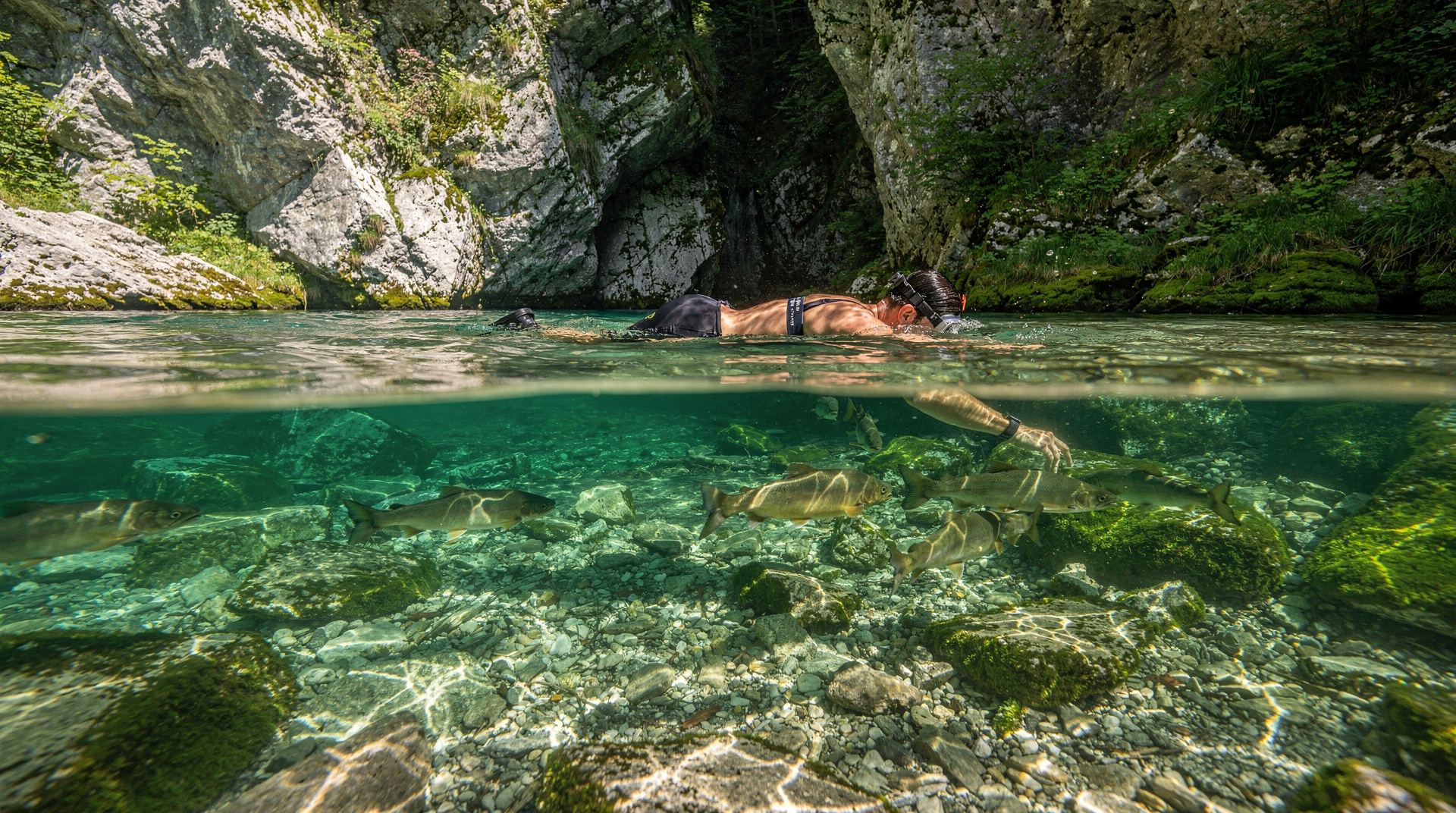
- Soča Gorge snorkeling — floating through the emerald gorge in a dry suit is one of the most surreal activities in Slovenia. See the snorkeling guide.
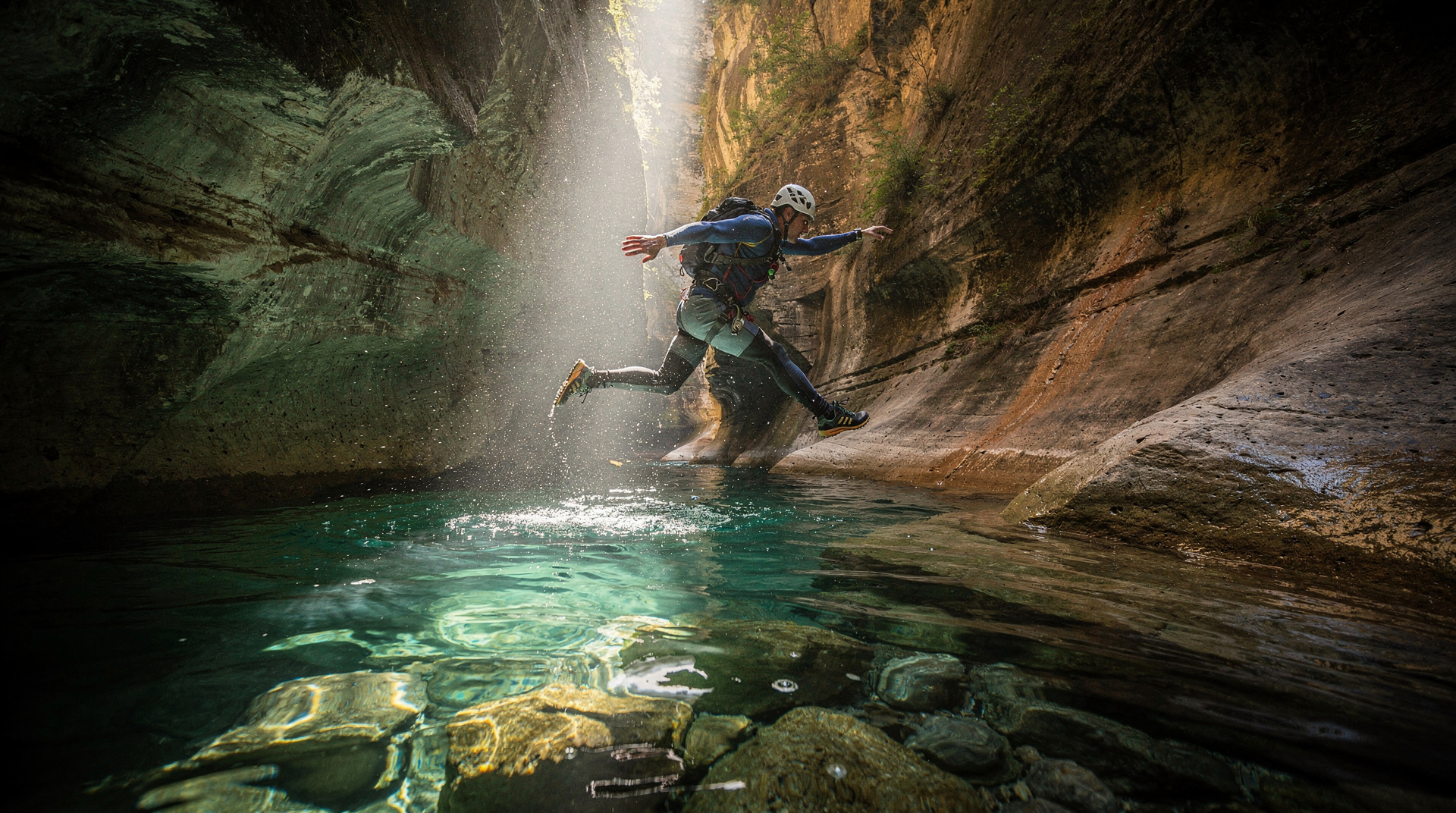
- Canyoning in Sušec Gorge — steep descents through limestone narrows with natural waterslides. See the canyoning guide.
- Bovec zipline over the Kanin valley — the longest zipline park in Europe. Completely different experience but uses the same afternoon.
- Kayaking for all levels — if the group has mixed abilities, kayaking lets everyone move at their own pace.
Soča River rafting is the right answer whenever someone asks what not to miss in Slovenia. The water colour alone justifies the drive to Bovec. The standard half-day tour is genuinely accessible and worth doing even if you have never rafted before.
For a once-in-a-trip experience, upgrade to the premium photo version. For a full Soča day, the picnic format is the one to book.
Just do not skip the Soča River rafting guide before you book — it covers water levels, operator comparisons, and what to pack in more detail than any booking page will.
Other water sports on the Soča
Rafting is the flagship but the Soča offers a complete menu of water-based activities, all bookable from Bovec operators:
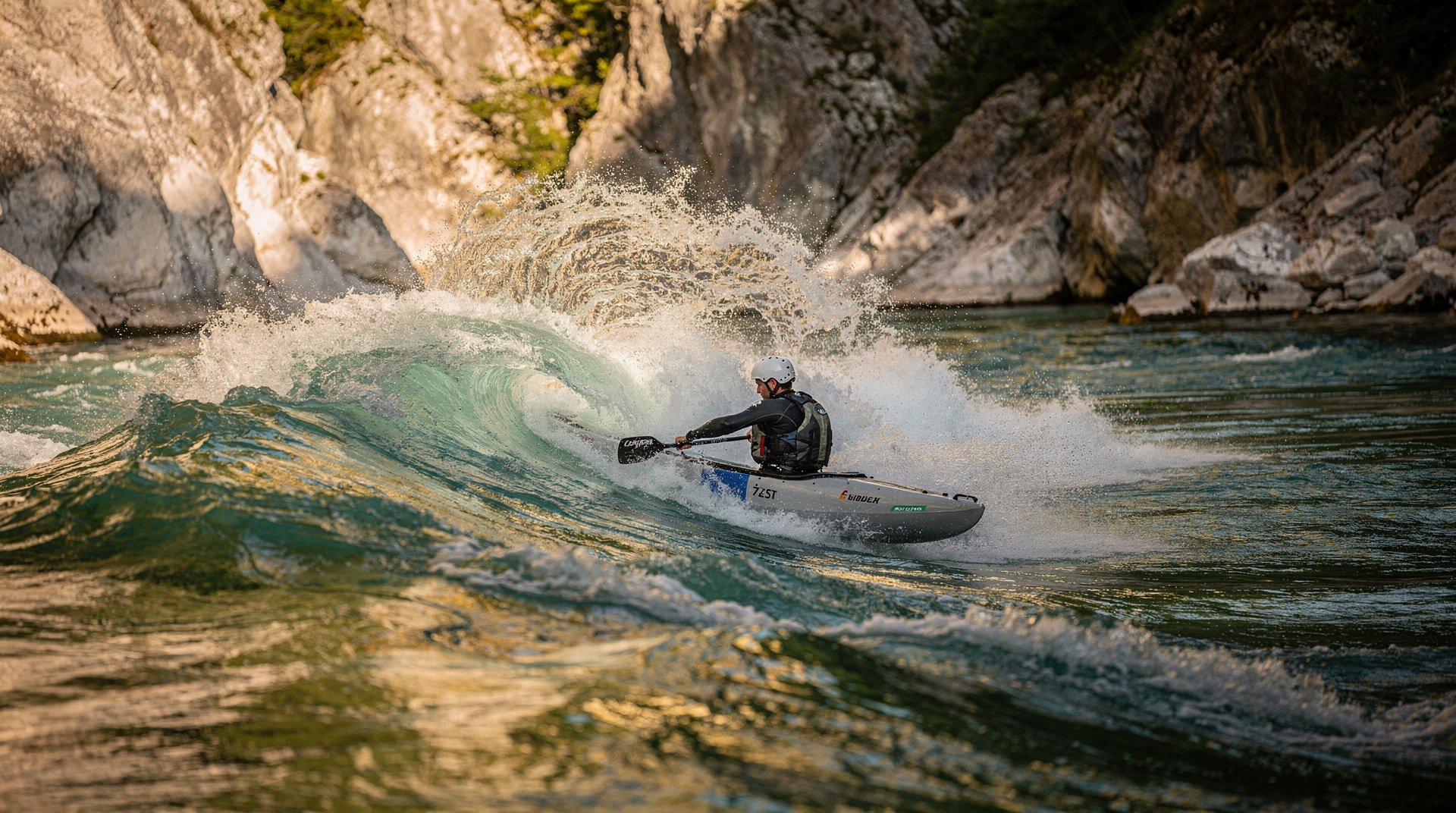
Kayaking for all levels: Single-seat kayaks with guided instruction, suitable for beginners. Different from rafting — you control your own boat and the technique requires some learning, but the reward is a more intimate connection with the river. The kayaking on the Soča guide covers the options in full.
Whitewater SUP (stand-up paddleboarding): A newer format on the Soča, more technical than flat-water SUP. Small groups only, requires reasonable balance and core fitness.
Soča Gorge snorkeling: The most unusual activity in the Soča Valley. You float through a narrow gorge section in a drysuite, snorkeling through crystal-clear water above polished limestone. Otherworldly. See the snorkeling guide for the full description.
Canyoning: Multiple canyon systems around Bovec range from beginner (Fratarica) to technical (Sušec). Involves jumping, sliding, and abseiling through water-sculpted gorges. Read the canyoning in Slovenia guide for the comparison.
Kobarid: the essential Soča Valley stop
Kobarid (29 km south of Bovec) is the other essential destination in the valley. The Hemingway connection (A Farewell to Arms is largely set here, during the Caporetto battle of WWI) gives it a literary gravity, and the Kobarid Museum — a multi-floor account of the Isonzo Front battles — is one of the most moving war museums in Europe. It won the Council of Europe Museum Prize in 1993.
The Kobarid Historical Walk (5 km, 2 hours) circuits the town and includes outdoor WWI fortifications, a Napoleonic bridge, and the Kozjak Waterfall gorge. It is one of the best free half-days in Slovenia.
Beyond history, Kobarid has several excellent restaurants — Hiša Franko (2 Michelin stars, reservation essential months in advance) puts the Soča Valley firmly on the European gastronomy map.
Getting from Ljubljana to Bovec
The drive from Ljubljana to Bovec takes 1.5–2.5 hours depending on the route. The scenic option: Ljubljana–Kranjska Gora–Vršič Pass (closed November–May)–Bovec. The year-round option: Ljubljana–Postojna–Idrija–Bovec (via Baška grapa valley, approximately 2 hours).
There is no direct train to Bovec. Buses run from Ljubljana via Nova Gorica with a change, taking 3–3.5 hours. For adventure-sport-focused travellers, a rental car or organised transport makes significantly more sense. See the getting around Slovenia guide for route options.
Choosing a reputable rafting operator
Bovec has dozens of rafting operators, and quality varies more than the marketing materials suggest. Reputable operators are members of the Slovenian Rafting Association, maintain equipment on a visible replacement schedule, and employ guides certified in white-water rescue, not just general tour guiding. A quick way to judge quality before booking: check whether the operator publishes guide certifications and equipment details on their listing, and read recent reviews specifically mentioning safety briefing quality rather than just the scenery.
Avoid choosing purely on price. The gap between the cheapest and most established operators is often only €5–10 per person, and that margin typically reflects real differences in wetsuit condition, raft maintenance, and guide experience. For families or nervous first-timers particularly, paying the mid-range price for an established operator is worth the peace of mind.
What a typical rafting day feels like, hour by hour
Arriving at the operator’s base around 30 minutes before the scheduled departure, you’ll fill in a waiver, get fitted for a wetsuit, thermal layer, helmet and life jacket, and receive a paddle. The safety briefing (30–40 minutes) covers paddle commands, what to do if you fall in, and how to help a fellow rafter back into the boat. This part feels administrative but matters — pay attention.
The transfer to the put-in point takes 10–20 minutes by minibus. Once on the water, the guide sets the pace, alternating calmer stretches (where you can look around at the gorge walls and the astonishing water clarity) with rapids requiring coordinated paddling. Expect at least one moment where the guide deliberately times a wave to splash or gently tip the raft — this is standard practice at safe points in the river, not a mistake. The debrief afterward, with warm tea or a hot drink at some operators, wraps up a half-day that feels far more substantial than its 2–3 hours on the water.
Compare top tours
Frequently asked questions about Soča River Rafting from Bovec Review
How difficult is Soča River rafting?
The standard rafting stretch from Bovec runs Class II–III rapids (moderate), suitable for beginners from age 7 upward. The premium and full-day options include Grade III–IV sections for those wanting more intensity.When is the best time to raft the Soča?
May–June offers the highest water and most exciting rapids. July–August is lower water but still excellent. September sees beautiful autumn light. The river runs May–October; outside this window most operators close.What is the water temperature in the Soča?
Cold year-round — typically 8–12°C even in summer. Wetsuits are provided by all reputable operators and are mandatory. The water clarity (turquoise-emerald) is extraordinary; you can see the riverbed in 3+ metre depth.Is Soča rafting safe for non-swimmers?
Yes, with a reputable guide. Life jackets and helmets are standard equipment, guides are trained for water rescue, and the standard Bovec stretch avoids the most technical rapids. Disclose your swimming ability when booking.How much does Soča rafting cost?
Standard half-day rafting from Bovec: approximately €35–50 per person. Premium rafting with photo service: €55–75. Full-day rafting with riverside picnic: €75–90. All include wetsuit, helmet, and guide.Do I need previous rafting experience for the Soča?
No. The standard Grade II–III stretch is designed for complete beginners, and guides run a thorough safety briefing before every trip. Non-swimmers can participate with a reputable operator, provided they disclose their swimming ability at booking.What should I bring to a Soča rafting trip?
A swimsuit to wear under the provided wetsuit, a towel and change of clothes for afterward, and secure footwear such as old trainers or water shoes (many operators provide neoprene booties). Leave valuables at your accommodation — everything gets wet.