Slovenia travel scams and ripoffs: what to know before you visit
From Bled: full-day Triglav National Park tour
Are there travel scams in Slovenia?
Classic tourist scams are rare in Slovenia — the country has low crime rates and a relatively honest tourism industry. What exists instead is a set of specific situations where visitors routinely overpay or get less than expected: unmarked taxi overcharges in Ljubljana, restaurants that charge for bread and water as extras, rental cars missing the motorway vignette, and a handful of tours sold at misleadingly high prices for what they deliver. None of these are criminal. They are avoidable with basic preparation.
Travel safety in Slovenia: the honest picture
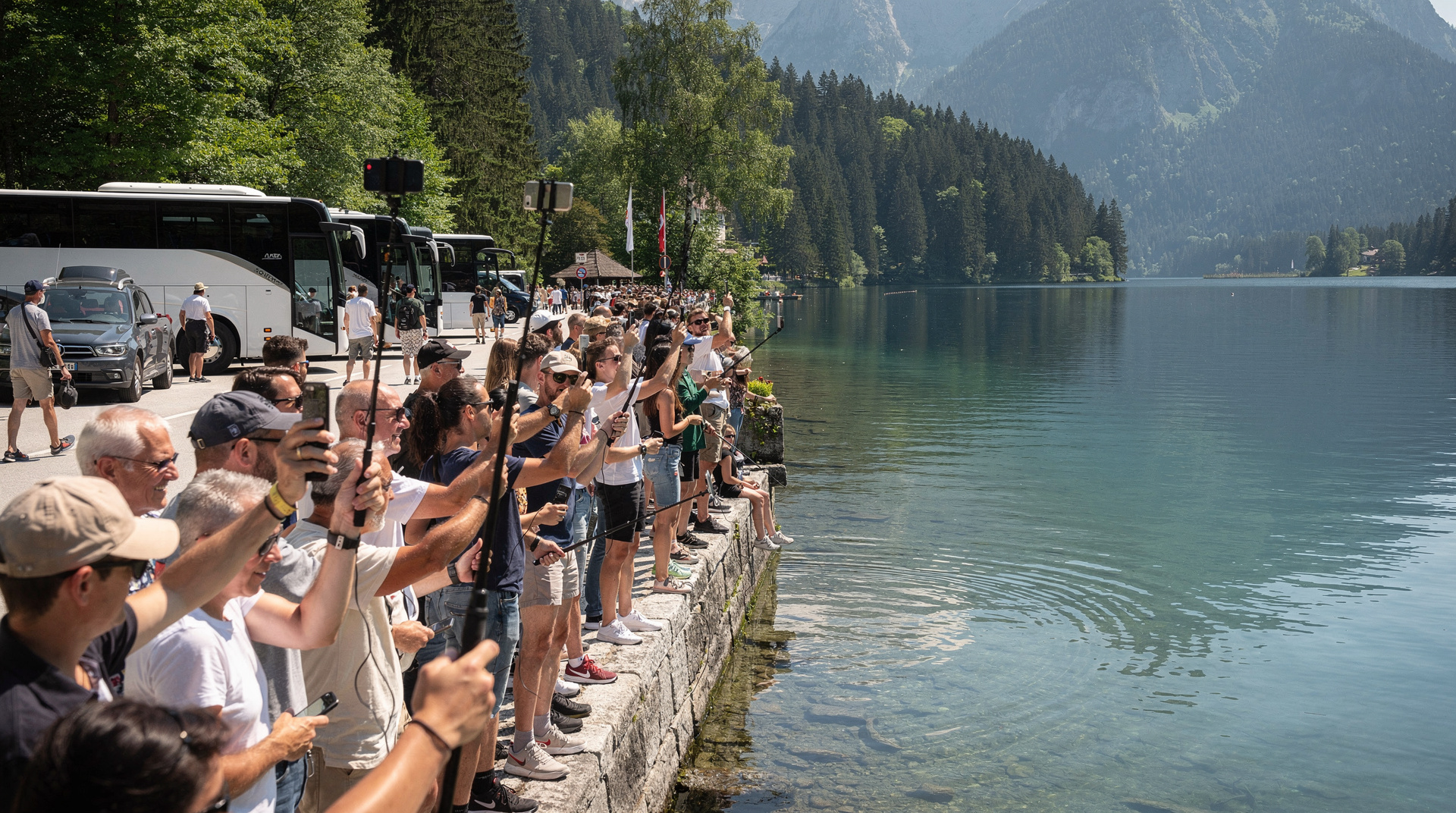
Slovenia consistently ranks among the safest countries in Europe for tourism. Violent crime against tourists is rare enough to be essentially a non-factor in trip planning. Petty theft exists at the level it exists everywhere — pickpocketing in crowded tourist areas, thefts from car parks near Lake Bled — but is at the low end of European comparisons.
The main financial risks are not scams in the criminal sense but a set of specific situations where inattentive visitors routinely pay more than they need to. This guide covers all of them.
| Genuine crime risk | Low; petty theft in crowds is the main concern |
| Most common overcharge | Airport taxi fixed quotes (2–3x metered fare) |
| Easiest fix | Use Bolt/Uber or the airport shuttle bus |
| Biggest hidden cost | Missing motorway e-vignette (€300–800 fine) |
| Where to double-check | Rental car agreement (vignette, excess, fuel policy) |
Unmarked taxis and the airport arrival
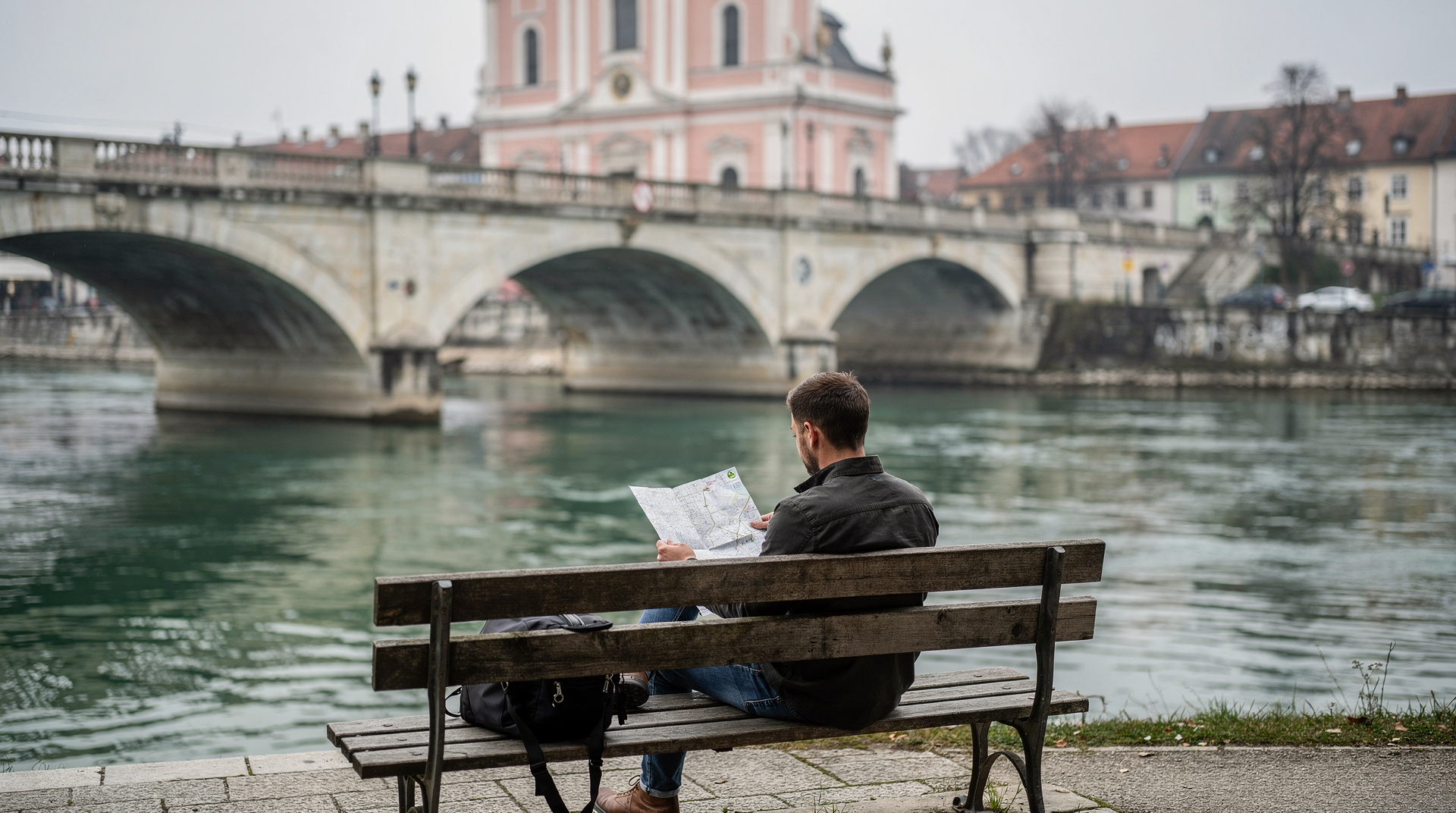
The most reliably overpriced taxi situation in Slovenia is the arrival at Ljubljana Airport. A small number of drivers at the arrivals hall quote fixed prices to the city centre that are two to three times the metered fare.
The legitimate metered fare from Ljubljana Airport (LJU, 27 km northwest of the city centre) to central Ljubljana is EUR 25–35 depending on traffic and the exact drop-off point. Some drivers quote EUR 50–60 as a fixed price to tourists who do not know the area.
The simplest solution: use Bolt or Uber, both of which operate at the airport and in the city. The app shows the price before you book. Alternatively, the airport shuttle bus (line 28) runs to Ljubljana’s central bus station for EUR 4 — less convenient with heavy luggage, but reliable.
Within Ljubljana, taxis are more regulated and the overcharge risk is lower. The official starting tariff is around EUR 1.50, with EUR 1–1.20 per kilometre. The Old Town to the train station should cost EUR 5–8 by meter.
Restaurant bread and cover charges
The practice of bringing bread to the table automatically and charging for it is more common at tourist-facing restaurants in Ljubljana and Bled than it used to be. The charge is typically EUR 2–4 per person and appears on the bill whether you ate the bread or not. It is legal. It is also easily avoided.
When seated at a restaurant, glance at the menu for a line item called “bread” or “pokrivač” (cover charge). If you do not want bread, say so when the waiter approaches. In gostilne and local restaurants away from tourist areas, this practice is far less common.
Tap water is also sometimes charged at mineral water prices if you simply ask for “water” without specifying. “Tap water please” (or “voda iz pipe” in Slovenian) is free and safe — Slovenian tap water is excellent. Asking for water at a restaurant and being silently given a EUR 3 bottle of Radenska mineral water is one of the more common small irritations.
Rental car issues
Car hire in Slovenia follows European patterns for minor annoyances rather than genuine fraud.
The vignette issue is the most expensive: the motorway e-vignette (EUR 16 per week) is sometimes not included in the rental and sometimes buried in the rental agreement as an optional extra that the desk agent sells at a markup. Confirm at the desk whether the vignette is included for your number plate before driving out. If not, buy it online at dars.si for the standard price.
Damage excess: the standard excess on Slovenian rental cars can be EUR 800–2,000. The desk agent will offer a “zero excess” policy for EUR 10–20 per day. This is sometimes worth buying and is never compulsory, despite how it is sometimes presented. If your home credit card provides car hire excess insurance (many travel cards do), decline the rental company’s version.
Fuel policies: “full to empty” means the tank comes full and you return it empty, with the rental company pre-charging a full tank at their rate (typically 20–30% above pump price). “Full to full” means you return it at the level you received it. Always opt for “full to full” if available — returning a full tank costs less than the pre-charged rate.
Major international companies (Hertz, Europcar, Budget) operating from Ljubljana Airport generally adhere to international standards with transparent pricing. Smaller local operators at discount prices sometimes have more aggressive fee structures — read the fine print.
Overpriced tours
Slovenia’s day tour market from Ljubljana has grown significantly to meet demand, and the price range for broadly similar products is wide. A standard shared day trip to Bled from Ljubljana can cost EUR 40–70 per person depending on the operator, inclusions and group size.
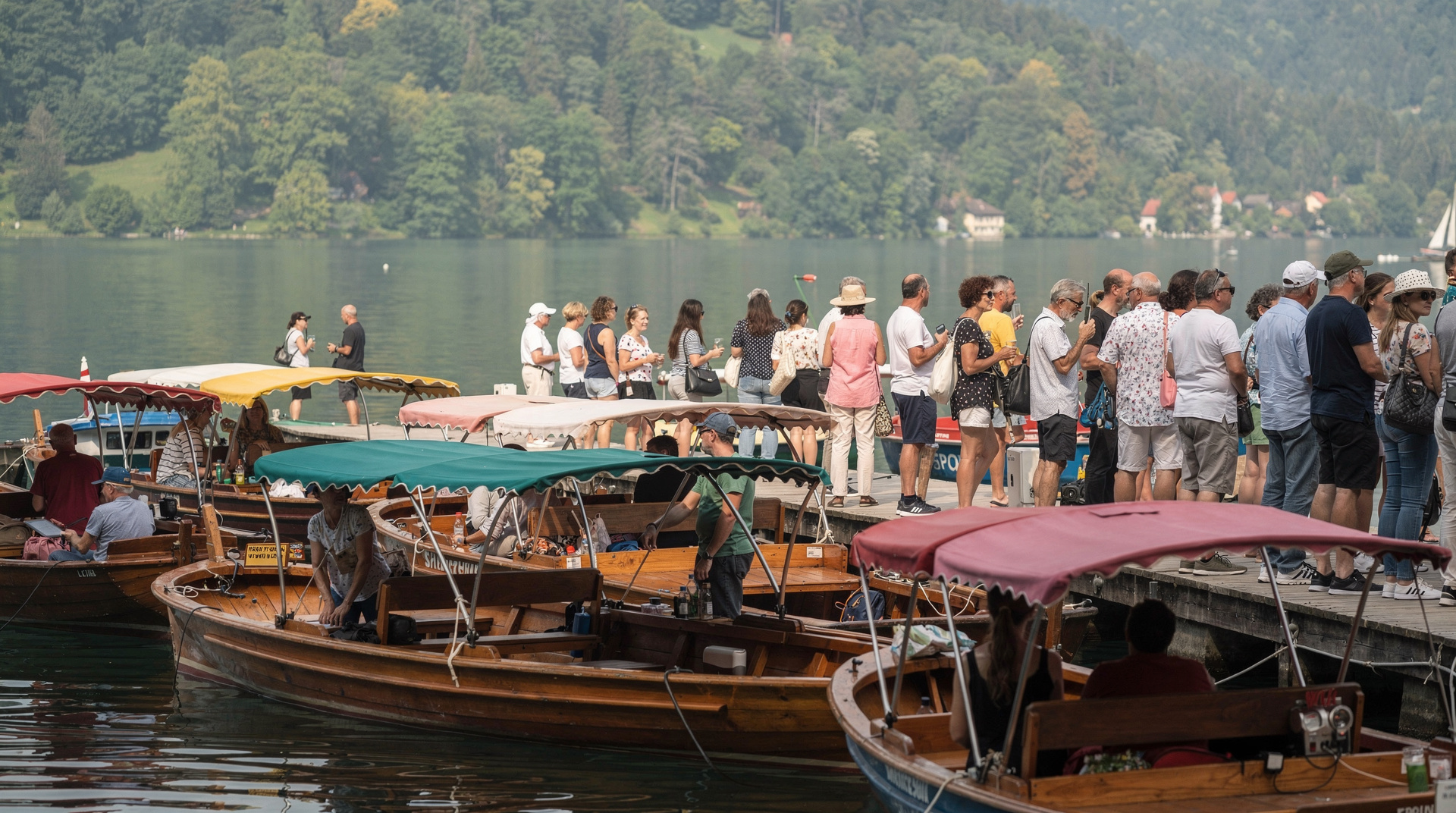
This is not fraud — the tours are real, the guides exist, the experience happens. But the same visit (bus to Bled, pletna boat, walk around the lake, return) can be assembled independently for EUR 15–20 per person using the Arriva bus (EUR 6 each way) plus a rowboat hire. The difference — EUR 25–50 per person for an organised tour versus DIY — represents the value of having someone else arrange the logistics and provide local knowledge through a guide.
When a guided tour is worth the premium: Škocjan Caves (genuinely awkward to reach by public transport, and a good guide adds to the cave interpretation), Triglav mountain routes (a local guide adds safety and route knowledge on a serious mountain), wine tasting in Goriška Brda or the Vipava Valley (a good guide dramatically improves the experience at small-production estates that don’t receive walk-in visitors). When it is probably not worth it: any tour that is essentially a bus ride to a site you would visit on your own.
A licensed guide is not a luxury on Triglav itself — it is the standard, safe way to attempt the summit:
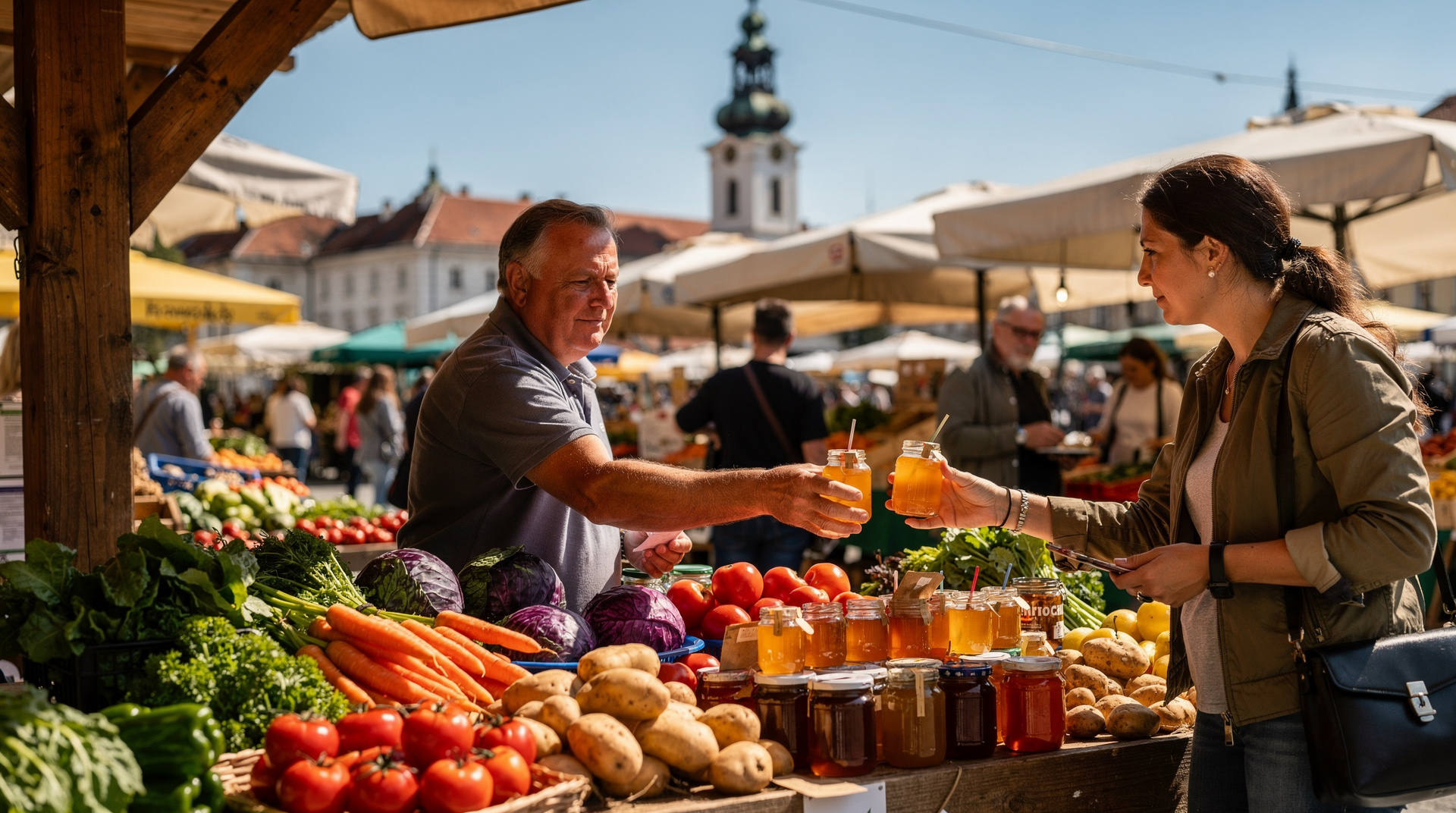
Guided full-day Triglav ascent from BledAt the other end of the scale, small-group experiences run by local producers are often the better-value kind of tour, because what you pay for is access you could not arrange alone. A good example is a beekeeping experience with a local apiarist, which gives you a real working apiary instead of a souvenir stop.
Dynamic currency conversion at ATMs and card terminals
Slovenia uses the euro. International visitors whose home currency is not the euro will sometimes be offered the choice of paying in their home currency — “Do you want to pay in British pounds/US dollars/etc.?” — at card terminals and ATMs.
This is called dynamic currency conversion (DCC) and the exchange rate used is almost always worse than your bank’s rate. The amount you pay is calculated by the merchant’s payment processor, not your bank, and the markup is typically 3–5%. Always select “Pay in EUR” or “Charge in local currency.” If the terminal does not give you a clear choice and defaults to your home currency, press cancel and reinsert the card.
ATMs operated by the major Slovenian banks (NLB, SKB, Intesa Sanpaolo Slovenija, UniCredit) charge no ATM fee for withdrawals. Independent ATMs in tourist areas (Euronet and similar) charge fees of EUR 3–5 per transaction. Prefer the bank ATMs.
The Ljubljana Card calculation
The Ljubljana Card is sold at tourist information offices and many hotels and costs EUR 41 (24h), EUR 49 (48h) or EUR 54 (72h). It includes: Ljubljana Castle, the main museums (City Museum, National Museum, Natural History Museum, others), the tourist boat on the Ljubljanica, city bus travel and some minor discounts.
The card represents value only if you will actually use the included attractions. Add up the individual entry costs of what you plan to visit: Ljubljana Castle (EUR 19), City Museum (EUR 7), a museum or two (EUR 5–7 each). If the total exceeds the card price within your planning horizon, buy it. If your Ljubljana itinerary consists mainly of the free Old Town, the free Central Market, the free riverside walk and a museum or two, the card costs more than it saves.
The Tourist Information Centre on Stritarjeva ulica sells the card and can help you calculate whether it makes sense for your itinerary.
What is not worth worrying about
Most of what visitors worry about before visiting Slovenia is not a genuine concern. ATM skimming is rare. Restaurant bill fraud is almost unheard of. The guides at major tourist sites are legitimate and licensed. Hotels that advertise on Booking.com and equivalent platforms are what they claim to be.
The Slovenian tourism industry has a strong incentive to maintain its reputation with international visitors — the country punches above its weight in word-of-mouth recommendations and repeat visit rates, and this is partly because the visitor experience is generally honest.
Reasonable precautions: keep normal card and cash security awareness in crowded tourist areas (the Ljubljana Central Market, the lakeside crowds at Bled), verify the vignette situation before driving, and check restaurant bills against what you ordered. Beyond that, the time spent on worry about scams in Slovenia is better spent on planning what to actually see.
For a broader view of what costs more than it should and the genuine value alternatives, see Slovenia tourist traps and is Slovenia expensive. For the wider set of small mistakes visitors make beyond money — timing, driving, packing — see common mistakes in Slovenia.
Hiking and outdoor activity safety
One category that genuinely deserves more attention in Slovenia than it typically receives is outdoor safety. The Julian Alps are real mountains. The Soča River has genuine hydraulic features. Adventure sports (canyoning, via ferrata, white-water rafting) require proper guidance.
What this means practically:
Crossing a “via ferrata” route without experience or equipment is potentially dangerous, not just uncomfortable. The routes near Bovec and in the Triglav area are graded; the higher grades require specific training and equipment. Book through a licensed guide or activity operator — the Bovec rafting and adventure operators are professionally run, licensed by Slovenian law and use appropriate safety equipment. Do not attempt the via ferrata or the higher hiking routes with random tour operators found on social media rather than registered businesses.
White-water rafting on the Soča: the river’s water is cold year-round (8–12°C). Immersion in cold water causes rapid heat loss; wetsuits are provided by legitimate operators and are mandatory on most grades. Any operator who does not provide a wetsuit and safety briefing should be avoided regardless of price.
Mountain rescue: the Gorska reševalna zveza (GRZS) is the mountain rescue service and is excellent. They ask that all hikers on routes above about 1,600 metres register their route and expected return time with the relevant mountain hut or online at the GRS register. This is a strong cultural norm in Slovenia, not a legal requirement, but it is the single most important safety action you can take on a mountain day.
The general security picture
Car thefts and break-ins at car parks near major hiking trailheads are the most consistent security issue in Slovenia. The car parks near Bled (P1, P2, Vintgar entrance), the Vršič Pass roadside stops and some Soča Valley trailheads are known targets, particularly for rental cars with hire company identifiers visible. Remove all valuables from the car and, where possible, park in staffed car parks.
Pickpocketing in Ljubljana’s Old Town follows standard European tourist-area patterns and is avoidable with normal precautions (bag against the body, be alert in the market crowd). It is far less prevalent than in larger capitals.
Accommodation security is not a concern at any standard hotel or guesthouse. Safe storage for valuables is standard at mid-range accommodation upward.
Emergency numbers
The general emergency number in Slovenia is 112 (EU standard) for fire, ambulance and police. Mountain rescue specifically: 112 in Slovenia routes to the GRZS. The police non-emergency number is 113. The NIJZ (national public health institute) health information line is 080 11 00. Save these numbers before your trip and note that mobile coverage in some deep alpine areas is limited — plan accordingly.
Coverage outside Ljubljana
Most of the situations above concentrate around Ljubljana and Bled simply because that’s where visitor volume is highest. In Piran and the coast, the equivalent risks are dynamic currency conversion at card terminals and tourist-strip restaurant pricing rather than taxi overcharges — the town is compact enough that unmarked taxis aren’t really a factor. In the Soča Valley, the main financial risk shifts entirely to adventure-sports safety rather than money: choosing a licensed operator over an informal one matters more than price comparison.
Where to read more before you go
Most of the money traps above disappear once the logistics are sorted in advance. For the driving side, the car rental guide and the vignette explainer cover what to check at the desk. For arrival, the Ljubljana airport guide explains the options into the city, and getting around Slovenia compares buses, trains and cars once you are moving.
If your concern is safety more than money, is Slovenia safe goes deeper on the practical side, and solo travel in Slovenia adds advice for those travelling alone. For the mountain activities mentioned above, via ferrata in Slovenia and the Soča rafting guide explain what a properly run operation looks like, and the Slovenia trip budget helps you judge whether a price is fair.
Frequently asked questions about Slovenia travel scams and ripoffs
Are taxis in Ljubljana reliable?
Most are, but a few operate without meters or with meters conveniently 'not working' at the airport and train station. The legitimate fare from Ljubljana Airport to the city centre is EUR 25–35 by meter. If a driver quotes a fixed EUR 50–60 at the airport, decline. Uber and Bolt both operate in Ljubljana and are consistently cheaper and more transparent than street taxis. The airport shuttle bus to the city centre costs EUR 4.How do restaurants add hidden charges in Slovenia?
Two common practices: bread brought to the table automatically and charged (EUR 2–4 per person, even if untouched) and tap water charged at bottled-water prices. These are not illegal but are easy to avoid — ask before accepting anything brought to the table. The bread charge is most common in tourist-facing restaurants near Ljubljana Castle and the Bled lakefront. Gostilne away from tourist areas rarely do this.Is it safe to rent a car in Slovenia?
Yes, but read the rental agreement carefully. Common issues: the motorway vignette not included (ask specifically), damage excess insurance that is technically optional but presented as mandatory, and fuel policies that default to a 'full to empty' charge that costs more than refuelling yourself. Major international rental companies operate to international standard. Smaller local companies are generally honest but worth scrutinising for hidden fees.Are there fake guided tours in Slovenia?
Not in the sense of outright fraud. What exists is a market of tours that are overpriced relative to what they deliver, and tours that make implicit claims about exclusivity or special access that are not accurate. The standard Ljubljana walking tour at EUR 20–25 per person is well-regarded and honest. Day tours to Bled for EUR 60–80 per person deliver the same experience you would get independently for EUR 20–25. Neither is a scam; the higher-priced option is simply poor value.What should I know about money and cards in Slovenia?
Slovenia is a eurozone country with widespread card acceptance. ATMs are plentiful and function normally. Dynamic currency conversion at ATMs and card terminals (where the machine offers to charge you in your home currency rather than EUR) consistently delivers worse exchange rates — always choose to pay in EUR. Independent ATMs in tourist areas occasionally charge fees; bank ATMs (NLB, SKB, Intesa Sanpaolo Slovenija) do not.Is the Ljubljana Card worth buying?
It is worth buying only if you will use it. The Ljubljana Card costs EUR 41/49/54 for 24h/48h/72h and includes Ljubljana Castle, the main museums, city bus travel and the tourist boat. If your plan includes four or more paid attractions in 48 hours, the card saves money. If your Ljubljana itinerary is mostly free activities (the Old Town, the market, the riverside), the card is a money sink. Calculate your actual planned itinerary before buying at the Tourist Information Centre.Are Bolt and Uber reliable across Slovenia, not just Ljubljana?
They operate reliably in Ljubljana and increasingly in Maribor, but coverage thins out at Bled, Piran and the Soča Valley, where street taxis or pre-arranged transfers are more common. In those towns, ask your accommodation for a recommended driver rather than hailing an unmarked car.Is it worth pre-booking mountain guides to avoid inflated on-the-day prices?
Yes, for Triglav ascents and via ferrata routes specifically. Licensed guides operate at fairly consistent rates, so the risk isn't overpaying but underpreparing — booking ahead through a registered operator (rather than an informal contact found on arrival) is the safeguard that matters most here.