Is Slovenia expensive? An honest budget guide for 2026
Short daily trip to Ljubljana from Trieste
Is Slovenia expensive to visit?
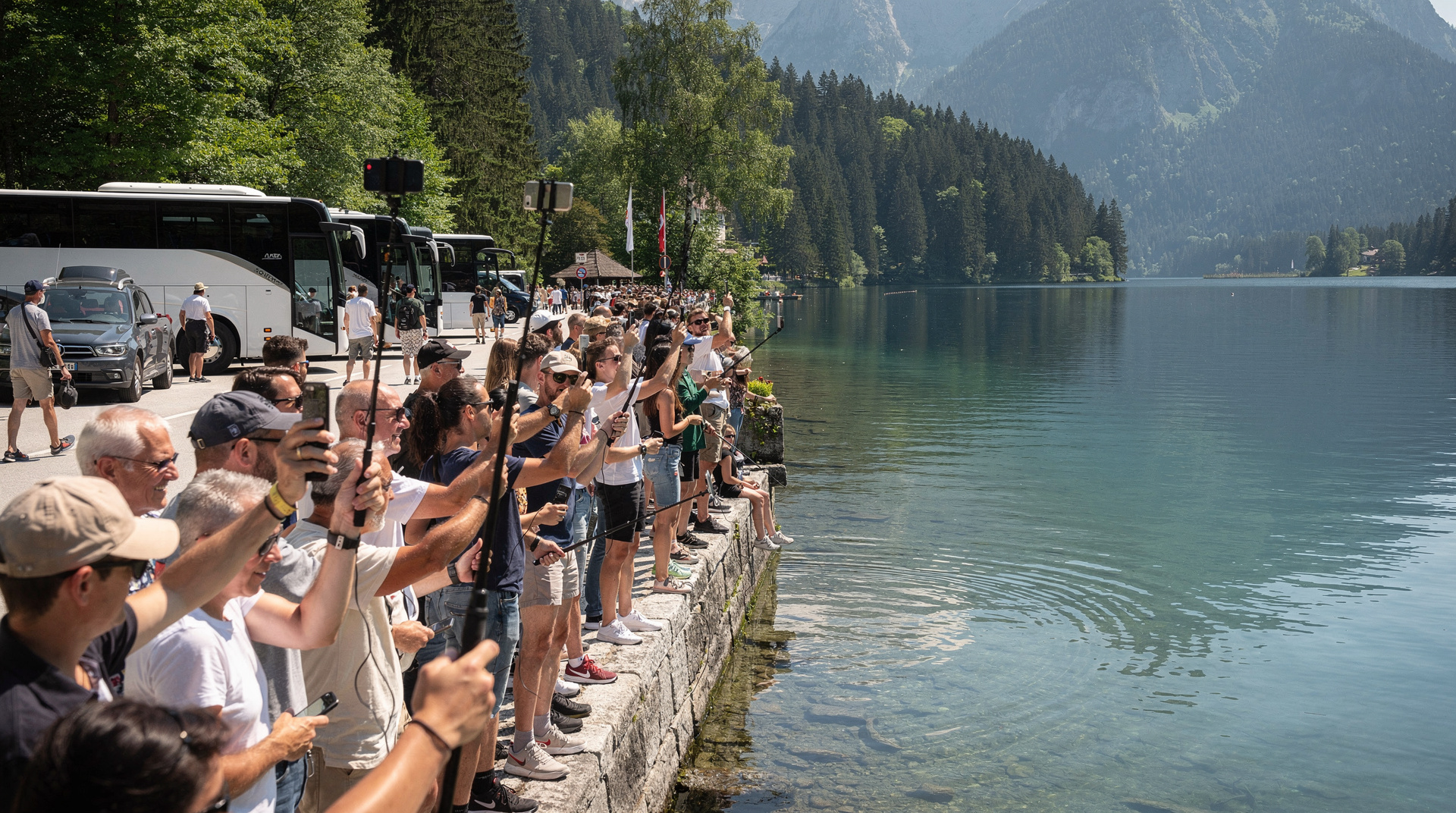
Slovenia is mid-range by Western European standards and more expensive than its neighbours Croatia, Hungary and Serbia. Budget travellers managing hostels and self-catering can get by on EUR 50–60 per day. A comfortable mid-range trip with a private room, sit-down meals and activities runs EUR 100–130 per day. Bled and Ljubljana are the most expensive areas. The Soča Valley, eastern Slovenia and the wine regions are noticeably cheaper.
Real costs in Slovenia: what you will actually spend
Slovenia has a complicated relationship with the “affordable hidden gem” label it acquired about a decade ago. The description was accurate in 2015. In 2026, after years of rapid tourism growth, prices in the main tourist areas have converged toward Western European levels in some categories and remain pleasantly low in others. Understanding which is which will help you budget accurately.
The headline: Slovenia is roughly comparable to Austria or northern Italy in its tourist-facing prices for accommodation and paid attractions, but noticeably cheaper for food (if you eat where locals eat), drink, coffee and public transport. The country uses the euro, so there are no currency conversion complications.
| Budget daily cost | around EUR 50–60 per person |
| Mid-range daily cost | around EUR 100–130 per person |
| Most expensive area | Lake Bled, especially July–August |
| Cheapest areas | Soča Valley, eastern Slovenia, wine regions |
| Currency | euro (EUR), no conversion needed |
Accommodation: where the cost varies most
Ljubljana hostels run EUR 25–40 per night for a dormitory bed in a central hostel. Private rooms start around EUR 60–70 for a simple guesthouse and reach EUR 120–150 for a characterful boutique room in the Old Town. A mid-range hotel with breakfast in the centre costs EUR 100–160.
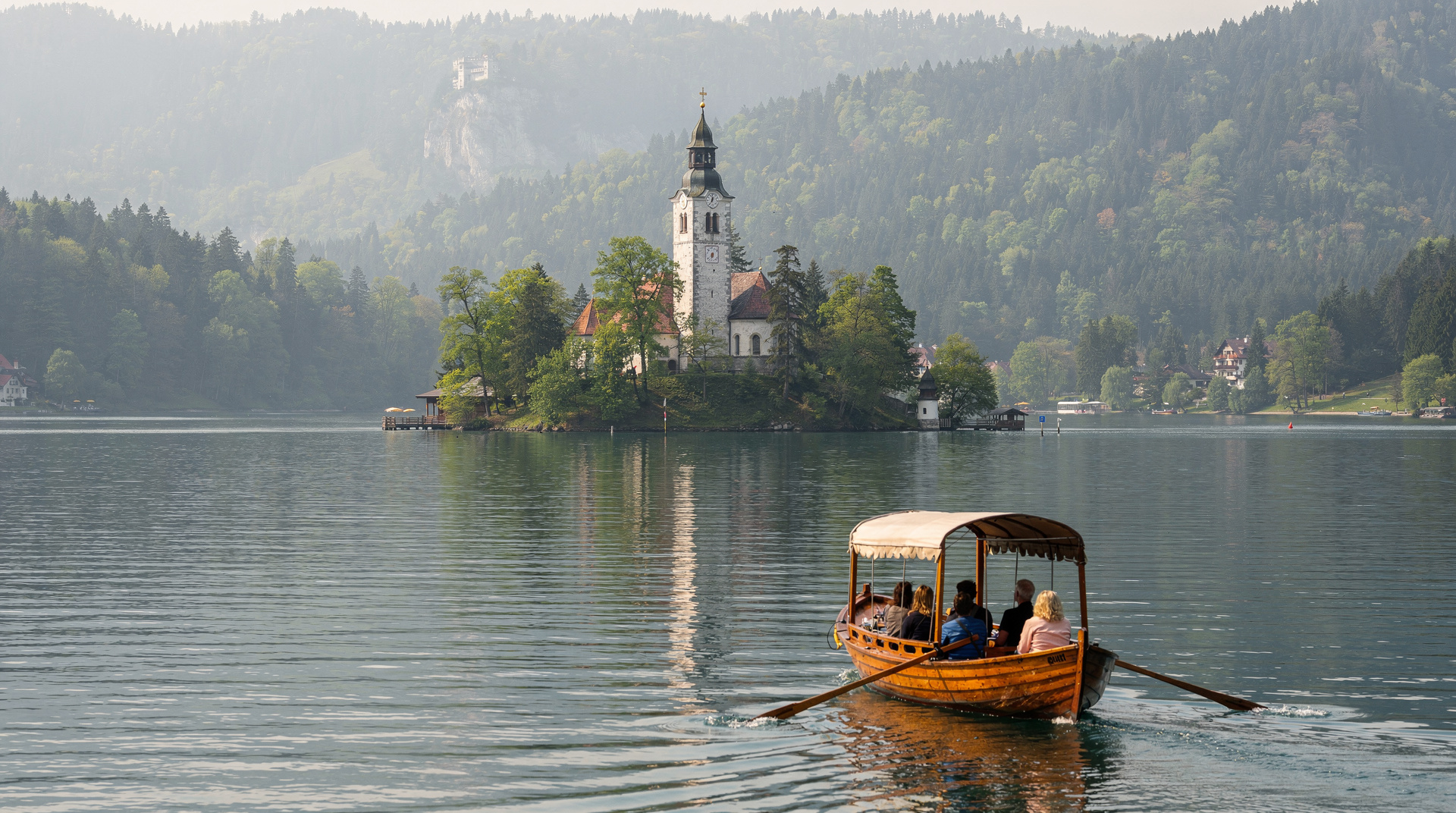
Lake Bled is the outlier. A simple room with a lake view in peak July–August can cost EUR 160–250 at even a modest hotel. Budget options (hostels, camping, guesthouses slightly outside the immediate lake area) start around EUR 35–50 per person. The Vila Bled — the former presidential residence, now a heritage hotel — starts around EUR 250–350 per room and is the most expensive and most atmospheric option.
Guesthouses in smaller towns near Bled — Radovljica (20 minutes), Lesce (15 minutes), Zasip (5 minutes) — cost EUR 60–100 for a double, a saving of EUR 60–100 per night versus equivalent Bled accommodation.
Bovec in the Soča Valley, Piran on the coast and most of eastern Slovenia are noticeably cheaper than Bled: EUR 60–100 for a mid-range double in most situations.
Camping is an underused option. Camping Bled on the southern lake shore costs around EUR 20–30 per person per night in a tent, is well-run and has direct lake access.
Food: the most striking price gap
The most important piece of money advice in Slovenia is to eat in gostilne rather than tourist restaurants. The price difference for essentially equivalent food is 30–50%, and the quality is often better.
A daily market lunch in Ljubljana — typically a main course, bread and a drink — at a local gostilna runs EUR 8–12. The same meal on the tourist strip near Ljubljana Castle costs EUR 15–22. Over a week’s worth of lunches, that gap compounds significantly.
Slovenian food is hearty and regional. Traditional dishes include jota (a bean and sauerkraut stew), žganci (buckwheat porridge, a staple side dish), potica (walnut roll pastry), ričet (barley and vegetable stew), and local variants of Austrian and Italian dishes shaped by the geographic overlap. A main course at a gostilna typically costs EUR 9–16. A glass of local wine is EUR 3–5; a half-litre of beer EUR 2.50–4.
Coffee culture is well-developed and affordable. A macchiato or espresso costs EUR 1.50–2.50 almost everywhere. Coffee tourism from Austria and Italy is actually a real phenomenon in the border areas, since Slovenian café prices are lower. The flow also runs the other way: if you are based near Trieste, a short organised day trip to Ljubljana from Trieste is an easy way to sample those lower café and lunch prices without arranging your own transport.
Supermarkets (Mercator, Spar, Hofer) are cheap by EU standards. A litre of local wine at a supermarket costs EUR 3–6. Cheese, bread and cured meats (the karst region produces excellent pršut, a dry-cured ham) are inexpensive and excellent.
Sightseeing costs: choose carefully
Entry fees add up faster than most visitors expect. The major paid attractions:
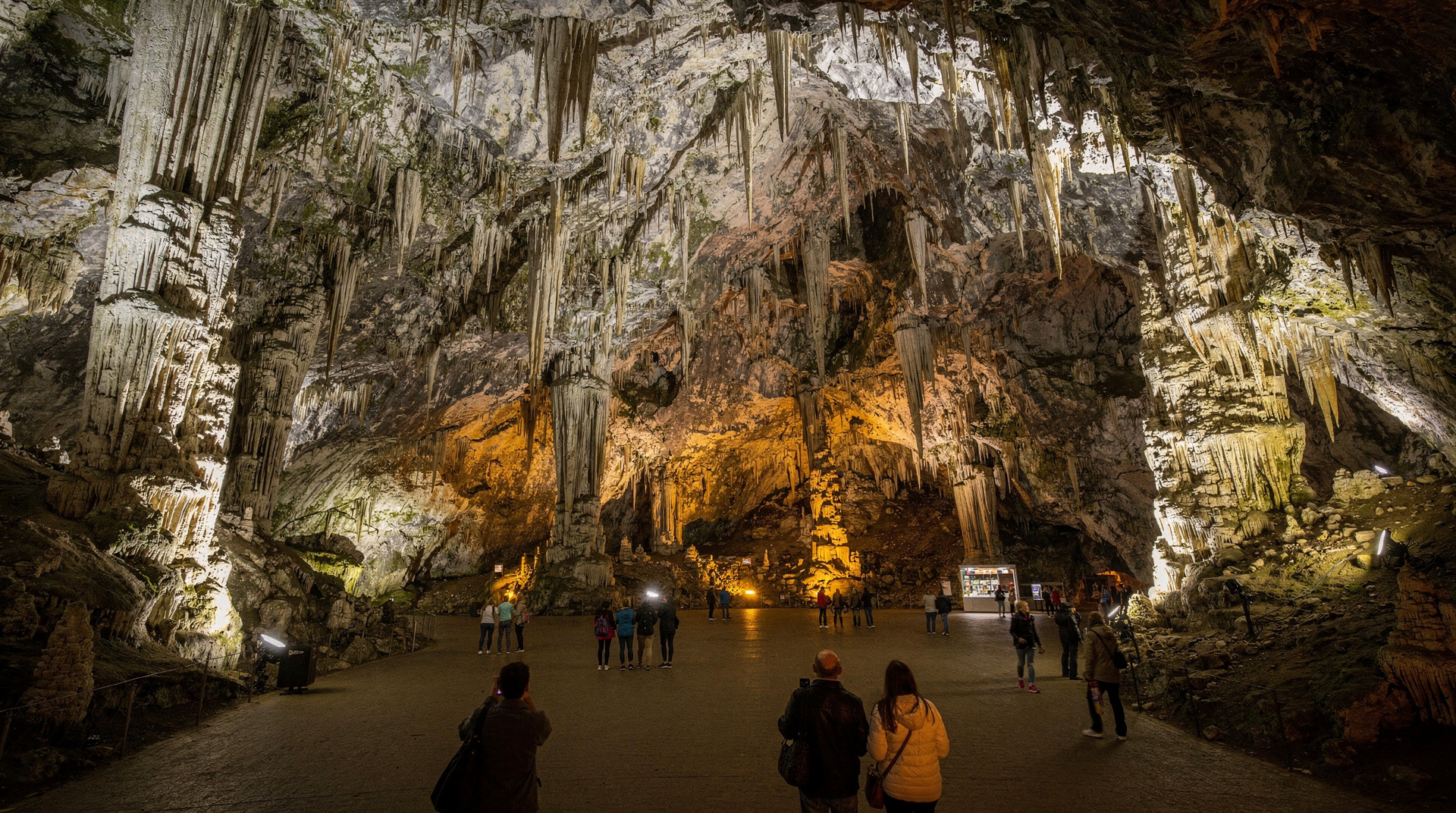
- Postojna Cave: EUR 34.90 adult; child price: see up-to-date rates on the official website (postojnska-jama.eu)
- Ljubljana Castle (full ticket): EUR 17.10 adult
- Predjama Castle: EUR 24 adult, or EUR 49.90 combined with Postojna
- Škocjan Caves: EUR 18 adult
- Bled Castle: EUR 19 adult
- Bled Island church: EUR 12
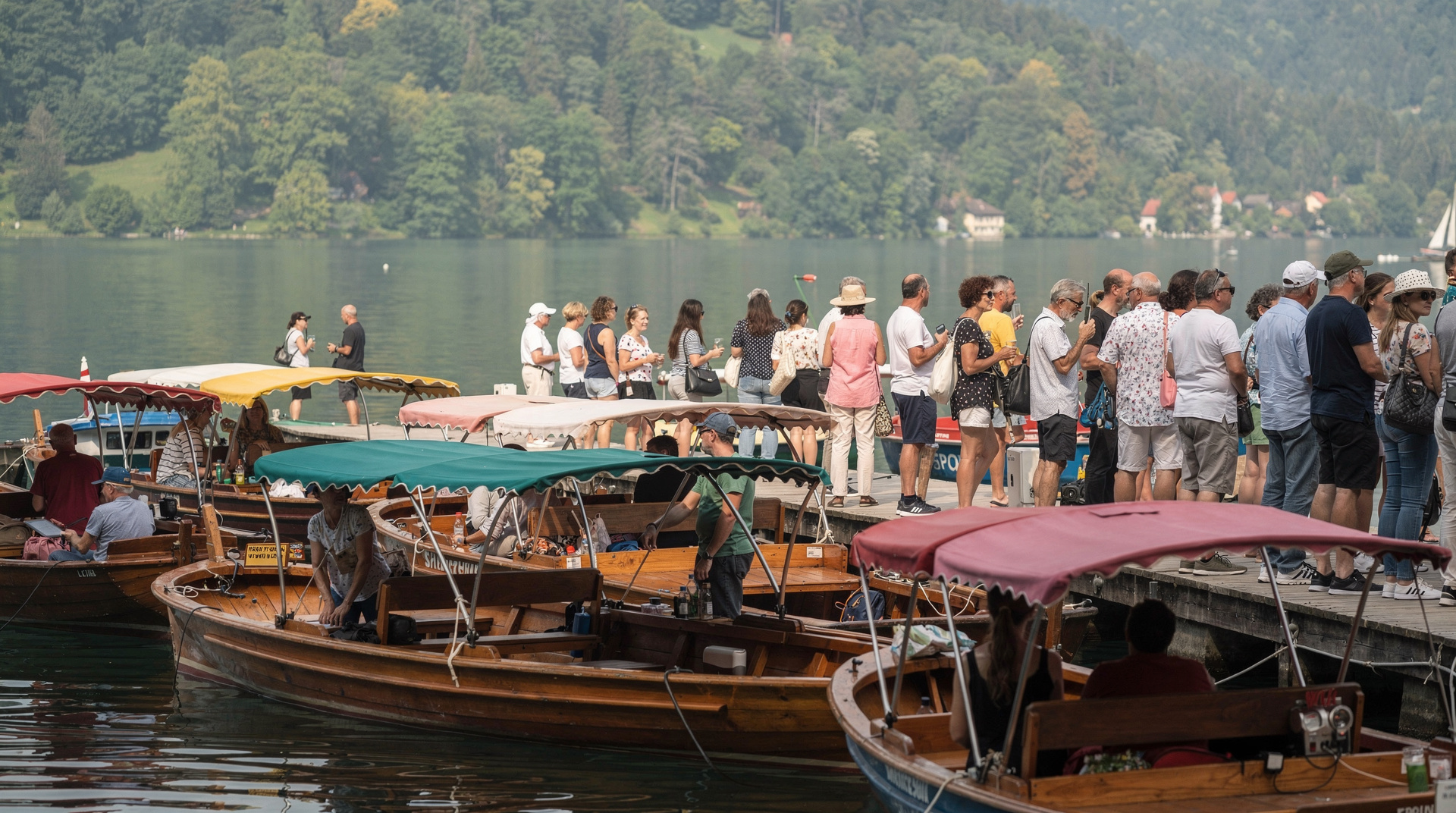
- Pletna boat: fare confirmed at the jetty or via the Bled tourist office (bled.si)
- Vintgar Gorge: EUR 15 adult
- Vogel cable car (Bohinj): EUR 32–35 return adult
- Triglav National Park cable car (Krnica/Stara Fužina routes): EUR 12–22 depending on route
A family of four visiting Postojna, the Ljubljana Castle, Bled Island and Vintgar Gorge spends roughly EUR 300 on entry fees before accommodation or food. Budget travellers can cut this significantly: Vintgar is worth every cent; the Ljubljana Castle interior is skippable; Škocjan is better value than Postojna; rowing to the island yourself saves the pletna fee.
Free highlights worth knowing: the lakeside walk at Bled, the Osojnica viewpoint above Bled, the old town walk in Ljubljana, the Nebotičnik café panorama, the Three Ponds area (Triglavska Bistrica) near Kranjska Gora, and most beach access on the Slovenian coast.
Transport costs
Public transport is well-priced and covers the main tourist routes adequately.
Ljubljana–Bled bus: EUR 6 each way, roughly hourly, 1h15–1h30. Ljubljana–Postojna bus: EUR 6–8 each way, about 1h15. Ljubljana–Koper (for the coast connection): EUR 12–15 each way, 2 hours.
Petrol is EUR 1.50–1.70 per litre (roughly comparable to Austria). The motorway vignette costs EUR 16 per week. Car hire for a week, booked in advance through a comparison site, runs EUR 200–400 depending on the vehicle category and season.
Taxis in Ljubljana are metered and reasonably priced — the airport to the city centre costs around EUR 25–30. Bolt (rideshare) operates in Ljubljana and is 20–30% cheaper than taxis.
Activities
The activity economy in the Soča Valley — white-water rafting, kayaking, canyoning, via ferrata — is priced for the adventure sports market and can seem expensive relative to Slovenian food and transport prices. A half-day rafting trip on the Soča runs EUR 45–70 per person depending on group size and operator. A canyoning half-day is EUR 50–80. These prices are competitive with equivalent activities in Austria or Switzerland, and the guides are highly professional.
Guided hiking tours range from EUR 35 (shorter valley routes) to EUR 80–120 for a full-day Triglav approach. Wine tasting in Goriška Brda or the Vipava Valley costs EUR 15–30 for a guided estate visit with tasting and is exceptional value for the quality of wine involved.
Cycling, swimming and most hiking are free. The Slovenian hiking network is extensive and exceptionally well-signed.
When Slovenia is most expensive
July and August, particularly the last two weeks of July, are peak pricing season for accommodation. Prices at Bled and Ljubljana can be 40–60% higher than in May or September for equivalent rooms. If the budget is a constraint, the shoulder season (May–June and September–October) delivers better value at every price point while offering comparable or better weather and significantly reduced crowds.
The overlap of school holidays (Italian, Austrian, German, as well as Slovenian) in mid-July and August is the primary driver of peak accommodation prices. Booking two to three months ahead for peak season is effectively non-optional at Bled.
The honest bottom line
Slovenia is not cheap in the way that it was five or ten years ago, and anyone planning a budget trip should set realistic expectations. It is, however, still meaningfully cheaper than Western European comparisons for food and transport, and the concentration of extraordinary natural scenery per kilometre driven is difficult to match anywhere in Europe.
The sensible approach: be strategic about paid attractions (prioritise Škocjan or Križna over Postojna if you are cost-conscious, skip the Ljubljana Castle interior, walk to the Bled island rather than taking the pletna), eat in gostilne, book accommodation in advance for peak season and consider staying in smaller towns near the major sights rather than in the most expensive spot.
For a detailed breakdown of what is and is not worth paying for, see Slovenia tourist traps and common mistakes in Slovenia.
Mobile data and connectivity costs
Slovenia has excellent 4G coverage across the country including most alpine areas (exception: the deeper valley sections of Triglav National Park and a few mountain hut zones). A Slovenian SIM card is not necessary for most visitors — EU roaming rules mean that EU-issued SIMs work at home rates in Slovenia, and many US and UK providers now offer inclusive international data.
If you need local data, the main operators (A1, Telekom Slovenije, T-2) sell tourist SIMs from around EUR 10–15 for 10–15GB of data. These are available at shops near Ljubljana Airport and in the city centre.
Health and travel insurance costs
Slovenia is an EU member and the European Health Insurance Card (EHIC) from other EU countries provides reciprocal public healthcare access. UK visitors should carry the GHIC (Global Health Insurance Card), which replaced the EHIC post-Brexit. In practice, most visitors with EHIC/GHIC pay nothing for emergency treatment at public hospitals.
Travel insurance is still advisable, particularly if your itinerary includes mountain hiking or adventure sports. Mountain rescue in Slovenia (the GRZS, Gorska reševalna zveza) is professional and capable; the legal position on rescue charges for under-equipped or negligent hikers is evolving and worth clarifying with your insurer before a Triglav attempt.
Slovenian wine and its genuine value
Wine is one of the areas where Slovenia is genuinely and consistently good value. The country has three main wine regions: Podravje in the northeast (white wines, including the excellent Šipon/Furmint and Renski Rizling), Posavje in the southeast (light reds and the unusual Cviček), and Primorska in the west (Goriška Brda and Vipava Valley, producing wines that compete directly with northern Italian and Burgundian styles).
A bottle of good Slovenian wine at a wine shop costs EUR 8–20 for a well-regarded producer. At a restaurant, the same bottle might be EUR 18–35. The mark-up is lower than in Italy or France.
Estate tasting visits in Goriška Brda typically cost EUR 20–35 for a guided tasting of four to six wines with cheese and charcuterie. Several producers — Movia, Klinec, Marjan Simčič — are internationally known and their tastings book out in advance in peak season. Others, less visible to international audiences, offer comparable quality with easier access.
The Vipava Valley, one hour west of Ljubljana, is the source of some of Slovenia’s most interesting wine: altitude-driven whites, orange wines (skin-contact whites are a Slovenian and neighbouring Italian specialty) and light reds grown in a valley carved by a famously cold wind called the burja. Day trips from Ljubljana combining the Vipava Valley and Goriška Brda represent among the best value in the country for what the experience delivers.
For a well-priced guided introduction to the region without hiring a car, this Vipava Valley wine tasting tour from Ljubljana is one of the better value activity bookings in the country relative to what it delivers.
Budget tiers at a glance
| Style | Per day | Per week (excl. flights) |
|---|---|---|
| Budget (hostels, self-catering, buses) | EUR 50–60 | EUR 350–420 |
| Mid-range (guesthouses, restaurants, some activities) | EUR 100–130 | EUR 700–900 |
| Comfortable (hotels, tours, daily activities) | EUR 140–200 | EUR 1,000–1,400 |
Practical money tips in summary
Keep cash for gostilne (many smaller establishments are card-optional or card-minimum), market stalls and rural accommodation. Pay in EUR everywhere and decline dynamic currency conversion at all times. Eat away from the major tourist sites to save 20–40% on food. Book accommodation two to three months ahead for July–August Bled. Buy the motorway vignette before driving on the A1, A2 or A3 and verify it is in your rental car if driving. Use the bus for Ljubljana–Bled and save EUR 30–40 versus an organised tour. Reserve paid cave and attraction tickets online to avoid peak-season queues.
Where to spend and where to save
A useful way to think about a Slovenian budget is to pick two or three experiences worth paying for and keep everything else lean. The country rewards this approach because so much of what makes it special is free or cheap: walking the shores of an alpine lake, crossing a mountain pass, wandering a medieval old town. If you want help choosing which lakes to prioritise, alpine lakes in Slovenia and Bled vs Bohinj lay out the trade-offs, and Lake Bohinj is often the calmer and more relaxed base for travellers watching their spending.
For city time, Ljubljana in one day and Ljubljana walking tours show how much of the capital can be enjoyed on foot. Ljubljana Central Market is a good place to assemble a picnic, and the gostilna dining guide explains how to order in a traditional inn without overpaying.
Planning the whole trip around a budget
How long you stay shapes the daily average more than most people expect. How many days in Slovenia helps you decide whether a short, concentrated trip or a slower one suits your wallet. If you want a ready-made route, Slovenia in 5 days without a car keeps transport costs down, while the Slovenia highlights in 5 days itinerary covers the classic stops. For a more detailed spreadsheet-style approach, see the Slovenia trip budget guide, and read the blog piece on Slovenia on a budget for a traveller’s perspective.
Getting around is the other lever. Public transport in Slovenia and trains in Slovenia explain the cheaper options, and car rental in Slovenia is worth reading before you decide whether a hire car pays for itself. If you do drive, the vignette guide covers the one compulsory purchase.
Timing your trip for better value
Season matters as much as destination. Slovenia in autumn and Slovenia in spring describe what is open and what the weather feels like outside the summer rush, and the best time to visit Slovenia puts the seasons side by side. Travellers who want quieter sights as well as lower prices will find useful ideas in avoiding crowds at Bled and the overtourism and crowds guide.
Frequently asked questions about Is Slovenia expensive? An honest budget guide for 2026
How much does accommodation cost in Slovenia?
Hostel dormitories in Ljubljana run EUR 25–40 per night. Private rooms in guesthouses and B&Bs range from EUR 60–100 outside Bled to EUR 120–200 with a lake view at Bled in peak season. Mid-range hotels in Ljubljana cost EUR 90–140. Airbnb apartments in Ljubljana's Old Town run EUR 80–120 for a one-bedroom. Booking ahead for July–August in Bled is essential — what remains close to departure dates is expensive.How much does food cost in Slovenia?
A daily market lunch in Ljubljana (main + drink) costs EUR 8–12 at a gostilna. Dinner at a mid-range restaurant runs EUR 20–35 per person with wine. A coffee costs EUR 1.50–2.50. A craft beer in a Ljubljana bar costs EUR 3–5. Supermarket costs are low: a full day's self-catering groceries for one person costs EUR 8–12. Tourist-facing restaurants near major sights charge 30–50% more than gostilne 10 minutes' walk away.What are the biggest expenses in Slovenia?
Accommodation is the primary cost driver, especially in Bled in peak season. Sightseeing adds up quickly: Postojna Cave (EUR 34.90), Ljubljana Castle (EUR 17.10), the pletna boat (fare confirmed at the jetty, plus EUR 12 for Bled Island entry), Vintgar Gorge (EUR 15), Triglav cable car (EUR 30 return). A family visiting all of these in one week spends EUR 70–100 per person on entry fees alone before accommodation and food. Be selective.Is there tipping expected in Slovenia?
Tipping is appreciated but not mandatory. Rounding up the bill or leaving 10% at sit-down restaurants is normal. No-one expects a tip in a café or for a coffee. For guided tours or private drivers, EUR 5–10 per person is appropriate if the experience was good. Tipping in cash is preferred even when paying by card.Is Ljubljana cheaper than other European capitals?
Cheaper than Vienna, Zurich, Amsterdam and Paris; roughly comparable to Prague, Bratislava and Budapest; more expensive than Belgrade or Sarajevo. A sit-down lunch in central Ljubljana costs EUR 10–15, which is about two-thirds of an equivalent meal in Vienna. Coffee is notably cheap. Museum entry fees are on the low end for a capital city. The main exception is accommodation, which has tightened significantly as visitor numbers have grown.How much should I budget for a week in Slovenia?
Budget traveller (hostels, self-catering, public transport): EUR 350–420 for the week. Mid-range (guesthouses, restaurant meals, activities): EUR 700–900. Comfortable (hotels, selected tours, daily activities): EUR 1,000–1,400. These figures exclude flights and international transport. The main variables are accommodation standard and how many paid attractions you visit.Is Slovenia more expensive than Croatia?
Generally yes, particularly for accommodation in peak season — Bled and Ljubljana run higher than equivalent Croatian coastal towns outside Dubrovnik and Split's old town. Food and transport are broadly comparable. Slovenia's compensating advantage is that distances are shorter, so you spend less on internal transport to see a comparable range of landscapes.Can I do Slovenia cheaply without missing the highlights?
Yes, with some trade-offs. Walk the Bled lake circuit instead of taking the pletna, choose Škocjan over Postojna (much lower price, arguably more dramatic), eat in gostilne rather than tourist-strip restaurants, and use the bus network rather than organised tours. None of these substitutions meaningfully reduce what you actually see.