Slow travel gastro Slovenia 10-day itinerary
Goriška Brda: wine walk and tasting
Slovenia through its food: a ten-day sensory journey
Slovenia has quietly become one of Europe’s most interesting food destinations. A country of two million people produces an extraordinary diversity of regional cuisines — the Alpine north draws on Austrian and Carinthian traditions, the coast has centuries of Venetian influence, and the wine regions in the west rival Friuli and Collio across the Italian border. Three Slovenian restaurants currently hold Michelin stars; the natural wine movement has a stronghold in the Vipava Valley; and the beekeeping tradition that runs through the country’s national consciousness turns up on almost every table.
This ten-day itinerary is designed for travellers who want to experience Slovenia through its food and wine. It is not a rushed tour of highlights — it is a slow journey through five distinct regions, with one or two activities per day and ample time for a long lunch or a winery visit that runs into the afternoon. Pace is deliberately gentle.
Accommodation is at the luxury or high-end boutique end: restored manor houses, wine estates with rooms, and one or two design hotels. Budget €250–400/person/day.
| Where | Ljubljana → Vipava Valley → Goriška Brda → Piran → Ljubljana → Bled → Bohinj → Kobarid |
| Cost | around €250–400/person/day, luxury/boutique pace |
| Time needed | 10 days (compressible to 5–6, see below) |
| Getting there | hire car recommended; guided wine-tour alternatives available for non-drivers |
| Best time | late May–June or September–October (harvest) |
| Book ahead | Hiša Franko 3–4 weeks minimum; Movia and Zemono need advance notice |
Day 1 — Ljubljana: arrival and market morning
Arrive via Ljubljana Airport and take a private transfer to your hotel (€35–45). Stay at the Grand Hotel Union (from €160/night) or Hotel Cubo (from €140). If budget allows, Vander Urbani Resort on the river (from €200) is the most atmospheric choice in the city.
Evening: start gently. A walk through the old town to the Ljubljanica river, then dinner at Strelec inside Ljubljana Castle (contemporary Slovenian tasting menu, €40–60 per person). The chef sources from small producers across the country and the seasonal menu changes monthly.
Day 2 — Ljubljana: markets, honey and the Plečnik table
Morning at the riverside market (best on Friday, but daily except Sunday). This is one of the finest urban food markets in Central Europe — local honey in 20 varietals, handmade cheese from Alpine farms, fresh charcuterie, wild mushrooms in season, and vegetables grown within 50 km.
Buy breakfast at the market — pogača (bread), local cheese and honey — and eat on the riverside wall. Then book a private market tour with a local food guide who can explain the provenance and the producers.
The Ljubljana food tour with 10 authentic local tastings runs 3 hours through the market and old-town delis, covering honey varieties, aged cheese, local charcuterie, natural wines, štruklji (rolled dumplings) and kremna rezina. The format is generous — you will not need lunch afterwards.
Afternoon: Plečnik’s market halls, the covered fishmarket, and the National Museum (€8) for the context of Slovenian cultural history. Dinner at Atelje, the tasting-menu restaurant in the Cubo Hotel — one of Ljubljana’s best kitchens, focus on local foraging and seasonal produce.
Day 3 — Drive west: Vipava Valley
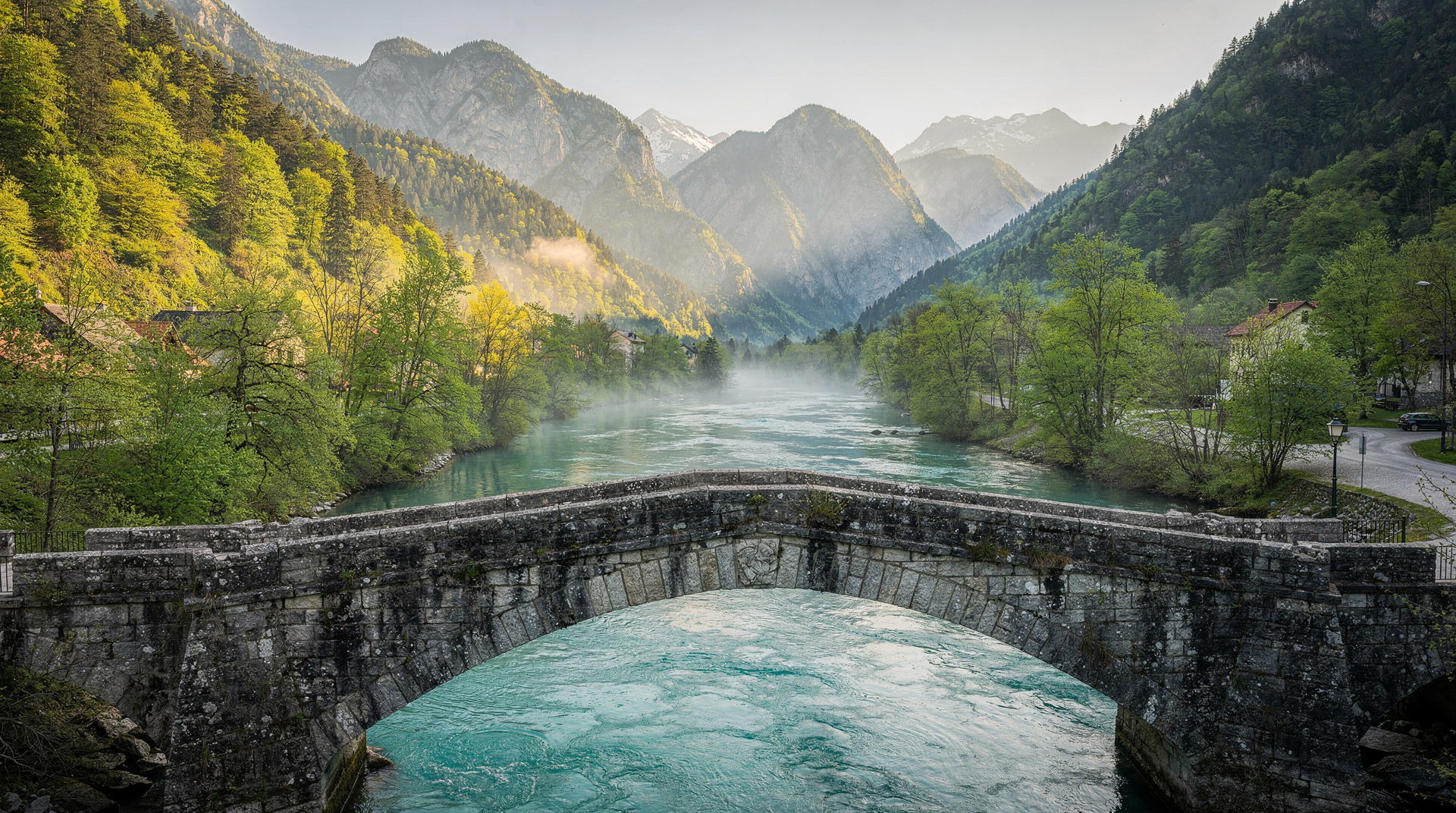
Drive from Ljubljana to the Vipava Valley (60 km, 50 minutes). The valley was known to the Romans (the Via Gemina passed through it) and has been producing wine ever since. Today it is the centre of Slovenia’s natural wine movement — spontaneous fermentation, no added sulphites, minimal intervention.
The Vipava Valley wine express from Ljubljana is a convenient guided version if you prefer not to drive, running from Ljubljana with wine-estate stops and a vineyard lunch included.
If driving independently: start at Zemono Manor house, a Renaissance manor on a hill above the valley with a celebrated restaurant (Gostilna pri Lojzetu, book weeks in advance, €50–80 for a full tasting menu). The view from the terrace over the valley and toward the Trnovo Forest plateau is one of the finest lunch settings in the country.
Afternoon: drive the valley floor through Ajdovščina, stopping at Burja Estate and Sutor winery for tastings. The Vipava Valley has around 50 small producers; many open for tastings by appointment. Accommodation: Zemono Manor (if available, €150–200/night) or return to Ljubljana.
Day 4 — Goriška Brda wine hills
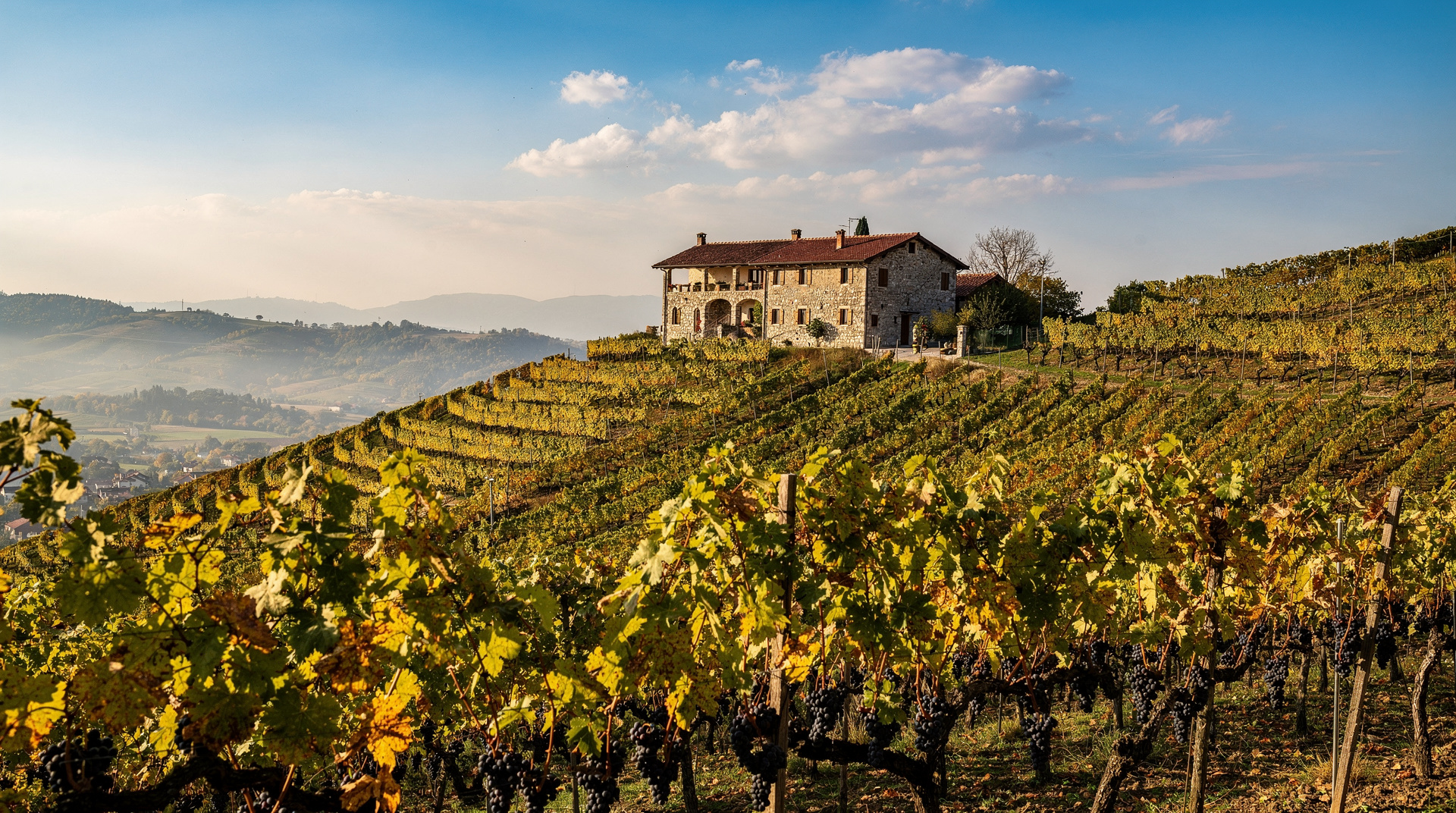
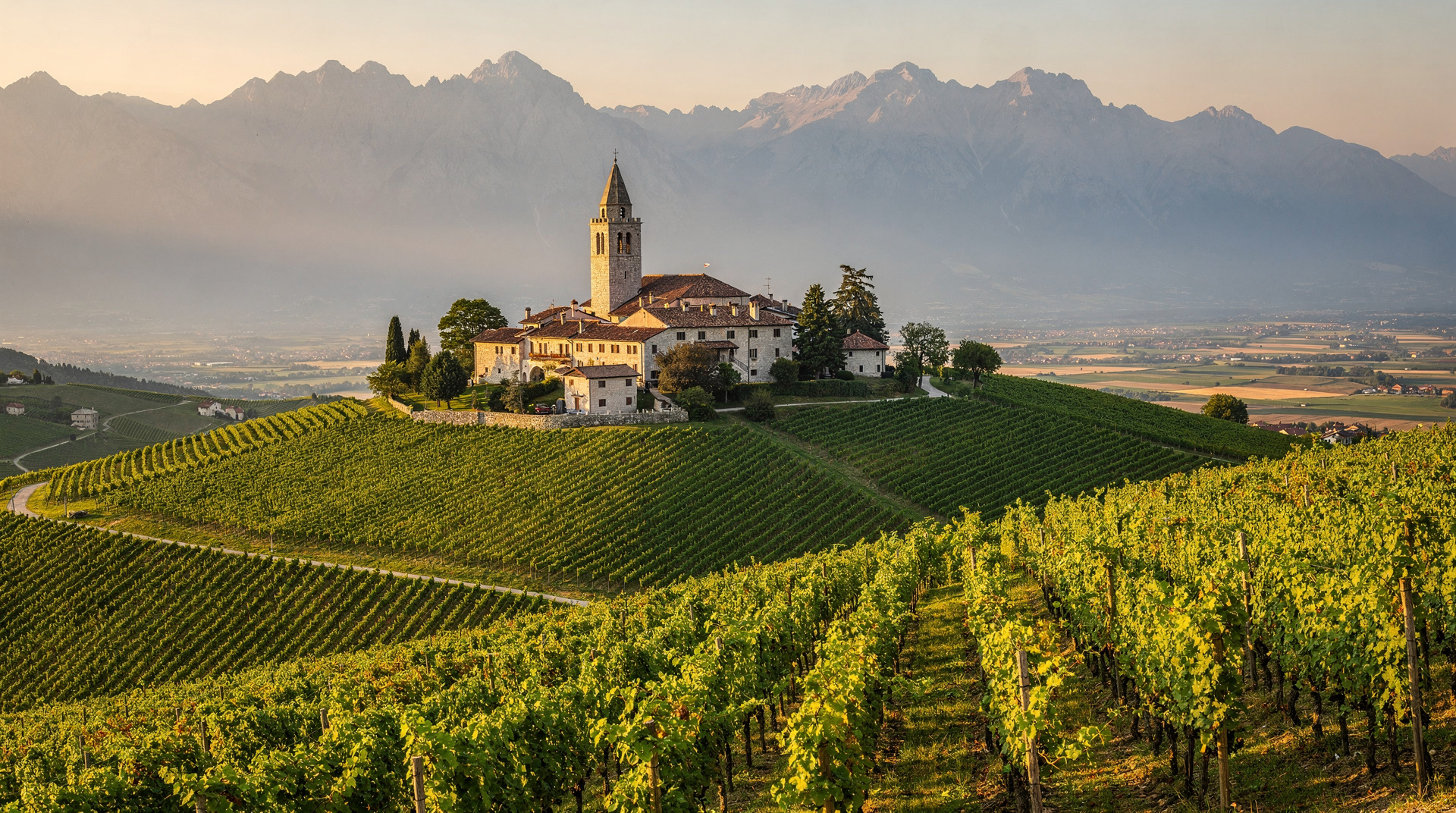
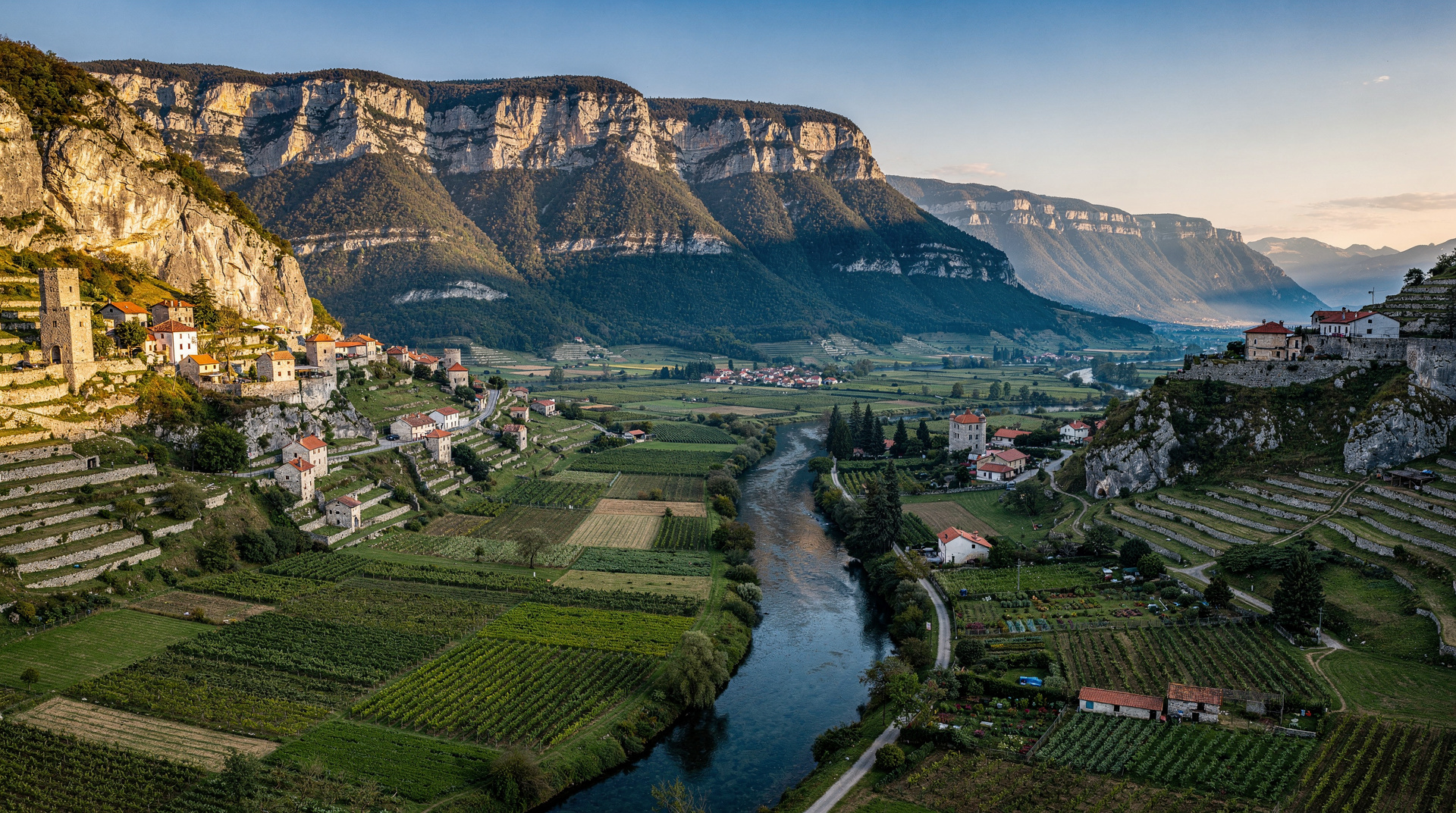
Drive from Ljubljana or Vipava Valley to Goriška Brda (80–90 km, 1–1.5 hours). The Brda hills are Slovenia’s most scenic wine landscape — rolling terraces of vines, cherry trees and olive groves, with the Julian Alps to the north and the Italian Collio hills immediately across the border.
The Goriška Brda wine walk and tasting is the best structured introduction to the region — a guided walk through vineyards and medieval villages with tastings at two or three producers, covering Rebula, Chardonnay and Merlot. The walk passes through Šmartno, the most photogenic walled village in the region.
Lunch at Kmetija Štekar (an agriturismo estate with a full Brda lunch menu, €35–45/person including wines). This is proper slow-food tourism: you eat what the farm produces, in a building that has been in the same family for generations, surrounded by vineyards.
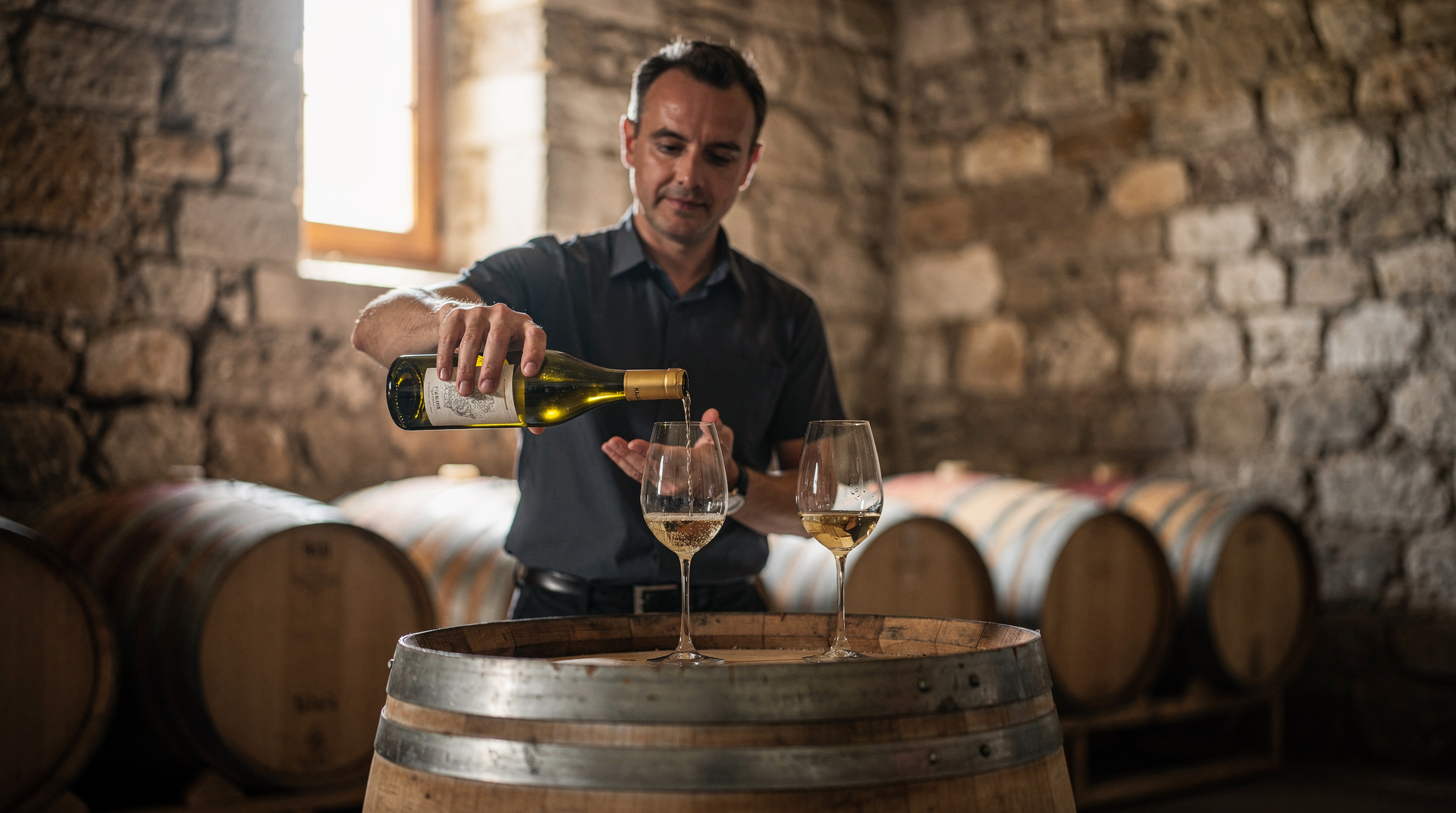
Afternoon: visit the Dobrovo Castle (the central château of the region) and its museum, then continue tasting — Movia winery is the most internationally celebrated Brda producer and offers a remarkable tour of their biodynamic vineyard. Accommodation: Farmhouse Štekar (from €90/room) or the boutique hotel Ata in Vipolže (from €140).
Day 5 — Brda to the coast: Piran and Slovenian Istria
Drive from Goriška Brda to Piran (50 km, 1 hour). The route drops through the Karst plateau and arrives at the Adriatic.
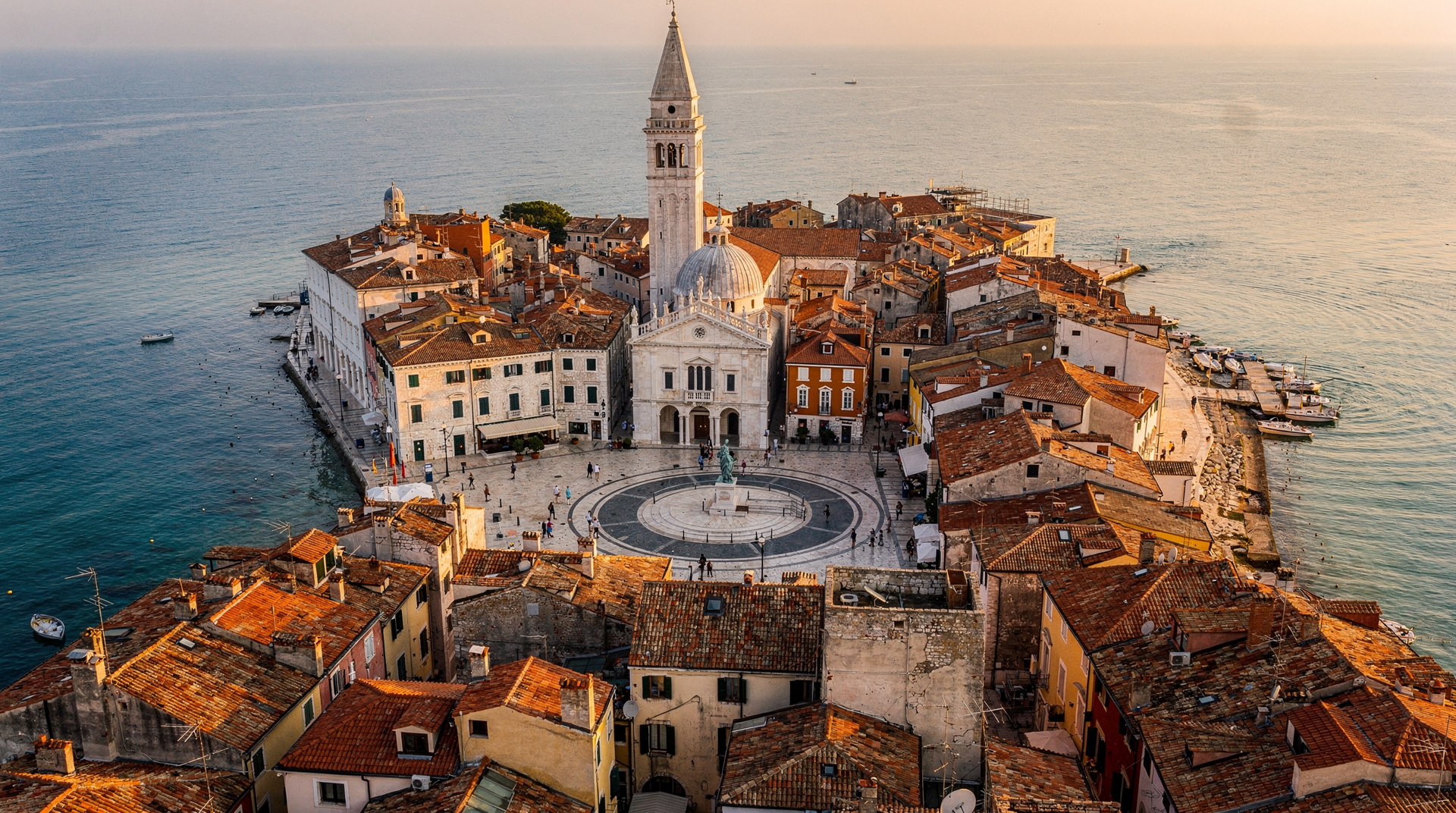
The Piran walking tour with local wine and food tasting provides a coastal food counterpoint to the inland wine focus of the past two days — local olive oil, prsut (cured ham), fresh seafood and Malvazija white wine from the coastal hinterland.
Lunch: the fish market in Piran opens until early afternoon — buy grilled calamari and langoustines directly from the boats in the harbour and eat at the outdoor tables nearby. Or book at Riva restaurant for a full sit-down seafood lunch (€40–60/person).
Afternoon: walk to the salt pans at Sečovlje (5 km south of Portorož) — a natural park where medieval salt production methods are still used. The museum of salt-making is small and fascinating; the landscape of shallow rectangular pans stretching to the horizon is unlike anything else in Slovenia.
Evening: return to Piran for dinner. The best table in town for a special occasion is Pri Mari — a family restaurant in an old stone house with a menu focused on Istrian flavours (truffles, olive oil, local wine). Book ahead; €50–70 for a full evening.
Day 6 — Drive north: the karst and Ljubljana
Drive from Piran to Ljubljana (133 km, 1 hour 20 minutes). Stop en route at Škocjan Caves — the UNESCO-listed underground canyon that is arguably more impressive than the better-known Postojna. Tours run hourly (€18, no advance booking). Allow 2 hours.
Also possible: a stop at the Lipica stud farm (birthplace of the Lipizzaner horses, 10 km from Škocjan) for a guided tour (see current prices on the official Lipica website, lipica.org) and a chance to watch the horses work.
Arrive in Ljubljana by early afternoon. Use the evening for a final urban food experience: the Odprta kuhna (Open Kitchen) street-food market runs every Friday from March to October in front of the BTC city shopping centre — 50+ local food vendors, a genuinely good evening event.
Day 7 — Drive to Bled and the mountain gastronomy
Drive from Ljubljana to Lake Bled (55 km, 50 minutes). Stay at Vila Bled (the former Tito state residence, from €200/night) or the Triglav Hotel (from €150, directly on the lake) for the full Alpine atmosphere.
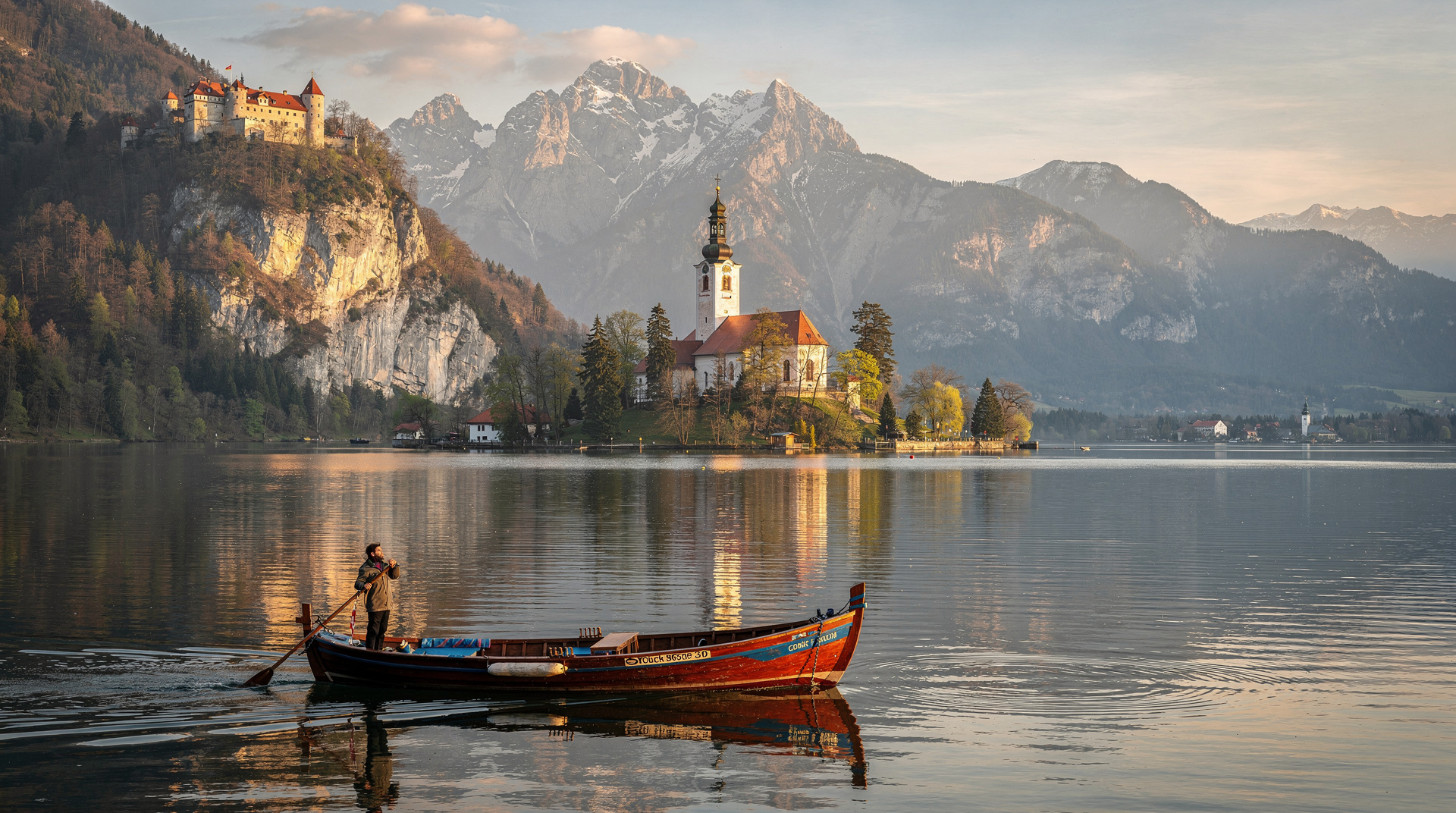
Morning: walk the lake in the early light, take the pletna boat to the island, eat a kremšnita at Slaščičarna Šmon. These are sensory rituals rather than tourist chores at this pace.
Lunch: drive 15 minutes to Radovljica and eat at Gostilna Lectar — a 15th-century building with a menu centred on local honey, venison and trout. The honey-glazed duck is a signature dish; budget €40–50 for a full meal with wine.
Afternoon: the old town of Radovljica (10 minutes’ walk from the restaurant) is one of Slovenia’s most beautifully preserved medieval market squares. The Lectar Honey Cake Museum is a small but charming insight into Slovenia’s beekeeping obsession.
Day 8 — Bohinj valley and farm cooking
Drive from Bled to Lake Bohinj (30 minutes). The valley is Triglav National Park territory and the food culture here is Alpine-pastoral — smoked cheese (bovški sir) from local shepherds, mountain herb teas, trout from the Sava Bohinjka river.
Morning: walk the lake shore (12 km circuit) or take a short hike up to the Pokljuka plateau for a panoramic view. The plateau is a vast high-altitude meadow used for grazing and cross-country skiing.
Lunch: Gostišče Erlah near Stara Fužina is the benchmark for honest valley cooking — local trout, bean soup, štruklji dumplings, all from the surrounding farms. Under €20 for a full meal.
Afternoon: drive up the Savica valley to the waterfall (€4), then back to Bohinj for a late swim and dinner at Pizzeria Zbornica or the Gostišče Pri Hrvatu for something more local.
Day 9 — Soča Valley: Hiša Franko and the river
Drive from Bohinj to Kobarid via the Vršič Pass (if open, May–October) or via Tolmin (year-round). Arrive in time for lunch.
Hiša Franko in Kobarid is the essential reservation for this itinerary. Chef Ana Roš has been named among the world’s best chefs and her restaurant — a farmhouse on a bend in the Soča River — uses ingredients from the surrounding valley, the Adriatic coast and the Alpine mountains in a way that is unmistakably Slovenian. The tasting menu is €90–120 per person; wine pairings €60–80 extra. Book at least three to four weeks ahead.
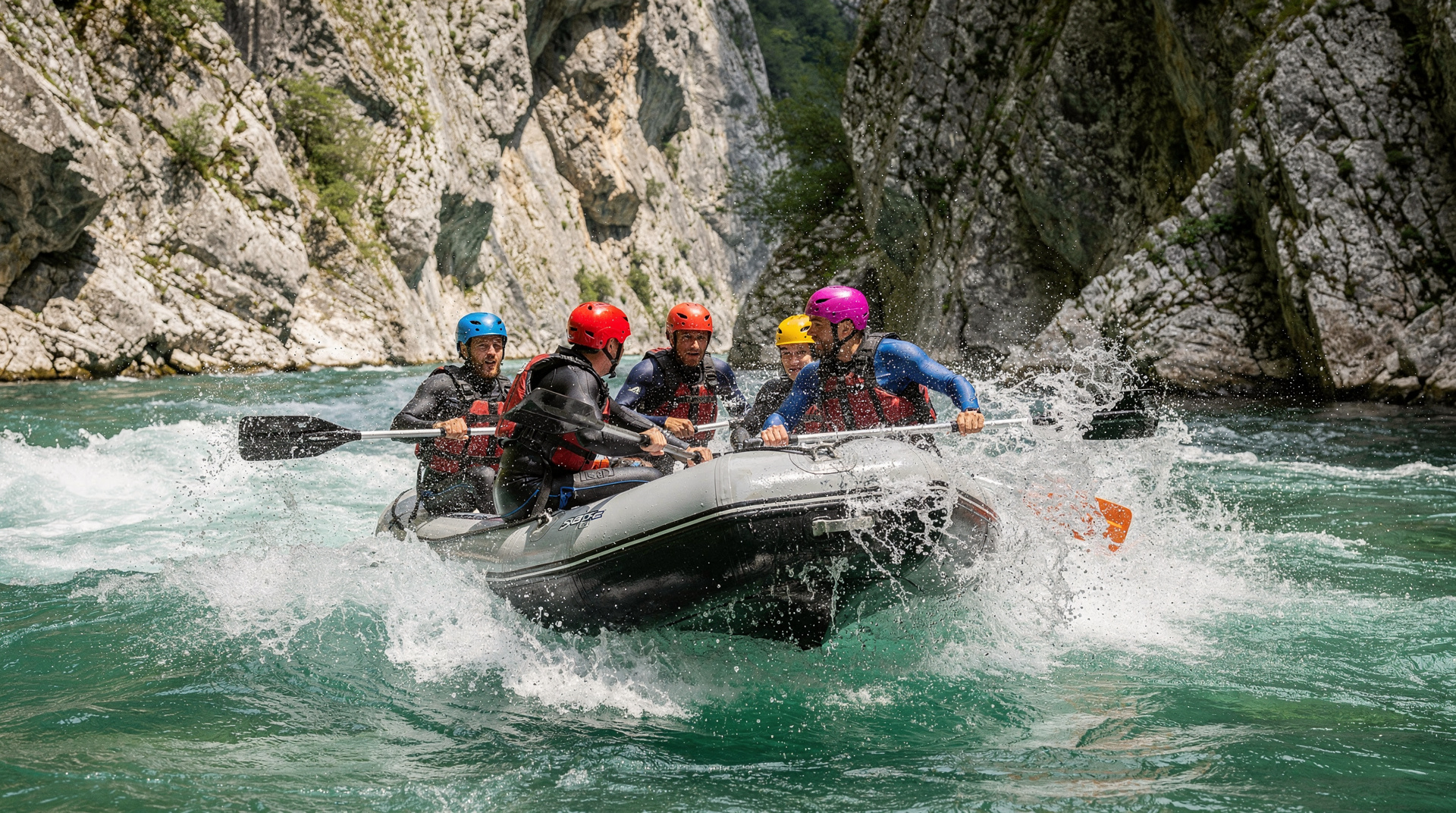
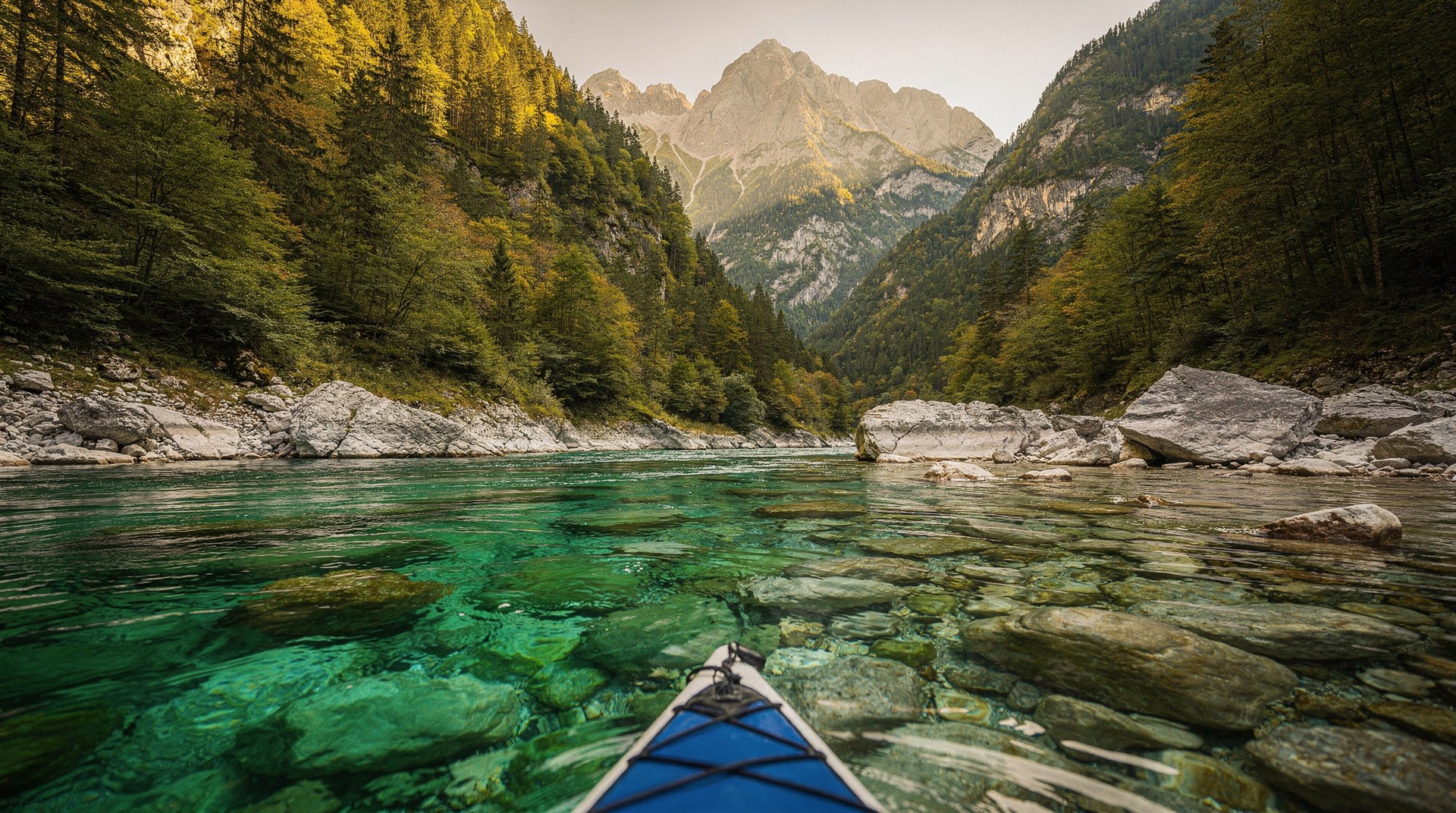
The full-day rafting with picnic on the Soča River is an appropriately active counterpoint to a luxury dinner — the picnic lunch is served on the riverbank after the morning rafting run, surrounded by the impossible blue-green water.
Afternoon: walk the Kobarid Historical trail (5 km, 2 hours) and visit the Kobarid Museum (€7). The context of WWI’s Isonzo front — the landscape that Hemingway described in A Farewell to Arms — adds a profound layer to the physical beauty of the valley.
Day 10 — Final morning and return
Spend the final morning either in Kobarid’s organic food shops (Kobarid has a small but interesting local food economy) or drive back to Ljubljana for a last lunch and airport departure.
Drive Kobarid to Ljubljana is 120 km, about 2 hours via Idrija. Idrija itself is worth a brief stop — a UNESCO Mercury Mine town with an excellent local lacework tradition and one very good restaurant (Gostilna Pri Napoleonu).
Return car at Ljubljana Airport or city centre, take airport shuttle (€4, 50 minutes) or private transfer.
Day-by-day at a glance
| Day | Region | Signature meal or experience |
|---|---|---|
| 1 | Ljubljana | Arrival, Strelec at Ljubljana Castle |
| 2 | Ljubljana | Riverside market, food tour, Atelje |
| 3 | Vipava Valley | Zemono Manor, natural-wine estates |
| 4 | Goriška Brda | Wine walk, Kmetija Štekar agriturismo lunch |
| 5 | Piran | Coastal food walk, Sečovlje salt pans, Pri Mari |
| 6 | Karst → Ljubljana | Škocjan Caves, Odprta kuhna street food |
| 7 | Lake Bled | Radovljica, Gostilna Lectar honey duck |
| 8 | Lake Bohinj | Farm cooking, Savica waterfall |
| 9 | Soča Valley / Kobarid | Hiša Franko, rafting picnic |
| 10 | Kobarid → Ljubljana | Idrija stop, departure |
Vegetarian, gluten-free and solo diners
Slovenian farm cooking is meat- and dairy-heavy by default, but it accommodates other diets more easily than the menus suggest. Štruklji (rolled dumplings) come in cheese, buckwheat or savoury-vegetable versions and appear on nearly every gostilna menu; the natural-wine estates in Vipava Valley and Goriška Brda typically pair tastings with bread, cheese and vegetable spreads that are easy to adapt for vegetarians. Hiša Franko in Kobarid will accommodate vegetarian and most allergy requests if you notify them when booking — the tasting menu format makes substitution straightforward for the kitchen.
Gluten-free travellers should flag it at reservation for any tasting-menu restaurant; buckwheat (ajda) is a staple grain in Slovenian cooking and many dumplings and breads use it instead of wheat, which helps. Solo diners are entirely normal at counter-style market stalls and wine-bar tastings, though the multi-course tasting menus (Hiša Franko, Strelec, Atelje) are best enjoyed reserved as a single seat at the counter or chef’s table if the restaurant offers one — call ahead to ask, since some tables are set for pairs only on the busiest nights.
Notes for slow-travel gastro visitors
Reservations: Hiša Franko requires advance booking (3–4 weeks in July–August, often 6–8 weeks for weekends). Gostilna Lectar, Zemono/Gostilna pri Lojzetu and Pri Mari in Piran all benefit from same-week booking. Most rural agriturismo do not take same-day reservations. Movia Winery in Goriška Brda requires advance notice for cellar tours.
Wine purchasing: Goriška Brda producers ship within the EU; Slovenian natural wines are increasingly exported but buying direct at the estate is the best price and the freshest stock. Ask about taking wine across EU borders — EU rules allow personal quantities without customs declaration. Most producers package bottles in protective cardboard for checked luggage.
Budget: Allow €250–400/person/day for luxury accommodation, meals at destination restaurants, wine tastings and activities. The major cost centres are the Hiša Franko dinner (€90–120/person for the tasting menu), wine-estate accommodation (€150–200/night for premium properties), and the long tasting lunches (€35–50/person). Budget the same total as a similar trip in Tuscany or Burgundy; the value-for-money in Slovenia is significantly better.
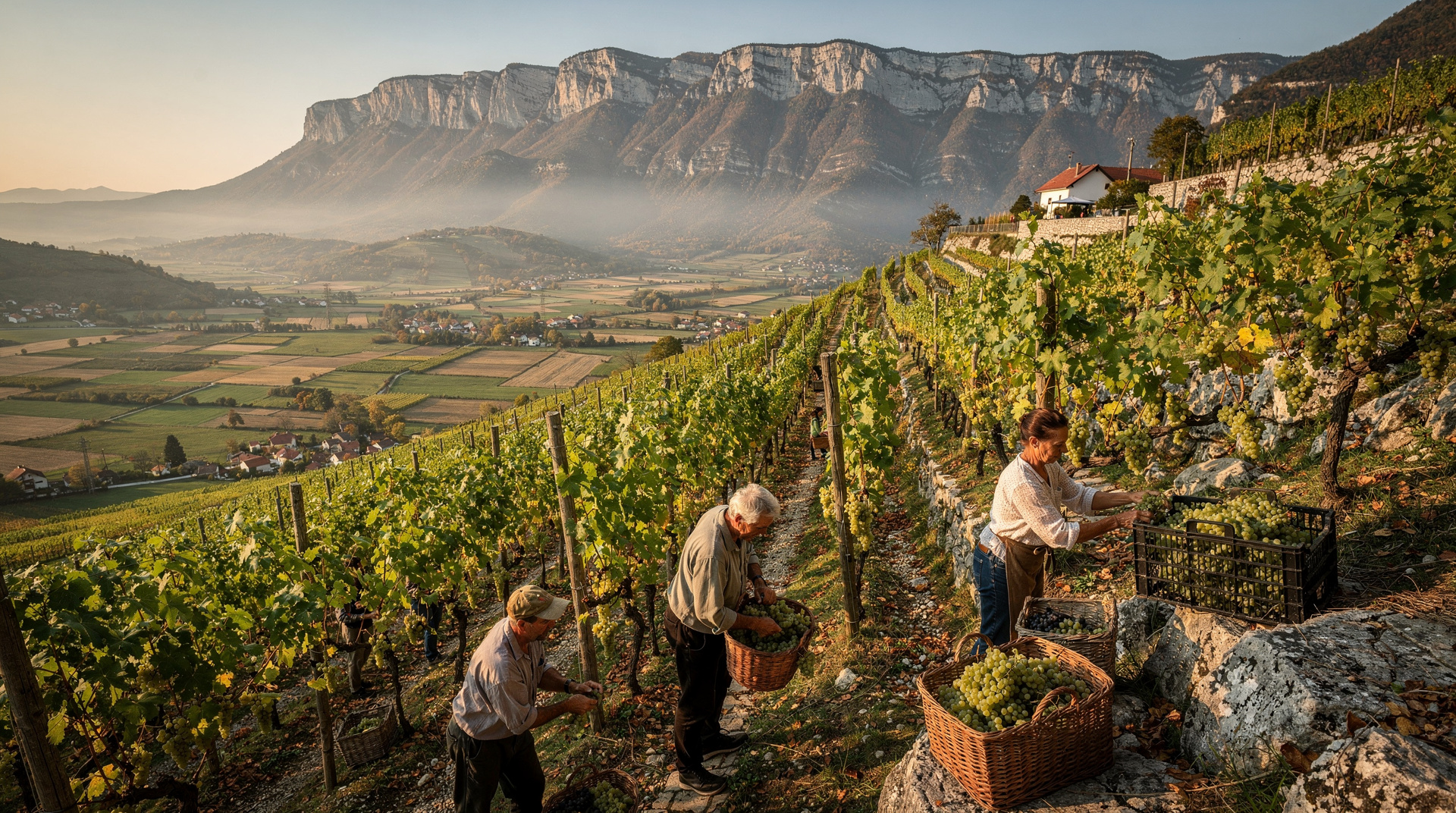
Season: Late May–June and September–October are the best months for this trip. The harvest season (late September–October) makes Goriška Brda and Vipava Valley particularly atmospheric — the smell of fermenting juice, the colour of the vineyards, and the energy of the harvest crews create an experience that is specifically seasonal.
The Slovenian food identity in context
Slovenia’s culinary identity is genuinely distinctive and genuinely underappreciated internationally. The country sits at the crossroads of four culinary traditions: Alpine Central European (hearty stews, dumplings, game), Mediterranean (olive oil, seafood, vegetables), Pannonian (paprika, corn, pork), and Adriatic (fish, seafood, white wine). The combination produces a national cuisine that cannot be reduced to any single tradition.
The beekeeping culture that runs through Slovenian food is one of its most distinctive features. Slovenia has more beekeepers per capita than almost any country in the world — around 7,000 registered beekeepers for a population of 2 million, many maintaining the indigenous Carniolan grey bee (Apis mellifera carnica), a gentle and productive breed developed in these mountain valleys. The Carniolan bee has been exported globally, and its honey — acacia, linden, forest, buckwheat, meadow — is a genuine regional product with measurable geographic variation. The Museum of Apiculture in Radovljica is one of the finest specialist museums in Europe and an essential stop for anyone interested in the food culture.
The Vipava Valley natural wine scene: Slovenia was producing “natural” wine (minimal intervention, spontaneous fermentation, no added sulphites) before the term was fashionable in France or Italy. The philosophy here is less ideological than practical — these are small family farms that have always worked with their own yeast and their own grapes, without the resources or inclination to use the chemical inputs that industrial wine production requires. The wines are not homogeneous (some are brilliant, some are challenging), but the best — Batič’s orange wines, Burja Estate’s Rebula, Movia’s Lunar — are wines that food writers travel specifically to taste.
Coffee and aperitivo culture also runs through this itinerary at a lower key than the headline meals. Ljubljana’s café scene along the Ljubljanica river is Austro-Italian in spirit — long macchiatos, unhurried afternoons, and a genuine local ritual rather than a tourist stop. On the coast, Piran and Portorož lean Venetian: a pre-dinner spritz or a glass of Malvazija on a harbourside terrace as the light changes is as much a part of the food itinerary as any restaurant booking, and costs a fraction of the tasting menus. Building 20–30 minutes for this into most afternoons is what gives the ten days its “slow” character rather than turning it into a string of reservations.
Chef Ana Roš and Hiša Franko deserve more than a dinner entry in an itinerary. The restaurant’s story — an untrained chef taking over a failing riverside inn in rural Kobarid, eventually being named World’s Best Female Chef (2017) and earning a Michelin star — is one of the most compelling narratives in contemporary European food. The tasting menu does not mimic French haute cuisine or Italian tradition; it is explicitly Slovenian, using ingredients from the Soča Valley watershed, the Adriatic coast and the Alpine forests in combinations that are startling and coherent in equal measure.
Building a shorter gastro itinerary
If ten days is too long, the gastro core of this itinerary can be compressed to five or six days without losing the essential experiences:
- Day 1–2: Ljubljana (market, food tour, Atelje)
- Day 3: Goriška Brda (wine walk, agriturismo lunch)
- Day 4: Piran (food and wine walking tour, seafood dinner)
- Day 5: Ljubljana → Bled → Radovljica (Gostilna Lectar)
- Day 6: Kobarid (Hiša Franko, historical trail, return)
This six-day version covers the four key food experiences (Ljubljana market culture, Brda wine, coastal seafood, Kobarid restaurant) without the Bohinj valley and Soča Valley detour. It is a more city-and-restaurant focused trip, appropriate for visitors who prioritise sitting down with a glass of wine over covering ground.
Frequently asked questions about Slow travel gastro Slovenia 10-day itinerary
Do I need a car for this itinerary? A car makes the pace and the wine-estate stops far easier, but it is not essential. The Vipava Valley wine express from Ljubljana and the Goriška Brda wine walk both run as guided day trips from the capital, so a non-driving version built around Ljubljana as a base with guided excursions to Vipava, Brda and Piran is realistic, just less flexible on timing.
How far ahead should I book Hiša Franko? Three to four weeks minimum in July–August, and six to eight weeks for a weekend table. It is genuinely the hardest reservation on this itinerary — book it first, then build the rest of the trip’s dates around the confirmed slot.
Top experiences
Bookable activities with verified prices and instant confirmation on GetYourGuide.