Bohinj & Triglav 7 Lakes Valley Hike Review
Triglav National Park: 7 Lakes Valley hiking tour
The Seven Lakes Valley hike: Slovenia’s most rewarding day walk
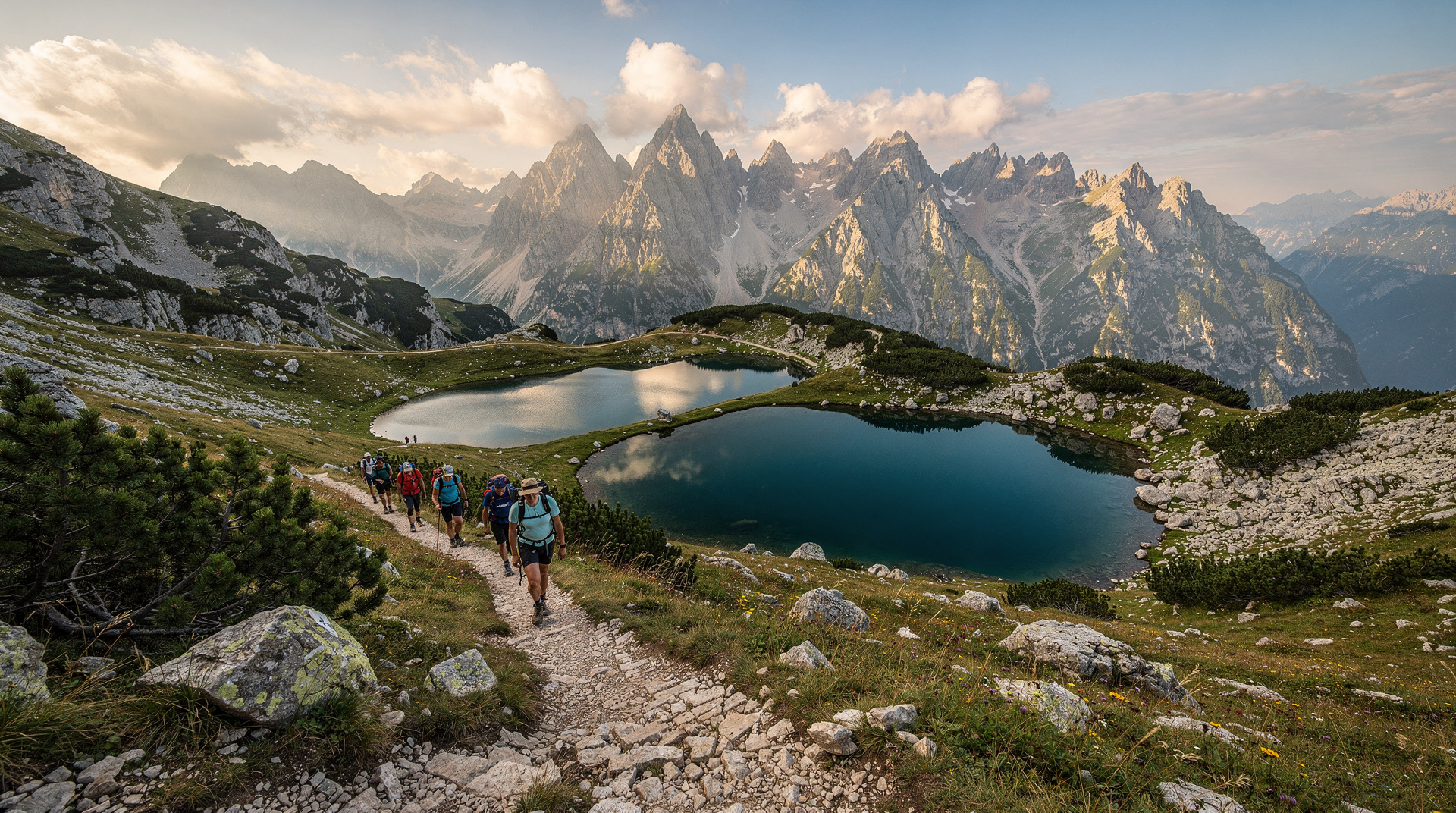
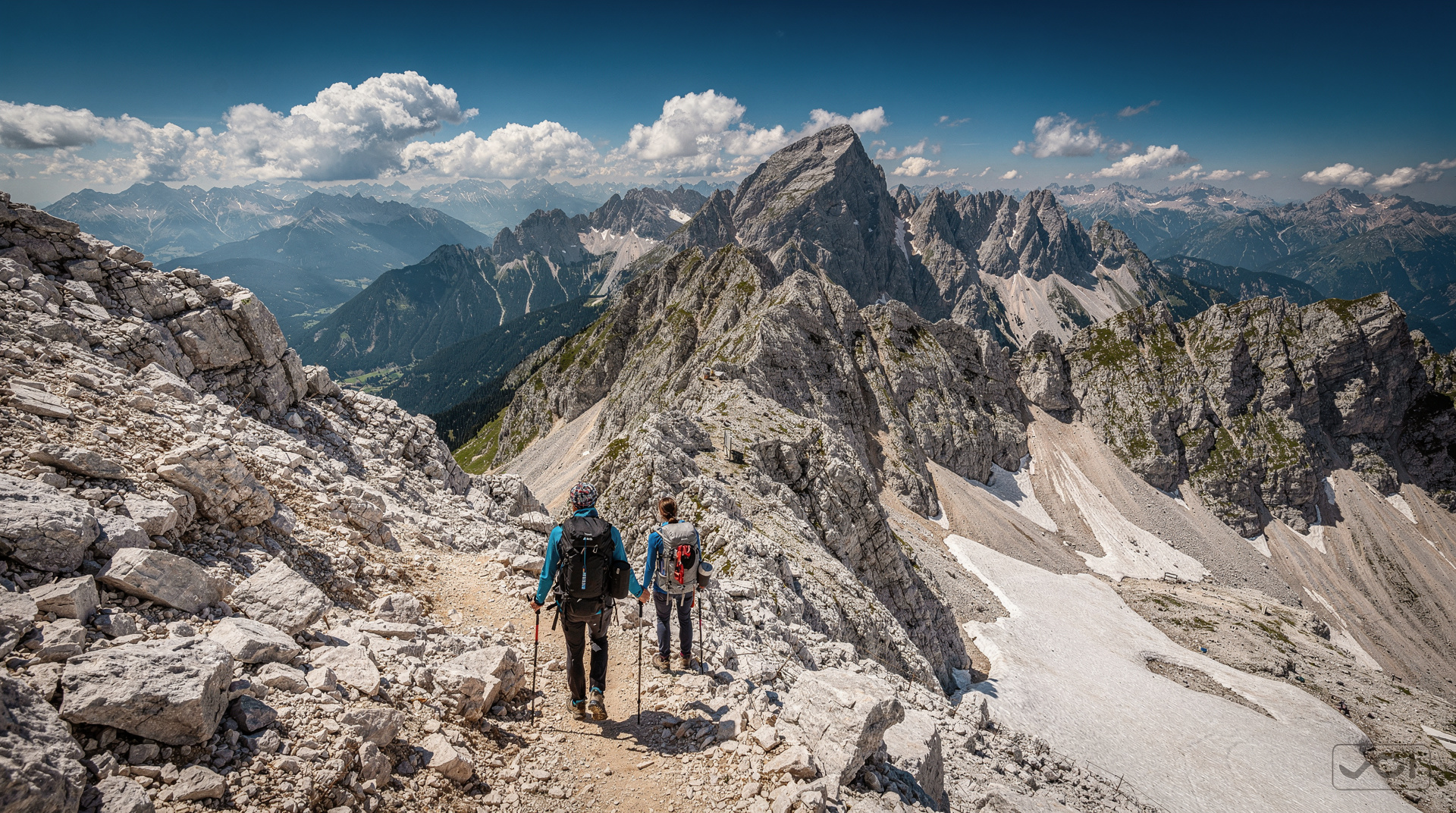
There is a moment, approximately 90 minutes into the climb from Bohinj, when the valley of the Seven Lakes first comes into view. The trail emerges from forest onto open alpine terrain, and ahead stretches a glacial bowl ringed by the peaks of Triglav National Park — limestone ridges, snowfields holding through August, and a string of lakes in various shades of turquoise and steel. It is genuinely one of the most beautiful inland landscapes in Central Europe.
This review covers the guided hiking tour from Bohinj, the physical requirements, and how the experience compares to the full-day Triglav park circuit and the Julian Alps day hike from Bled.
| Where | Seven Lakes Valley, Triglav National Park, from Bohinj |
| Cost | Around €55–70/person guided |
| Time needed | 6–8 hours on trail, 10 hours door to door |
| Getting there | Bus or car from Bled/Ljubljana to Bohinj, then trailhead transfer |
| Best time | July to mid-September for snow-free trails |
What the hike covers
The Seven Lakes Valley (Dolina Triglavskih jezer) sits at 1,600–1,700 metres above sea level in the heart of Triglav National Park. The standard approach from the Savica Waterfall trailhead (accessible by bus or car from Bohinj) climbs approximately 700–900 metres over 5–7 km of trail before reaching the lowest lake (Jezersko oko or Črno jezero) and continuing through the valley.
The guided tour format typically includes:
- Transfer from Bohinj or Bled to the trailhead
- A mountain guide certified for Triglav National Park trails
- Full day on the trail (8–10 hours from departure to return)
- Safety equipment briefing and pack check
- Ecological interpretation throughout
What’s not included:
- Mountain hut lunch (strongly recommended — stop at Dom pri Triglavskih jezerih at 1,685 m, the hut in the valley, for hot food)
- Hiking poles (bring your own or rent in Bohinj)
- Weather-appropriate clothing (essential — see packing section below)
Difficulty assessment: honest and specific
The Seven Lakes hike is classified as moderate-to-challenging (T3 on the Slovenian scale). The specifics:
Elevation gain: 700–900 m to the valley floor. On the classic route, most of the gain comes in the first 2–3 hours. The valley itself is walkable without technical difficulty.
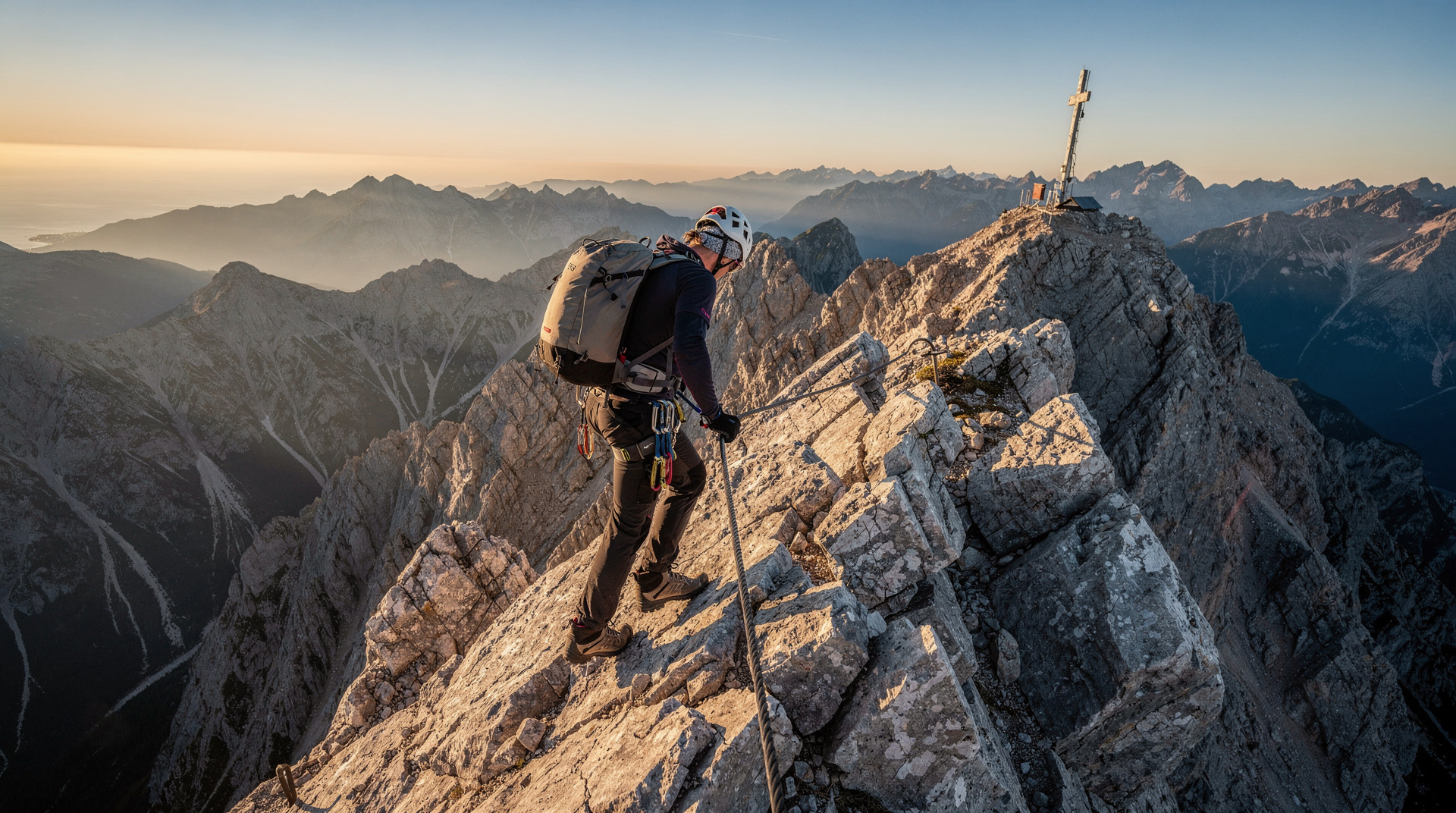
Trail surface: Rocky in the approach section, some loose scree near the top, well-maintained path throughout. No via ferrata sections required on the standard route.
Duration: 6–8 hours for the standard circuit (approach, valley traverse, descent). The guided tour adds transit time, making it a 10-hour day from Bohinj.
Who should not do this hike:
- Anyone with significant knee or ankle issues (the descent is steep)
- Those who have not done any exercise for months (honestly — this is not a stroll)
- Travellers who forget that “moderate hiking” in the Julian Alps is not the same as a flat canal towpath
Who this suits perfectly:
- Regular walkers who do 10+ km days comfortably
- Visitors who want a serious alpine day without technical climbing
- Those who want to access Triglav National Park’s interior without a 2-day summit attempt
Comparing the three hiking options
Seven Lakes Valley hike (this tour): The deepest mountain experience available as a day trip. Best for fit hikers who want genuine high-alpine terrain and the satisfaction of a challenging ascent.
Full-day Triglav National Park tour from Bled: Vehicle-based with walking highlights (Vintgar, Bohinj, Vršič Pass). Covers more geographic ground, requires less fitness, accessible to most visitors. See the Triglav National Park tour review.
Julian Alps hiking day trip from Bled: A guided day hike into the Julian Alps from Bled, typically lower elevation than the Seven Lakes Valley and shorter in duration. Better for those who want a mountain walk without the full-day commitment of the Seven Lakes route.
The choice is primarily about fitness and ambition. Treat the Triglav park tour as the accessible option and the Seven Lakes hike as the serious one.
| Option | Fitness needed | Duration | Best for |
|---|---|---|---|
| Seven Lakes Valley hike | High | 8–10 hours from Bohinj | Fit hikers wanting genuine alpine terrain |
| Full-day Triglav park tour from Bled | Moderate | 9–11 hours from Bled | Broad sightseeing with less exertion |
| Julian Alps day hike from Bled | Moderate | 6–8 hours from Bled | A mountain walk without a full commitment day |
What you see in the valley
The valley contains three groups of lakes: the lower lakes (accessible within 90 minutes of the trailhead), the middle group around the mountain hut, and the upper lakes that require additional 1–2 hours of walking. Most day tours focus on the lower and middle lakes.
Črnoe jezero (Black Lake): The first lake encountered, dark and moody due to depth and the shadow of surrounding peaks. Surreal on a calm morning.
Dom pri Triglavskih jezerih: The mountain hut in the valley (1,685 m) is one of the great alpine lunch stops in Slovenia. Hot soup, grilled cheese, and Slovenian beer with a view of the valley and Triglav summit above. Book a table in advance in July–August.
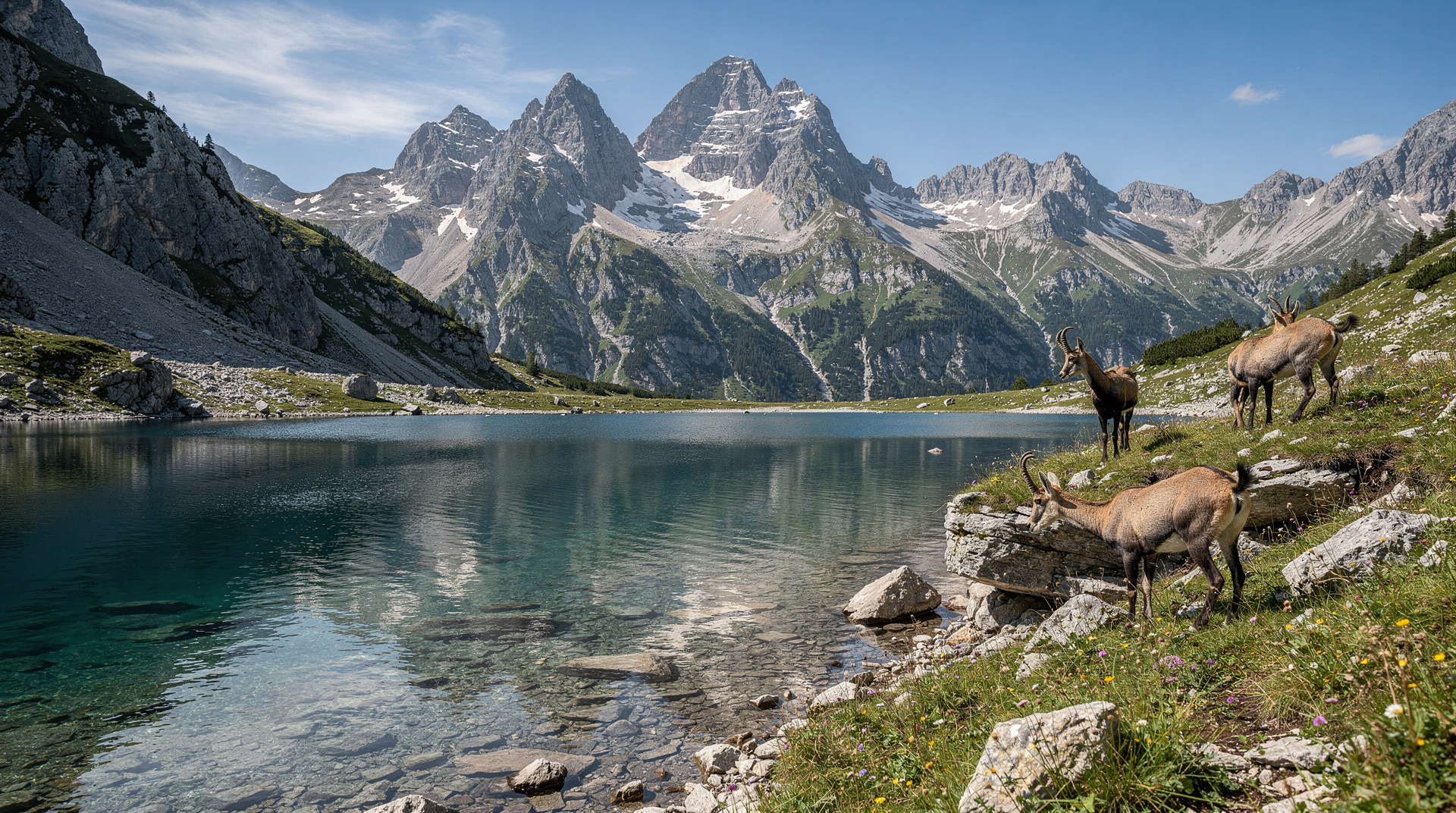
The upper lakes: Higher, more remote, and quieter. The colour shifts from dark blue to turquoise as the glacial minerals concentrate. Few day visitors make it this far, which makes the upper valley feel genuinely wild.
Getting to Lake Bohinj
Lake Bohinj is 30 minutes west of Lake Bled by road, or accessible by bus from both Bled and Ljubljana. The village of Bohinjska Bistrica has a train station (direct from Ljubljana via Bled). From the lake, buses run to the Savica trailhead in summer.
The Lake Bohinj guide covers the lake itself and the transport options in detail. For comparison with Bled, read Bled vs Bohinj.
What to pack
The single most important thing for this hike: do not underestimate the weather change at altitude. At Bohinj (526 m) it may be 25°C and sunny. At 1,700 m, a cloud can drop the temperature to 10°C with wind in 30 minutes. The Julian Alps generate their own weather systems.
Required:
- Waterproof jacket and trousers or warm insulating layer
- Hiking boots with ankle support (trail runners are borderline acceptable; sandals are not)
- 2+ litres of water (the mountain hut supplements this)
- Sunscreen and hat (alpine UV is intense)
- Some food for the ascent (the hut is at the halfway point)
Optional but highly recommended:
- Trekking poles for the descent
- Gaiters for early-season snow
Seasonal considerations
June: Possible snow on upper trails. Check conditions. The valley lakes may still be frozen or partially iced. The wildflower display at lower elevations is exceptional.
July–August: Peak season. All trails open, mountain hut crowded at lunch. Best weather statistically, though afternoon thunderstorms are common — aim to be above treeline by 10 am and back down before 3 pm.
September: Best overall hiking month. Lower crowds, excellent light, autumn colour beginning. Water levels in the lakes at their most dramatic.
October–May: Trails require mountaineering experience and equipment. Not suitable for day hikers without alpine training.
For an overview of all top hikes in Slovenia, the best hikes in Slovenia guide gives a comparative difficulty and season overview.
The Seven Lakes Valley hike is Slovenia’s best mountain day trip. It is physically demanding enough to feel earned and scenically rewarding enough to justify every metre of elevation gain. The guided format adds safety and pace management that is genuinely useful on a technical alpine trail.
Book this if you have hiking experience and want to go deep into Triglav National Park in a single day. If you’re newer to mountain walking or want to cover more of the country’s geography, start with the full-day park circuit and work up to the Seven Lakes on a second visit.
The Seven Lakes Valley hike guide covers the trail in full detail including navigation, alternative approaches, and photography tips.
The Savica Waterfall: do not skip the approach
The standard approach to the Seven Lakes Valley starts from the Savica Waterfall trailhead, which requires first visiting the waterfall itself — a 20-minute walk from the car park. Savica is a 78-metre free-falling waterfall that drops through a narrow limestone slot into a turquoise pool. It is one of the most photogenic waterfalls in the country and the entry fee (€4 from age 16, free under 16, since 1 August 2026) is the best-value ticket in the Julian Alps.
The waterfall is featured in Slovenian Romantic poet France Prešeren’s 1836 poem “The Baptism on the Savica,” which gives it a literary significance well beyond its physical beauty. Every Slovenian schoolchild knows the poem; your guide will appreciate it if you ask about it.
Entry to the Savica area is paid at a kiosk; the waterfall itself is a short walk from the parking area. In spring the waterfall is at maximum force; in late summer it reduces but the pool colour deepens.
Lake Bohinj in its own right
The Seven Lakes hike departs from the Bohinj area, but Lake Bohinj itself deserves more attention than a trailhead transit. At 4.3 km long and 1 km wide, it is the largest glacial lake in Slovenia — roughly four times the surface area of Lake Bled. Its shores are undeveloped, the water is swimmable (temperature 22–24°C in August), and there is no island or castle competing for photographs.
What Bohinj has that Bled does not:
- Room to breathe, particularly in July and August
- Directly accessible swimming from multiple points along the shore
- The Vogel cable car (summer and winter) rising to 1,535 m above the lake
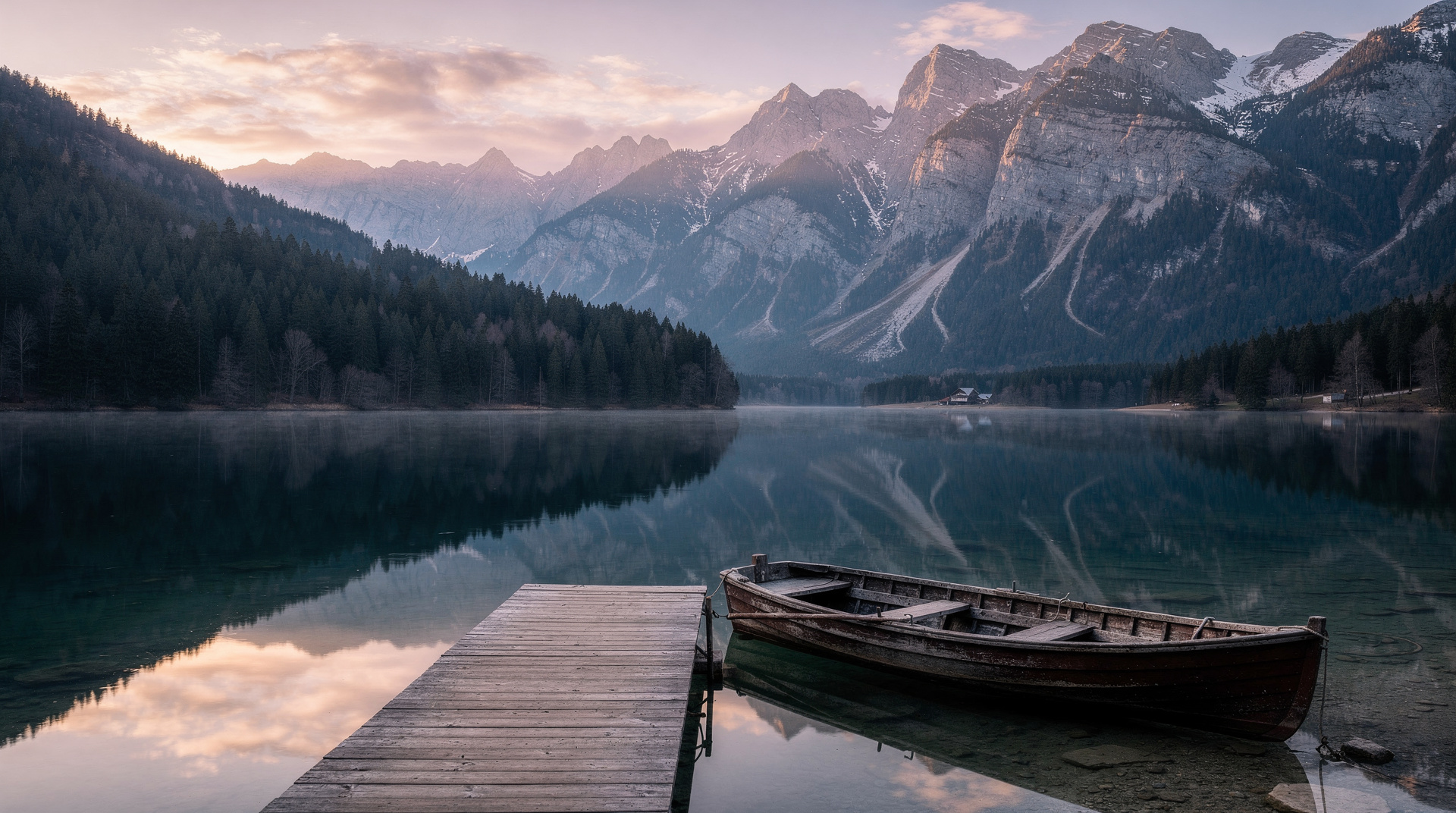
- One of the most peaceful reflective views in Slovenia at dawn — the mountains mirrored in a lake that is usually glassy at 6 am
For the full picture, read the Lake Bohinj guide. For the comparison with Bled, the Bled vs Bohinj guide is the definitive reference.
Basing yourself in Bohinj
For multi-day hiking visitors, Bohinj makes an excellent base:
- Hostel Pod Voglom (near the lake): clean, well-run, popular with hikers
- Eco Hotel Bohinj (Bohinjska Bistrica): mid-range, cycling and hiking packages available
- Several apartment and farm stays in the valley
The village of Stara Fužina (north shore of the lake) has a traditional cheese museum, a small market, and several gostilnas serving lake trout. Bohinjska Bistrica (5 km east) is the service town with supermarkets, pharmacy, and the train station.
From Bohinj, the Seven Lakes Valley is one of multiple multi-day hiking options. The Triglav National Park circuit, the Triglav summit approach from the south, and the Vogel ridge trail are all accessible from the same base.
Responsible hiking in the national park
Triglav National Park has strict environmental rules. Key ones for day hikers:
- Do not pick wildflowers or collect stones, plants, or mushrooms inside the park boundary
- Do not leave the marked path in protected ecological zones (signed in the valley)
- Camp only at designated sites — random camping is prohibited
- All waste must be carried out; there are no rubbish bins on the trail above the mountain hut
- Dogs must be on a lead inside the park
The mountain hut (Dom pri Triglavskih jezerih) operates a pack-in, pack-out waste system. Composting toilets are available. The hut team is uniformly helpful for hikers with questions about conditions ahead.
For national parks access, rules, and the park’s conservation work, the Triglav National Park guide has a full section on responsible visiting.
Alternative routes into the valley
Most guided tours use the standard Savica Waterfall approach, but two other routes exist for hikers who have done the classic trail before or want to avoid the busiest path. The Komarča route climbs a different ridge with steeper, more exposed sections but rewards with wider views over the lower lakes as you ascend — it is the preferred choice for photographers wanting a different angle on the valley. A longer multi-day option approaches from Pokljuka Plateau via Vodnikov Dom, adding a night in a mountain hut and a more gradual, arguably more scenic climb spread over two days rather than one.
Guided tours generally stick to the Savica route because it is the most reliable in terms of timing and safety, but independent hikers with good navigation skills and appropriate fitness can request the Komarča route from some operators, or plan the Pokljuka approach themselves using the Julian Alps hiking guide for the full route breakdown.
Combining the hike with a Bohinj stay
Given the early start and long day required, many hikers choose to stay overnight in Bohinj rather than commuting from Bled or Ljubljana on the same day. This removes the additional 30–90 minutes of transfer time at each end and allows an earlier trailhead departure, which matters in July and August when afternoon thunderstorms are a real risk above the treeline.
A typical two-night Bohinj itinerary: arrive the evening before, do the Seven Lakes hike on a full day with an early start, then use the second day to recover with a gentle lake circuit walk or the Vogel cable car for high-altitude views without the climbing effort. This pacing turns what would otherwise be an exhausting single day into a genuinely enjoyable mountain weekend, and it leaves a buffer day in case weather forces a postponement of the hike itself.
Compare top tours
Frequently asked questions about Bohinj & Triglav 7 Lakes Valley Hike Review
How hard is the Seven Lakes Valley hike?
Moderate to challenging. The main approach from Lake Bohinj to the valley involves 700–900 m of elevation gain over 5–7 km. The valley itself is relatively flat. Total distance is 12–16 km depending on the route. Good fitness and proper hiking footwear are required.How many lakes are there in the Seven Lakes Valley?
The name is traditional — there are actually more than seven lakes in the valley (up to 28 small glacial lakes depending on the season and what you count). The seven main ones include the most beautiful and the most accessible by the standard trail.When is the best time for this hike?
July to mid-September for fully snow-free trails. Late June can have snow on the upper sections. October is beautiful for autumn colours but the days are shorter. The valley is inaccessible in winter without mountaineering equipment.Do I need a guide for the Seven Lakes Valley hike?
The trail is well-marked (Slovenian mountain marking system: red circle with white centre). An experienced hiker can do it independently. A guide adds safety, pace management, and ecological context. For groups with mixed fitness, a guide is recommended.Is Lake Bohinj better than Lake Bled for hiking?
Bohinj is better positioned for serious mountain hiking — the Seven Lakes Valley and the Triglav approaches start from Bohinj. Bled has better infrastructure. For day hikes into the high alpine, Bohinj is the superior base.Can beginners do the Seven Lakes Valley hike?
Fit beginners with no fear of steep terrain can manage it, but this is not a first hike. The 700–900 m elevation gain over 5–7 km, combined with a full 6–8 hour day, requires a reasonable base level of fitness. Those newer to hiking should start with a shorter trail and build up, or join a guided group where pace is managed for mixed abilities.What shoes do I need for the Seven Lakes Valley hike?
Proper hiking boots with ankle support and a grippy sole are essential — the approach trail has rocky and loose-scree sections, and the descent is steep enough that ankle rolls are a real risk in trail runners or trainers. Broken-in boots, not brand new ones, are strongly recommended.