Triglav National Park Tour from Bled Review
From Bled: full-day Triglav National Park tour
Triglav National Park: full-day guided tour vs going it alone
Triglav National Park covers 840 km² of the Julian Alps — roughly 4% of Slovenia’s total area — and contains the country’s highest peak, its most dramatic gorges, its clearest alpine lakes, and terrain that changes from karst meadows at 600 metres to permanent snowfields above 2,500 metres. A full-day guided tour from Bled is the single most efficient way to see the park’s highlights if you have limited time.
This review covers what the standard full-day tour from Bled includes, where the value is, and how the guided experience compares to independent exploration.
| Where | Triglav National Park: Vintgar, Bohinj, Vršič Pass |
| Cost | Around €65–80/person |
| Time needed | Full day, 9–11 hours from Bled |
| Getting there | Included transport from Bled or Ljubljana |
| Best time | June–September for full Vršič Pass access |
What a full-day Triglav National Park tour typically covers
The exact itinerary varies between operators, but the standard full-day tour from Bled follows a circuit through the park’s western highlights. A representative day:
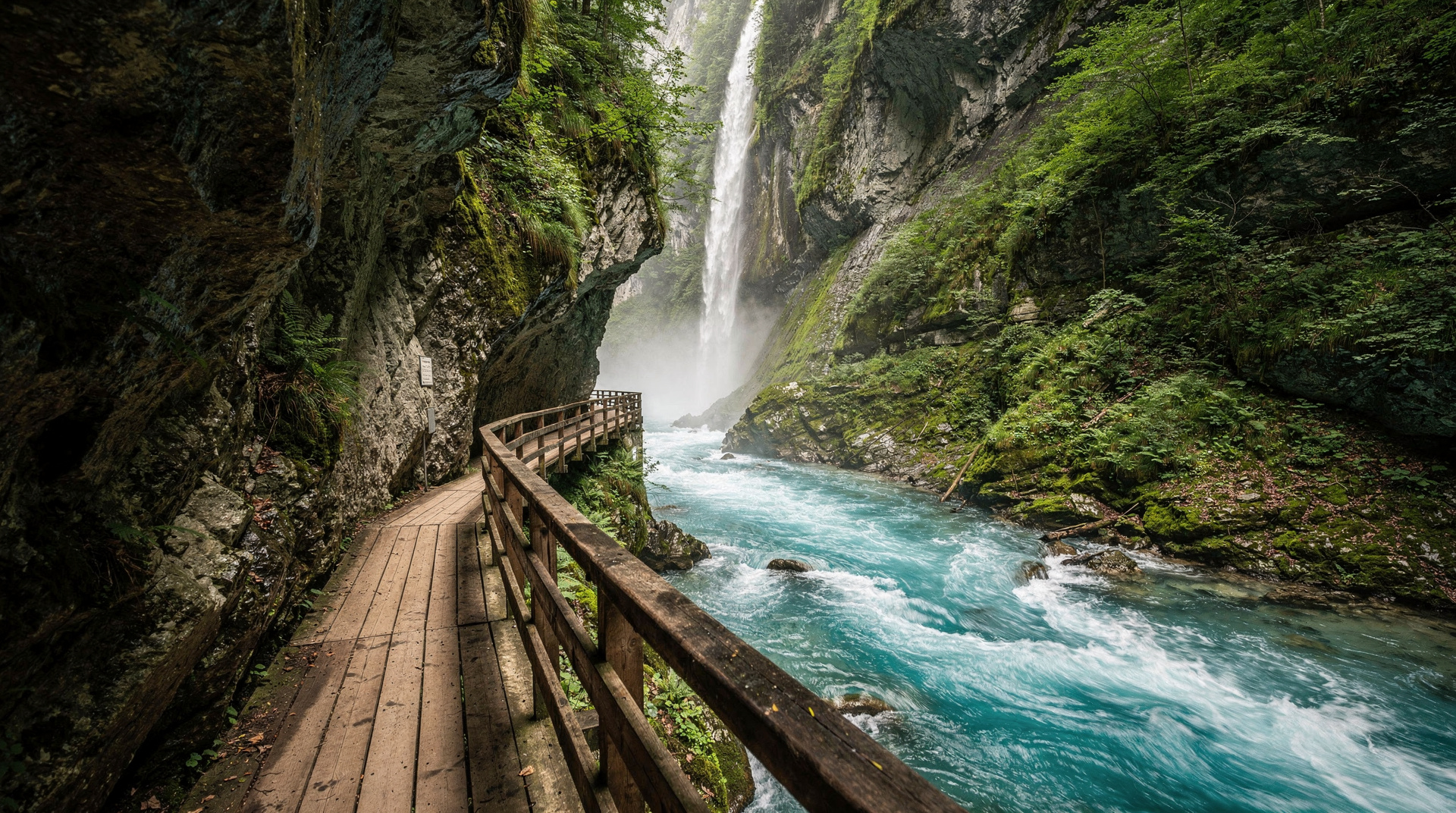
Morning (8–9 am departure): Vintgar Gorge, a 1.6 km boardwalk path through a dramatic limestone canyon carved by the Radovna River. The path was engineered in 1893 and runs alongside and above the rushing water, passing waterfalls and emerald pools before ending at the Sum waterfall. This section alone takes 45–60 minutes and is one of the most beautiful short walks in the Julian Alps. Note: Vintgar is open April–October and closed November to March.
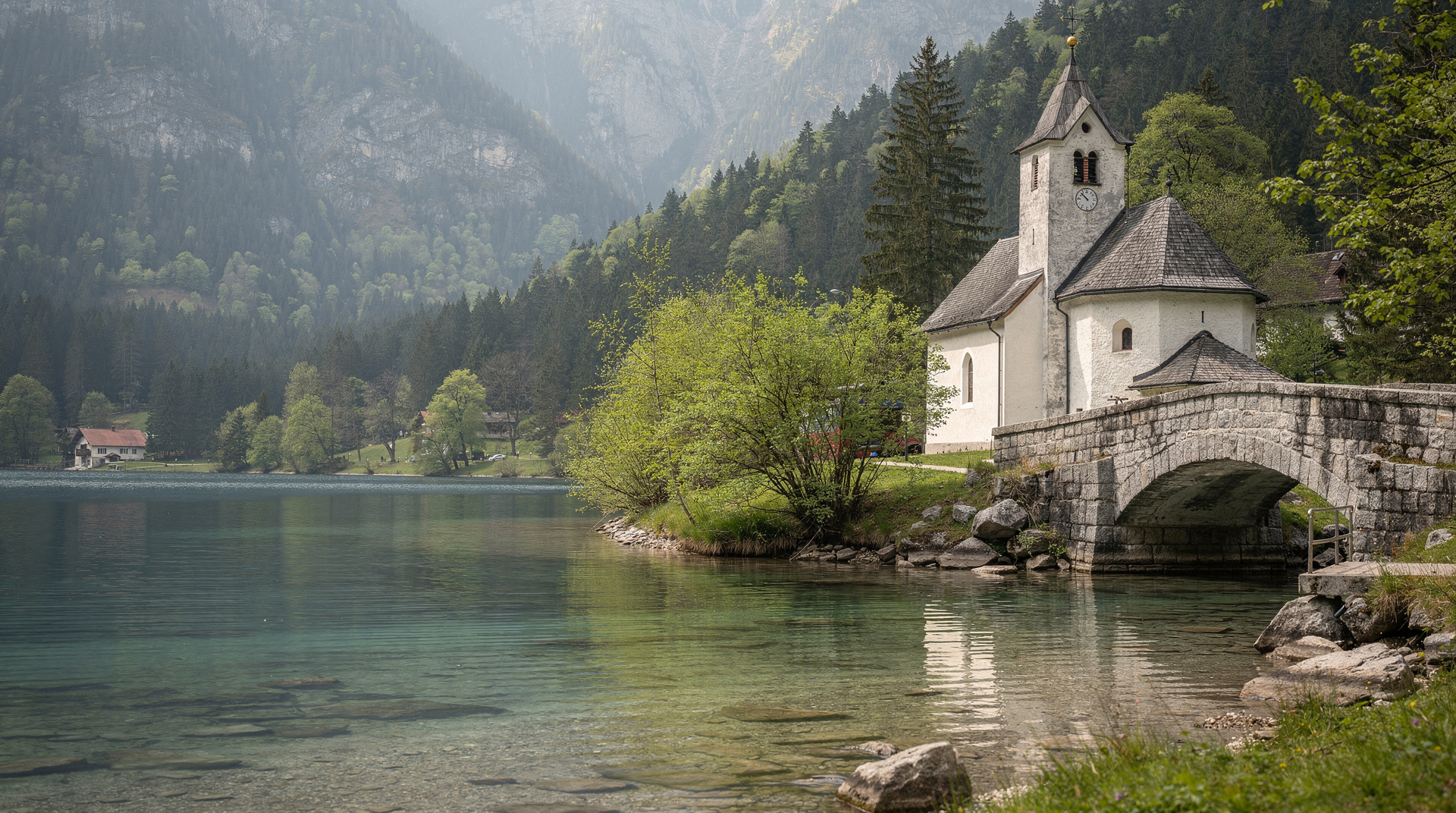
Mid-morning: Transfer to Lake Bohinj (30 minutes from Bled), the larger, quieter alpine lake to the west. Bohinj is the contrast to Bled — no island, no castle, fewer crowds, and an elemental quietness that many visitors prefer. From Bohinj, the tour typically adds either the Savica Waterfall (40-minute round-trip hike) or a boat ride on the lake.
Afternoon: The Vršič Pass circuit, when open (June–October). The pass road crosses 24 Russian-built hairpin bends to reach 1,611 metres — the highest pass in the Julian Alps accessible by road. The views of Mount Triglav (2,864 m) and the surrounding peaks are exceptional. From the pass, the tour descends into the Soča Valley, passing the Soča spring and giving a first view of the turquoise river before returning to Bled.
What’s included and what’s extra
Typically included:
- Guide throughout (English-speaking on most major operators)
- Vehicle and transport between sites
- Vintgar Gorge entry fee (€15 for adults in 2026)
- National park entry (no separate fee for the park itself, only specific attractions)
Typically not included:
- Lake Bohinj boat ride (approximately €12)
- Savica Waterfall entry (€4 from age 16)
- Lunch (pack your own, or stop at a mountain hut on the Vršič Pass — worth it)
- Bled Castle or Bled Island (separate tour or independent addition)
The Seven Lakes Valley hiking option
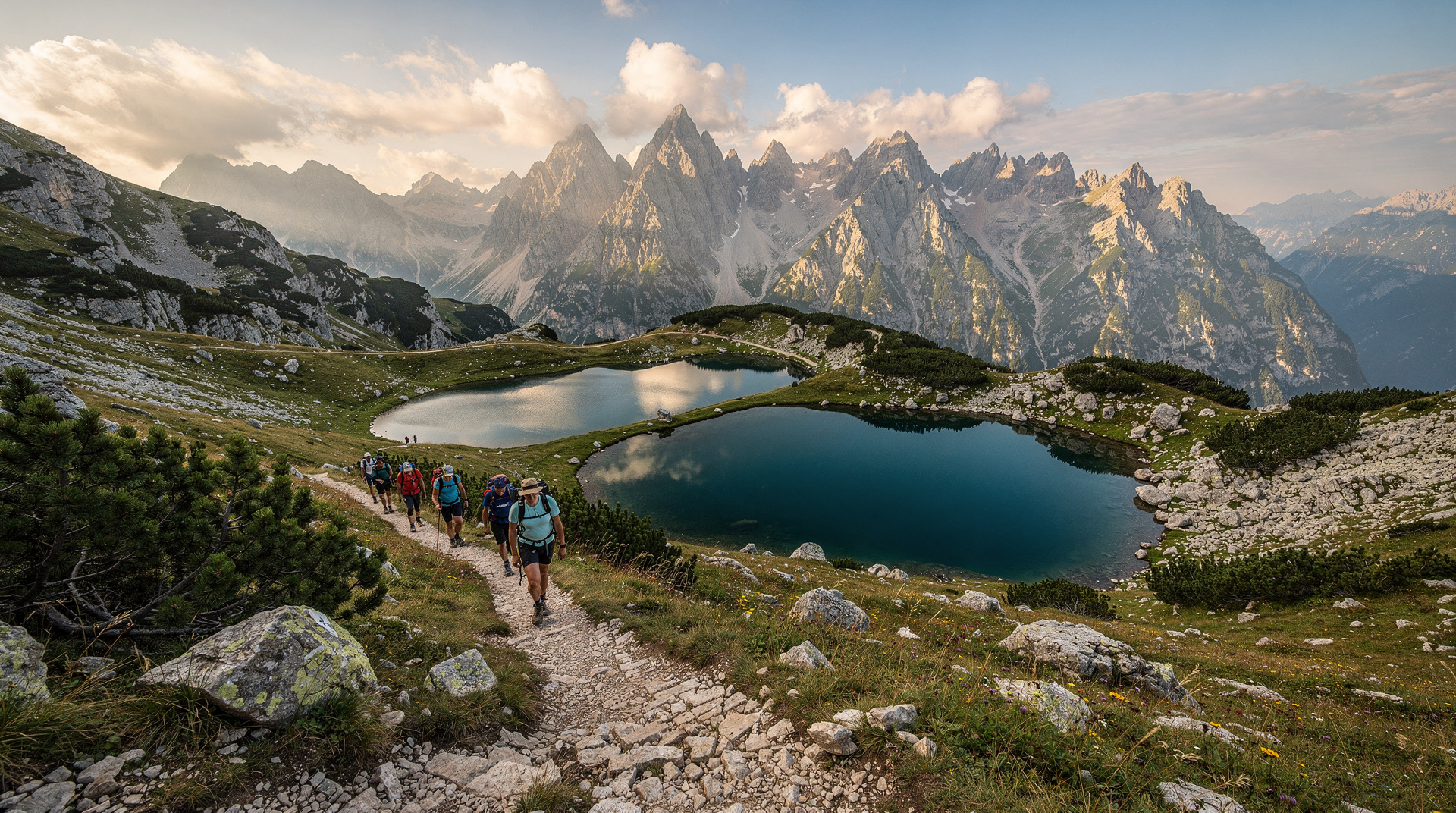
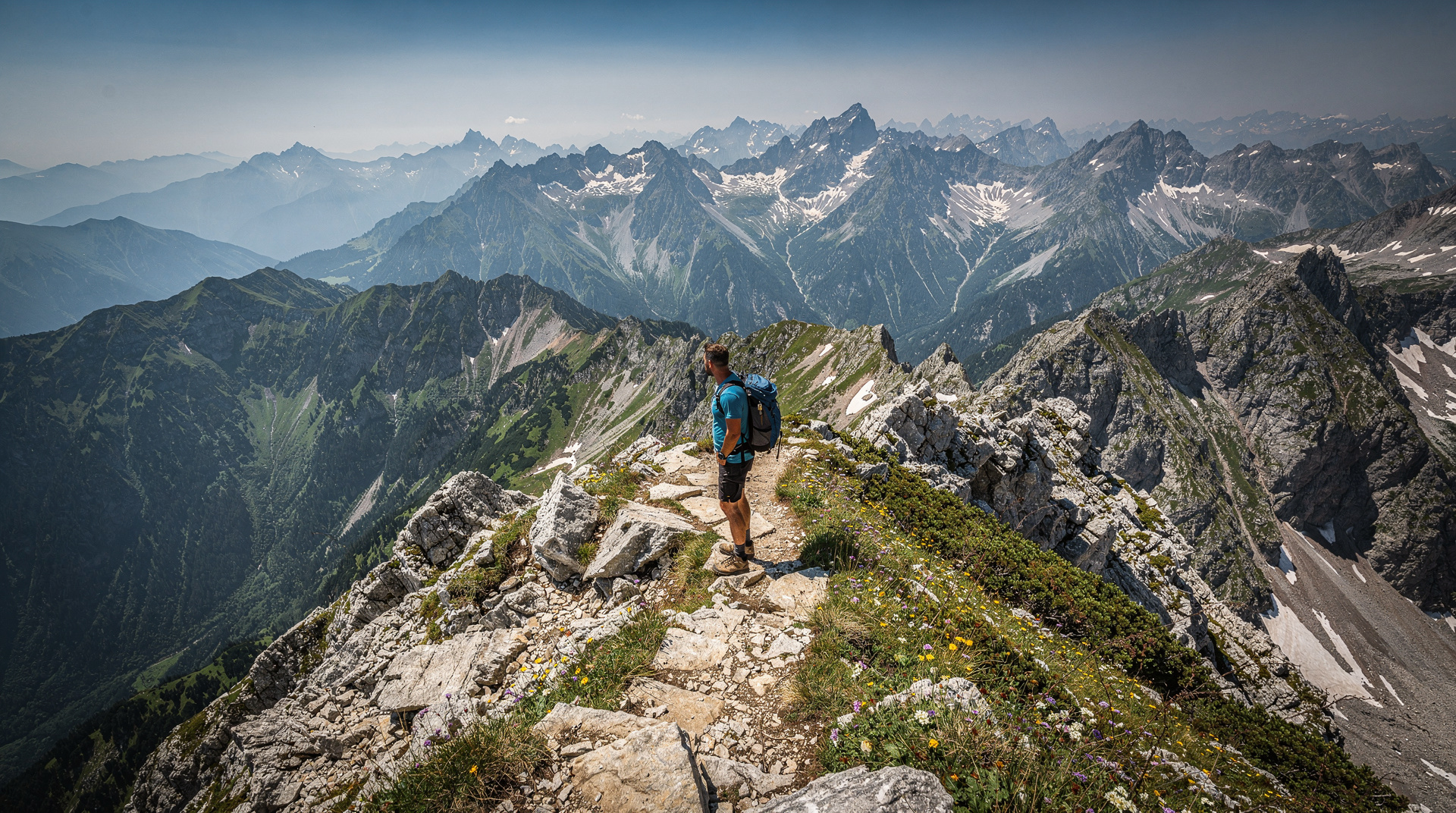
The comparison table includes the Seven Lakes Valley hiking tour from Bohinj — a fundamentally different experience. Where the full-day park tour is a vehicle-based circuit with walking highlights, the Seven Lakes hike is a 12–16 km mountain hike to the glacial lakes above Bohinj. The difficulty is moderate-to-challenging (800+ m elevation gain), and the reward is views of seven alpine lakes strung through a high valley that feels genuinely remote.
This tour suits fit hikers who want a proper mountain day. The full-day park tour suits those who want maximum ground covered with moderate exertion. They are complementary, not competing products, if you have two days.
Read the Seven Lakes Valley hike guide for the detailed hiking breakdown.
The 2-day Triglav summit
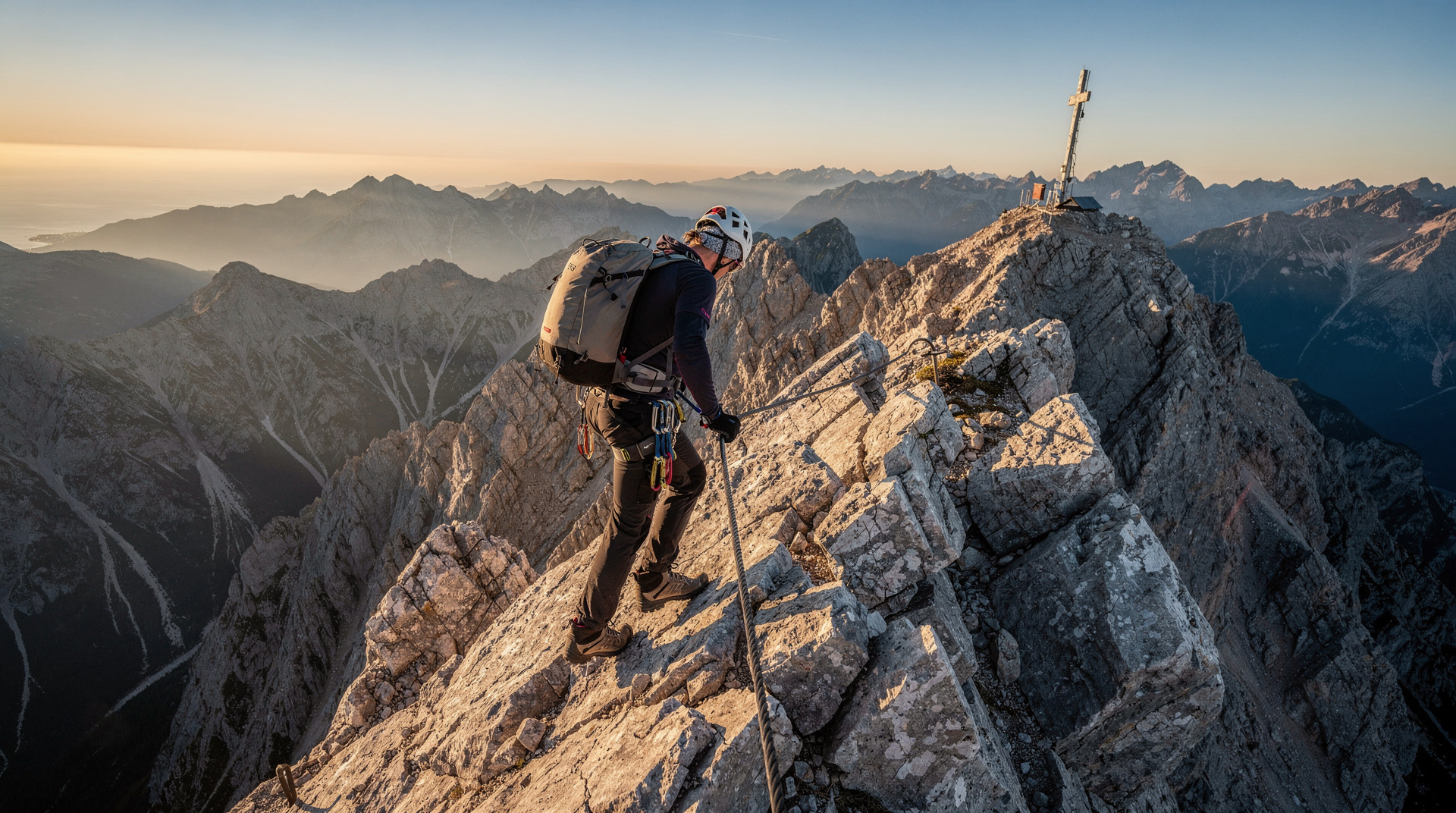
The 2-day summit option is in a different category entirely. Triglav (2,864 m) is the national symbol of Slovenia — every Slovenian is said to climb it at least once. The guided 2-day ascent includes mountain hut accommodation, technical gear, and a mountain guide licensed for alpine routes. This is for fit walkers with some alpine experience, not casual hikers.
The physical requirements: good fitness, no fear of exposed ridges, and ideally some prior mountain hiking experience. The reward: standing on the highest point in Slovenia, with views across the Alps to the Adriatic on a clear day.
Season is critical: summit attempts run June–September. Early season (June) means possible snow; late season (September) means shorter daylight. July–August is optimal.
See the climbing Mount Triglav guide for the full preparation details.
Private tour from Ljubljana
The private tour option from Ljubljana is the premium alternative — your own vehicle, a dedicated guide, and the ability to customise the route. At approximately €150–200 per person for two people, it costs significantly more than the group tour but delivers a fundamentally different experience, particularly for the Vršič Pass where the private tour can stop at viewpoints the group bus cannot easily access.
For families with young children (where pace matters), for travellers with mobility limitations requiring more flexibility, or for those who simply dislike group dynamics, the private option is worth the premium.
Pricing context
| Option | Approx. price |
|---|---|
| Full-day group tour from Bled (this tour) | €65–80/person |
| Seven Lakes Valley hike from Bohinj | €55–70/person |
| 2-day Triglav summit | €350–450/person (hut, meals, guide) |
| Private park tour from Ljubljana | €130–180/person (group of 2) |
| Independent by car from Bled | €30–40/person (fuel, entries, snacks) |
Going independently by car requires confident driving on mountain roads and prior knowledge of what to prioritise.
Seasonal considerations
The park is beautiful year-round but accessibility varies sharply:
June–September: Peak season. Vršič Pass open, all trails accessible, all attractions running. Book tours at least 1–2 weeks ahead.
October: Autumn colour, quieter, Vršič still open most years until late October. Savica Waterfall at highest flow from autumn rains.
November–May: Vršič closed, Vintgar closed, Lake Bohinj area still accessible but many mountain services shut. The lake itself in winter is quietly spectacular if you’re in the area.
Winter tours focus on Bohinj and the lower valley areas. See the Julian Alps hiking guide for seasonal trail conditions.
What else to do around Triglav National Park
With a car or extra days in the area:
- Kranjska Gora (35 minutes from Bled): the gateway town to the north of Triglav NP, with excellent hiking and the Planica ski-jump complex. See the Kranjska Gora summer guide.
- Bovec (1.5 hours via Vršič): the adventure sports capital. Rafting, canyoning, paragliding — see the Bovec adventure base guide.
- Triglav Park wildlife: lynx, chamois, golden eagles, and brown bears all inhabit the park. See the Triglav park wildlife guide for where and how to spot them.
The full-day Triglav National Park tour from Bled is the best single-day introduction to Slovenian alpine terrain. It covers Vintgar, Bohinj, and the Vršič Pass in a circuit that would take 2–3 days to replicate independently without planning, and the guide adds genuine context to landscapes that could otherwise blur together.
If you have one free day after Bled, this is the tour to book. If you have two, add the Seven Lakes hike the next morning. And if Triglav itself is calling, the 2-day summit is genuinely one of the most rewarding experiences available anywhere in Central Europe.
What to know about the Vršič Pass
The Vršič Pass is the defining landscape element of the full-day tour. At 1,611 m, the road crosses 24 numbered hairpin bends (odd numbers on the ascent, even on the descent) and was built by Russian prisoners of war in 1915–1916 during WWI. A small Russian chapel at the northern foot of the road commemorates the hundreds of prisoners killed in an avalanche during construction — one of the most poignant and least-visited WWI memorials in the Alps.
From the pass summit, Mount Triglav (2,864 m) is visible to the south on clear days, and the contrast between the Alpine north (green, forested, Austro-Hungarian in character) and the Soča Valley south (karst, turquoise water, Mediterranean light) is immediately visible as you cross from one side to the other.
The pass is closed from approximately November to late May. Tours that run in winter replace the Vršič section with Bohinj Valley exploration and additional stops at Pokljuka or the Savica Waterfall area.
Wildlife in Triglav National Park
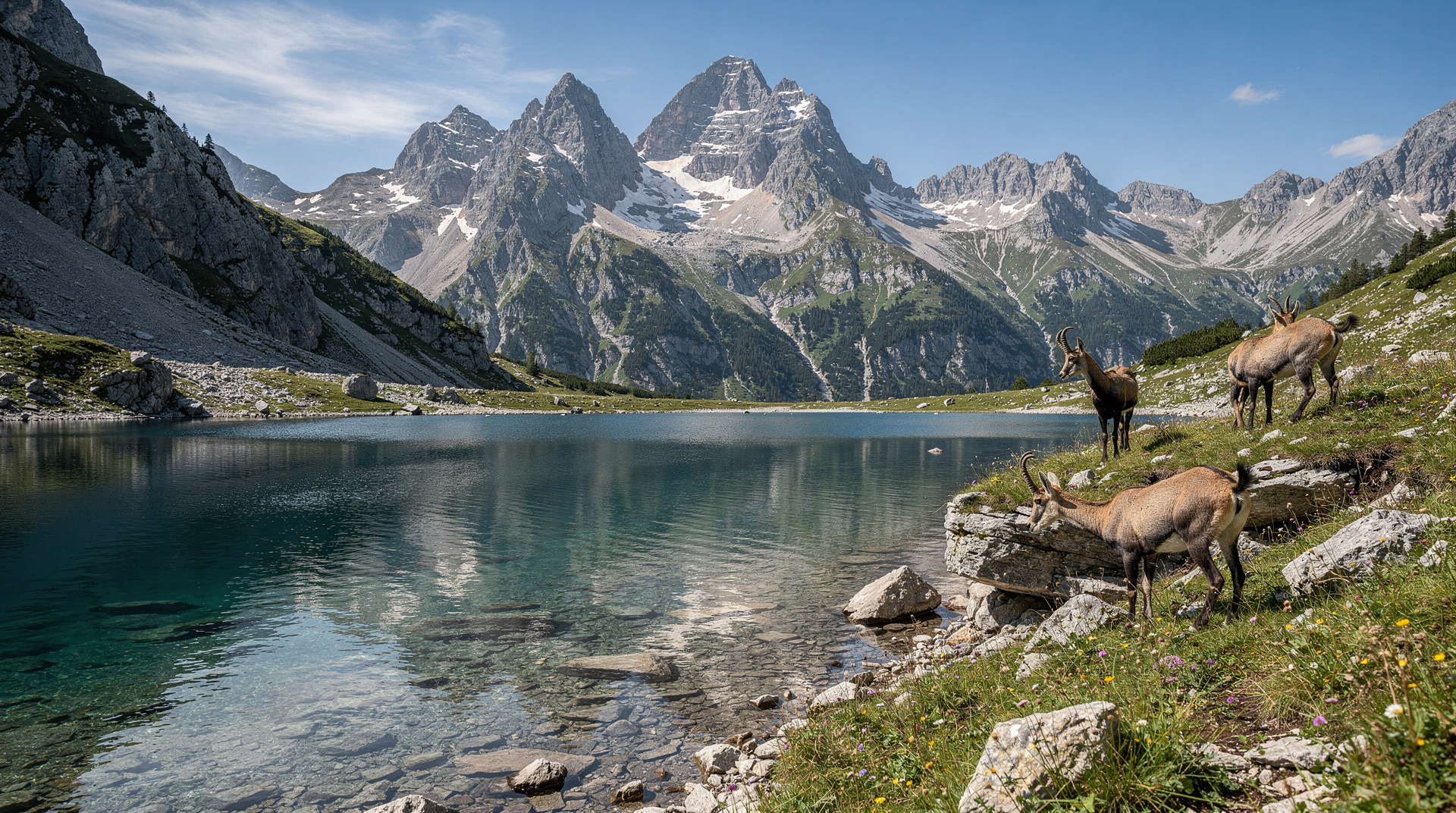
Triglav NP is one of the few places in the Alps where large predators persist. Brown bears, grey wolves, and Eurasian lynx all inhabit the park, though sightings on day tours are rare. More commonly encountered: chamois (Alpine goat-antelopes) on rocky ridges, ibex (reintroduced), golden eagles in the higher valleys, and roe deer throughout the forested lower zones.
The Triglav park wildlife guide covers where each species is most likely to be seen and in which season.
Practical advice for the full-day tour
What to bring: The temperature difference between Bled (550 m) and the Vršič Pass (1,611 m) can be 10–15°C on the same day. Pack a warm layer even in summer. Mountain weather changes quickly — the standard central European cumulonimbus thunderstorm develops fast in July and August afternoons.
Food logistics: Pack lunch or budget for the mountain hut at Vršič (Erjavčeva koča — traditional alpine food, excellent views, prices reasonable for the altitude). There are also huts at Bohinj. Do not rely on finding food during transition drives.
Photography: The Vršič pass view, the Soča spring (a crystal-clear pool of turquoise water at the source), and the first view of the Soča Valley from the pass are the three unmissable shots. The guide will stop at these.
For everything you need to know before visiting the national park, the Triglav National Park guide covers entrance, regulations, accommodation, and detailed itinerary suggestions.
Group size and pace on the full-day tour
Full-day Triglav tours from Bled typically run in minibuses of 8–16 people, which affects how the day flows more than most visitors expect. Larger groups mean more time waiting at each viewpoint for photos and slightly less flexibility in the itinerary — the guide has to keep to a schedule that works for everyone. Smaller group or private options move faster and allow spontaneous stops, particularly valuable on the Vršič Pass where some of the best views are at unmarked pull-offs the standard bus itinerary skips.
If you’re travelling with mobility concerns, young children, or simply prefer not to be rushed at Vintgar’s boardwalk (which does get congested with multiple tour groups passing at similar times in peak summer), the private tour from Ljubljana or a very early departure with a smaller operator are both worth the extra cost.
The Radovna River and Vintgar’s engineering history
Vintgar Gorge’s boardwalk path, which opens the full-day tour, is itself a piece of 19th-century engineering worth appreciating beyond the scenery. Built in 1893 by a group of local officials and engineers who recognised the gorge’s tourism potential, the wooden walkway clings to the canyon walls above the Radovna River, crossing the water on narrow bridges at several points. The original construction has been rebuilt and reinforced multiple times, most recently after flood damage in the 2000s, but the route and the engineering philosophy — following the river’s natural curves rather than cutting through the rock — remain unchanged.
The gorge itself was carved by the Radovna over thousands of years through the soft limestone, and the water’s mineral content gives it the same striking turquoise-green colour found throughout the Julian Alps’ rivers and lakes. The walk ends at the 16-metre Šum Waterfall, where the Radovna drops into a canyon before continuing toward the Sava River — a satisfying visual conclusion to what is genuinely one of the best short walks included in any Slovenia day tour.
Compare top tours
Frequently asked questions about Triglav National Park Tour from Bled Review
What does the Triglav National Park full-day tour cover?
Most full-day tours from Bled cover Vintgar Gorge, Lake Bohinj or Savica Waterfall, the Vršič Pass (when open), and the Soča River valley. Exact itinerary varies by operator — confirm before booking.Do I need to be fit for this tour?
Moderate fitness is needed. You'll walk 6–10 km across the day on varied terrain. The Vršič Pass ascent (if included) involves no hiking — it's a road. Hikes to Savica Waterfall or the Seven Lakes valley require more effort.Is Triglav National Park worth a full day?
Absolutely. At 840 km², it's Slovenia's only national park and covers the most spectacular alpine terrain in the country. A guided full day gives you a curated circuit you'd take 2–3 days to replicate independently without a car.Can I summit Mount Triglav on this tour?
No — the Triglav summit (2,864 m) requires 2 days and good fitness. The 2-day summit option in the comparison table covers that. The full-day park tour reaches viewpoints and valleys around the mountain, not the top.When is the Vršič Pass open?
The Vršič Pass (1,611 m) is typically closed November to May due to snow. From June to October, it is one of the most spectacular mountain road drives in the Alps. Tours include it when open; alternative routes are used in winter.How much walking is involved on the full-day Triglav tour?
Expect 6–10 km spread across the day on varied terrain: the Vintgar Gorge boardwalk (flat, 1.6 km), a short Lake Bohinj lakeside stretch, and if included, the Savica Waterfall hike (40-minute round trip with some steps). None of it is technical, but comfortable walking shoes are essential.What happens to the tour if the Vršič Pass is closed?
Operators substitute the pass with extended time in the Bohinj Valley, sometimes adding Pokljuka Plateau or the Savica Waterfall hike instead. The core Vintgar Gorge and Bohinj portions of the itinerary run year-round regardless of pass conditions.