Vipava Valley Wine Express Tour from Ljubljana Review
From Ljubljana: Vipava Valley wine express tour
Vipava Valley wine: Slovenia’s most exciting wine region
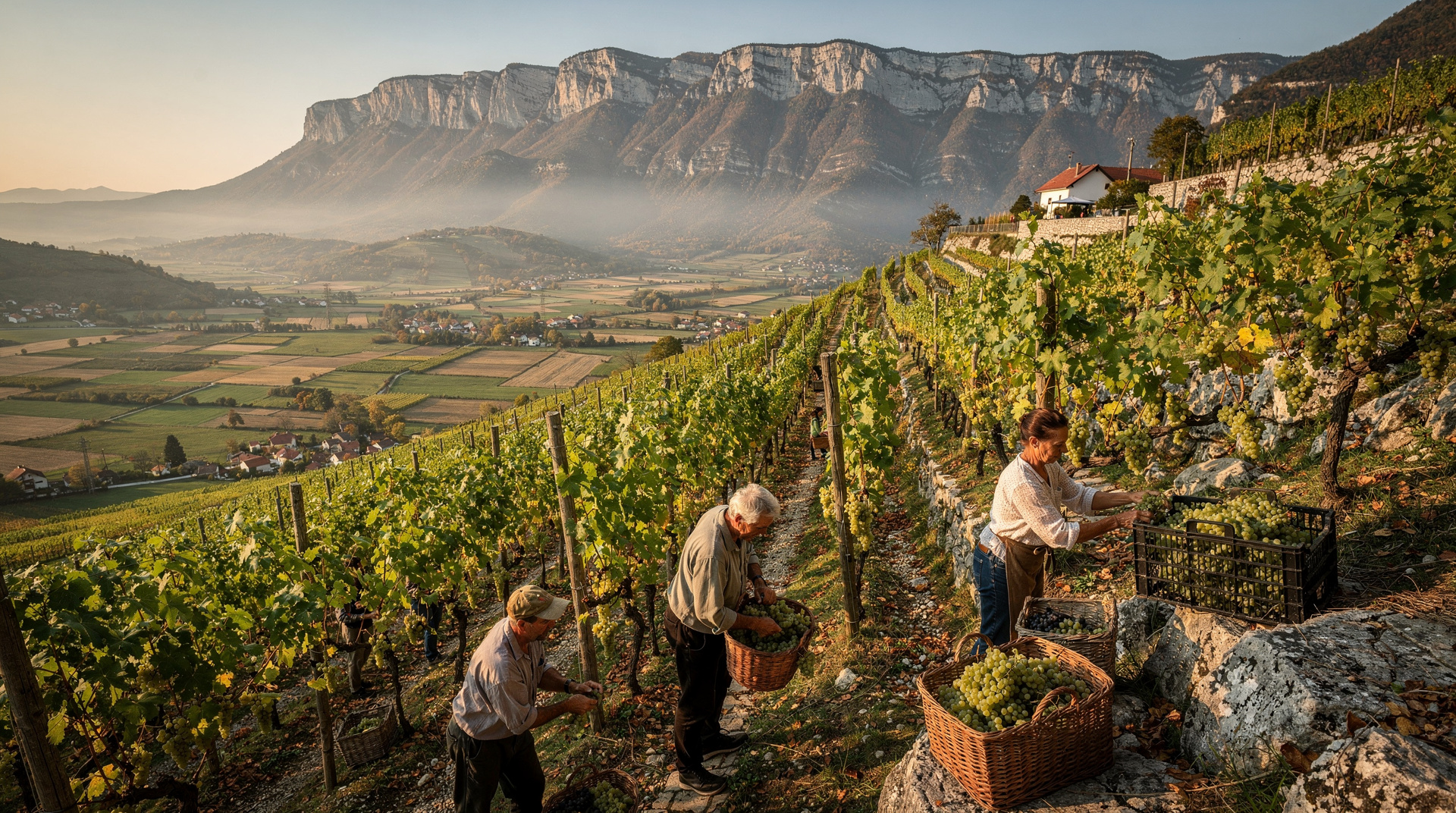
If you ask Slovenian wine professionals where to drink right now, a disproportionate number will say the Vipava Valley. This isn’t wine-industry boosterism — it reflects a genuine ferment of small-scale natural wine producers, ancient indigenous grape varieties, and a distinctive terroir formed by the Vipava River cutting through the karst plateau.
The Vipava wine express from Ljubljana is the most accessible way into this world for visitors without a car, and it competes with a Goriška Brda wine walk and a combined Vipava-Brda day tour that covers both regions. This review breaks down all three options and helps you choose the right fit.
| Where | Vipava Valley, 60–70 km west of Ljubljana |
| Cost | Around €55–95/person depending on format |
| Time needed | Half day (4–5 hrs) or full day (8–9 hrs) |
| Getting there | Guided minibus from Ljubljana, or self-drive |
| Best time | May–September for vineyards; late Sept–Oct for harvest |
The Vipava Valley: terroir and character
The Vipava Valley lies 60–70 km west of Ljubljana, sheltered by the Nanos plateau to the north and the Karst edge to the south. The bora wind — a fierce, cold northeaster that can reach 200 km/h — shapes the vines in ways you can taste. The valley has a continental-Mediterranean micro-climate, warmer than most of Slovenia, with cool nights that preserve acidity.
The key varietals:
- Zelen: The most distinctive Vipava grape. “Zelen” means green. Crisp, herbaceous, mineral, with aromas of meadow herbs and green apple. Found almost nowhere else in the world.
- Pinela: An ancient variety rescued from near-extinction. Structured, oxidative in style when natural, with a distinctive nutty character.
- Rebula (Ribolla Gialla): Shared with Italy’s Friuli and Goriška Brda. Golden, textured, age-worthy.
- Malvazija: Mediterranean variety, aromatic and food-friendly.
The natural wine community here is significant — producers like Aci Urbajs, Štekar, Mlečnik, and Batič have national and international followings. A good tour accesses these small producers; a bad tour takes you to the co-operative.
What the wine express from Ljubljana covers
The Vipava Wine Express typically runs as a half-day or full-day excursion:
Departure: Ljubljana city centre, typically 9–10 am.
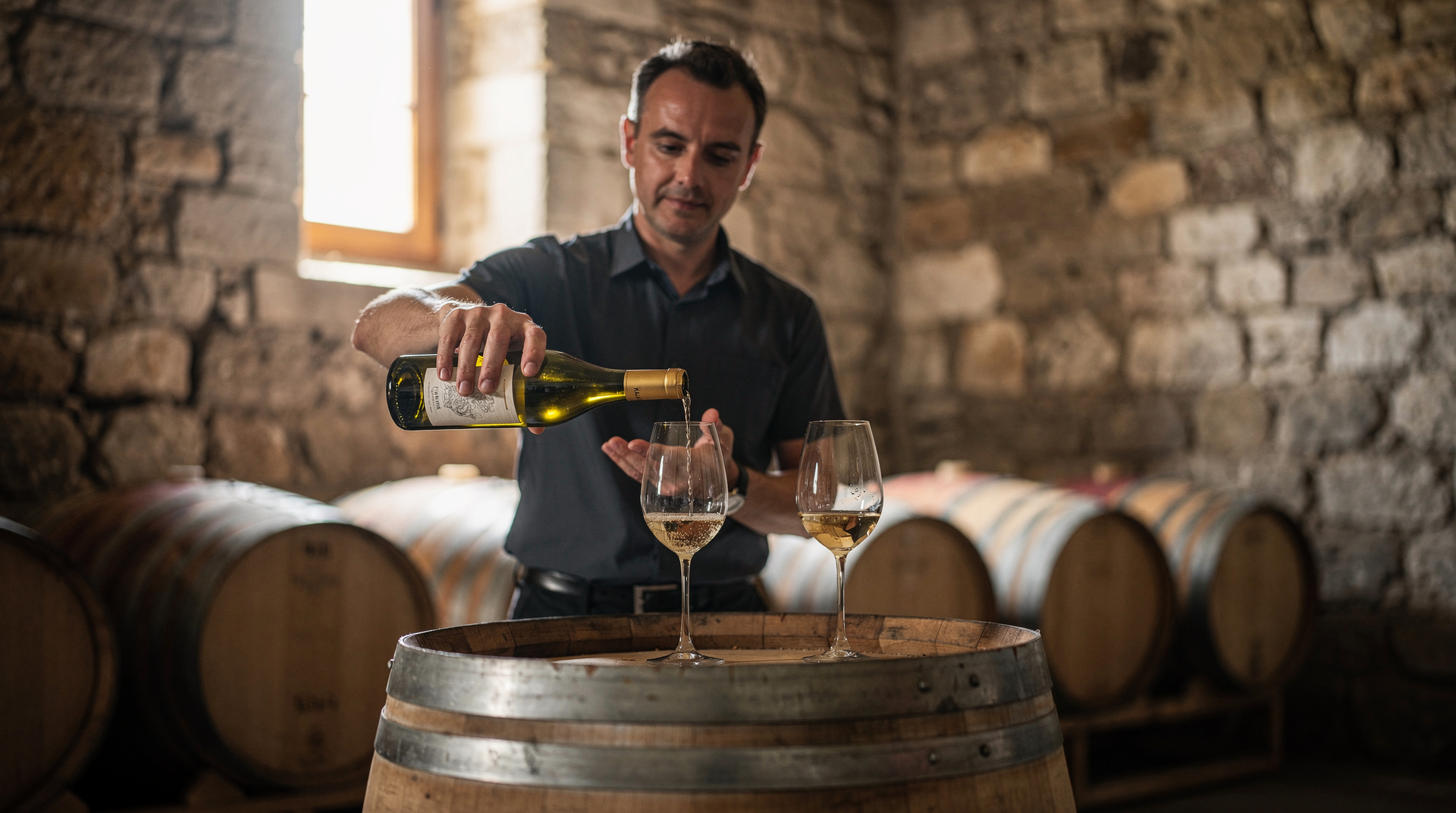
Winery visits (2–3 stops): The guide pre-selects producers based on current availability and season. Expect one larger, accessible winery for context and orientation, and one or two smaller artisan producers where the owner pours the wines and explains the philosophy. The small-producer visits are the valuable ones.
Tastings: 4–8 wines per winery, guided by the producer or your tour guide. The guide contextualises each wine — grape variety, winemaking approach (conventional vs natural vs biodynamic), vintage notes.
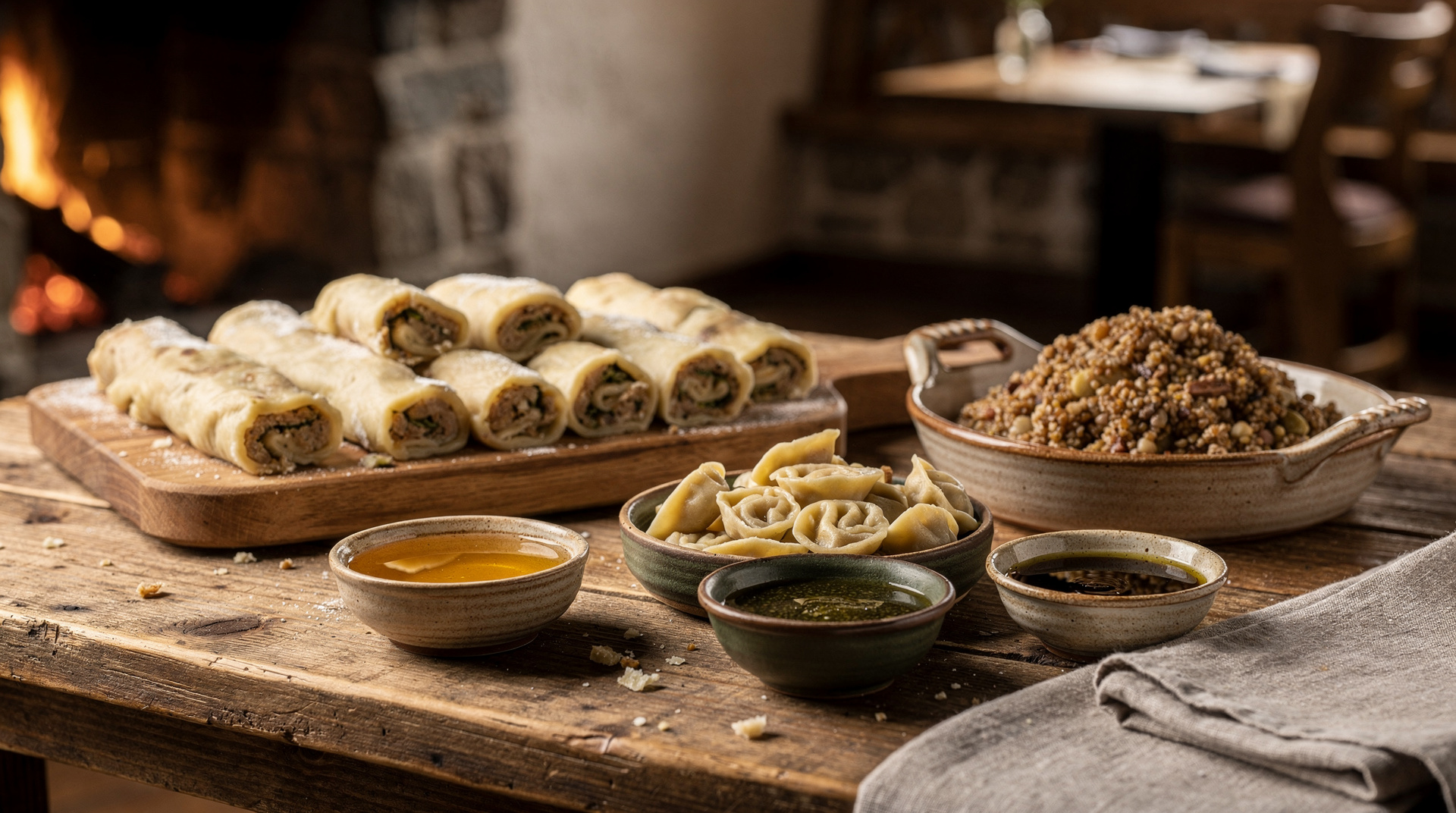
Food: Either a seated lunch (local bread, prosciutto, cheese, olive oil) at one of the wineries, or a structured tasting with paired food accompaniments. This varies by operator — confirm at booking.
Return to Ljubljana: Late afternoon (full day) or early afternoon (half day).
What’s included:
- Return transport from Ljubljana
- Winery visits and tastings
- Guide with wine knowledge
- Lunch or food pairing (full-day version)
What’s not included:
- Additional wine purchases (expect to want to buy several bottles)
- Travel insurance (purchase separately for peace of mind) Book the Vipava Valley wine express tour from Ljubljana
The Goriška Brda wine walk
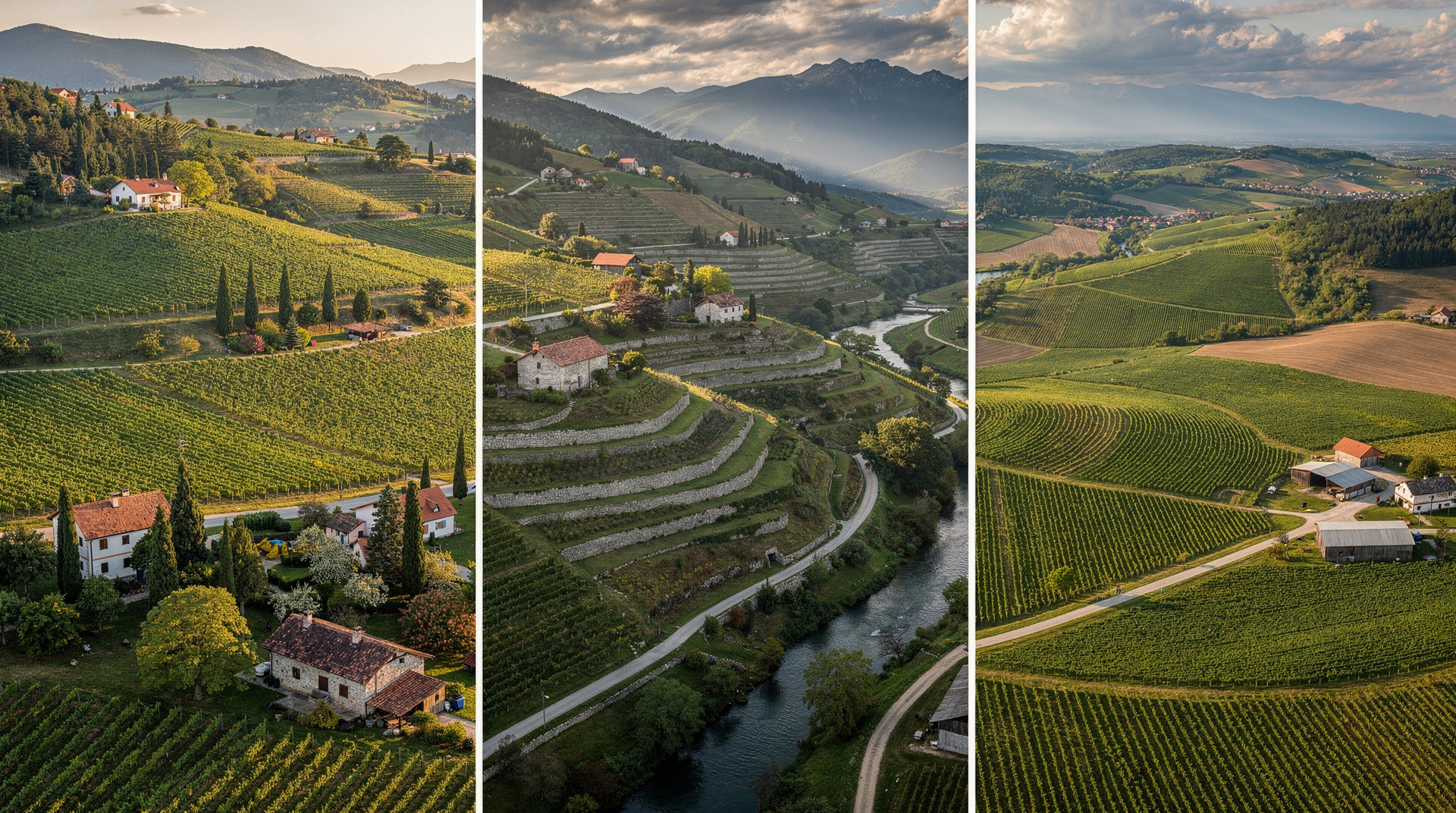
Goriška Brda (Slovenian Collio) is the other great Slovenian wine region, 20 km north of Vipava across the Karst. Where Vipava is rugged and natural-wine-centric, Brda is softer, more Tuscan in landscape, and shares a DOC designation with Italian Collio across the border.
The wine walk in Brda is a guided walking tour through the vineyard villages — starting in Šmartno (a medieval hilltop village) or Dobrovo (centred on the castle), walking between producer cellars, tasting 3–5 wines per stop. The walk itself is a highlight — Brda’s rolling vine-covered hills are genuinely beautiful, and the villages are some of the most photographically rewarding in Slovenia.
Brda suits visitors who prioritise:
- Classic white varieties (Rebula, Sauvignon Blanc, Chardonnay) over natural wine
- Landscape as much as wine (the views from the Brda hills into Italy are remarkable)
- A more formal, cellar-door tasting experience
Read the Goriška Brda wine guide for a deeper breakdown.
Book the Goriška Brda wine walk
The combined Vipava + Brda day tour
The Winexpedition format covers both regions in a single day — a long but rewarding option for wine enthusiasts who want to compare the two regions side by side. At approximately €90–120 per person, it is the most expensive option but the most comprehensive.
Logistics: the route typically covers Vipava in the morning (2 producers), lunch in the valley, then Brda in the afternoon (1–2 producers). It is a full day and assumes genuine wine interest — this is not a casual wine tasting, it is an education.
Honest assessment: is a wine tour worth booking?
The Vipava Valley is 60 km from Ljubljana, and the wineries are spread across village roads not served by public transport. Without a car, a tour is the only practical option. With a car, the question is whether you want guide knowledge or self-guided freedom.
Book a tour if:
- You want access to small producers who don’t have easy walk-in booking
- You want someone to interpret the indigenous varieties (Zelen and Pinela are genuinely unusual and benefit from explanation)
- You’re travelling without a car
- Wine knowledge is secondary to you and you’d rather a guide drive
Go independently if:
- You’re a confident wine traveller who can navigate the Vipava Valley producer map
- You have a designated driver in the group
- You want maximum time at a single producer rather than a circuit
The Vipava Valley wine guide includes a self-guided producer list if you’re going independently.
Pricing summary
| Option | Approx. price/person | Format |
|---|---|---|
| Vipava Wine Express (half day) | €55–70 | 2–3 wineries, no lunch |
| Vipava Wine Express (full day with lunch) | €75–95 | 2–3 wineries + food |
| Goriška Brda wine walk | €55–70 | Walking tour between village cellars |
| Winexpedition (Vipava + Brda full day) | €90–120 | Both regions, most comprehensive |
| Vipava wine tasting only (Ljubljana-based, evening) | €35–50 | No travel to the valley required |
Getting to Vipava independently
The motorway from Ljubljana to Nova Gorica passes through the Vipava Valley corridor (exit at Ajdovščina or Vipava). The drive takes 45–60 minutes. Without a motorway e-vignette, use the regional road (slower, scenic). See the driving in Slovenia guide for vignette details.
Buses from Ljubljana to Ajdovščina run several times daily (1.5 hours, €7–9) but do not connect the individual wine villages conveniently.
Season and what to know
May–September: Growing season. Vineyards are green and photogenic. Some producers offer harvest-time tours in September–October that are exceptional.
Harvest (late September–October): The most atmospheric time to visit. Producers are busy but often the most generous with their time and the best bottles. Book well ahead.
Winter: Caves and cellars are accessible but vineyards are dormant. Wine remains excellent year-round.
Verdict
Vipava is the right answer if you want to understand what makes Slovenian wine distinctive, and the wine express from Ljubljana is the right format if you don’t have a car. The indigenous varieties — Zelen and Pinela especially — are compelling precisely because you cannot taste them anywhere else.
For a combined view of all Slovenian wine regions, the Slovenian wine guide and wine regions overview provide the broader context.
The natural wine scene in Vipava
The Vipava Valley has become one of the most discussed natural wine regions in Europe over the past decade. Producers like Aci Urbajs, Štekar, Mlečnik, and Batič work with minimal intervention — no added sulphites in many cases, extended skin contact for whites (orange wine), indigenous yeasts, and ancient varieties that simply do not exist in other wine regions.
The result is wines that polarise. Classical wine drinkers sometimes find the oxidative character and cloudiness of natural Vipava whites challenging. Wine enthusiasts who have moved toward biodynamic and natural producers elsewhere find them revelatory. A good tour guide will give you both sides honestly.
The best approach for a first-time taster: try the Rebula first (the most accessible introduction), then move to Zelen (distinctive, herbaceous, nothing like it elsewhere), and finish with Pinela if the producer offers it (the most challenging and the most rewarding).
Vipava Valley: landscape and villages
Beyond the wine, the Vipava Valley has a landscape of unusual beauty. The valley floor runs along the Vipava River beneath the vertical Nanos plateau (1,313 m), which drops almost sheer on the valley side and creates a wall of limestone that catches afternoon light spectacularly.
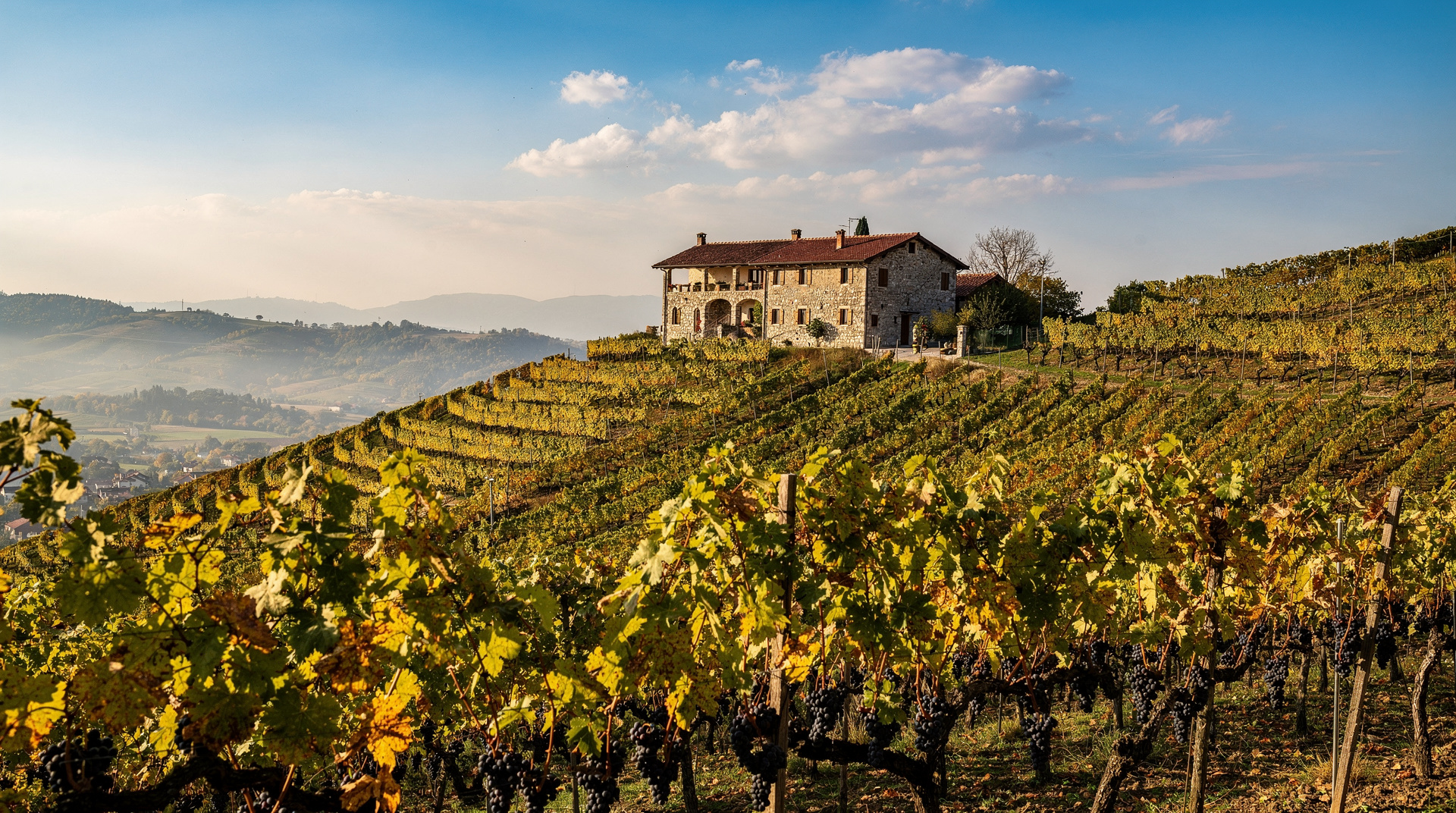
The village of Vipava itself has a charming small baroque centre. Ajdovščina (the valley’s main town) has a Roman heritage including preserved town walls. The hilltop village of Goče, with vineyards below and the Nanos above, is one of the most photogenic compositions in the region.
The bora wind deserves mention: when it blows (most commonly September–April), gusts can reach extraordinary speeds, strong enough to overturn loaded lorries on the motorway. The vines are trained accordingly — low to the ground, with windbreak walls. The bora has shaped the wine style as much as the soil.
Buying wine and bringing it home
One of the genuine benefits of a wine tour over an independent visit: the guide pre-arranges buying opportunities at the producers. Small Vipava producers do not have polished retail operations — you typically buy from the producer at farm-gate prices, significantly below restaurant or export prices.
Budget €12–25 per bottle for serious producer wines. The very best (aged Rebula, old-vine Pinela from top producers) can reach €35–50 but are genuinely exceptional. If travelling by air, check carry-on liquid rules and consider shipping a case home (several Slovenian wine shops offer European shipping).
For context on all the regions and which varieties to prioritise, the Slovenian wine guide is the essential pre-tour read.
Nova Gorica: the European Capital of Culture connection
Nova Gorica, on the Slovenian side of the Italian border, was designated European Capital of Culture in 2025 (jointly with Gorizia on the Italian side). The town is 15 km north of the Vipava Valley and makes a logical extension for cultural travellers. The border itself runs through the main piazza — an unusual political geography that the Capital of Culture designation specifically celebrated.
Some extended wine tour variants add a stop in Nova Gorica for context on the cross-border wine culture and the Brda designation that straddles the Italy-Slovenia border. For the broader context on Slovenian wine pairing with food, the Slovenian food guide covers which wines work with which regional dishes. For planning a full wine-country stay, see the Goriška Brda destination guide which covers accommodation and producer access in the region.
Comparing Vipava, Brda, and Maribor
Slovenia has three wine regions worth a dedicated visit, and it helps to see them side by side. Maribor, in the country’s northeast, is different again from either Vipava or Brda — it centres on the Drava river valley and the Styrian wine roads, and is home to the world’s oldest living vine, celebrated in the Maribor oldest vine guide. Maribor suits travellers already in the north (combining with Ljubljana via Bled, or arriving from Austria); Vipava and Brda suit those based in Ljubljana or heading toward the coast.
| Region | Distance from Ljubljana | Character | Signature grape |
|---|---|---|---|
| Vipava Valley | 60–70 km west | Rugged, natural-wine focused | Zelen, Pinela |
| Goriška Brda | 80–90 km west | Softer, Tuscan-looking, Collio-shared | Rebula, Sauvignon Blanc |
| Maribor / Styria | 130 km northeast | Rolling hills, historic vineyards | Šipon (Furmint), Traminer |
If time only allows one region, Vipava rewards curiosity about genuinely unusual varieties, Brda rewards those who want postcard scenery alongside good wine, and Maribor rewards travellers already routing through the north of the country. The wine regions overview covers all three in more depth, including how to combine two in a longer itinerary.
Do you need to book ahead?
In peak season (June–September) and especially during harvest (late September–October), book the Ljubljana wine express or Brda walk at least a few days ahead — small producers only accommodate a handful of groups per day, and popular operators sell out on weekends. Outside season, 24–48 hours’ notice is usually enough. Independent visitors relying on farm-gate purchases at individual producers should call ahead regardless of season, since many small Vipava cellars are family-run and not always staffed for walk-in visits.
Compare top tours
Frequently asked questions about Vipava Valley Wine Express Tour from Ljubljana Review
What wines can I taste in the Vipava Valley?
Vipava is known for indigenous Slovenian white varieties: Zelen (green, crisp, herbal), Pinela (ancient variety, rare and distinctive), Rebula (golden, fuller-bodied), and Malvazija. Reds include Merlot, Barbera, and local blends. Natural wine producers are particularly well-represented in Vipava.How far is Vipava Valley from Ljubljana?
Approximately 60–70 km west of Ljubljana (45–60 minutes by car). The valley sits between the Nanos plateau and the Karst edge, sheltered from both alpine cold and coastal winds. It is one of the most beautiful wine landscapes in Central Europe.Is Vipava or Goriška Brda better for a wine day trip?
They are different characters. Vipava is more rugged, cooler, and focused on indigenous varieties. Goriška Brda is warmer, Tuscan-looking, and shares the Collio DOC with Italy across the border — known for Rebula and Sauvignon. Both are excellent; Vipava suits natural wine enthusiasts, Brda suits those who prefer a classic Collio-style experience.Do I need a car to visit Vipava Valley?
The tour format is specifically designed for visitors without a car — it departs from Ljubljana and manages all transport. Independent visitors need a car; public transport to the valley's wineries is impractical.What does a Vipava wine tour cost?
The wine express from Ljubljana: approximately €65–85 per person, typically including 2–3 winery visits, wine tastings, and lunch or a cheese/charcuterie spread. Compare to Brda wine walk at approximately €55–70 per person.