Slovenia vs Croatia: which country to visit in 2026?
Zagreb: private transfer to Ljubljana with optional stops
Should I visit Slovenia or Croatia — or both?
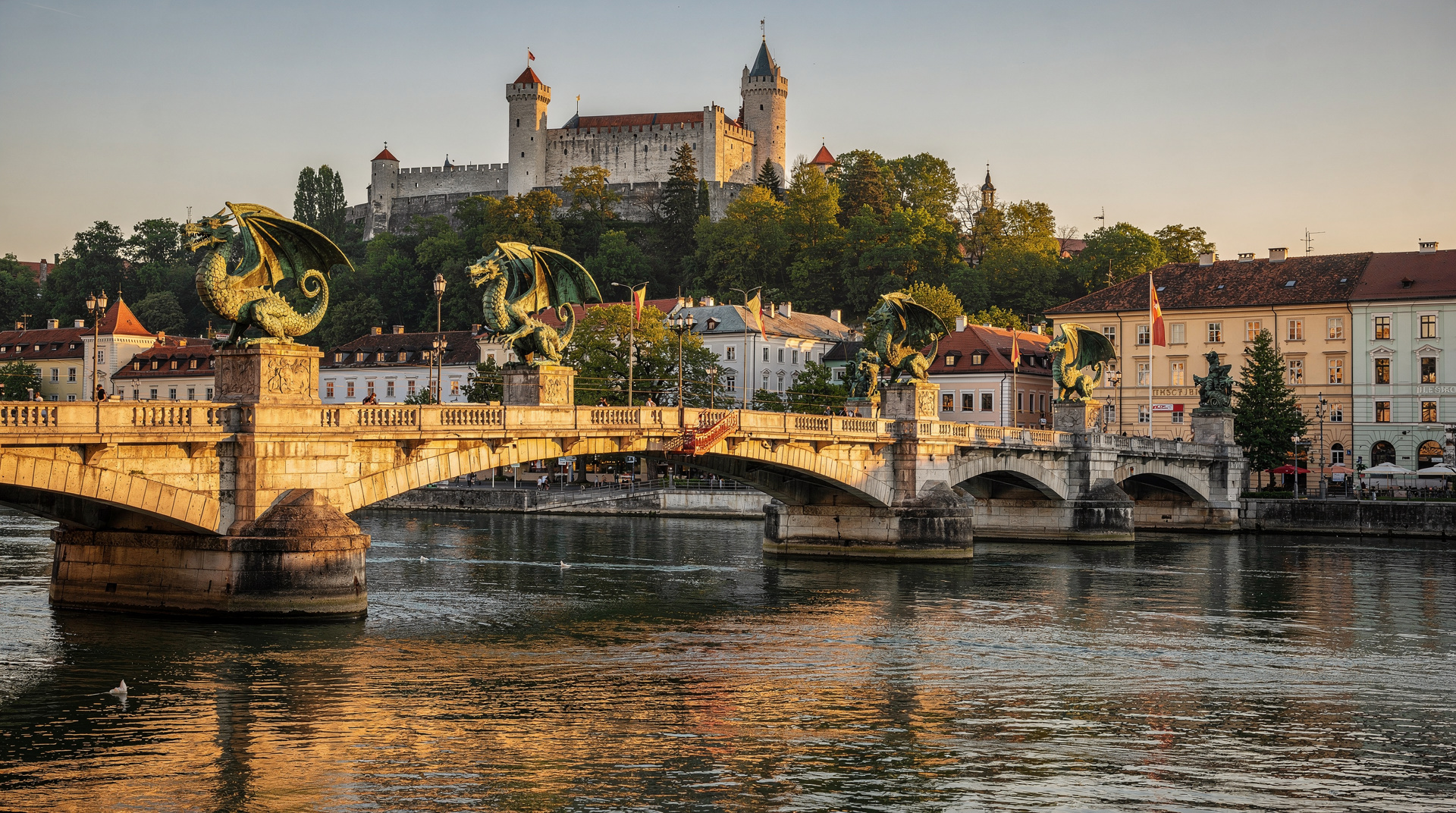
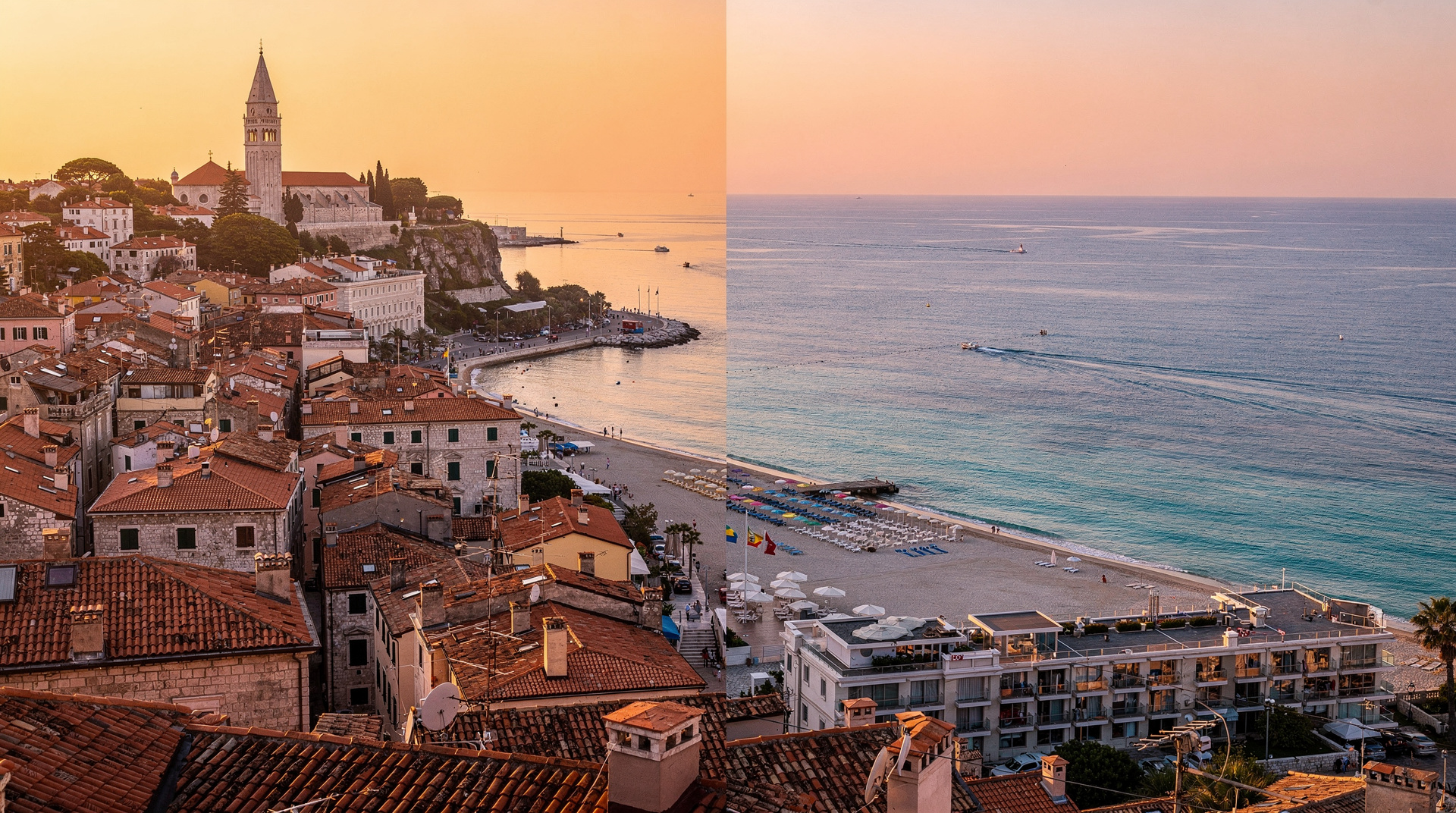
Both are excellent but serve different travel styles. Croatia offers the Dalmatian coast, islands, Dubrovnik and warm Adriatic beaches — it's better for beach holidays, island-hopping and city nightlife. Slovenia is smaller, quieter and more alpine — it's better for hiking, caves, wine, castle-gorge scenery and authenticity. For a combined trip: Ljubljana + Bled in Slovenia then drive to Zagreb or the Istrian coast in Croatia is a natural pairing.
Slovenia vs Croatia: the honest country comparison
Travellers choosing between Slovenia and Croatia are often comparing apples and oranges — the two countries share a border but deliver fundamentally different holidays. Slovenia is alpine, small, cave-filled and increasingly discoverable. Croatia is coastal, Mediterranean, island-laced and among the most visited destinations in Europe. Understanding what each country does best makes the decision — or the combined itinerary — much clearer.
| Slovenia | Croatia | |
|---|---|---|
| Best for | Alpine hiking, caves, wine, quiet | Beaches, islands, nightlife |
| Trip length | 5–7 days | 2–3 weeks |
| Coastline | 46 km | 1,778 km, 1,246 islands |
| Peak-season crowding | Concentrated (Bled, Postojna) | Widespread (Dubrovnik, Split, Hvar) |
| Combine easily? | Yes — 2h Ljubljana–Zagreb drive |
Size and scope
Slovenia: 20,273 km², roughly the size of Wales or New Jersey. A compact rectangle with remarkable geographic diversity: Alpine peaks, karst caves, Mediterranean coast and Pannonian plains — all within 2–3 hours of the capital. You can plausibly see the main highlights in 5–7 days, though a week barely scratches the surface.
Croatia: 56,594 km² — nearly three times larger — with a coastline of 1,778 km and 1,246 islands. The country stretches from inland Slavonia in the east to the Dalmatian coast in the south, with Dubrovnik at the extreme south-western tip nearly 600 km from Zagreb by road. A proper exploration of Croatia takes 2–3 weeks.
The practical implication: Slovenia is better suited to a focused, compact trip. Croatia requires more travel time between highlights and rewards visitors who stay longer.
Landscapes: what you actually see
Slovenia’s landscapes:
- The Julian Alps (Lake Bled, Triglav, the Soča Valley, Vršič Pass): some of the most beautiful alpine scenery in Europe
- Karst region: caves, limestone plateaus, the Reka River disappearing underground at Škocjan
- The Soča: a river so implausibly turquoise it looks artificially coloured
- Goriška Brda: rolling vine-covered hills on the Italian border
- A 46 km Adriatic coast with the perfectly preserved medieval town of Piran
Croatia’s landscapes:
- The Dalmatian coast: 1,000+ islands scattered in clear Adriatic water, lavender fields on Hvar, the walled old city of Dubrovnik
- Plitvice Lakes National Park: a UNESCO World Heritage cascade of sixteen turquoise lakes connected by waterfalls — one of Europe’s most visited natural sites
- Istria: rolling hills covered in truffles, olives and vineyards, plus Roman ruins at Pula
- Paklenica National Park: canyon hiking in Velebit
The key difference: Slovenia’s best landscapes are alpine and subterranean. Croatia’s are coastal and Mediterranean.
The coastline comparison
Slovenia’s 46 km of coast ends at the Croatian border just south of Sečovlje. Croatia’s coast is 1,778 km long with 1,246 islands. This is not a close comparison — Croatia has one of the most extensive and varied coastlines in the Mediterranean.
What Slovenia’s coast offers: the medieval town of Piran is among the most beautiful small towns on the Adriatic, and the combination of Venetian architecture, narrow lanes and open sea genuinely competes with any comparable town in Croatia. Portorož and Izola are pleasant resorts. The region around Koper has Roman ruins and a working port.
What Slovenia’s coast cannot offer: island-hopping, large sandy beaches, the Dalmatian cuisine tradition, the scale of diving destinations, or anything approaching the variety of the Croatian coast.
If the coast is primary in your holiday plans, Croatia is the correct choice. If the coast is a 2–3 day segment of a Slovenia-centred trip, Piran and the Slovenian Adriatic are excellent.
Things to do
Slovenia’s strongest cards:
- Alpine hiking (Triglav, Seven Lakes Valley, Soča Trail, Vintgar Gorge)
- Cave tourism (Postojna, Škocjan, Križna Jama — three of Europe’s finest accessible caves)
- Adventure sports (Soča rafting, Bovec canyoning, via ferrata, paragliding at Bled)
- Wine: emerging world-class producers in Goriška Brda and Vipava Valley
- Cultural: Ljubljana is a genuinely pleasant walkable European capital (under-visited relative to its quality); Piran is one of the most beautiful small towns in the region
- Thermal spas in eastern Slovenia (Terme Čatež, Terme Olimia)
Croatia’s strongest cards:
- Island-hopping: Hvar, Brač, Korčula, Vis and dozens more with beach culture, water sports and summer nightlife
- Dubrovnik: the most dramatic medieval walled city on the Adriatic — extraordinary but genuinely overcrowded (the city limits cruise passengers; arrive early, leave before noon)
- Plitvice Lakes: the most visited natural site in the Balkans for good reason
- Food: Dalmatian cuisine (grilled fish, peka-cooked lamb, Istrian truffles) is among the best in the Mediterranean
- Music festivals: Hvar, Pag and Split host major summer events
Costs: the honest comparison
Both countries use their own metric for what counts as expensive.
Slovenia prices (2026 estimates):
- Mid-range hotel in Ljubljana or Bled: EUR 100–180/night
- Dinner at a good gostilna (non-tourist): EUR 15–25 per person
- Postojna Cave: EUR 34.90 adults
- Day car hire: EUR 40–65
Croatia prices (2026 estimates):
- Mid-range hotel in Split: EUR 100–160/night; in Dubrovnik: EUR 160–280/night; in Hvar: EUR 130–220/night
- Dinner at a good konoba: EUR 20–35 per person (fish is expensive)
- Plitvice Lakes: EUR 26.50 adults (summer)
- Day car hire: EUR 40–65
The honest picture: Croatia’s coastal resorts in peak season have become significantly more expensive over the past five years. Dubrovnik and Hvar are genuine luxury prices in July–August. Ljubljana and Bled are expensive by Slovenian standards but moderate compared to Croatian resort pricing. For an all-in budget comparison in peak season, Slovenia is often cheaper — particularly for accommodation.
Both countries are cheapest in shoulder season (May–June, September–October).
Crowds
Slovenia: Bled and Postojna are genuinely crowded in peak summer — you need to manage timing (arrive early, stay late). But Ljubljana, Bohinj, the Soča Valley and most of the country feel far from mass tourism. The country simply doesn’t have the infrastructure or the hotel stock to host the kind of crowds that descend on Dubrovnik.
Croatia: Dubrovnik is Europe’s most overcrowded destination in summer — the city now has cruise-ship arrival limits and the old town feels unbearable at peak hours. Split and Hvar are also densely visited. Korčula, Vis and the inland national parks are more manageable. Croatia is not a quiet destination in summer.
Climate and weather compared
Slovenia: continental alpine climate with Mediterranean influence on the coast. Summers (June–August) are warm to hot — Ljubljana averages 25–28°C in July, the Julian Alps slightly cooler. Thunderstorms are common in July–August afternoons in the mountains. Winters are cold, with reliable snow in the Alps (ski season December–March). The coast (Piran) has milder winters and hot, dry summers.
Croatia: the coast is Mediterranean — hot, dry summers (32–36°C along the Dalmatian coast in July–August), mild winters. The bura wind can be cold and strong in winter along the coast. Inland Croatia is more continental, with cold winters and warm summers.
For a summer trip: both countries are hot. The Croatian coast has higher sea temperatures and more reliable beach weather. The Slovenian Alps offer welcome relief on hot days — temperatures are 10–15°C cooler at altitude.
For spring or autumn: Slovenia is arguably better — the Julian Alps in spring wildflowers (May–June) or autumn colours (October) are exceptional. Croatia’s coast in May and September is excellent and significantly less crowded than summer.
For winter: skiing in Slovenia (Kranjska Gora, Vogel, Krvavec) is the main winter draw. Croatia in winter is primarily for city tourism (Zagreb Christmas markets are well-regarded).
Which is better for: a quick reference
| Category | Slovenia wins | Croatia wins |
|---|---|---|
| Alpine hiking | ✓ | |
| Beach holiday | ✓ | |
| Caves | ✓ | |
| Island-hopping | ✓ | |
| Medieval coastal towns | Similar (Piran) | Dubrovnik, Split |
| Crowds (avoiding) | ✓ | |
| Wine | Similar | |
| Wildlife | Lynx, bear, wolves | Dolphins, sea turtles |
| Capital city | Ljubljana (charming) | Zagreb (livelier) |
| Budget (peak season) | ✓ |
How to combine both countries
The Ljubljana–Zagreb connection is the natural seam. Regular transfers between Ljubljana and Zagreb take about 2 hours — making a Slovenia-then-Croatia itinerary entirely practical without flying.
Suggested combined itinerary (10–14 days):
- Days 1–2: Ljubljana
- Days 3–5: Lake Bled + Julian Alps (Bohinj, Vintgar)
- Day 6: Postojna or Škocjan + Piran (overnight on coast)
- Day 7: Drive to Zagreb (2h) or cross into Istria
- Days 8–10: Plitvice Lakes + Dalmatian coast
- Days 11–14: Islands (Hvar, Korčula) or Dubrovnik
For more on the cross-border logistics, see getting to Slovenia, and for the capital comparison specifically, Ljubljana vs Zagreb.
Food culture compared
Slovenian food: deeply rooted in Central European and Alpine traditions, with Italian and Hungarian influences at the borders. Characteristic dishes: žlikrofi (filled pasta from Idrija, like Slovenian ravioli), štruklji (rolled pastry with cottage cheese), bograč (Pannonian meat stew), jota (Karst sour turnip and bean soup), potica (rolled walnut pastry at Christmas). The Central Market in Ljubljana is outstanding — one of the best urban food markets in Central Europe. Wine: Slovenian wine is excellent and largely unknown outside the country — the Brda area (Rebula, Merlot) and Vipava Valley (Malvazija, Zelen) are emerging internationally.
Croatian food: Dalmatian cuisine built around fresh fish and seafood, olive oil and vegetables. Grilled fish (brancin, orada), black risotto (crni rižoto), peka-cooked lamb and octopus, Istrian truffles, and the ubiquitous burek pastry. The coastal fish is excellent — prices for whole grilled fish in tourist restaurants run EUR 25–40 for the main course. Inland Croatian cooking is heavier: roast meats, stews, štrukli (Zagreb’s baked cottage cheese pastry). Wine: coastal Croatia produces excellent wines — Plavac Mali from Dalmatia, Malvazija from Istria, Pošip from Korčula.
The honest food comparison: both countries eat well, but Croatia’s coastal seafood and Dalmatian cuisine are arguably the stronger draw for dedicated food travellers. Slovenia wins on market culture (Ljubljana’s market is exceptional) and wine discovery value (less known internationally, therefore better value).
Nature and wildlife
Both countries have significant protected areas, but the focus is different.
Slovenia’s protected nature:
- Triglav National Park: the only national park, covering much of the Julian Alps. Bears, lynx, wolves and chamois in the mountains. Soča River brown trout. Eagles and peregrine falcons
- Škocjan Caves Regional Park: UNESCO Biosphere Reserve
- Sečovlje Salinas: flamingos, spoonbills and other migratory birds in a salt-pan reserve
- Pohorje: dense forest with capercaillie and other forest birds
Croatia’s protected nature:
- Plitvice Lakes National Park (UNESCO): 16 linked lakes with waterfalls — stunning but extremely crowded (limit crowds by visiting early morning or in shoulder season)
- Krka National Park: accessible waterfalls with swimming (unlike Plitvice)
- Paklenica National Park: canyon hiking, rock climbing, bears in the Velebit mountains
- Kornati Islands National Park: bare limestone islands in crystal water — accessible only by boat
- Dolphins: regularly seen in the northern Adriatic off Lošinj and in the Kvarner Gulf
Language and communication
Slovenia: Slovenian is the official language, closely related to Serbo-Croatian and Slovak. English is widely spoken throughout the tourist sector, and by most people under 40. German is useful in the Alpine regions near the Austrian border. Italian helps along the coast.
Croatia: Croatian is the official language. English is widely spoken on the coast. German and Italian are useful in Istria and along the Dalmatian coast.
Practical impact for most visitors: minimal in both countries. English is sufficient for hotels, restaurants, tourist attractions and navigation throughout both countries.
Safety
Both Slovenia and Croatia are safe countries by any European standard. Petty theft at tourist sites (Bled, Postojna, Dubrovnik old town) is the main concern — secure your valuables and don’t leave bags unattended. Jellyfish can be a nuisance in the Adriatic in late summer (sea nettles mainly) — not dangerous but uncomfortable. Mountain safety: both countries have mountain rescue services, but high-altitude hiking requires appropriate preparation.
Driving: both countries require vignettes on their motorways. Croatia has speed cameras throughout the highway network. The combination of summer heat and coastal traffic can make the Adriatic coastal road (D8) slow and frustrating — the motorway (A1) is faster, though further from the sea.
Practical logistics: moving between the two countries
Getting from Slovenia to Croatia is straightforward. The main options:
By car: Ljubljana to Zagreb is 135 km on the A2/A3 motorway — about 1h45–2h. The Slovenia–Croatia border at Obrežje is Schengen (no passport check since Croatia joined in 2023). You’ll need both the Slovenian e-vignette and Croatian motorway vignette or toll payment on Croatian roads.
By transfer: Regular transfers between Ljubljana and Zagreb run daily. About 2h, typically EUR 15–25 per person shared.
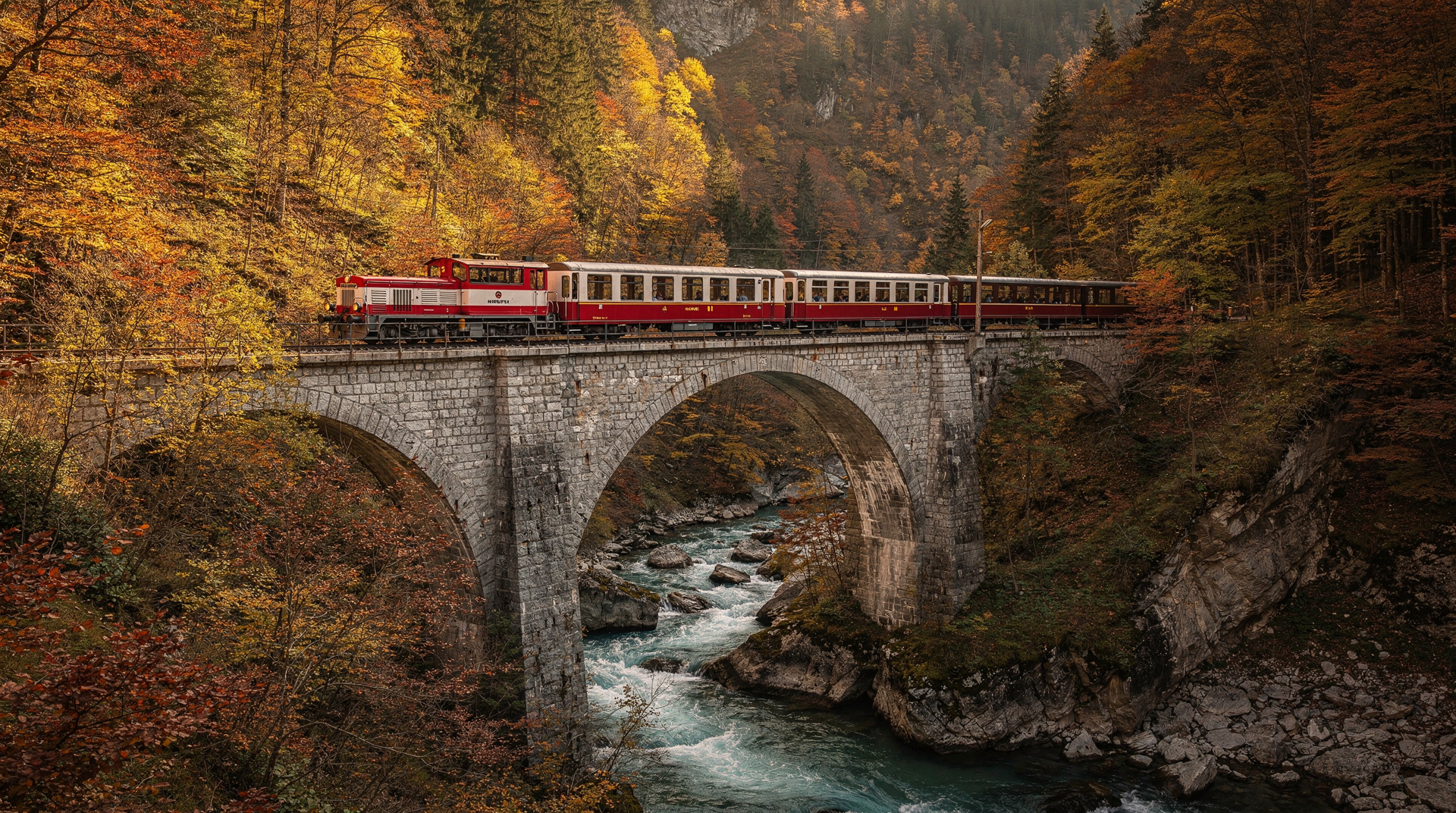
By train: a few daily services, 2h15–2h30. Comfortable and scenic through the Sava Valley.
By FlixBus: multiple daily services, cheapest option, 2h30–3h.
For those visiting the Slovenian coast (Piran) and then continuing to Croatia’s Istrian coast (Rovinj, Poreč): the crossing from Portorož to the Croatian Istrian towns is straightforward — 30–45 min drive. This route skips Zagreb entirely and moves you directly into Croatian coastal tourism.
Best sites not to miss in each country
Slovenia’s five essential sites:
- Lake Bled — the postcard view, island church, castle viewpoint
- Soča Valley — emerald river, alpine scenery, adventure sports in Bovec
- Ljubljana — compact, walkable capital, excellent market
- Postojna Cave or Škocjan Caves — one of Europe’s finest cave systems (see the Postojna vs Škocjan comparison to choose)
- Piran — the best medieval coastal town in the northern Adriatic
Croatia’s five essential sites:
- Plitvice Lakes National Park — UNESCO cascades, genuinely extraordinary; visit early morning to manage crowds
- Dubrovnik old town — the walled medieval city is breathtaking; go in June or September to avoid the worst cruise-ship density
- Hvar island — lavender fields, historic town, beach culture
- Istrian interior — Rovinj, Motovun, Grožnjan; truffle country, excellent wine and food
- Diocletian’s Palace, Split — a Roman palace turned living city centre; one of the greatest Roman monuments in Europe
The final word on choosing
For first-time visitors to the region, Croatia’s Dalmatian coast is one of Europe’s most beautiful coastlines and deserves its reputation. For travellers returning to the region, or those who have done coastal Europe extensively, Slovenia offers a more unusual and concentrated experience — alpine, subterranean and coastal in 20,000 km². Either choice is rewarding. Together, they form one of the best 10–14 day trip combinations in Europe.
For the equivalent comparison with Slovenia’s northern neighbour, see the Slovenia vs Austria guide — useful if your itinerary might extend north into the Alps rather than south to the coast. And for a deeper look at what Slovenia itself delivers before you decide, the Slovenia travel guide and Slovenia tourist traps guide cover the practical planning and honest caveats in full.
Frequently asked questions about Slovenia vs Croatia
Which country is more expensive — Slovenia or Croatia?
They're comparable in most categories, but Croatia's coastal tourist towns (Dubrovnik, Split, Hvar) are significantly more expensive in peak season, rivalling Western European prices. Slovenia is more consistently priced — Bled is expensive for Slovenia, but not relative to the Croatian Riviera. For food, local restaurants in both countries are affordable; tourist-facing places in Croatia inflate faster. Overall, Slovenia has less price volatility.Which has better hiking?
Slovenia. Triglav National Park, the Julian Alps, the Soča Valley and the Seven Lakes Valley offer alpine hiking that Croatia cannot match. Croatia's national parks (Plitvice, Paklenica) are excellent but are more 'nature walk' than 'mountain hiking'. For serious hikers, Slovenia is the better destination.Which has better beaches?
Croatia, significantly. The Dalmatian coast has hundreds of islands with crystal-clear water, pebble beaches and a beach culture built over decades of tourism. Slovenia's coastline is only 46 km — Piran and Portorož have pleasant beaches and the medieval old town of Piran is one of the Adriatic's most beautiful, but it's a minor beach destination compared to Croatia. If a beach holiday is your primary goal, Croatia wins.Which is easier to travel around?
Slovenia is smaller and more compact — you can cover the main highlights in 5–7 days. Everything is within a few hours of Ljubljana. Croatia is much larger and more spread out; the Dalmatian islands require ferries, and Dubrovnik in particular is remote (it's closer to Bosnia and Montenegro than to Zagreb). Both require a car for full exploration outside the main tourist circuit.Can I combine Slovenia and Croatia in one trip?
Yes, easily. The most natural combination is: Ljubljana (2 days) + Lake Bled (2 days) → drive via Zagreb (2 days) → Plitvice Lakes (1 day) → Istrian coast or Dalmatia. Alternatively, Slovenia + Ljubljana + Slovenian coast (Piran) → Istria (Rovinj, Poreč) → Dalmatia is the coastal route. The Ljubljana–Zagreb drive is 2 hours on motorway. Both countries are Schengen — no border formalities.Which country has better caves?
Slovenia, decisively. Postojna, Škocjan and Križna Jama together form one of Europe's most varied cave regions, spanning theme-park-managed to near-wild small-group experiences. Croatia has caves too, but none with the international profile or variety of Slovenia's Karst system.Is one country better suited to a family trip?
Both work well, but for different family styles. Slovenia's compactness and short drive times suit families who don't want long transfers between activities. Croatia's islands and beaches suit families prioritising a beach-based holiday with occasional day trips. Neither requires much specialist planning for children.
Top experiences
Bookable activities with verified prices and instant confirmation on GetYourGuide.