Slovenian castles: the best to visit and honest assessments of each
Ljubljana and Ljubljana Castle sightseeing tour
What is the most impressive castle in Slovenia?
For sheer visual drama, Predjama Castle — built into a cliff face near Postojna — is unmatched. For historical significance and the best museum collection, Celje Old Castle. For convenience combined with a good view, Ljubljana Castle. For a compact fairy-tale aesthetic, Bled Castle. Each excels at something different; the best castle for you depends on what you want from the visit.
Castles in Slovenia: choosing what is actually worth visiting
Slovenia has the highest density of castle sites per square kilometre of any country in Central Europe. The reasons are geographic: a mountainous territory at the intersection of four medieval powers — the Holy Roman Empire, the Republic of Venice, the Ottoman advance and the Hungarian kingdoms — required defensive infrastructure in every valley and on every commanding hilltop.
Of the 500-plus documented sites, about fifty are accessible to visitors in some meaningful form. Of those fifty, perhaps a dozen are genuinely worth a detour. This guide covers the best of them honestly — including what each does well and what makes some of them disappointing.
| Best single castle | Predjama (visual drama) or Ljubljana Castle (convenience) |
| Best museum | Ptuj Castle / Celje Regional Museum |
| Typical entry | EUR 5–24 depending on site |
| Time needed | 1–2 hours per castle; 1 full day for two castles |
| Best without a car | Ljubljana, Bled, Ptuj, Škofja Loka castles |
| Combine well | Predjama + Postojna Cave; Celje + Maribor |
Ljubljana Castle
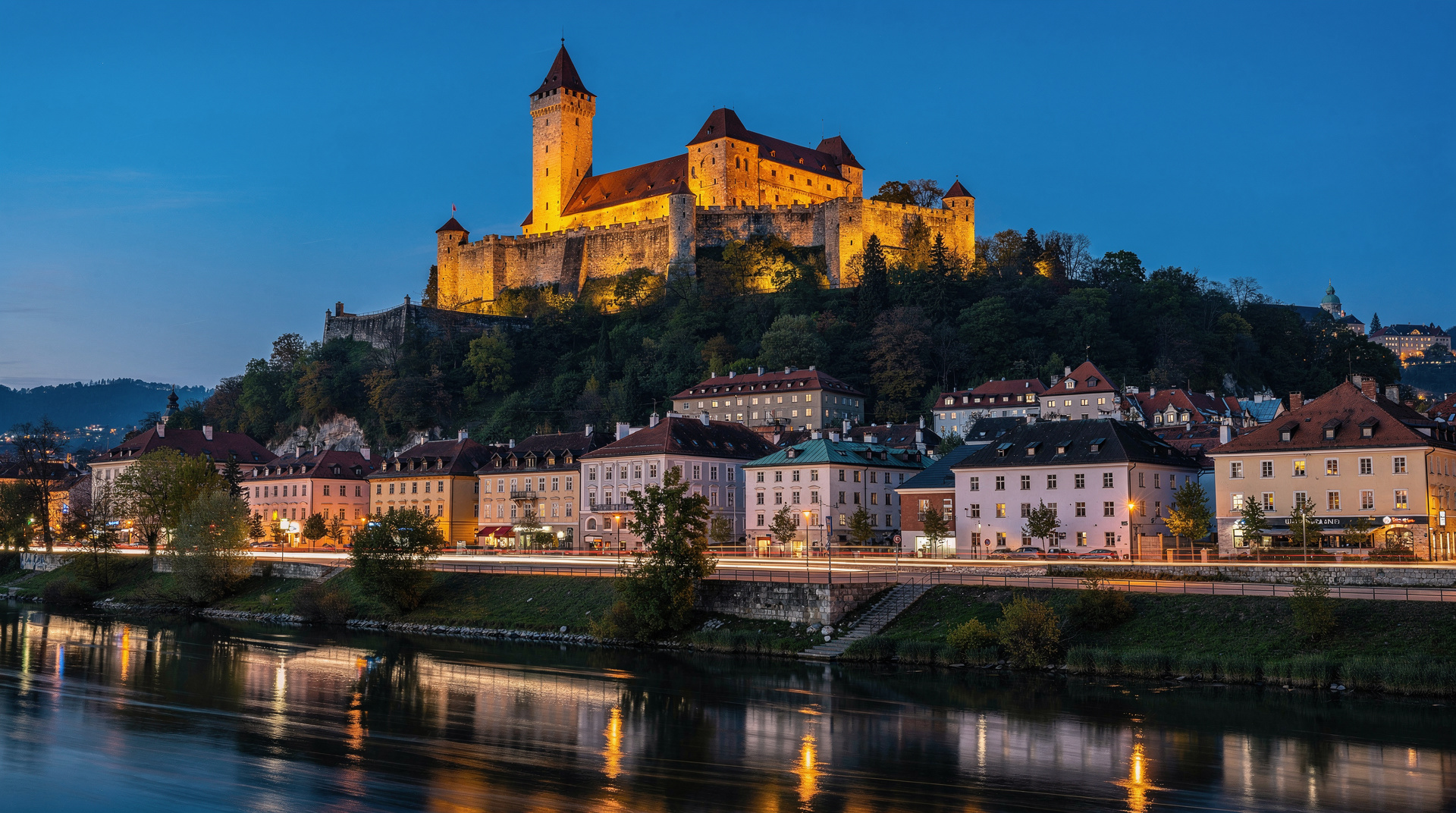
The most convenient and most visited, since it sits directly above Ljubljana’s old town. The castle is a composite structure rebuilt across multiple centuries, now functioning as a cultural centre with a history museum, puppet theatre, restaurant and event space.
What it offers: The best single panoramic view of Ljubljana. A competent history museum. The chapel of St George. A funicular (EUR 6 return). Good café and restaurant on the premises.
Honest assessment: The outer areas and the panorama are genuinely excellent and free. The paid interior (EUR 17.10–19 combo) is worthwhile for those interested in Slovenian history but not essential for a general visitor. The funicular is enjoyable rather than necessary.
A guided castle tour adds considerable context to the visit, particularly for the chapel’s heraldic decoration and the castle’s role in Ljubljana’s history.
Best for: First-time visitors to Ljubljana who want a view and an introduction to the city’s history.
For the full visit, including how to approach the hill, read the Ljubljana Castle guide.
Predjama Castle
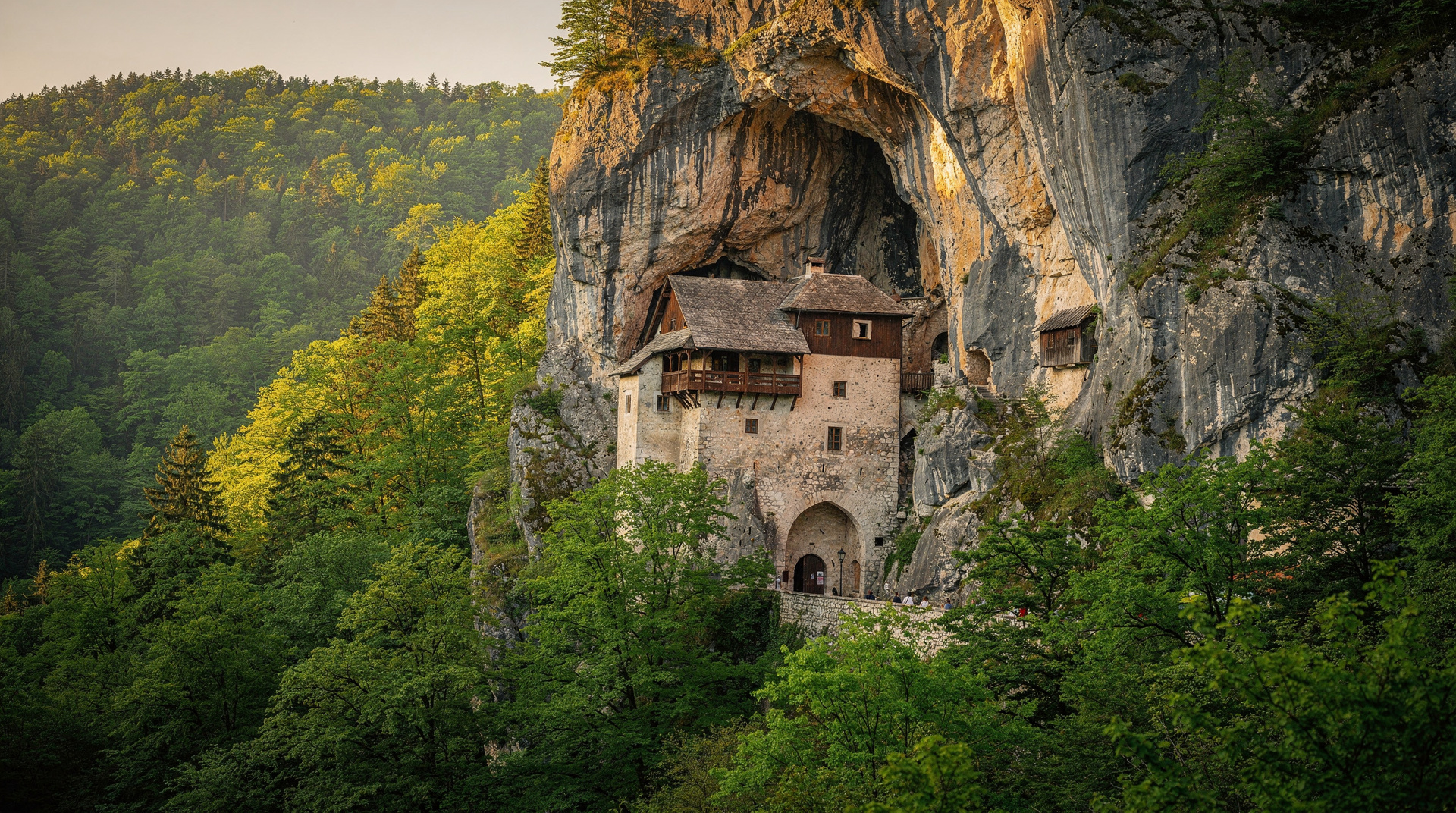
The standout visual experience among Slovenian castles, 10 kilometres north of Postojna. The castle is built into — and under — a 123-metre limestone cliff, with successive owners expanding both the above-ground structure and the cave system running through the cliff behind it.
The cliff setting is not a photographic trick: the castle genuinely emerges from the rock face in a way that requires being seen to be fully believed. The interior tour (approximately 45 minutes with a guide) covers the medieval rooms, the kitchen, the well room and access to the cave passage through which the fifteenth-century owner Erazem of Predjama allegedly received supplies during a Habsburg siege. The cave passage is real, still accessible, and rather dramatic.
Entry costs approximately EUR 24 standalone. Combined tickets with Postojna Cave (10 km south, operated by the same company) are available. See the Predjama Castle guide for the full visit.
Best for: Anyone who wants the most visually extraordinary castle in Slovenia. Essential.
Because the castle and the cave sit so close together, most visitors treat them as one outing. The Postojna Cave guide explains the cave side of the day, and the Predjama Castle destination page places the site in its wider surroundings. If you would rather not drive, a guided day trip from Ljubljana covering both the cave and the castle handles the transport and keeps the two visits in one outing.
Celje Old Castle
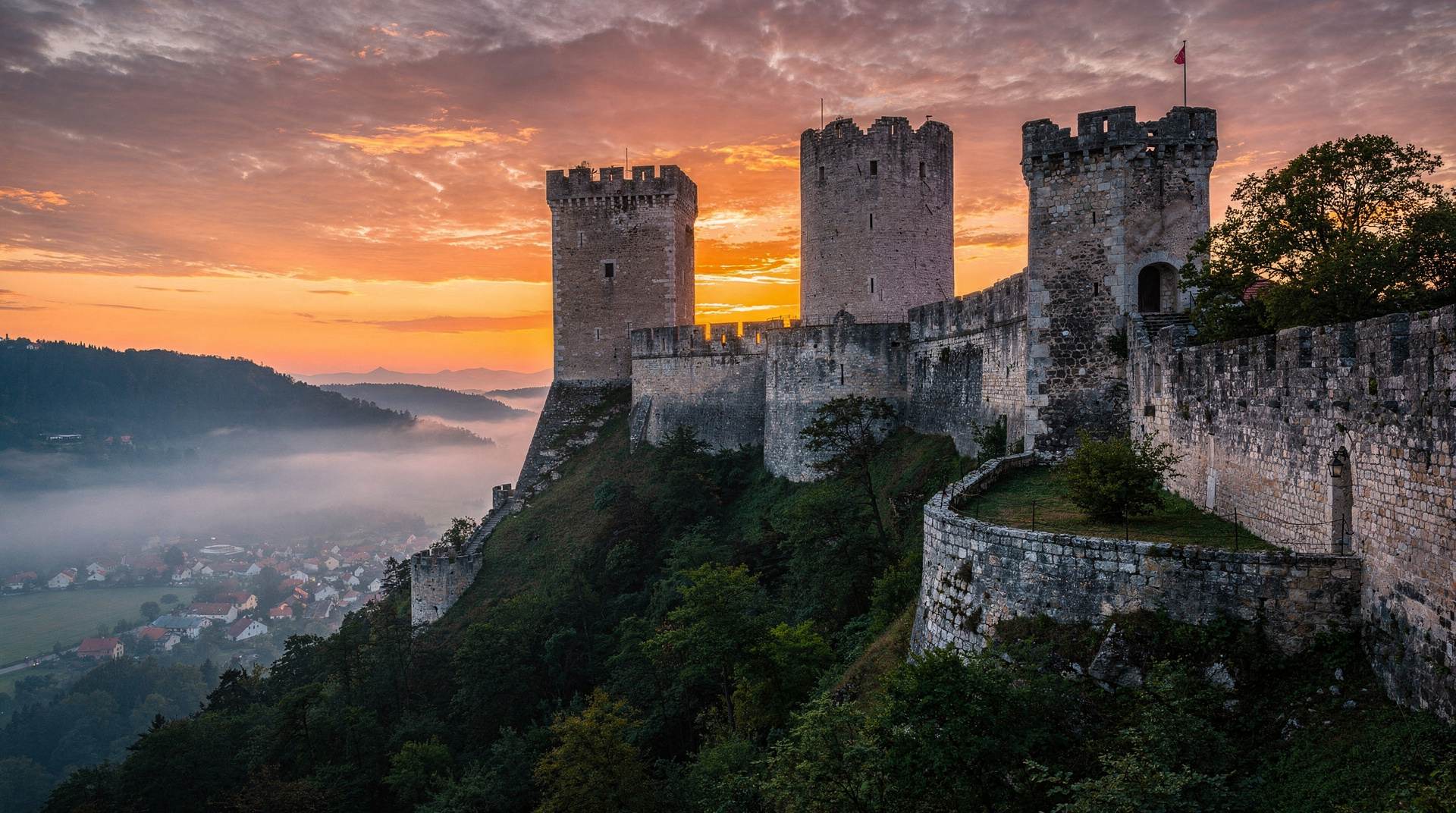
The most atmospherically ruined castle in Slovenia, on a hill above Celje, with three surviving towers and extensive wall sections. Associated with the Counts of Celje — one of the most powerful dynasties in fifteenth-century Central Europe.
What it offers: Dramatic ruined castle atmosphere. Frederick’s Tower with outstanding panoramic views. Exhibition material on the Counts of Celje. Combined well with the Celje Regional Museum (Counts’ Palace) in the town below.
Honest assessment: Less polished than Ljubljana or Bled Castle, which is exactly its appeal. The ruin is genuine, not managed. The history is substantial. Good value at approximately EUR 5.
Best for: History and architecture enthusiasts. Those who want castle atmosphere without the tourist infrastructure.
See the full Celje Old Castle guide for visiting logistics.
Bled Castle
Perched on a 130-metre cliff above Lake Bled, Bled Castle is Slovenia’s most photographed building. The cliff-top position gives one of the best views in the country — lake, island church, Julian Alps — from the rampart terrace.
What it offers: Extraordinary view. A museum with medieval ecclesiastical objects and a winery. A printing press where visitors can print a souvenir. A good restaurant with the castle view.
Honest assessment: The view justifies the entry fee (approximately EUR 19). The museum itself is not among Slovenia’s best — interesting but not exceptional. The path up from the lake takes 15–20 minutes and is free; only the interior exhibitions and the funicular charge. For most visitors, the view is the whole point of the castle and everything else is secondary.
Best for: Visitors to Lake Bled who want to maximise the panoramic experience. The restaurant is a worthwhile splurge for lunch.
The Bled Castle visit guide goes into the details of the climb and the interior, while the complete Lake Bled guide shows how the castle fits into a day around the lake.
Ptuj Castle (Ptujski grad)
A hilltop castle above Ptuj that functions as the Ptuj Regional Museum — one of the best-presented regional museums in Slovenia, with collections spanning Roman Poetovio, medieval arms and armour, musical instruments and the Kurent carnival tradition.
What it offers: Strong museum collections across multiple periods and themes. Panoramic view over Ptuj and the Drava valley. The Kurent costume collection is unique.
Honest assessment: The museum quality makes this genuinely worthwhile rather than merely atmospheric. Worth 1.5–2 hours and approximately EUR 5.
Best for: Those visiting Ptuj (essential in that context). Roman and medieval history enthusiasts.
The castle makes more sense once you have walked the streets below it; the Ptuj guide covers the town that grew up in its shadow.
Snežnik Castle
An outlier in this list — Snežnik Castle near Loška dolina is not a ruin or a cultural centre but a preserved nineteenth-century noble residence. The Schönburg-Waldenburg family used it as a hunting lodge from the mid-nineteenth century; the interiors survive largely intact, with original furnishings, hunting trophies and domestic fittings.
What it offers: Rare example of preserved nineteenth-century aristocratic interiors in Slovenia. Guided tours only (approximately 45 minutes). Remote location in a beautiful forested valley.
Honest assessment: The interior tour is excellent — the preservation is unusually complete and the guided presentation is informative. Worth the detour if you are in the Karst/Loška dolina area, but not a standalone day trip from Ljubljana.
Best for: Those interested in nineteenth-century history and material culture. A genuine surprise.
Loka Castle (Škofja Loka)
The castle above Škofja Loka, housing the Loška Museum, is the reason to climb the hill above the medieval town. The museum covers the town’s 850-year connection with the Bishops of Freising and the surrounding Sora valley region.
What it offers: Decent regional museum. Good view over the old town. The castle setting is pleasant without being dramatic.
Honest assessment: Worth visiting in combination with the Škofja Loka old town below — they are a package. Not worth a standalone journey.
Best for: Day visitors to Škofja Loka. The museum fills 1–1.5 hours after exploring the town.
The guide to medieval Škofja Loka describes the old town that makes the castle climb worthwhile.
Planning a castle-focused itinerary
One day from Ljubljana: Ljubljana Castle (morning) + Predjama Castle (afternoon, 1h15 drive, combine with Postojna if time allows) is the strongest single-day castle itinerary.
Two days: Day 1 Ljubljana and Škofja Loka; Day 2 Predjama + Postojna Cave. Alternatively, Day 1 Ljubljana Castle + Celje; Day 2 Ptuj Castle.
Three days eastern Slovenia: Day 1 Ljubljana; Day 2 Celje Old Castle + Maribor (Maribor Castle/Museum); Day 3 Ptuj Castle.
If you would rather follow a ready-made route, the Ljubljana and Bled in 3 days itinerary and the Slovenia highlights in 5 days itinerary both pass castles on the way. Without a car, the 5 days without a car itinerary keeps to the sites reachable on foot or by public transport.
For a structured overview of what else to see in Ljubljana beyond the castle, the things to do in Ljubljana guide provides the full picture.
Practical notes on visiting Slovenian castles
Opening hours: Most castle museums are closed Mondays and open Tuesday–Sunday. Hours reduce significantly in winter (November–March). Always verify before visiting, particularly for smaller or more remote sites.
Combination tickets: Postojna and Predjama offer a combined ticket. Ljubljana Castle offers various combo bundles. Individual tourist offices can often provide regional combination deals for nearby sites.
Accessibility: Most Slovenian castles involve significant walking on uneven or steep surfaces. Ljubljana Castle (funicular), Bled Castle (funicular or steep path) and some museums within castles have improved accessibility. Outdoor ruin sites like Celje Old Castle are largely inaccessible for wheelchairs.
Guided tours: Available at all major castles, in English, typically on fixed schedules in peak season or by arrangement in off-season. Private guide services for castle-focused itineraries can be arranged through Ljubljana or regional tourist offices.
Frequently asked questions about Slovenian castles
Which Slovenian castle is most worth visiting?
Predjama Castle is the most visually extraordinary — the cliff-face setting is unique in Europe and the history is compelling. Ljubljana Castle is the most convenient and the best viewpoint for the capital. Celje Old Castle has the most atmospheric ruins and the strongest historical context. Ptuj Castle has the best museum. Bled Castle has the best setting but the weakest interior relative to its price. If forced to choose one, Predjama Castle delivers an experience unavailable anywhere else.
Can you see Slovenian castles without a car?
Ljubljana Castle is walkable from the city centre. Bled Castle is walkable from the lake. Ptuj Castle is walkable from Ptuj town. Škofja Loka Castle is walkable from the bus stop. Predjama Castle requires either a car or an organised tour from Ljubljana or Postojna — there is no practical public transport connection. Celje Old Castle is walkable from Celje train station (2 km). A car greatly expands the accessible range.
Are there any castles in Slovenia with ghosts or legends?
Every significant Slovenian castle has at least one legend attached. Predjama’s story of Erazem and the siege is historically documented and dramatic. Bled Castle features a White Lady, a mourning noblewoman said to appear on moonlit nights. Celje Castle has multiple legends relating to the violent end of the Celje dynasty. Snežnik has hunting-related folk stories. These traditions are part of the castle heritage and are usually mentioned in guided tours.
Do Slovenian castles do events?
Yes. Ljubljana Castle hosts concerts, markets and film screenings throughout the year. Predjama Castle stages a medieval knight tournament (Erazmov turnir) in summer, one of the better-presented medieval events in the region. Celje Old Castle hosts occasional historical events and the Lent Festival’s castle component. Ptuj’s Kurentovanje carnival is castle-adjacent. Check individual castle websites and regional tourism calendars for current programming.
Which Slovenian castles have the best restaurants?
Ljubljana Castle’s Gostilna na Gradu is the best castle restaurant in Slovenia — locally sourced Slovenian food, castle courtyard setting, above average in both quality and price (lunch mains EUR 15–22). Bled Castle’s restaurant has the lake view but food quality relative to price is less consistent. Ptuj Castle has a café rather than a full restaurant. Predjama Castle has no dining on-site — the nearest options are in Postojna (10 km). For the combination of setting and food quality, Ljubljana Castle na Gradu is the clear leader.
Are any Slovenian castles open in winter?
Ljubljana Castle and Bled Castle are open year-round (though Bled’s pletna boat to the island may not operate in winter). Predjama Castle is open year-round with reduced hours November–March. Ptuj Castle/Regional Museum is open year-round Tuesday–Sunday. Celje Old Castle has reduced winter hours — check locally before visiting November–February. Most smaller or more remote castle sites reduce or suspend winter access; this is generally noted on their websites. Ljubljana Castle’s winter Christmas market (December) and summer Ljubljana Festival events are the main seasonal programming peaks.
Which Slovenian castle gives the best photographs?
Predjama Castle is the standout — the cliff-face setting photographs dramatically from the approach road, and no filter or angle can make it look ordinary. Bled Castle’s rampart terrace gives the best composed shot in the country: lake, island church and Julian Alps in one frame, best in early morning light before the crowds and tour buses arrive. Ljubljana Castle’s view over the terracotta rooftops toward the Ljubljanica river works well at golden hour. For atmosphere over polish, Celje Old Castle’s genuine ruin state photographs more moodily than any of the restored sites.
Should I book castle tickets in advance?
For Ljubljana Castle and Bled Castle in July–August, booking the funicular or entry slot online avoids queuing, though walk-up tickets are usually available with a short wait. Predjama Castle rarely sells out but combined tickets with Postojna Cave benefit from advance booking in peak season, since Postojna’s guided cave tours run on a timed schedule. Smaller sites (Celje, Ptuj, Škofja Loka, Snežnik) essentially never require advance booking outside of special events.
Top experiences
Bookable activities with verified prices and instant confirmation on GetYourGuide.