Slovenia hidden gems 6-day itinerary
Triglav National Park: 7 Lakes Valley hiking tour
Beyond the Instagram loop: Slovenia’s less-visited best
Most visitors to Slovenia follow the same circuit: Ljubljana, Lake Bled, Postojna Cave. This itinerary deliberately avoids that loop (except for an unavoidable pass through Bled territory) and focuses on the four destinations that regular Slovenia visitors cite as their favourites — the places that have all the natural drama with none of the tour-bus queues.
Lake Bohinj, Soča Valley, Škocjan Caves and Logar Valley represent Slovenia at its most authentic. None of them is exactly secret — they all appear in guidebooks — but the combination of being less famous than Bled or Postojna means they remain genuinely peaceful even in peak season. Bohinj, in particular, has more lake per visitor than almost any comparable mountain destination in Europe.
A car is essential for this itinerary. Public transport reaches Bohinj and Škocjan, but the Soča Valley and Logar Valley require your own wheels.
| Where | Bohinj → Vršič Pass → Soča Valley/Kobarid → Škocjan → Logar Valley |
| Difficulty | Moderate — the Vršič crossing and the 7 Lakes hike are the demanding parts |
| Distance | 500–700 km total, depending on detours |
| Best time | June–September (Vršič Pass closed roughly November–May) |
| Car needed | Yes — essential for the Soča Valley and Logar Valley legs |
| For | Return visitors and travellers who prioritise depth over famous names |
Day-by-day snapshot
| Day | Base | Focus |
|---|---|---|
| 1 | Bohinj | Arrival, lake circuit |
| 2 | Bohinj | 7 Lakes Valley hike or Vogel + Savica |
| 3 | Bovec | Vršič Pass crossing, Soča source |
| 4 | Bovec/Kobarid | Rafting, Kobarid Museum, Kozjak Waterfall |
| 5 | Karst/Piran | Škocjan Caves, Lipica |
| 6 | Ljubljana | Logar Valley, return |
If this is your first trip to Slovenia rather than a return visit, the Slovenia highlights 5-day itinerary covers the famous names first — come back to this route once Bled and Postojna are ticked off.
Day 1 — Ljubljana to Bohinj
Drive from Ljubljana to Lake Bohinj (80 km, 55 minutes) via the motorway and mountain road. The drive itself is rewarding — the gorge section between Jesenice and Bled is carved out by the Sava Dolinka river, and Lake Bled appears briefly on the right side of the road (unavoidable even if you are deliberately skipping it).
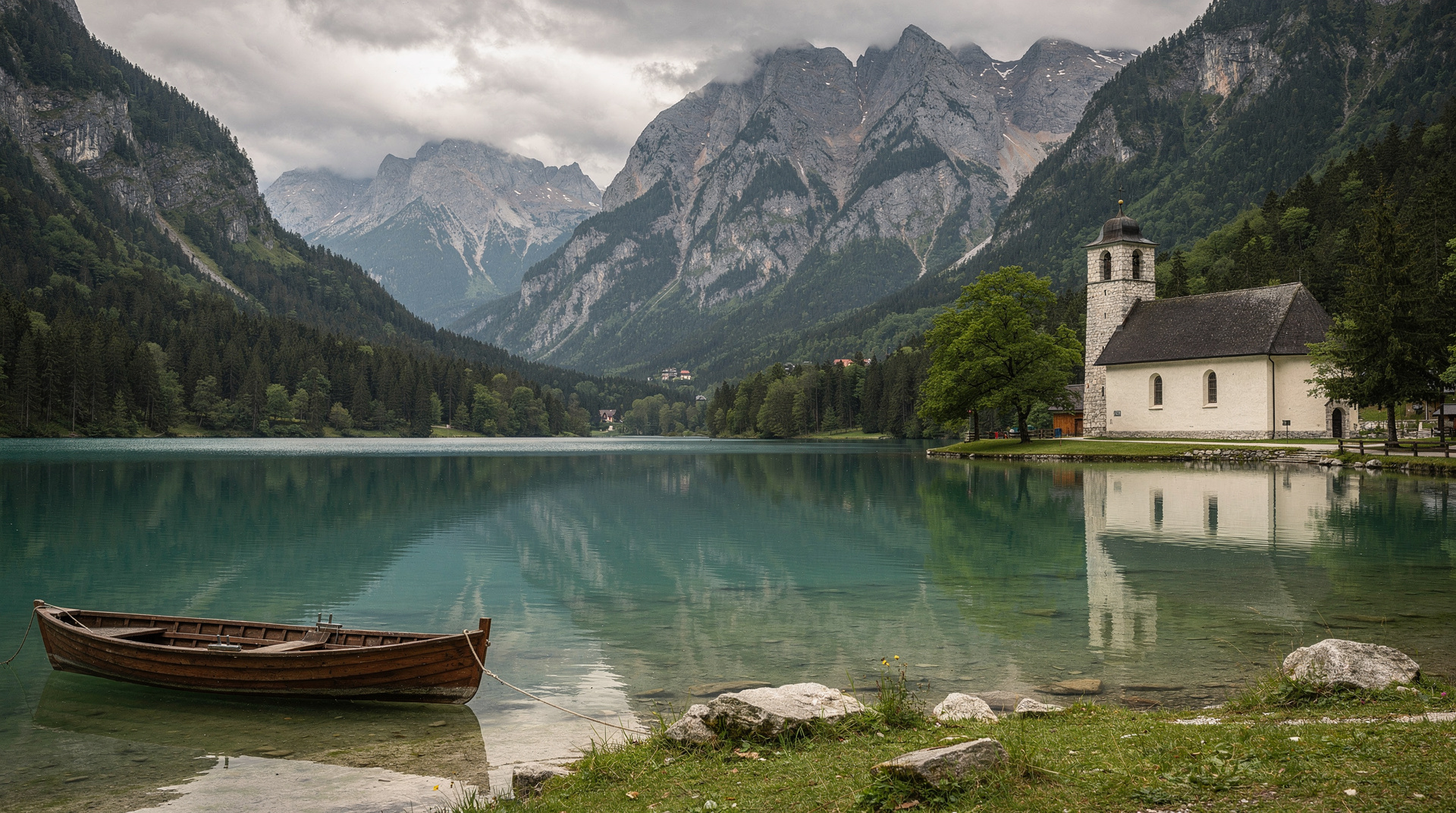
Bohinj is entirely within Triglav National Park and the landscape shift from the Bled basin to the Bohinj valley is immediate. The mountains are closer, larger and more serious. The lake is 4.4 km long and contains some of the cleanest water in Slovenia — temperatures reach 22–24°C in July and August.
Arrive in Ribčev Laz (the main settlement at the eastern end of the lake) and walk the 12 km lake circuit if time and legs allow, or drive the 6 km to Ukanc at the western end for the sunset view back toward the mountains.
Stay at Pension Stare near Ribčev Laz (from €70/night) or the Bohinj Eco Hotel (from €100). Dinner at Gostišče Erlah near Stara Fužina — the trout and mushroom dishes use ingredients from the surrounding valley.
Day 2 — Bohinj: 7 Lakes Valley hike
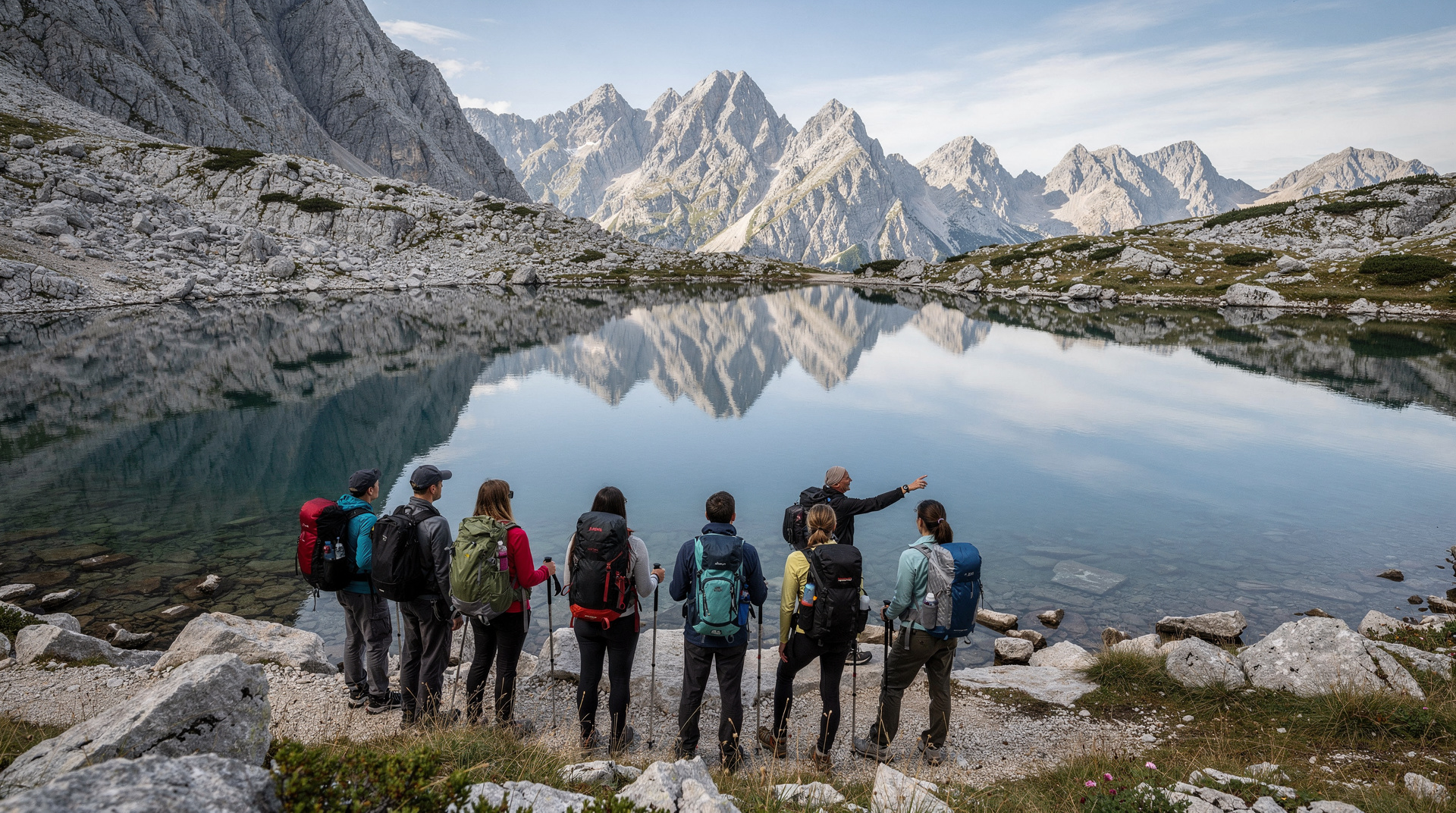
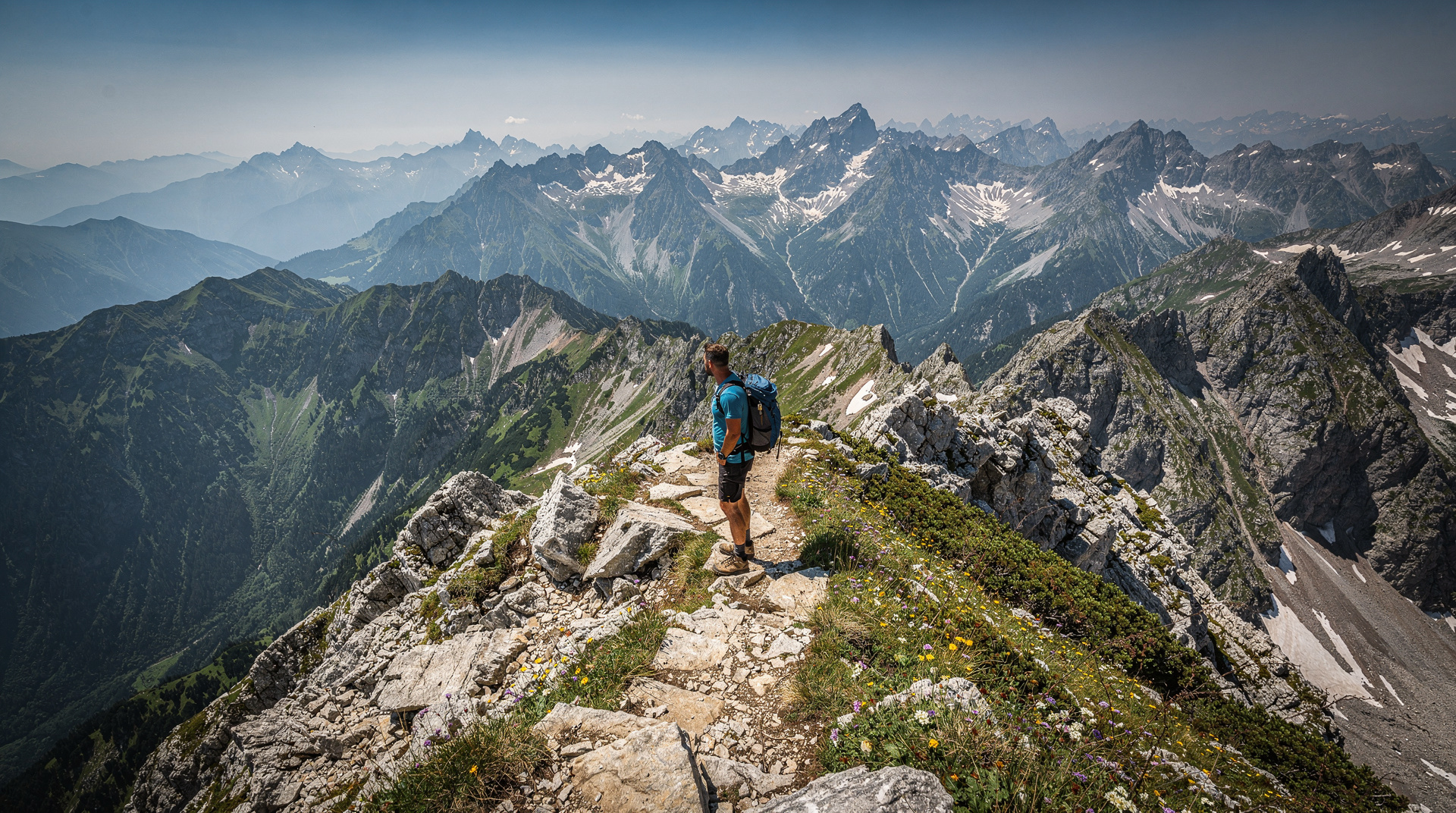
This is a serious mountain day. The 7 Lakes Valley (Dolina Triglavskih jezer) is one of the most celebrated hiking routes in the Julian Alps — a 15 km circuit through a high valley strung with seven glacial lakes, with views of Triglav throughout.
The guided 7 Lakes Valley hiking tour from Bohinj is the recommended way to do this walk — the guide explains the geology, ecology and mountain traditions that make the valley far more than a series of pretty lakes. The hike takes 7–8 hours, requires proper boots and reasonable fitness, and includes around 800 m of ascent.
If the 7 Lakes walk is too demanding: the Vogel cable car from Ukanc (€32–35 return, 4 minutes to 1,540 m) provides the panoramic Alpine experience without the leg work, and there are several shorter marked trails from the top station.
The Savica Waterfall (20-minute walk from Ukanc, €4 entry) is one of Slovenia’s finest waterfalls — 78 metres of double cascade into a teal pool at the head of the lake valley. Go at the end of the day when the light hits the spray.
Day 3 — Drive to Soča Valley via Vršič Pass
Check out from Bohinj and drive over the Vršič Pass (open May–October only) to the Soča Valley. The drive is 100 km and takes about 2.5 hours with stops — it is one of the finest mountain drives in Europe.
From Bohinj, drive north to Kranjska Gora (30 minutes) and then up Road 206 through the 50 numbered hairpin bends to the pass summit at 1,611 m. Stop at the Russian Chapel (built by WWI POWs), walk 15 minutes above the summit car park for the full panorama, and descend the southern face into the Trenta valley.
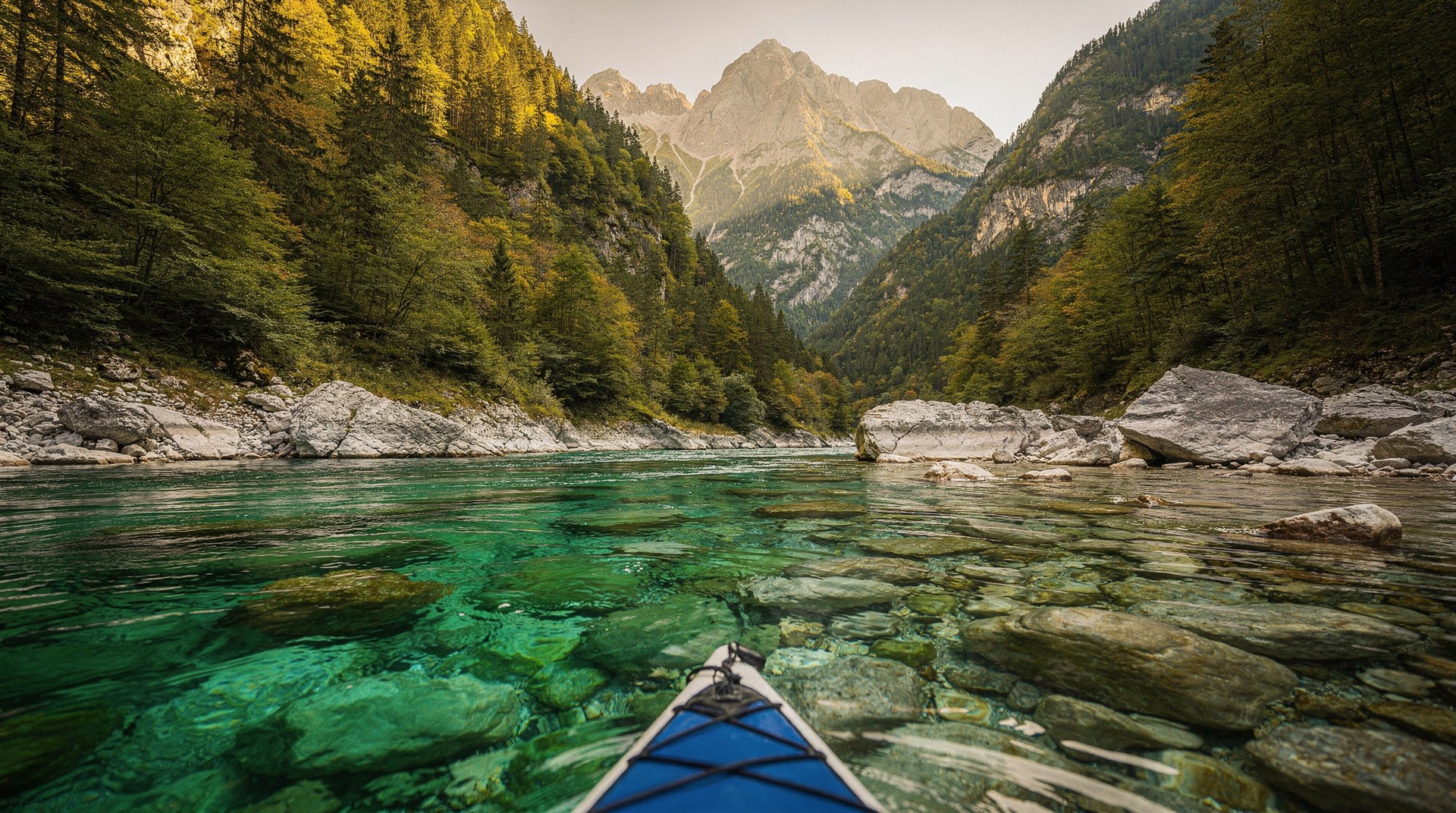
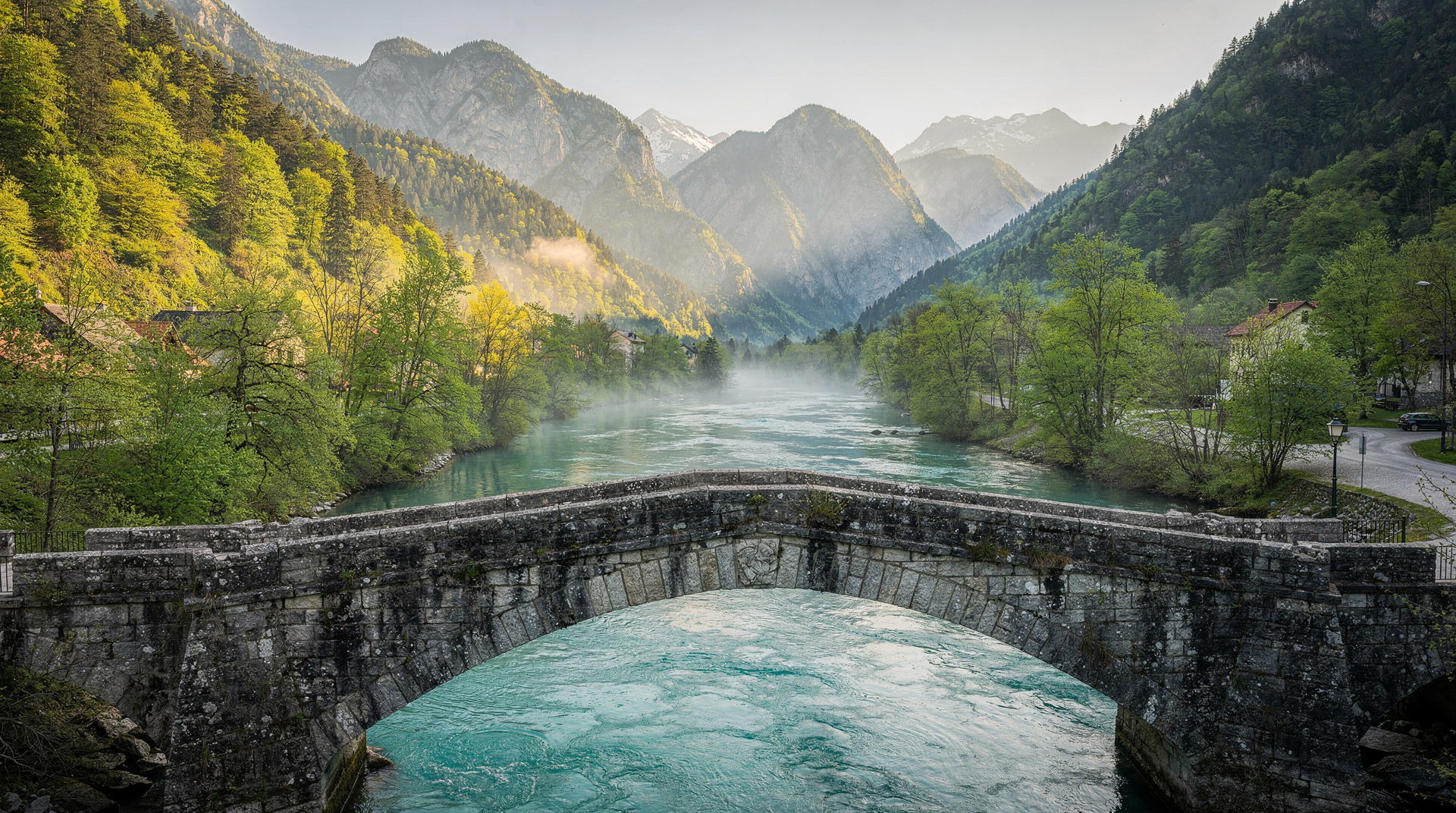
The first stop on the southern side is the source of the Soča — the river emerges from a cave and immediately assumes its characteristic blue-green colour. A 30-minute walk from the road through a gorge brings you to the source pool.
Continue through Trenta to Bovec (45 minutes from Vršič). Check in and walk the Soča valley south of town for a late-afternoon introduction to the river.
The guided day trip to Trenta Valley and Soča River from Bled covers this exact route if you prefer a narrated version — though with your own car you can stop wherever you choose.
Day 4 — Soča Valley: rafting and Kobarid
Today is the Soča experience day. Start with rafting:
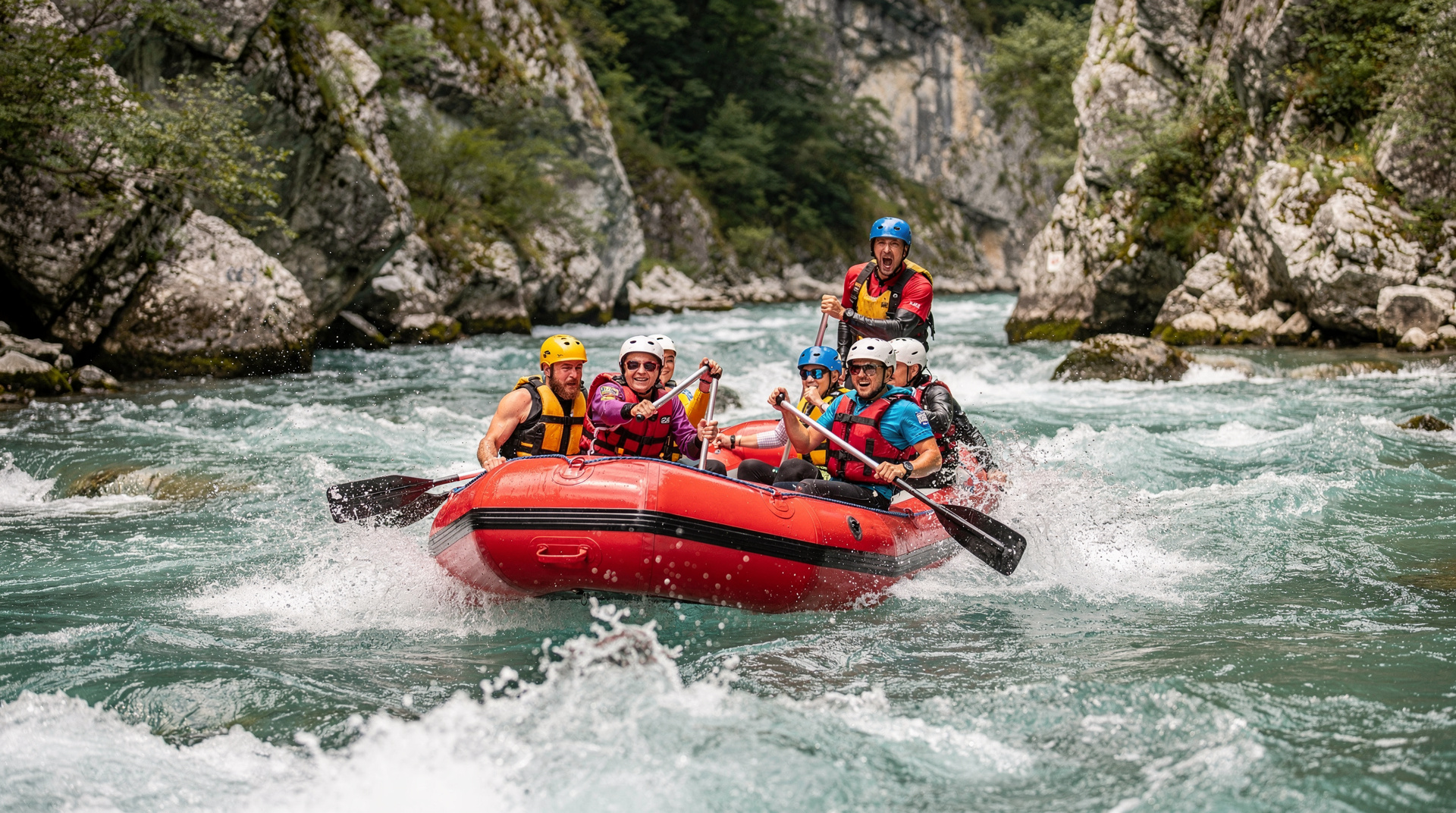
Whitewater rafting on the Soča from Bovec — an 8 km run through Class III rapids in water the colour of a tropical sea. The combination of the white water and the blue-green transparency makes this one of the most beautiful rafting experiences in Europe. Cost around €45–55. Book the morning session and be on the river by 10:00.
After rafting, drive south to Kobarid (26 km, 30 minutes). Visit the Kobarid Museum (€7, Council of Europe Museum Prize winner) — it tells the story of the Isonzo Front in WWI, one of the bloodiest campaigns of the war, fought directly in this landscape. Allow 2 hours; it is genuinely one of Europe’s best war museums.
The Kozjak Waterfall is a 30-minute walk from Kobarid town — follow the signs along the Soča riverbank. The waterfall drops into a narrow cave with the pool hidden inside; the light at the entrance is extraordinary on a sunny afternoon.
Dinner at Hiša Franko (book weeks in advance, tasting menu €90–120) or at Gostilna Kotlar in Kobarid, which serves local lamb and trout at more modest prices (€20–30 for a full meal).
Day 5 — Drive to Škocjan Caves and overnight near Karst
Drive from Kobarid to Škocjan Caves (150 km, 2 hours via the coast road or 2.5 hours via the motorway through Idrija). The Škocjan Caves are Slovenia’s UNESCO World Heritage Site — and arguably more impressive than the better-known Postojna.
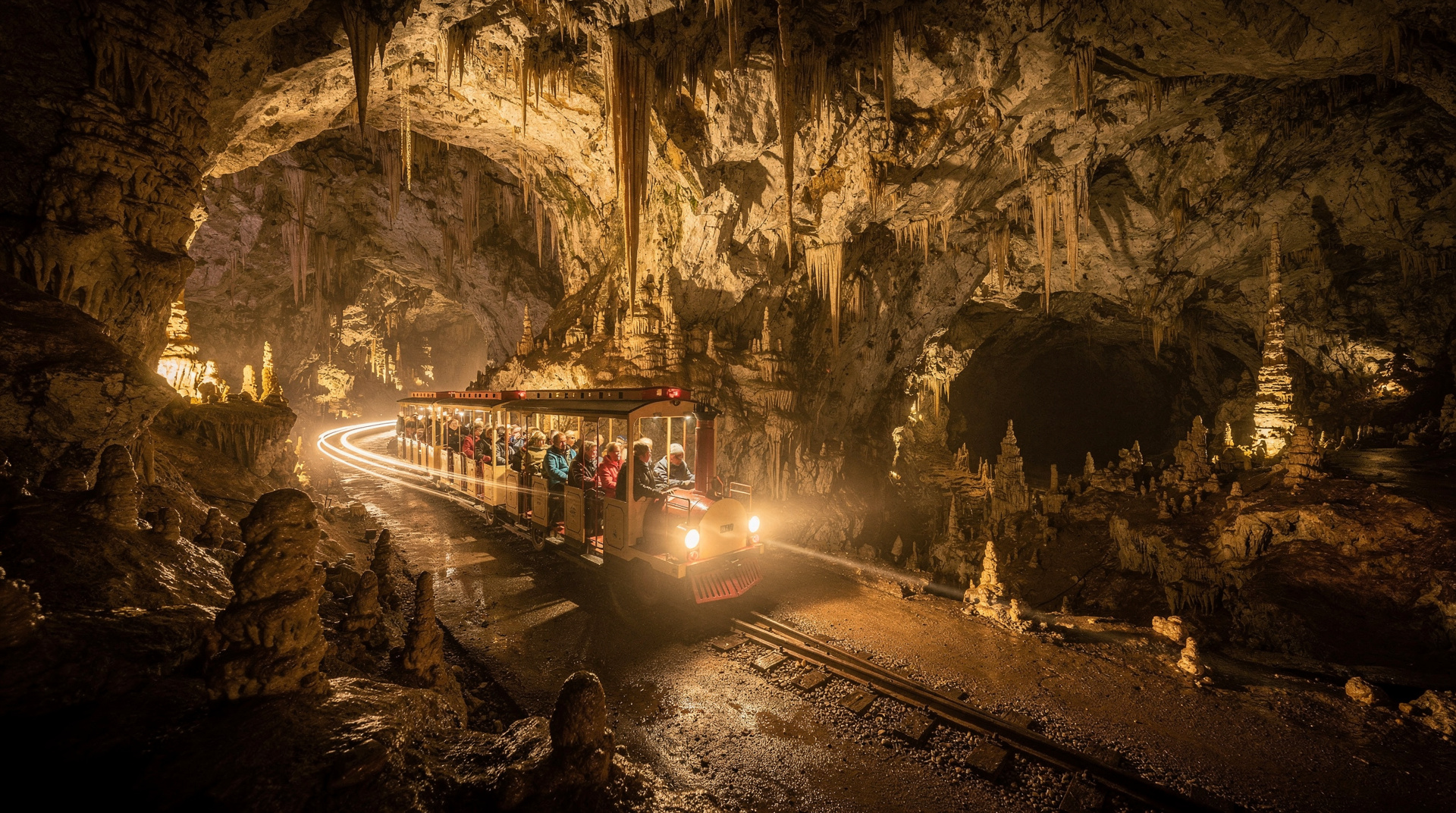
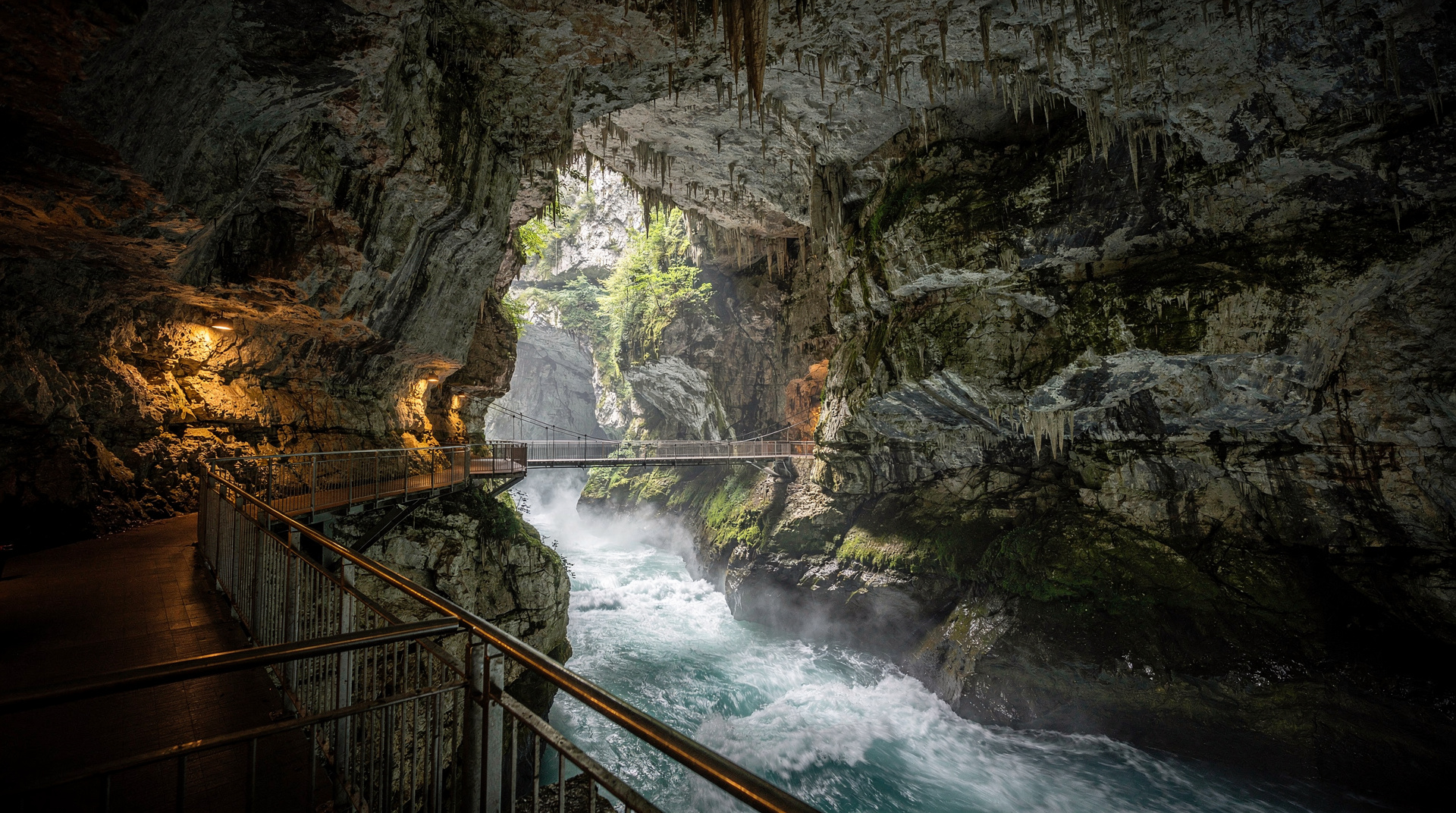
The reason to prefer Škocjan over Postojna: it is a wild underground canyon rather than a decorated gallery. The main chamber — Martel’s Chamber — is one of the largest underground spaces accessible to tourists anywhere in the world, with a 165-metre ceiling and the Reka River roaring through it. Tours run hourly (€18, no advance booking, tours limited to 65 people).
The Škocjan Caves day tour from Ljubljana covers transport and entry if you are arriving from the capital direction.
After the caves: the Škocjan area has several good options. The Lipica Stud Farm (10 km from Škocjan, birthplace of the Lipizzaner horses) is worth an hour — guided tours show the training sessions and the stables. The regional town of Sežana has adequate accommodation, or continue to Piran (30 km) for the night.
Day 6 — Logar Valley and return
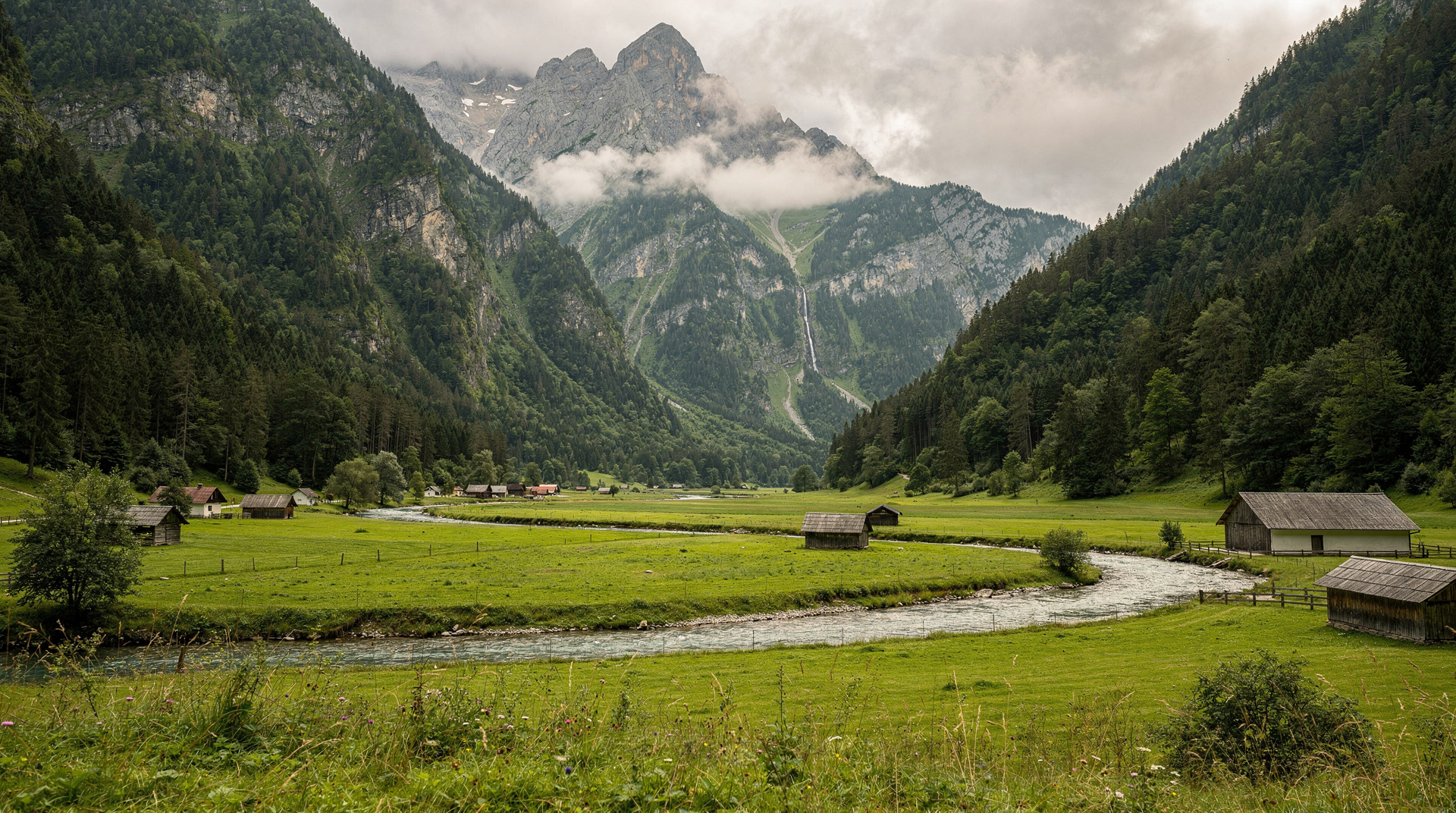
The Logar Valley (Logarska Dolina) is one of Slovenia’s best-kept secrets — a glacial valley in the Kamnik–Savinja Alps that looks like a postcard illustration of an Alpine valley, with waterfalls on three sides, a small chapel and a mountain hut at the end.
From Piran or the Karst area, the drive to Logar Valley is 160–180 km, about 2 hours via Ljubljana. Alternatively, combine Logar Valley with a Ljubljana stop on the way back to the airport.
The Logar Valley and Solčava Panoramic Road day trip from Ljubljana is available for those who want a guided introduction — the panoramic road above the valley gives views comparable to Austria’s Grossglockner at a fraction of the price or the fuss.
The valley floor (entry fee €7 per car May–October) has several hiking trails including the walk to Rinka Waterfall (30 minutes round trip) — a 90-metre cascade that drops from a limestone shelf directly into the valley. The valley is 7 km long and the drive up is itself spectacular.
Return to Ljubljana for the airport (100 km, 1.5 hours from the Logar Valley).
Why these four and not the famous four
Bohinj vs Bled: Lake Bohinj has roughly 85% of Bled’s natural beauty (same Alps, better swimming water, larger lake, wilder atmosphere) with about 10% of the visitors in peak season. The island and castle view at Lake Bled is iconic and worth seeing; but the swimming, the hiking trails, the long lake circuit and the mountain backdrop at Bohinj are superior as a multi-day destination. If you can do only one lake and want the famous photograph, do Bled. If you want the better place to spend two days, do Bohinj.
Škocjan vs Postojna: Škocjan Caves is wilder, darker and more geologically dramatic. Postojna Cave has the famous olm (human fish), a large underground railway, and significantly better visitor infrastructure. Škocjan’s wild underground canyon is arguably the more extraordinary natural experience; Postojna is the more accessible and complete tourist package. Choose Postojna if you are travelling with families or less mobile companions; choose Škocjan if you want the most impressive cave experience in the country without the theme-park atmosphere.
Soča Valley vs lakes: The Soča Valley is for people who want to be in or on the water, not just looking at it. If your travel style is active rather than scenic, and if you want to swim in the most extraordinary river colour you will ever encounter, the Soča is the more rewarding choice over the Alpine lakes.
Logar Valley vs more famous areas: The Logar Valley is genuinely uncrowded outside August weekends, and the combination of the glacial valley, multiple waterfalls, traditional Alpine farm architecture and the surrounding Kamnik–Savinja Alps is as close to a pristine mountain landscape as Slovenia offers. Unlike the more famous areas, there are no tour buses here and the visitor infrastructure is modest but honest.
Practical notes
Total driving: Approximately 500–600 km over 6 days, with the longest single drive being the Kobarid–Škocjan section (150 km, 2 hours). The Vršič Pass crossing (days 3–4) is the most demanding driving — see the Julian Alps itinerary for specific advice. If the pass is closed (winter and shoulder season), the Kobarid-to-Tolmin road and then the A1 motorway to Škocjan adds 40 minutes to the route but avoids the mountain altogether.
Accommodation: The six-day format requires two or three accommodation changes. Suggested: two nights Bohinj area (days 1–2), two nights Bovec area (days 3–5), one night Karst/Piran area (day 5), return day 6 to Ljubljana. Alternatively: two nights Bohinj, two nights Kobarid/Bovec, then Logar Valley as a single-night stop on the way back via Kamnik.
Logar Valley timing: The valley has an entry fee (€7 per car) and is most peaceful early morning and late afternoon. The Rinka Waterfall walk is 30 minutes each way from the lower car park and requires waterproof shoes. The valley is open year-round but the car access road may be icy or snowbound in winter.
Škocjan timing: Tours run hourly from 10:00 to 17:00 in summer (fewer in winter); tour size is limited to 65 people. Arrive at least 30 minutes before the tour hour to queue. The cave is closed Mondays in winter. No advance booking — all walk-in. The entrance involves descending a steep path (stairs and ramps, not physically demanding) and crossing a bridge above the underground gorge.
Who this itinerary is for
This hidden-gems itinerary assumes you have already visited (or consciously decided to skip) the Ljubljana–Bled–Postojna circuit. It is for return visitors who want to understand Slovenia beyond its Instagram hits, or for first-timers who specifically prioritise depth over fame.
The trade-off is real: Bohinj does not have the pletna boat, the island church or the cream-cake ritual. The Soča Valley requires driving the Vršič Pass (an effort) or a longer southern approach. Škocjan Caves does not have an underground train or a well-organized gift shop. Logar Valley has no five-star hotel.
What you get instead: two days at a lake that is completely your own after 17:00, a river that stops your thoughts, the most spectacular cave on the continent, and a valley that looks the way the Alps looked before tourism arrived.
Practical notes
Car is essential: All four destinations on this itinerary require a car or, in the case of Bohinj, at least a bus. The Soča Valley is inaccessible by public transport from the east in reasonable time; the Logar Valley has no direct public transport; Škocjan Caves require a taxi or tour connection from Divača train station.
Route directions: The itinerary runs Ljubljana → Bohinj → Vršič Pass → Bovec/Kobarid → Škocjan → Piran (optional night) → Logar Valley → Ljubljana. Total distance: approximately 600–700 km depending on detours. Each section has scenic driving — the Bohinj approach, the Vršič crossing and the Logar Valley entrance road are among the finest driving sequences in Central Europe.
Best season: May–October for all six days as described. The Vršič Pass is closed November–May; route the Kobarid–Škocjan section via Tolmin and the motorway in those months. October is excellent for this itinerary: autumn colour in the Bohinj valley, wild mushroom season in Triglav National Park, harvest at Goriška Brda if you pass through, and the Soča still swimmable in the first two weeks.
The Logar Valley logistics: Entry to the valley is €7 per car (payable at the barrier, May–October). The 7 km valley road narrows to single-lane in places. The main car park at the end of the valley (near Logarček inn) fills on August weekends — arrive before 9:00 or after 15:00. The Rinka Waterfall walk (30 minutes round trip from the car park, free) is the valley’s centrepiece. The Logarček inn serves simple food and drinks at the base of the waterfall path.
Combining with Ljubljana: If adding a night in Ljubljana before or after this itinerary, the city provides the urban frame that makes these less-visited landscapes more legible. After two days in Ljubljana, the shift to Bohinj’s wildness feels earned. After six days in the hidden gems, Ljubljana’s café culture and design market are an excellent decompression before the flight home.
Fitness, gear and the honest difficulty picture
This itinerary is rated moderate rather than easy for a reason: the 7 Lakes Valley hike (day 2 option) is a genuine 7–8 hour mountain day with 800 m of ascent, and the Vršič Pass crossing (day 3) demands sustained concentration on a narrow hairpin road rather than physical effort. Neither is technical — no ropes, no scrambling — but both require proper footwear (broken-in hiking boots, not trainers) and reasonable fitness.
For a fuller breakdown of what “moderate” actually means on Slovenian trails, the best Slovenia hikes guide rates routes by real difficulty rather than marketing language, and the seven lakes valley hike guide covers the route in more granular detail than fits here.
Pack layers regardless of season: temperatures at the 7 Lakes Valley and the Vršič summit can be 10–15°C cooler than Bohinj valley floor, even in August, and afternoon thunderstorms build quickly over the high peaks in summer. A 30–40 litre daypack, 1.5–2 litres of water, and a lightweight waterproof shell cover most eventualities.
Mobile signal is patchy in the highest sections of the Vršič Pass and around parts of the Logar Valley — download offline maps before setting off each morning rather than relying on real-time navigation throughout. Fuel up in Bohinj or Kranjska Gora before the pass crossing, since there are no petrol stations between there and Bovec.
What this route deliberately skips
Being honest about the trade-offs matters as much as praising the highlights. This itinerary skips Lake Bled entirely (visible only briefly from the road), skips Ljubljana beyond a possible bookend night, and skips Postojna Cave in favour of the wilder Škocjan. If any of those are on your must-see list, this is not the itinerary to build a first Slovenia trip around — pair it instead with a few extra days using the Julian Alps 7-day itinerary or the Slovenia highlights 5-day itinerary for the names this route leaves out.
Top experiences
Bookable activities with verified prices and instant confirmation on GetYourGuide.