Slovenia off-season: why November to April is worth considering
The case for an empty country
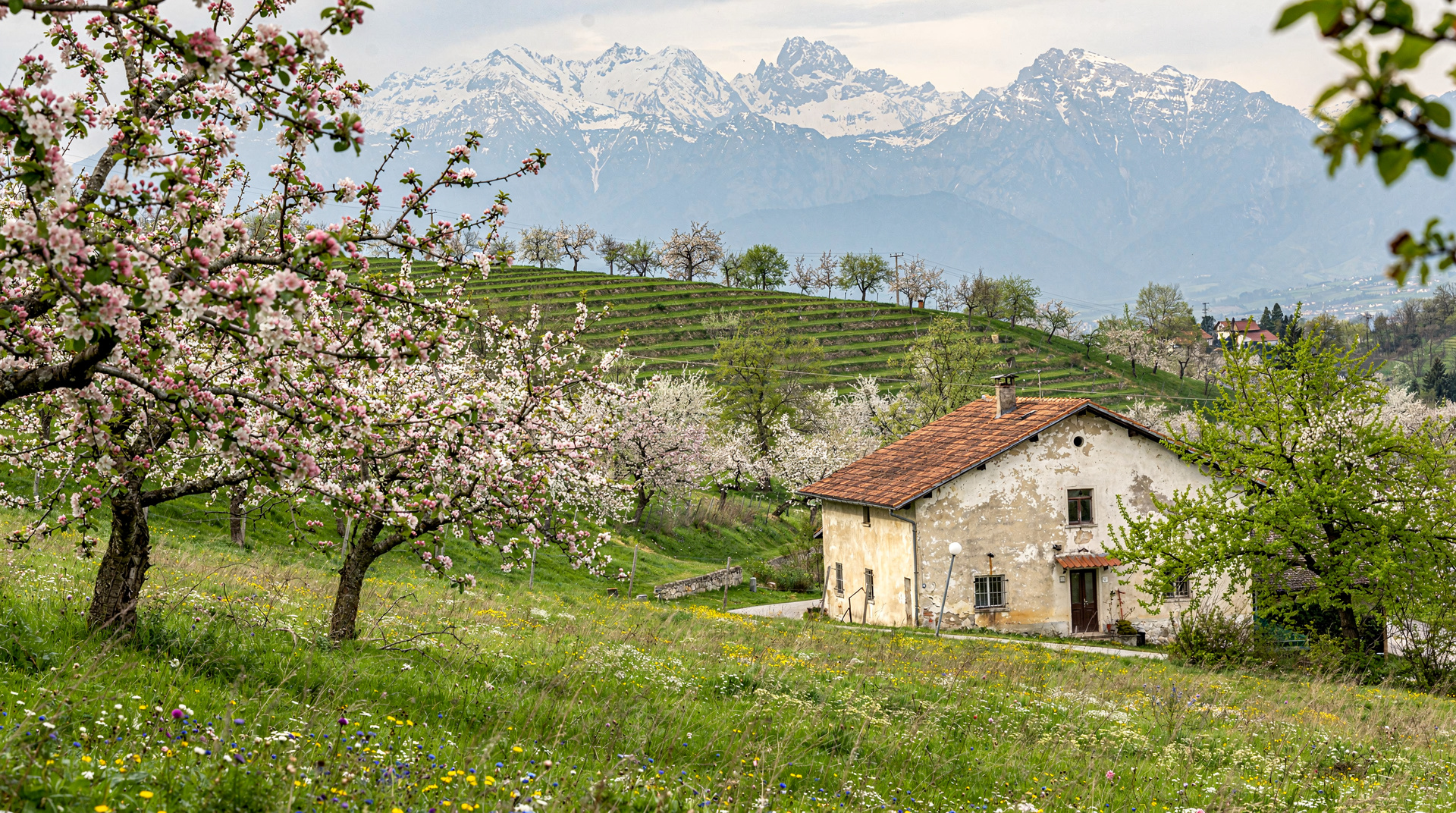
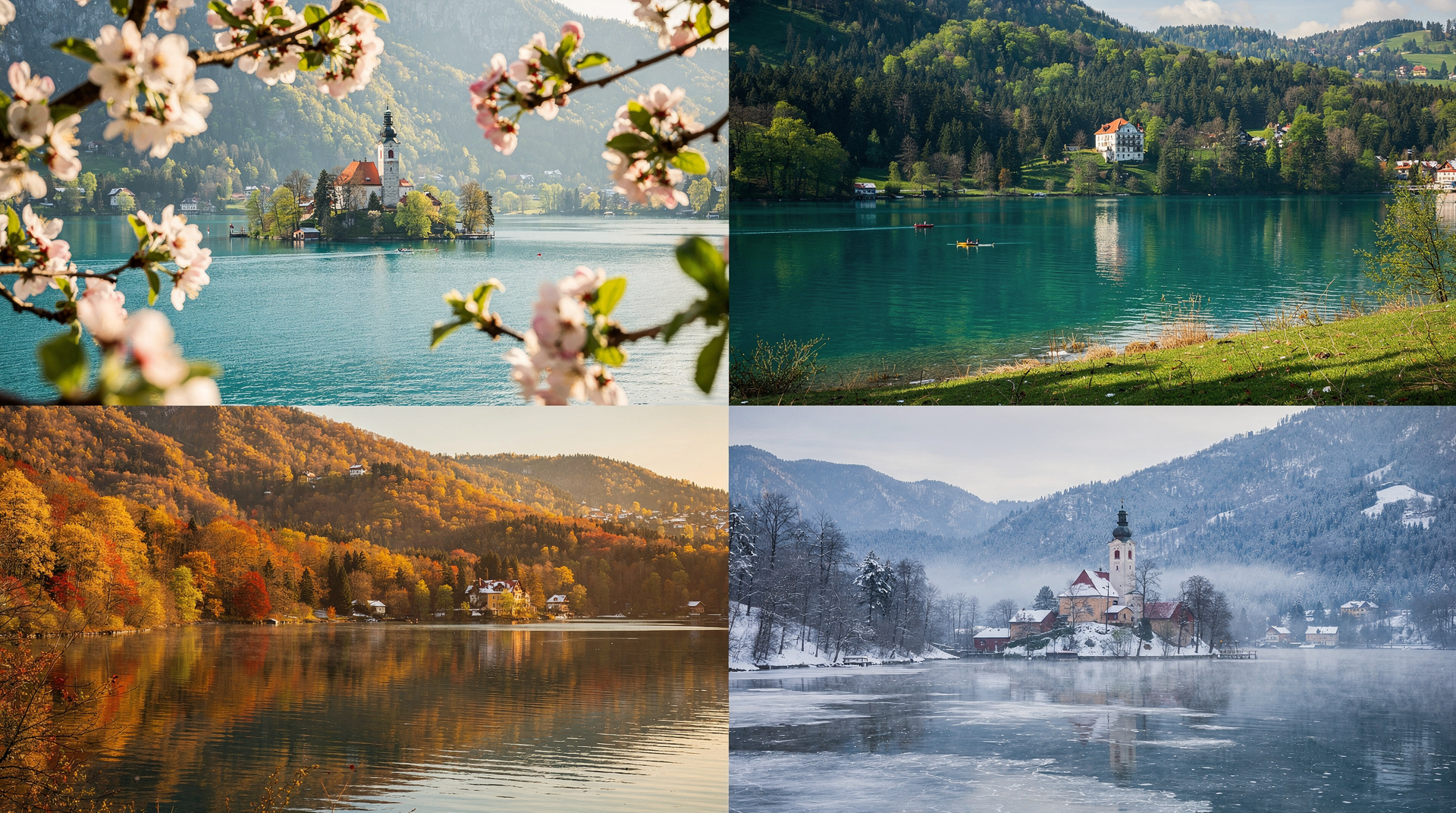
There is a version of Lake Bled that very few foreign visitors have seen: the lake in December, with the mountains carrying their first heavy snow, the island reflected in still grey water, and no other person visible on the south shore path. The light is flat and silver. The castle above the cliff has smoke rising from a chimney. A heron stands at the water’s edge.
This is not a consolation prize for missing the summer. It is a different thing entirely.
Slovenia in the off-season — roughly November through April — rewards the visitor who is willing to accept that some things will be closed, some roads will require chains, and that the experience is structured differently than the summer calendar.
| Season | November-April, roughly |
| What’s closed | Vintgar Gorge, Vršič Pass, some guesthouses |
| What’s open | Skiing, thermal spas, Ljubljana, the caves |
| Savings | 30-50% off Bled accommodation vs summer |
| Best single month | May (shoulder) or February (deep off-season) |
Month by month: what to expect
| Months | Conditions | Best for |
|---|---|---|
| Nov-Dec | Cold, some snow, Christmas markets | Ljubljana city break |
| Jan-Feb | Coldest, quietest, ski season peak | Skiing, thermal spas |
| March | Ski season winding down | Transitional, uneven |
| April | Reopening begins, Vršič still closed | Early spring, fewer crowds |
| May | Wildflowers, Soča at its fullest | Best overall value window |
What closes
This matters first. Several of Slovenia’s major attractions have genuine seasonal closures, and planning around them is essential.
Vintgar Gorge closes approximately early November through late April. This is one of the most visited natural sites in the Julian Alps; if it is on your list, visit in May-October.
The Vršič Pass closes roughly November through May when snow makes it impassable. This also cuts off the most dramatic approach to the Soča Valley from the north. The valley remains accessible year-round via the Tolmin road.
Many guesthouses, boat tours, and seasonal restaurants around Lake Bled, Lake Bohinj and the coast close October through April. What remains is reduced but not empty.
Pletna boat service to Bled Island runs year-round unless the lake freezes (roughly every 5-6 years), but frequency drops in winter.
The best time to visit Slovenia guide has a full month-by-month breakdown of openings and closures.
What opens
The ski season runs from roughly December to March at three main resorts. Kranjska Gora is the most developed, with 20 km of pistes and direct rail access from Ljubljana. Vogel, above Lake Bohinj, has a gondola that rises from the lakeside — the view from the top over the frozen lake and the mountains is one of the country’s great winter spectacles. Krvavec, 25 km northeast of Ljubljana, is the easiest day-trip option from the capital.
Lift passes at all three resorts run around €35-45 per day, less than half the price of comparable Austrian or Swiss resorts. Read our skiing in Slovenia guide for a full comparison.
The thermal spa resorts operate year-round and are at their most appealing in winter. Terme Čatež, Terme Olimia and Terme Radenci have outdoor heated pools operating through the coldest months. Sitting in outdoor mineral water at 36°C while snow falls on the surrounding pine trees is an experience with limited competition. Our thermal spas guide covers the main options.
Ljubljana in winter
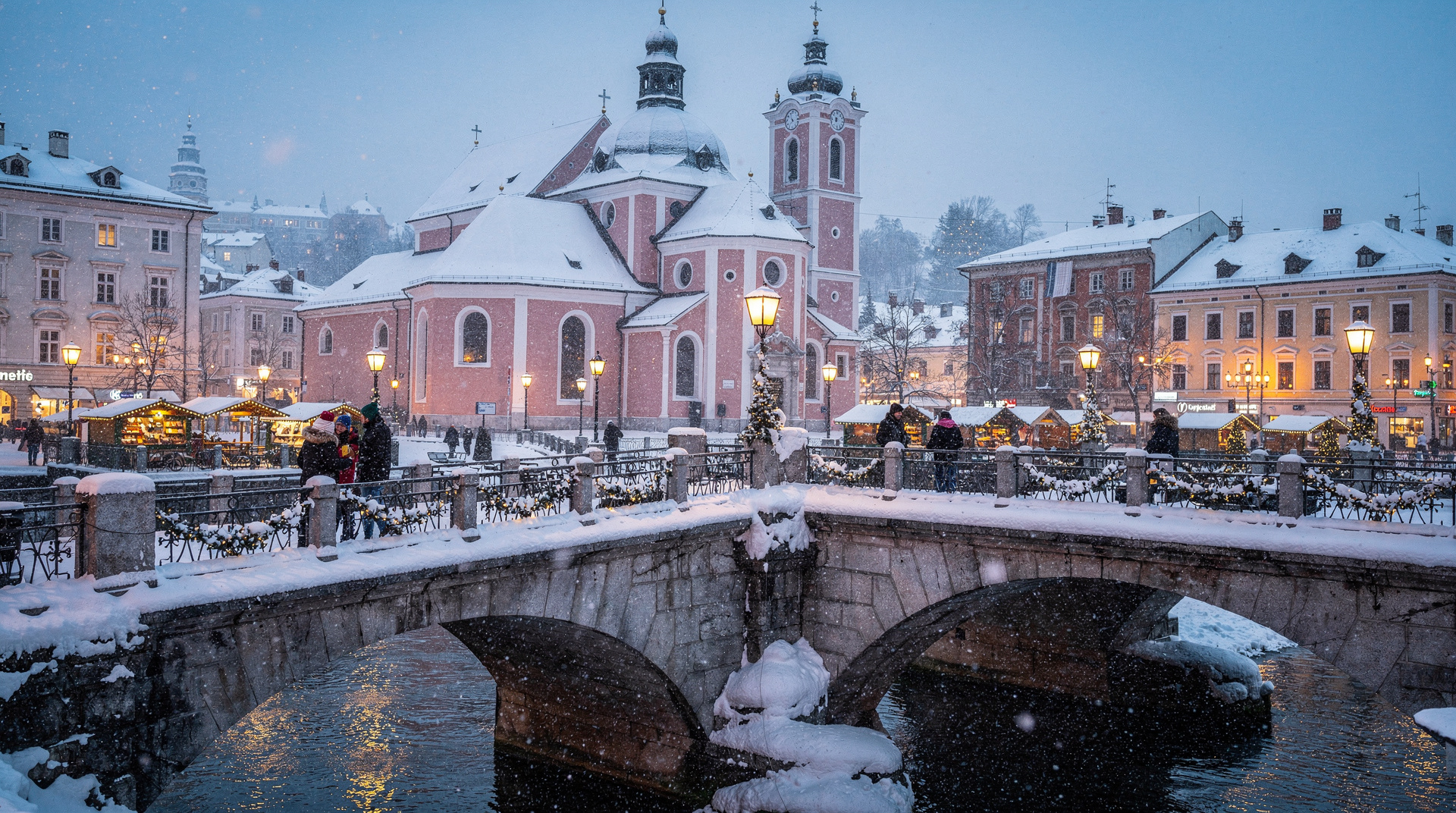
Ljubljana does winter well. The Christmas market runs through December with stalls along the river and above the old town, and the city illuminations are extensive — the kind of municipal Christmas decoration that the UK gave up after the recession and never quite recovered.
The Ljubljana museums and galleries are at their best in winter: the National Gallery, the Natural History Museum and the National Museum of Slovenia are warm, quiet, and properly explorable without the summer queues. The covered Plečnik market continues year-round.
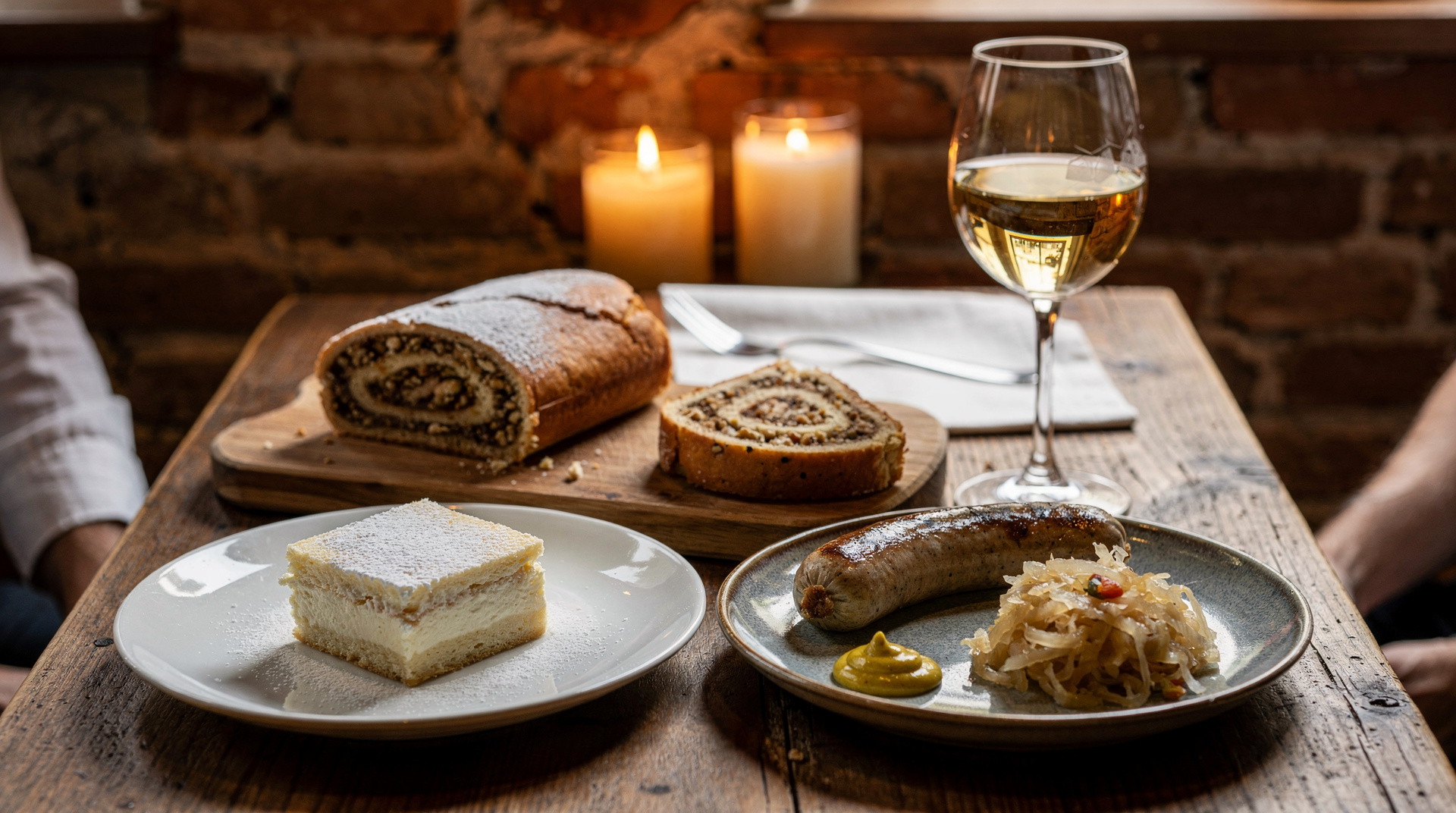
The coffee shops and wine bars of the old town are more pleasant in January than in August. You can actually sit at a window seat.
The budget argument
Off-season pricing in Slovenia represents a genuine saving, not a nominal one. Hotel rates in Bled drop 30-50% from their summer peaks. Ljubljana accommodation stays relatively consistent year-round (business travel props up the market), but restaurants and private apartments are significantly more available and willing to negotiate.
Car rental rates fall substantially. Petrol stations on the quiet roads through the Karst are running at low volume and the roads are empty. The Slovenia trip budget guide has seasonal price comparisons.
The Karst in winter
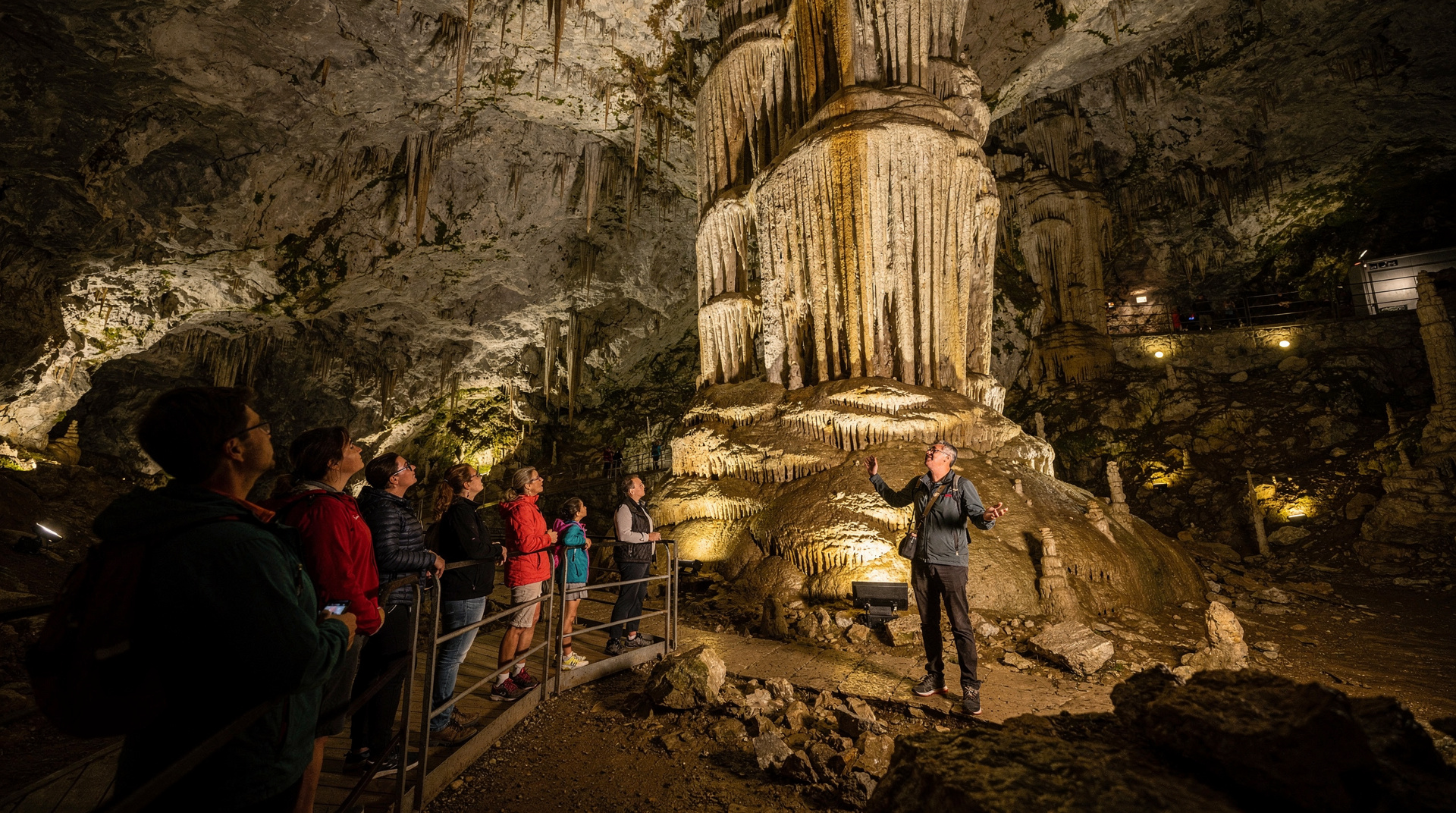
The Postojna Cave is 11°C inside year-round — cold relative to summer, comfortable relative to a January day outside. Crowds drop dramatically after October; you may share a tour group of 20 rather than 200. The cave day trip from Ljubljana works year-round.
Predjama Castle is more atmospheric in winter than summer. The cliff face behind it is grey and severe; the castle against bare trees and overcast sky has a quality that the summer photographs, which tend toward the picturesque, cannot capture.
The Karst plateau itself — the limestone landscape between Ljubljana and the coast — has a stark winter character that suits walking. The Škocjan Caves are open year-round, though check the schedule as tour frequency drops.
The Slovenian coast in winter
Piran in winter is a different proposition from the summer resort. The Venetian old town is largely residential in the cold months; the restaurants and bars that serve visitors in summer serve locals year-round. Prices drop sharply. The light off the Adriatic in January and February, when the bora wind has cleared the air, is extraordinarily clear.
The sea is cold (around 11°C in February) but the coastal paths are walkable and quiet. The drive from Ljubljana to Piran takes 1h40. It works as a winter weekend trip.
Spring: the best-value window
If off-season feels too compromising, the shoulder season of March to May offers a specific combination: the ski resorts wind down in March, the Vršič Pass reopens in May, and by late April most seasonal businesses have reopened.
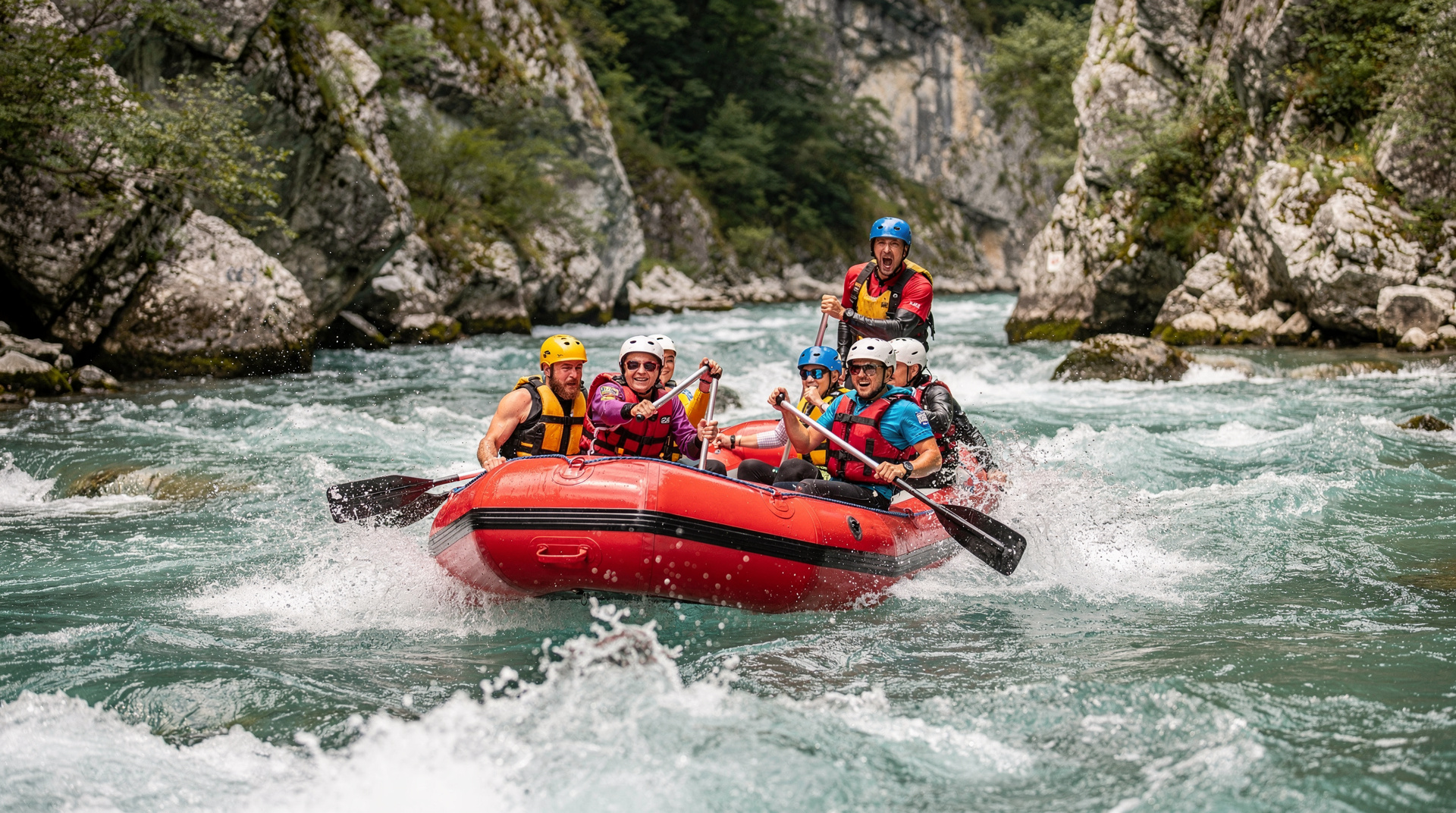
May is, by many measures, the best month to visit Slovenia: the wild flowers are at peak, the Soča River is running full with snowmelt (the best whitewater conditions of the year), the crowds have not arrived, and the temperatures are comfortable without being hot.
Our Slovenia in spring guide makes the case in detail.
Winter activities beyond skiing
Skiing dominates the off-season conversation, but it is not the only cold-weather activity worth booking. Night sledding at Krvavec, close enough to Ljubljana for an evening trip, is a lower-commitment alternative to a full ski day for visitors without gear or experience. The Krvavec skiing guide and the wider skiing in Slovenia guide cover resort-by-resort details for anyone planning around snow conditions.
Krvavec night sledding experienceFor a gentler pace, a half-day skiing lesson at one of the smaller resorts suits first-timers who want to try snow sports without committing to a full rental package and a full day on the slopes. The Vogel ski resort guide has the full lift-pass and access details for the resort above Lake Bohinj.
Vogel half-day skiing with instructorOff-season Ljubljana as a base for day trips
Ljubljana’s resilience to seasonal closure (covered above) makes it the natural hub for an off-season trip, and several of the country’s best day trips from the capital remain fully open year-round. The day trips from Ljubljana guide and the Ljubljana in one day guide are useful starting points for structuring a winter base-and-day-trip itinerary rather than a moving one. Public transport connections also hold up better in winter than a self-drive plan through mountain passes; the public transport guide and the trains in Slovenia guide cover the practicalities.
Who off-season is for
Honestly: off-season Slovenia works best for visitors who are comfortable with reduced options and want to experience the country at a quieter register. The outdoor activities are more limited. Some restaurants in tourist areas will be closed. The drive over the Vršič is not possible before May.
What you gain is a country that is not performing for you. The villages in the Julian Alps look like they do when the tourists are not there. The gostilne serve their regular lunch menus. The market vendors have time to talk.
For a first visit, May-June or September-October remain the optimal choices. For a return visit, or for someone who specifically prefers quiet, winter and early spring open up a different Slovenia entirely.
The argument for February specifically
February is the month that most travel advice skips. It is too late for the Christmas market, too early for spring. Skiing is possible but the snow reliability in a warm year is uncertain.
What February offers: the thermal spas at their emptiest (the holiday period crowds of December have gone, the spring weekend visitors have not yet arrived). Ljubljana at its most local — the cultural season in full swing, the cafés and wine bars full of residents rather than tourists, the market continuing its winter rhythm. And, in good snow years, the ski resorts at their best: the February snowpack tends to be the deepest of the season, and the school half-term queues at British resorts are simply absent here.
The Cankarjev dom cultural centre runs a major concert and theatre series through February. The Ljubljana Jazz Festival in January and February brings international musicians to the city’s clubs and halls. These are events for Slovenian audiences, not tourist programming — which is exactly what makes them interesting.
How to build an off-season trip
The most useful structure for an off-season visit:
Base in Ljubljana for 2-3 nights: the city is the most resistant to seasonal closure. Everything is open, all the restaurants and museums are functioning, and the hotel prices are at their annual low (October-March is consistently cheaper than the tourist season).
Day trip or overnight to Bled: even in deep winter, the lake is accessible. Some guesthouses close but the major hotels (Vila Bled, Grand Hotel Toplice) remain open. The lake in December, with snow on the surrounding mountains and sometimes a partial freeze at the edges, is genuinely beautiful.
The caves: Postojna Cave and Škocjan Caves are open year-round (check reduced winter schedules). A winter cave visit, when the difference between the cave temperature (10°C) and the outside temperature (possibly below zero) creates dramatic condensation effects at the entrance, is unexpectedly atmospheric.
A thermal spa overnight: the formula of a thermal spa hotel in winter — warm pools, massage, sauna, a good dinner in a warm dining room, a clear night drive back through the karst — is the off-season equivalent of a beach resort day. The best thermal spas guide covers the winter options.
The honest off-season budget
Off-season pricing in Ljubljana: midrange hotels from €70/night (versus €100-130 in summer). Bled boutique options: from €90/night (versus €150-200 in summer). Ski resort accommodation at Kranjska Gora: from €60-80/night including access to ski lift passes at combined rates.
The Slovenia trip budget guide has the seasonal price comparisons. The aggregate saving on a 7-night off-season trip versus a July trip is typically €200-400 per person in accommodation alone.
Top experiences
Bookable activities with verified prices and instant confirmation on GetYourGuide.