Autumn colours in Slovenia: when to go and where to look
| Where | Bled, Bohinj, Logar Valley, Goriška Brda, Pokljuka |
| Peak window | Mid to late October (varies by altitude) |
| Cost | Hotels 15-25% cheaper than summer |
| Crowds | Low outside a handful of weekend hotspots |
| What closes | Vršič Pass and huts above 1800m from late October |
The case for October
Ask most Slovenia travel guides when to visit and you get the same answer: summer. Ask most Slovenians when they like their country best and a surprising number say October.
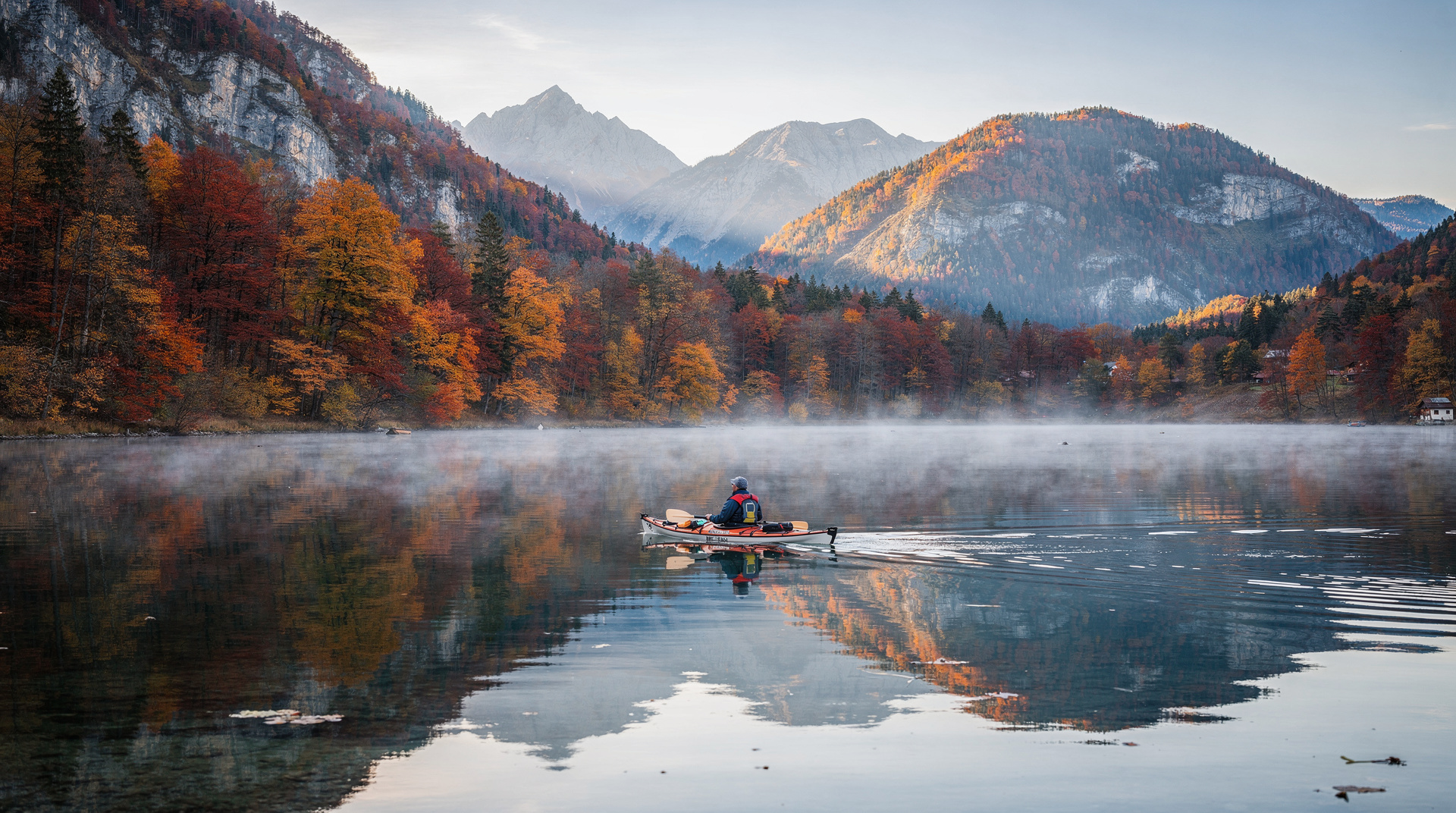
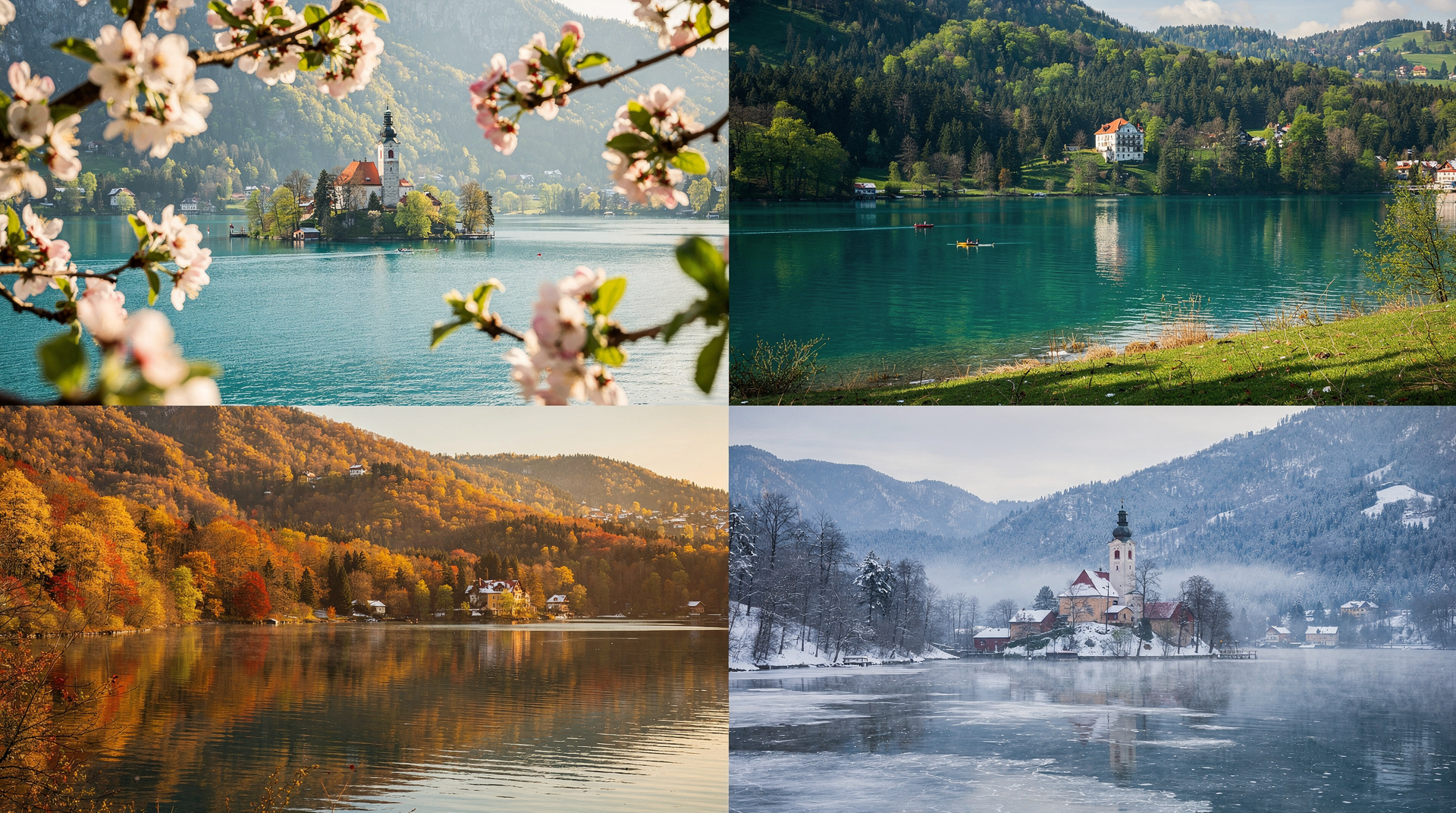
The reasons are not subtle. In October, Lake Bled still has water warm enough for swimming (just; 14-16°C). The chestnut trees along the south shore have turned gold and rust. The mountains above carry their first snow. The mist that settles in the valleys at dawn and lifts by mid-morning creates the kind of light that photographers spend significant money to find.
The crowds have gone. The hotels have dropped their prices. The trails are open — most of them — and you share them with Slovenians rather than tour groups.
This is not a secret. Slovenian autumn has been written about. But it remains dramatically underused by foreign visitors, possibly because the October booking window falls outside the period when most people in Western Europe are thinking about summer holidays.
When the colours peak
Slovenia’s geography creates multiple autumn seasons across its zones:
The Julian Alps (above 1800 m): late September into early October. The high alpine meadows above the treeline turn brown-gold; the larch trees (most conspicuous in the Triglav area) turn bright yellow, contrasting with the limestone grey and the remaining snow patches.
The forested valleys (800-1500 m): mid to late October. The broadleaf forests of the Soča Valley, the Logar Valley, and the hills above Ljubljana turn through yellow, orange and red across a roughly two-week window.
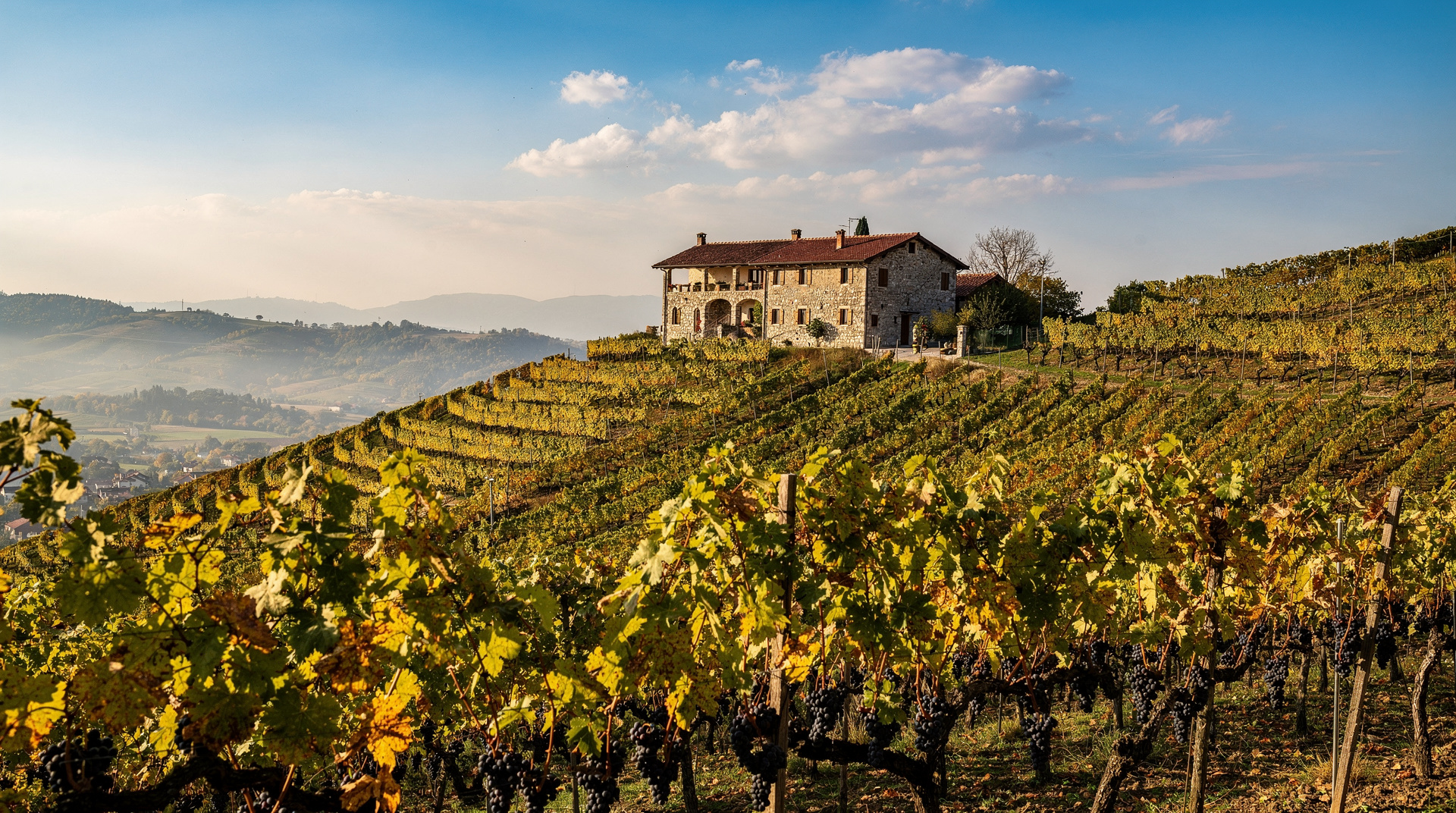
The wine regions (Goriška Brda, Vipava Valley): mid-October into November. Vineyard leaves turn yellow and brown across the terraced hills. Harvest (September into October) fills the air with fermenting must.
The coast: the Slovenian coast and the Karst plateau have less pronounced autumn colour than the mountains, but the light quality in October and November — lower sun angle, clear air after summer humidity — is distinct.
The best locations
Lake Bled in October: the chestnut trees on the south shore circumference path, particularly the section east of Ojstrica. The combination of amber and gold above the still lake surface in morning light is the autumn postcard. Ojstrica viewpoint in October, looking toward the castle, is among the finest things in the country at this time of year.
Bohinj valley: the walk from Ribčev Laz westward along the valley floor, with the forested walls of the valley turning around you. The lake is its calmest; the reflections are most visible. The Savica Waterfall walk in October passes through peak-colour beech forest. For a longer day on foot among the lakes and beech woods, a guided hike through the Seven Lakes Valley is a rewarding way to see the colour change at altitude, and our Seven Lakes Valley hike guide explains the route.
Logar Valley: the head of the Logar Valley is enclosed by the Kamnik-Savinja Alps on three sides; in late October, the forested walls of the valley glow gold while the peaks above carry new snow. The Rinka Waterfall at the valley head against autumn colour is one of the overlooked images of the country.
Goriška Brda: the vineyard hills in October are the wine-country equivalent of Tuscany at harvest — terraced slopes, village crowns, the Alps behind, the vine leaves turning through yellow and orange. Drive the road from Smartno to Vipolže on a clear October morning.
Pokljuka Plateau: the larch forests in the high plateau inside Triglav National Park turn vivid yellow in early October. The contrast with the dark spruce forest and the limestone above is like a colour-negative of spring.
Autumn colour peak by region: a quick reference
| Region | Peak weeks | What you’ll see |
|---|---|---|
| Julian Alps above 1800m | Late Sept-early Oct | Larch turning gold against limestone and first snow |
| Forested valleys (Soča, Logar, hills above Ljubljana) | Mid-late Oct | Broadleaf forest through yellow, orange, red |
| Wine country (Brda, Vipava) | Mid Oct-Nov | Vineyard leaves yellow-brown, harvest in the air |
| Coast and Karst | Oct-Nov | Subtler colour, but the clearest light of the year |
Use this table to sequence a trip: start in the mountains in late September, work down through the valleys, and finish in the wine country by early November if colour is your priority.
Where to base yourself for an autumn colour trip
Bled is the obvious base for the first half of a trip — 20 minutes from Ojstrica, 30 minutes from Bohinj, and within reach of Vintgar Gorge before its seasonal closure. Kranjska Gora puts you closer to the larch zone on the Vršič Pass if the pass is still open, and to the Julian Alps hiking routes at their most colourful. For the second half, Goriška Brda or nearby Nova Gorica puts the harvest and the vineyard light on your doorstep rather than at the end of a long drive.
A guided introduction to the Julian Alps in their autumn colours removes the guesswork on timing and trailheads for a first visit:
Julian Alps guided hiking day trip from BledThe harvest dimension
October in Slovenia is harvest season, and the harvest adds its own element to the autumn experience.
The wine harvest (trgatev) in Goriška Brda and Vipava Valley runs through September and October. Many wineries open their doors for visitors during harvest; some offer harvest participation. The wine harvest guide covers the specifics.
The chestnut harvest in the Karst region and the Soča Valley runs through October. Markets in Postojna and Ajdovščina sell roasted chestnuts; the village of Šempas in the Vipava Valley holds a chestnut festival in late October.
Wild mushroom season peaks in September and October. The forests of Kočevje in southern Slovenia are among the most productive in Europe; local guides offer mushroom-hunting excursions. The restaurants in Ljubljana and the main regional towns add seasonal mushroom dishes to menus throughout autumn.
Photography in autumn
The best photography spots guide covers timing and locations in detail. For autumn specifically:
Golden hour in Brda: the low October sun backlights the vine leaves in the hour before sunset, turning yellow leaves translucent against the blue-grey mountain backdrop. The Dobrovo castle hill at 4:30pm in mid-October.
Lake Bled morning mist: the mist that settles overnight in the lake bowl in October lifts between 8 and 10am. From Ojstrica, watching the island emerge from morning mist against the autumn-coloured shore is one of the most extraordinary natural phenomena the country offers.
The Vrsič larches: the larch zone between 1400-1600 m on the Vršič massif turns yellow from late September. The hairpin road through the larch stands in early October, when the stands are at peak yellow against the grey limestone, is a specific experience.
Practical notes for October
What is still open: most major attractions, including Vintgar Gorge (check exact closing date), Postojna Cave, Predjama Castle, and most hiking trails below 2000 m.
What closes: the Vršič Pass typically closes in October or November depending on first snowfall. Mountain huts above 1800 m close mid-October.
Weather: October brings changeable conditions. Warm spells with clear skies (the “St Luke’s Summer” — Slovenians call it Šmartin’s summer) alternate with rain and first frost at altitude. Pack for both possibilities.
Prices: accommodation in the main tourist areas drops 15-25% from summer peaks. Wineries and gostilne in the countryside are quieter and more welcoming than in July.
The Slovenia in autumn guide has the full month-by-month breakdown. For trip planning, the best time to visit Slovenia puts autumn in the broader seasonal context.
The swimming window in October
Autumn extends the swimming season by a month or six weeks beyond the common assumption. Lake Bled water temperature reaches approximately 16°C by early October — cold but swimmable for acclimatised adults. By mid-October it drops below 15°C; most people are done. But that early-October window — swimming in a lake with autumn-coloured trees on the shore — is the kind of combination that photographs cannot fully communicate.
Lake Bohinj runs 2-3°C colder than Bled due to its depth and altitude. October swimming there requires more commitment.
The Adriatic coast at Piran stays around 19-20°C in early October — genuinely warm by northern European standards. The coastal swimming season extends through the first half of October most years.
The food that autumn brings
October is the month when Slovenian food becomes most distinctly seasonal. The gostilne menus shift noticeably: pumpkin appears in everything (goulash, soup, fritters), wild mushroom dishes proliferate (porcini risotto, mushroom polenta, mushroom soup), game returns to the menus (venison, wild boar, pheasant).
The fresh mushroom market at Ljubljana central market is at its most extraordinary in October: baskets of porcini, chanterelles, parasol mushrooms and varieties that have no common English name, sourced from the forests within 50 km of the city. A kilogram of fresh porcini at the market costs €8-12 — a fraction of what they sell for in western European cities.
The chestnut season in the Karst and the Soča Valley runs through October. Village roasters sell fresh chestnuts by the bag; the combination of sweet chestnut, a glass of new Teran wine, and a wooden table under an autumn-coloured vine pergola is a specific pleasure.
October in Ljubljana
Ljubljana in October is arguably the city at its best. The summer tourist volume drops; the cafés and restaurants return to a pace that suits sitting rather than turnover. The city’s cultural season opens: the Ljubljana Festival (music, theatre, dance) runs from July through early October, then gives way to the autumn concert series and gallery openings.
The Ljubljana museums and galleries guide is more useful in October than in July — the institutions have room and time for visitors.
The Metelkova autonomous cultural district, which runs outdoor events through summer, moves its programming indoors through autumn and winter. The clubs and alternative galleries that occupy the converted barracks buildings are at their most active from October onward.
What the autumn light does to everything
The single most important thing about autumn in Slovenia is the light. The sun drops to a lower angle; the shadows lengthen; the golden hour stretches from a 20-minute window in midsummer to an hour at each end of the day in October. Everything looks different.
The Soča Valley in October afternoon light — the turquoise river against the rust-coloured forest, the limestone cliffs catching the low sun at an angle — is photographically unlike anything the same location looks like in July. The best photography spots guide identifies the specific times and angles for each location.
For the first-time visitor who has flexibility in timing, October offers a version of Slovenia that the summer photographs do not prepare you for. The combination of the harvest, the foliage, the wildlife, the reduced crowds and the dramatic autumn light makes it, for many visitors, the most memorable version of the country they ever see.
Top experiences
Bookable activities with verified prices and instant confirmation on GetYourGuide.