Honeymoon in Slovenia: why the Alps beat the Maldives for some couples
| Length | 7-10 days recommended |
| Cost (accommodation) | Around €800-3,000 per couple over 7 nights |
| Best time | May-June or September-October |
| Route | Ljubljana → Bled → Soča/wine country |
| Booking lead time | Book Hiša Franko and Vila Bled 4-6 months ahead for summer |
Not the obvious choice — but hear it out
When couples think “honeymoon,” they typically think Maldives, Tuscany, Santorini. Slovenia does not appear in those conversations, which is exactly why the ones who discover it tend to be so enthusiastic.
The ingredients are there: dramatic mountain scenery, excellent food and wine, thermal spas, boutique hotels with surprising quality, and a country small enough that you are never more than 2h from the next beautiful thing. What it lacks is the brand recognition that makes the expensive obvious destinations obvious.
This is not a listicle of “hidden gem honeymoon destinations.” It is a practical argument, based on what Slovenia actually offers couples willing to do 10 minutes of research.
What makes Slovenia romantic (honestly)
The honest appeal is about atmosphere and pace as much as scenery. Ljubljana is a city that rewards walking slowly, sitting with a glass of wine at a riverside table, and noticing things. The old town is mostly free of cars; the bars stay open late; the general tempo is unhurried.
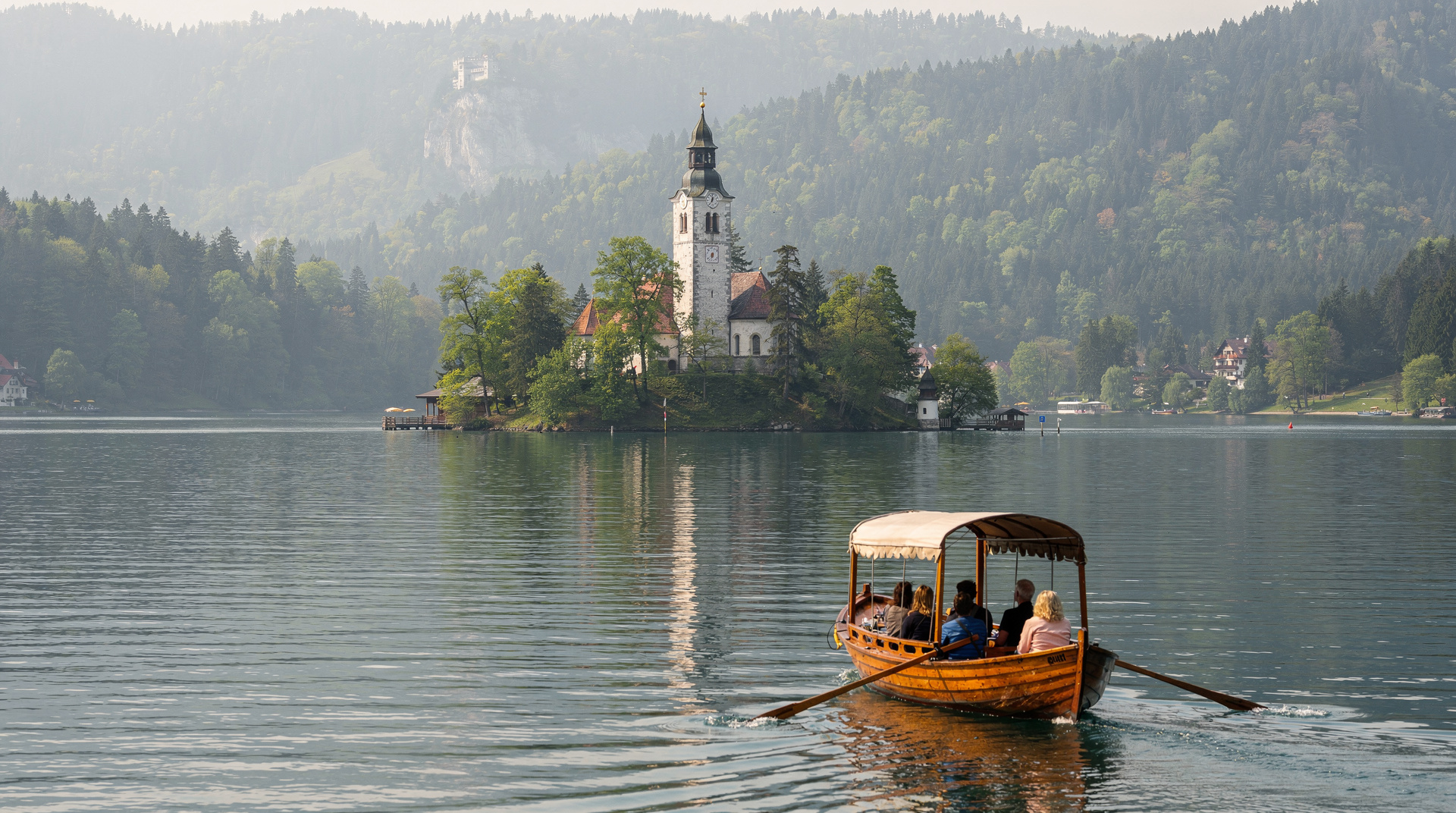
Lake Bled delivers the postcard romance on a morning walk before the day trippers arrive: mist on the water, the island church visible across the surface, the castle above on the cliff. Staying overnight means you own the early morning and the late evening — the two hours when the lake is at its best.
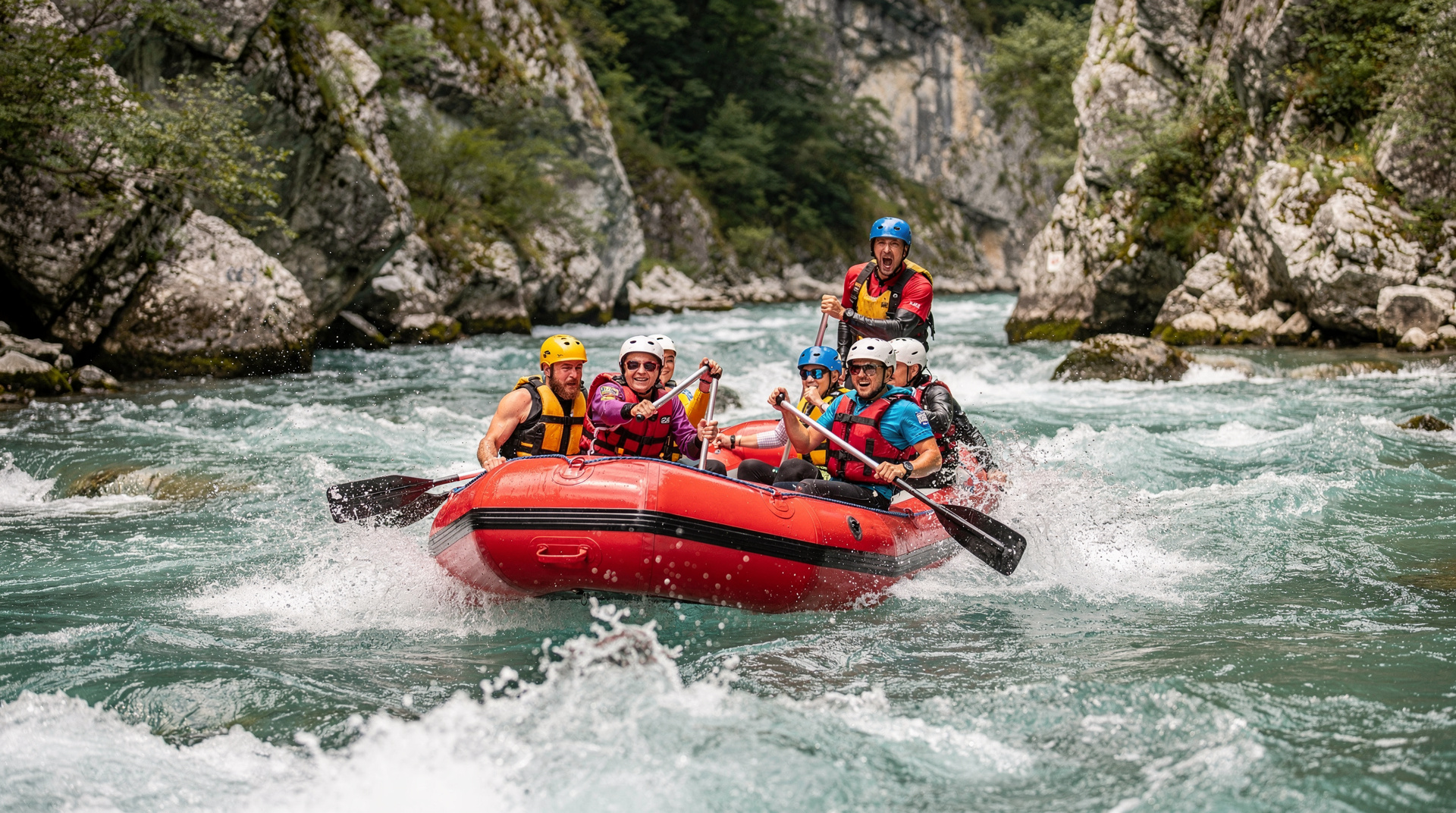
The Soča Valley offers something harder to manufacture: genuine drama. The turquoise river, the limestone gorges, the Julian Alps above — it is the kind of landscape that makes people stop talking for a few minutes.
Suggested 7-day honeymoon itinerary
Day 1-2: Ljubljana
Base in the old town. The Grand Hotel Union is the classic choice — art nouveau, central, with a rooftop terrace. Walk the Plečnik architecture route, eat dinner in the old town (Gostilna Na gradu in the castle courtyard has the best setting; the food is solid rather than exceptional).
Day 2: take a Ljubljana food tour in the morning for the market and the local wine introduction; afternoon at leisure.
Day 3-4: Lake Bled
Drive north (1h). Check into one of the north-shore hotels — Vila Bled (a former Tito summer residence, now a boutique hotel with a private lake access point) or the more affordable Hotel Triglav. Walk the south shore in the late afternoon, climb to Ojstrica before dinner.
Day 4: rent a rowing boat at the eastern end of the lake and row to the island yourselves (around €20 for 2h). Ring the bell at the top of the 99 steps. Spend the afternoon at the Bled thermal wellness centre.
Day 5: Bohinj and the mountains
Drive to Lake Bohinj (30 min). Take the Vogel gondola for the mountain panorama. Walk to the Savica Waterfall (guide here). Return to Bled for a farewell dinner.
Day 6-7: Wine country
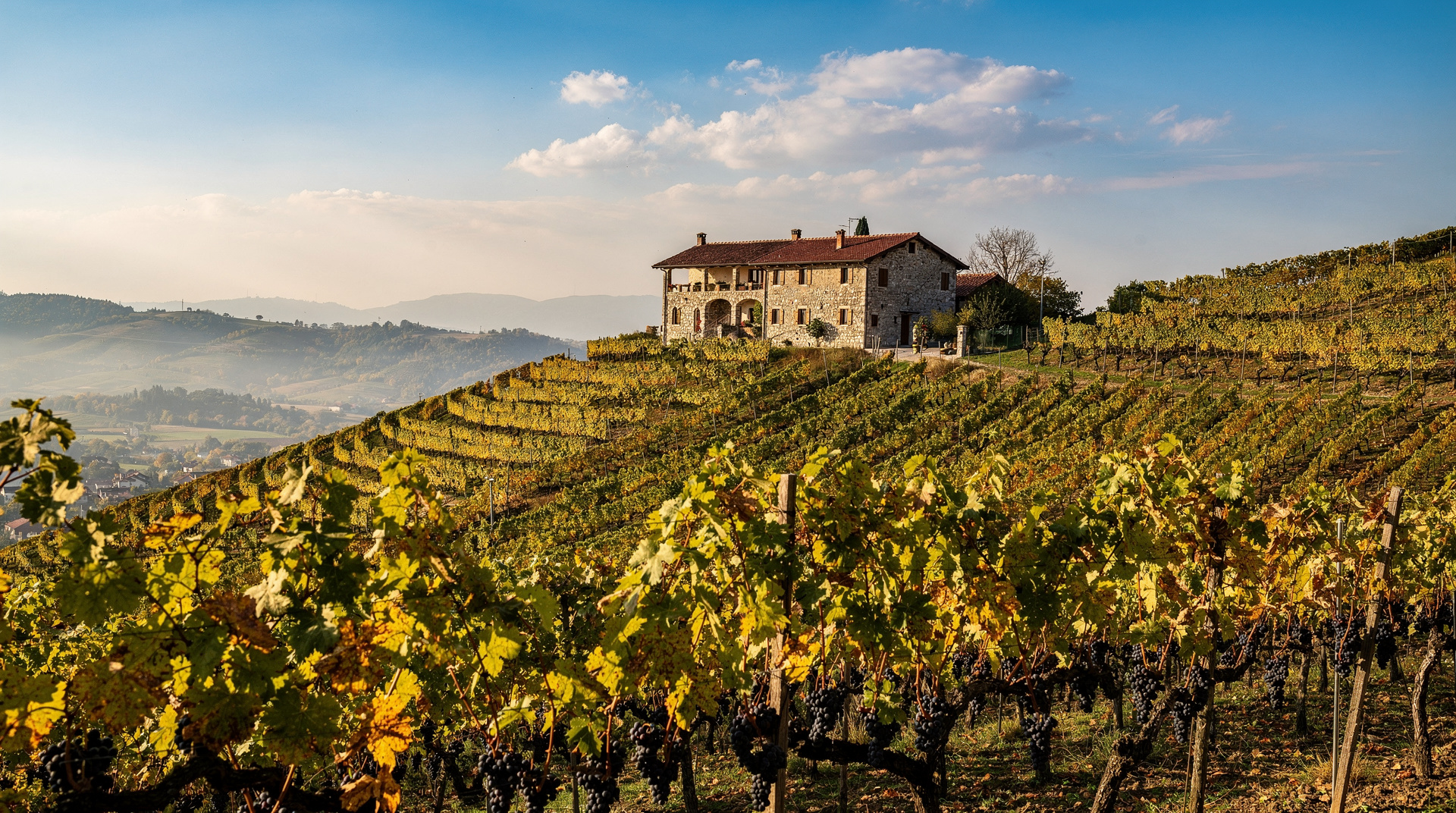
Drive south to Goriška Brda (2h from Bled via Ljubljana). This is Slovenia’s wine country at its most cinematic: terraced vineyards on low hills, medieval villages at their crests, the Julian Alps visible to the north, Italy immediately to the west.
The agritourismi in Brda offer accommodation in renovated farmhouses — Hiša Franko, just across the Soča in Staro Selo, is Slovenia’s most celebrated restaurant (Michelin-starred; book months in advance). Vila Vipolže in Dobrovo is the boutique hotel option.
Day 7: wine tasting in Brda, a walk through Smartno village, return to Ljubljana for the evening flight.
Luxury accommodation options
The luxury hotel market in Slovenia is limited but improving. The main options:
Lake Bled: Vila Bled (from €250/night), the Triglav and Grand Hotel Toplice in the mid-luxury range (€120-180/night).
Ljubljana: Grand Hotel Union (from €120/night), Vander Urbani Resort for design-hotel atmosphere.
Goriška Brda: Vila Vipolže (from €180/night) and various luxury farmhouse rentals.
Piran: Hotel Piran and the Marco (both around €100-150/night for sea-view rooms).
The where to stay in Slovenia guide covers all categories.
Booking a rowing boat, gin-tasting evening cruise or a private bath ahead of arrival takes the trip-planning pressure off once you’re actually there — worth doing before you fly rather than scrambling for availability on the first morning.
Ljubljana evening gin-tasting river cruiseThermal spas: an underrated honeymoon element
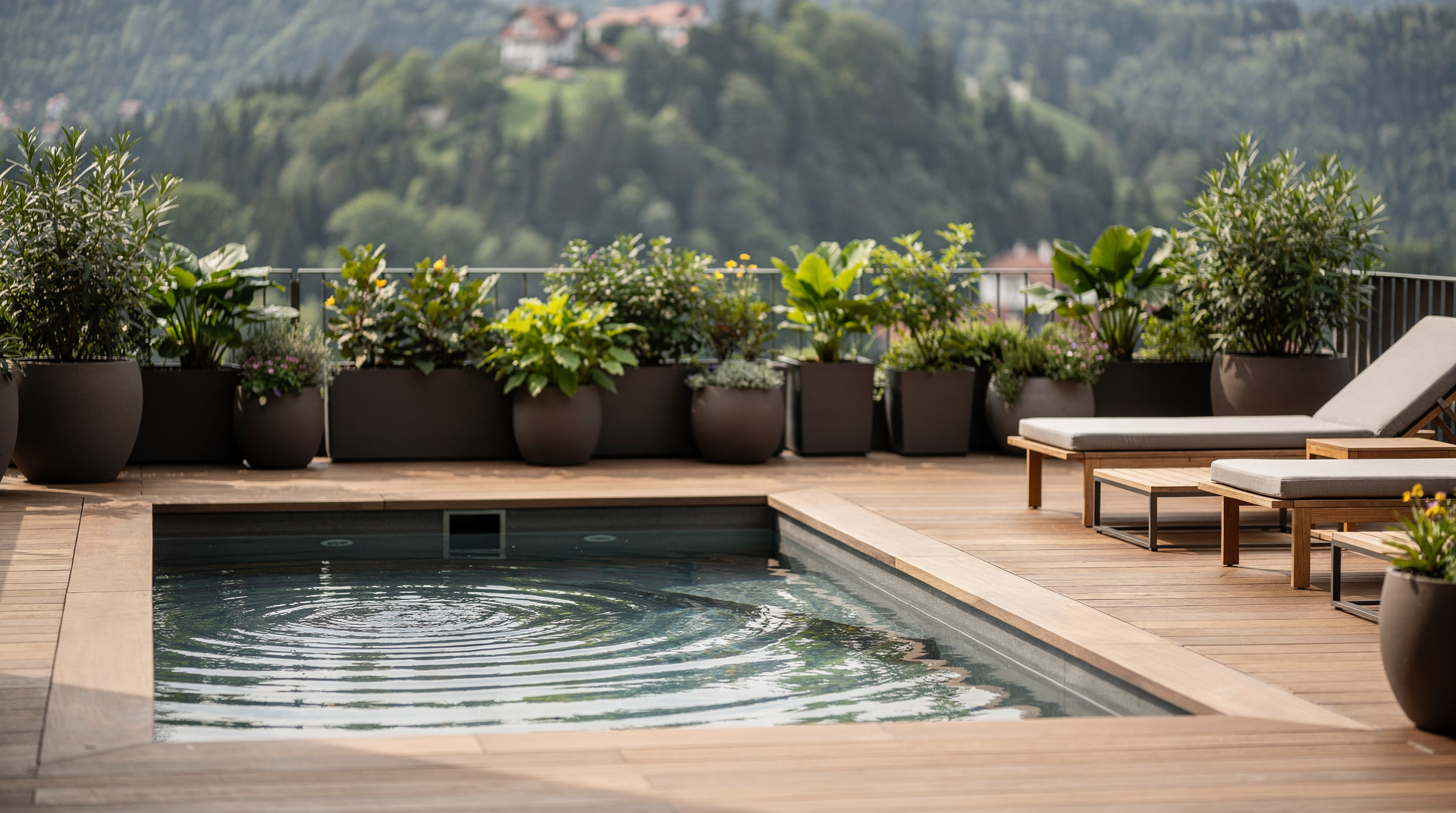
The Slovenian thermal spa resorts are a genuine asset for couples. The outdoor pools at Terme Čatež and Terme Olimia operate at 32-36°C, are surrounded by forested hills, and include private bungalow accommodation attached to the spa complex.
For something more intimate: Wells at Radenci offers private mineral baths and a wellness programme. Booking a private bath for two (rates on the official Terme Radenci website) is a legitimate honeymoon activity that requires no further justification.
The food and wine question
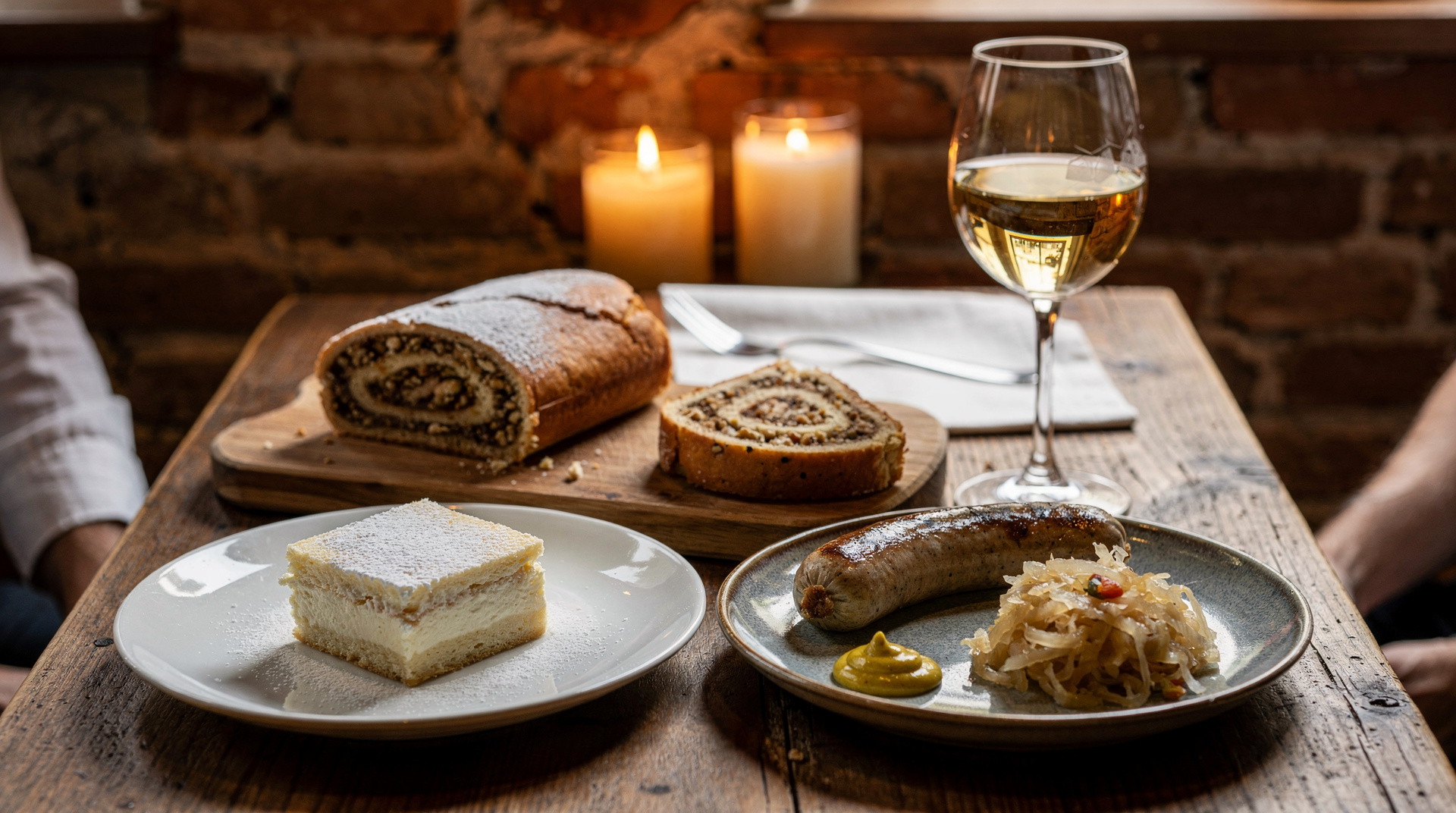
Goriška Brda wine and the Vipava Valley wines offer a wine-country dimension that most honeymoon destinations cannot match for the price. Hiša Franko, if you can book it, is one of the most interesting tasting-menu experiences in Central Europe; the setting in a farmhouse in the hills on the Soča tributary is theatrical in the best sense.
For ordinary evenings, the gostilne near the main sites serve excellent food at prices that make restaurant evenings a casual pleasure rather than a budgetary decision.
What to calibrate expectations on
The luxury infrastructure at the top end is thinner than Tuscany or Santorini. The absolute best hotels are very good; the next tier down has variable quality. Service culture is professional but less polished than in countries with a longer luxury tourism tradition.
Beach time: Piran and the Slovenian coast are lovely but the sea is the northern Adriatic rather than the Aegean — cooler, less blue, and only 46 km of coastline. If two weeks in the sun on a beach is the honeymoon fantasy, Croatia’s Dalmatian coast delivers this better.
For the couple who want scenery, privacy, excellent food and wine, and activities that range from hiking to spa days: Slovenia is a genuine alternative to the obvious destinations, at roughly half the cost.
Practical honeymoon planning notes
When to go: May-June or September-October for the best combination of weather, open attractions and manageable crowds. July and August are reliable but bring peak crowds at Bled. October is the author’s recommendation for honeymooners specifically: the autumn colours, the quieter roads, the wine harvest in Brda, and the dramatic light — all arrive together in October.
How long: seven to ten days is the sweet spot. Seven days covers Ljubljana, Bled, the Soča Valley and either the wine country or the coast. Ten days adds depth — more time in the Soča Valley, a night in Piran, a visit to the thermal spas.
Transport: a rental car for most of the trip with one or two bus segments (Ljubljana to Bled works well by bus, freeing one of you to look at the scenery). The car rental guide covers the logistics.
Three budget tiers for a Slovenia honeymoon
| Modest | Mid-range | Splurge | |
|---|---|---|---|
| Accommodation (7 nights) | ~€800-1,000 | €1,200-1,800 | €2,500-3,000+ |
| Bled base | Hotel Triglav | Grand Hotel Toplice | Vila Bled |
| Wine country base | Farmhouse guesthouse | Vila Vipolže | Private wine-estate villa |
| Signature meal | Gostilna dinner, €25-40/couple | Hiša Hvala tasting menu | Hiša Franko, €150+/person |
| Best for | Couples prioritising activities over hotels | Most couples — character without excess | A genuine special-occasion splurge |
Whichever tier you choose, a private rowing experience or an evening cruise is one of the cheapest genuine “moment” upgrades available on the trip:
Bled Island pletna boat and cream cake experienceSpecial experiences for couples
Rowing to Bled Island: renting a rowing boat at the eastern end of Lake Bled (around €20 for 2h) and rowing to the island yourselves, rather than taking the tour pletna, is a specific experience that the standard tourist version cannot replicate. You arrive when you want, stay as long as you want, and row back when the mood passes.
Evening wine tasting in Brda: several wineries in Goriška Brda host evening tastings with food pairing. The combination of a long summer evening on a winery terrace, the vine rows below, the Alps behind, and three or four glasses of Rebula worked slowly through — this is the kind of evening that justifies the trip.
Private mineral bath at Terme Radenci: the private bath option (book in advance; rates on the official Terme Radenci website) at the eastern Slovenian thermal spas is designed precisely for couples who want warmth and privacy without a hotel. The mineral water at Radenci has a 900-year documented history of therapeutic use; the private pools are a different category of experience from the public outdoor pools.
Sunset from the Piran sea walls: the campanile at sunset, with the light dropping behind the peninsula and the sea going golden in the west — this is the most reliable romantic spectacle on the Slovenian coast. Free of charge. Best in September-October when the summer crowds have gone.
The budget question
A 7-day Slovenia honeymoon can be structured at any price point from approximately €800 to €3,000 per couple for accommodation alone. The mid-range — €1,200-1,800 for accommodation over 7 nights — gets you boutique properties with genuine character at every stop. The where to stay guide covers the honeymoon-appropriate options with current pricing.
The alternative to the itinerary above
The standard honeymoon itinerary (Ljubljana → Bled → Soča → wine country) covers the country’s highlights. An alternative that several couples have used with excellent results: base in one place and go deep.
The Goriška Brda approach: stay in Vila Vipolže or at one of the wine-estate guesthouses for the entire trip. Drive out to the coast (1h30), to the Soča Valley (45 min to the south Soča), to Ljubljana (2h). Return to the same base each evening. The consistency of the home base — the same terrace, the same wine, the same morning view of the vineyards — creates a settled quality that moving between destinations every night cannot.
The Bohinj approach: stay at a farmhouse guesthouse or the Ribno (4-star hotel at the eastern end of the lake) for the full stay. Day trips to Bled (30 min), over the Vršič to the Soča Valley, to Ljubljana (1h15). Return each evening to the lake. Bohinj in the evening — the tourist day-trippers gone, the lake surface still, the mountains above — is one of the most reliably beautiful settings in the country.
The photography dimension for honeymooners
Slovenia provides several “iconic shot” opportunities that require no photography experience: the Bled island from Ojstrica, the Soča from the Napoleon Bridge, the Piran piazza at sunset. These are available to anyone with a phone camera.
The more interesting photographs tend to come incidentally: the morning light on the Brda vineyards through a guesthouse window, the steam rising from an outdoor thermal pool in winter, the detail of a carved wooden AŽ beehive panel at the Radovljica museum. Slovenia rewards the unhurried eye.
Practical calendar for honeymooners
June: long days, warm, mountains accessible, Soča at good volume. The most romantic window on the calendar for the combination of light, temperature and landscape.
September: slightly cooler, shorter evenings, but the quality of light improves markedly. The crowds are dramatically lower than July-August. Wine harvest begins at the end of the month in Brda. The thermal spas are at their most atmospheric when the evenings cool.
October: the author’s personal recommendation for honeymooners specifically. Autumn colour, fewer people, the intimate off-season mood of the tourist infrastructure reverting to its local character. The autumn colours guide makes the visual case.
Avoid late July: peak crowds at Bled and the caves. If you must travel in July, the first two weeks are substantially quieter than the last two.
The best time to visit Slovenia has the month-by-month breakdown with weather, crowd levels and activity availability for each period.
Alternatives to the standard route for less driving
Couples who dislike frequent hotel changes have two solid single-base alternatives beyond the Brda and Bohinj options above: basing in Ljubljana itself and day-tripping to Bled (1h15 by bus), the Soča Valley (2h by car) and the wine country (1-1.5h), which minimises packing and unpacking at the cost of a longer daily round trip; or basing at the thermal spas near Čatež or Radenci for a lower-key, wellness-first honeymoon with day trips to Ptuj and the eastern wine regions rather than the mountains.
Top experiences
Bookable activities with verified prices and instant confirmation on GetYourGuide.