Slovenia in a week: first impressions from a sceptical traveller
Low expectations, high return
I booked Slovenia because the flights were cheap and I had a week between projects. I had no strong feeling about it either way. I had seen the Lake Bled photograph, assumed it was overprocessed, and decided that would be confirmed on arrival.
It was not confirmed. This is the trip report I wish someone had written before I left.
| Route | Ljubljana → Bled → Bohinj/Soča → Kobarid → Postojna → Piran |
| Time needed | 7 days minimum for this loop |
| Cost | Around €945 solo mid-range, €650-700/person as a couple |
| Getting around | Car essential after Ljubljana/Bled |
| Best surprise | The Soča Valley, by a wide margin |
Day 1: landing in Ljubljana
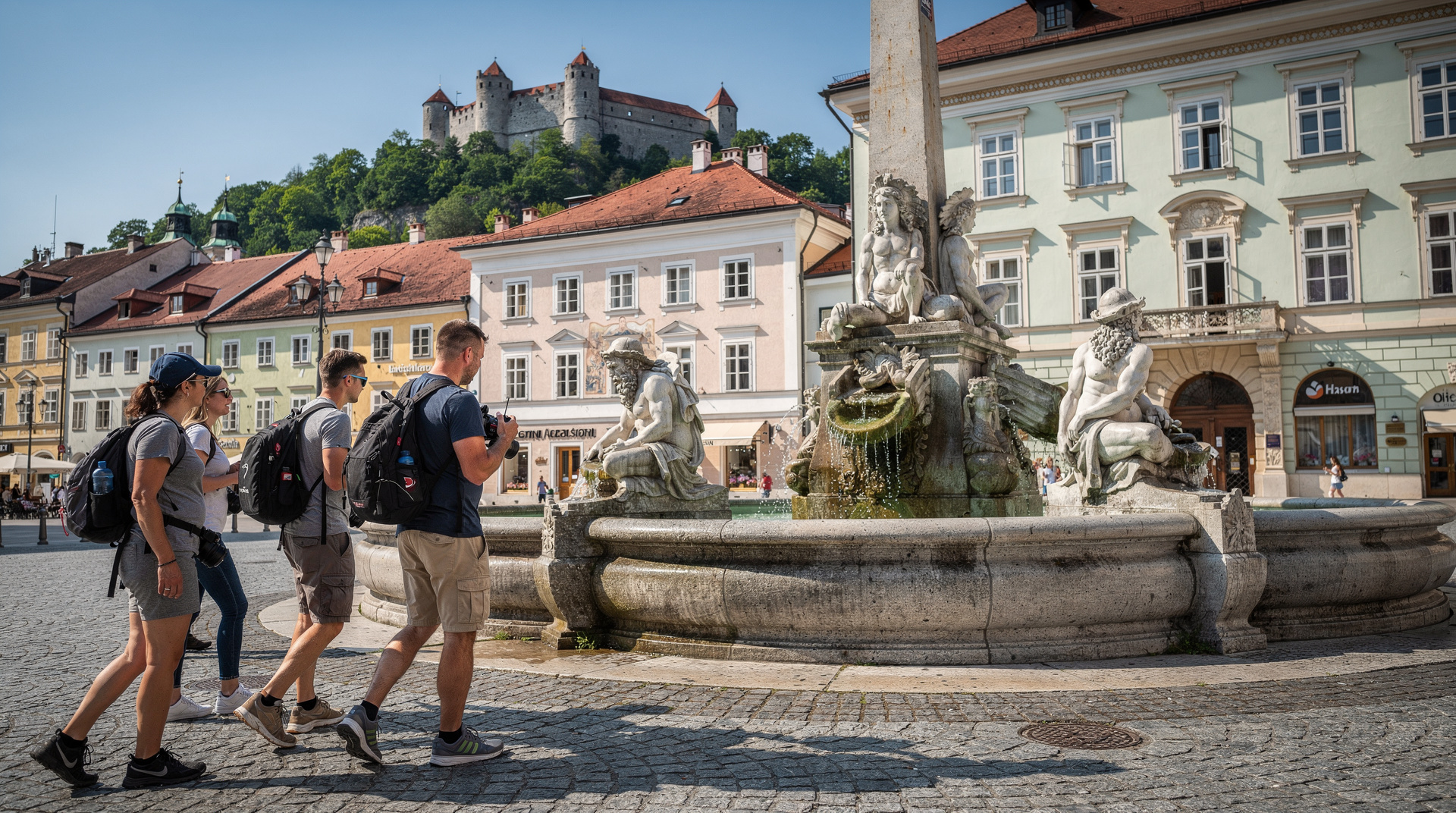
The bus from Ljubljana Airport into the city centre takes 45 minutes and costs around €4. By European standards this is an unusually sensible airport connection. You step off at the main bus station, walk five minutes along the river, and arrive in an old town that has closed its streets to cars so quietly that you barely notice the absence of engines.
Ljubljana is a city of around 280,000 people that feels like a large village where everyone has good taste. The market runs along the riverbank every morning. The bridges are Plečnik’s — the architect Jože Plečnik spent three decades reshaping the city and the results are everywhere: colonnades, lamp posts, the Triple Bridge, the covered market. None of it is grandiose. All of it is considered.
I ate dinner at a konoba in the old town: beef goulash with buckwheat porridge, a glass of local Rebula, bread that had been baked that morning. Forty euros for two, including a second round of wine. That price felt like a misprint.
Day 2: Ljubljana in depth
The Ljubljana old town guide will tell you to visit the castle, but I will tell you honestly: the castle itself is not the point. The view from the top justifies the climb. The museum inside is fine but overpriced. From the ramparts you understand the city’s geography — the river, the older residential districts, the market, the art nouveau facades along the main street — in a way that no map communicates.
The National Gallery is free on the first Sunday of the month and excellent any day of the week. The covered market sells cheese, honey, dried mushrooms and žganje (fruit brandy) at prices that suggest you are in 2010.
What surprised me: the café culture is genuine, not performed. People sit outside for hours with a coffee and nobody moves them on. The city has a rhythm that requires you to slow down or feel out of place.
Day 3: the drive to Lake Bled
One hour north of Ljubljana the landscape changes abruptly. The motorway ends at Kranjska Gora direction, and the road drops into the Sava valley with forested hills rising on both sides. By the time you reach Lake Bled you have already passed a dozen places that would be major attractions in another country.
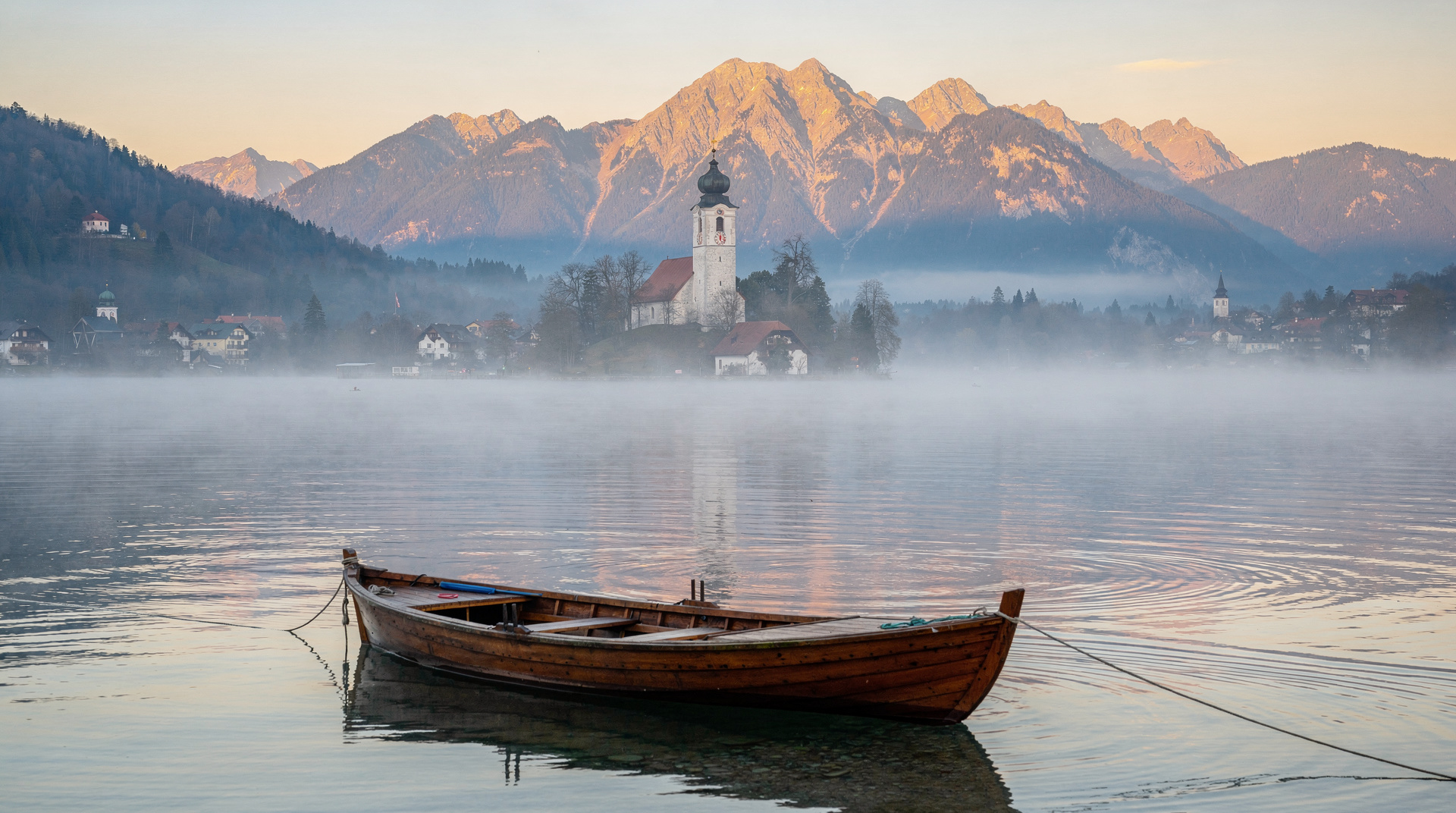
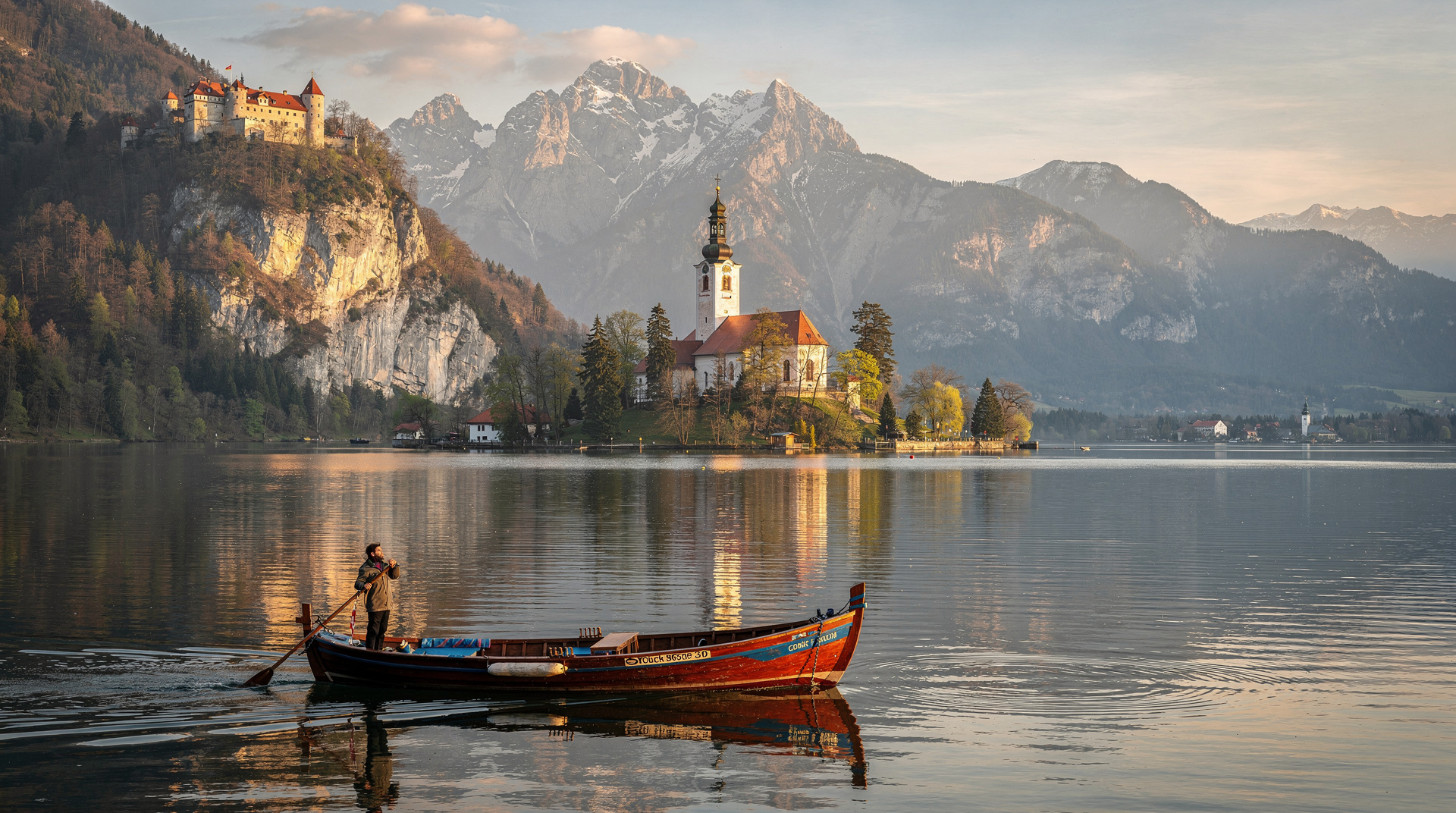
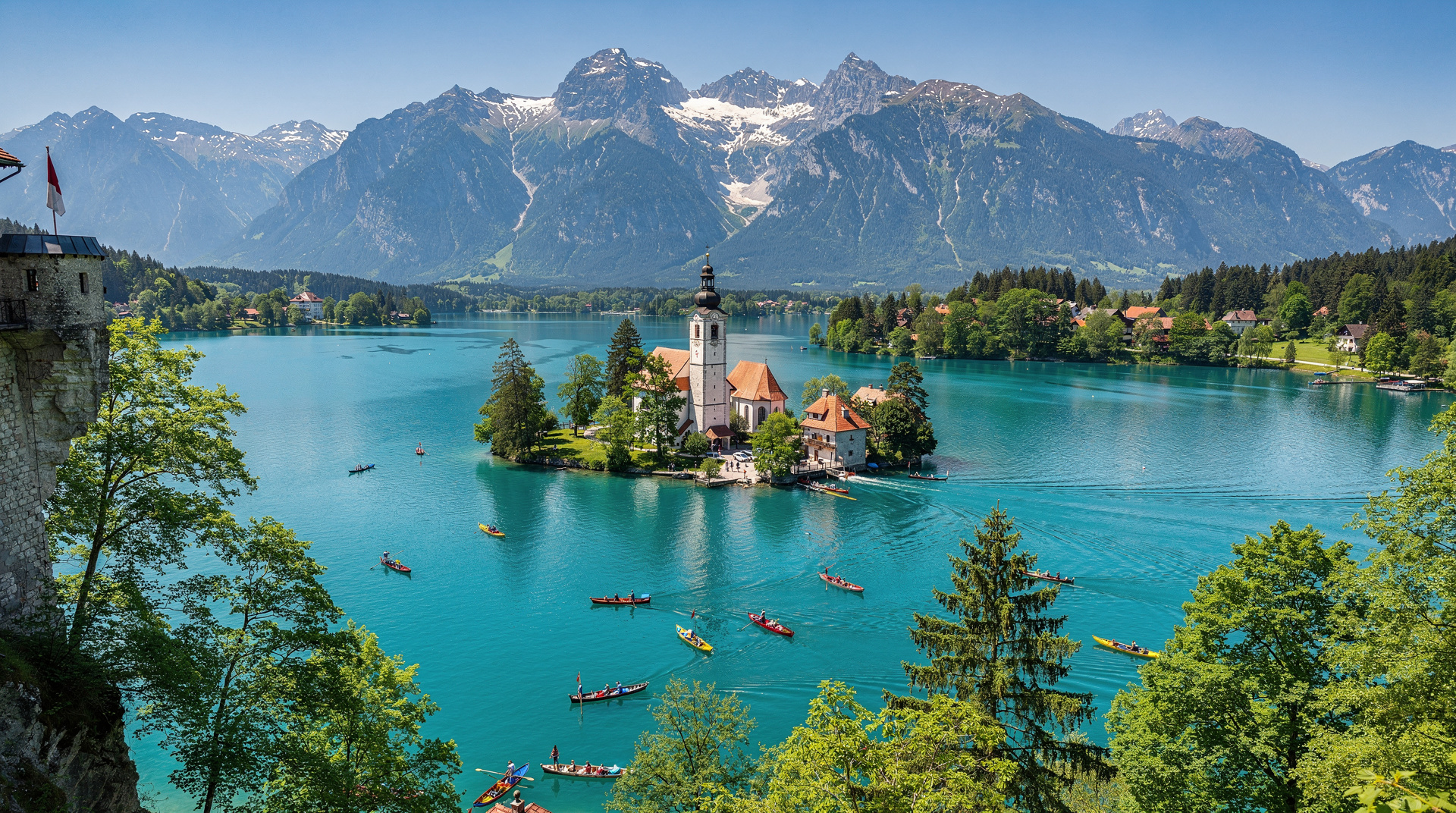
The lake itself: yes, the photograph is real. The water is that colour. The church on the island is exactly where it appears to be. The castle is exactly as dramatically positioned above the cliff as it looks. The view from Ojstrica — a 20-minute scramble above the south shore — earns the effort.
What the photographs do not show: the car parks, the tour buses, the pletna boat touts. Bled in peak season is a beautiful place with a serious crowd problem. I arrived at 7am, walked the full circumference of the lake before the tour groups arrived, and had the south shore to myself for an hour. By 10am it was different.
My honest advice: stay overnight, walk at dawn, and visit Bohinj the following morning as a corrective. Bohinj is 30 minutes from Bled and receives a fraction of the visitors. The lake is larger. The mountains above it are wilder. The village has goats in it.
Day 4: Bohinj and the Soča Valley
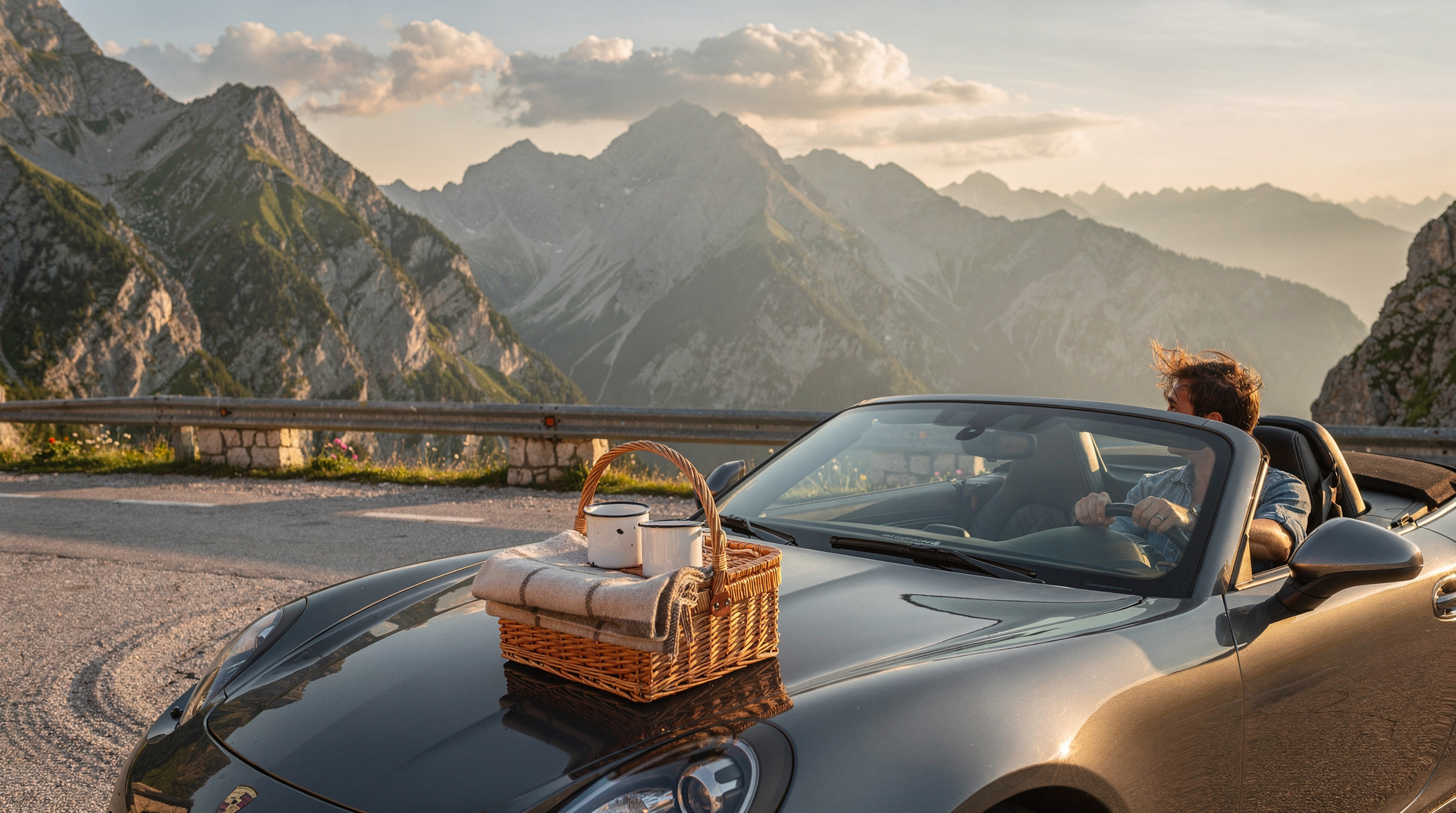
I left Bled at 8am and drove over the Bohinj ridge toward Bovec. The road crosses the Vršič Pass — a switchback mountain road with 50 hairpin turns, built by Russian prisoners of war in 1915 and listed as a national heritage road. Snow patches remain on the highest sections until June. The view from the top is of the Julian Alps in three directions.
The descent into the Soča Valley was where my low expectations finally collapsed. The river is a colour I had not encountered before — not blue, not green, a specific turquoise that has no adequate word in English. It is fed by glacial springs deep in the limestone and runs fast and cold even in summer.
Bovec is a small town at the centre of an outdoor sports industry: rafting, kayaking, canyoning, paragliding and via ferrata are all available through local operators. Read the Bovec adventure guide for options and prices. I watched a group of kayakers navigate a gorge section from a bridge above and added it to an increasingly long list of reasons to return.
I did not raft on this trip, and I regret it. If I were doing the week again, I would build in half a day on the water rather than just watching from the bridge.
Soča Valley full-day rafting with picnicDay 5: Kobarid and Tolmin
Kobarid is a town that contains one of the finest small museums in Europe. The Kobarid Museum documents the Isonzo Front — twelve battles fought in this valley between 1915 and 1917, which killed around 300,000 soldiers. The museum is unflinching and precise about the scale of the disaster. Ernest Hemingway was here as an ambulance driver. His description of the Caporetto retreat in A Farewell to Arms is based on what he saw.
Outside the museum, the Napoleon Bridge over the Soča is a 15-minute walk. The water below is the same impossible turquoise, framed by pale limestone walls. The contrast between the beauty of the place and the history of what happened here is something you sit with.
Day 6: the Karst and Postojna
The drive south from the Soča Valley takes you through the Karst plateau — a landscape of grey limestone, sparse vegetation and deep underground systems that have been dissolving the rock for millions of years. Postojna Cave is the most visited of these systems and the most commercial: a miniature train takes you two kilometres into the cave before you walk through chambers that took 5 million years to form.
I had been warned it was touristy. It is. I went anyway. The cave itself is extraordinary — the stalactite formations are on a scale that makes the Disney atmosphere feel absurd. The proteus, the blind cave salamander that lives in the water, is one of the strangest animals I have ever seen.
If you prefer something less packaged, Škocjan Caves an hour away is UNESCO-listed and involves a walk through a gorge 160 metres deep. Our comparison guide helps you choose.
I also drove past Predjama Castle — built into a cliff face in a way that makes you assume it is a composite photograph. It is not. Allow an hour.
For anyone short on time, both sites can be combined into a single guided day from Ljubljana, which is worth considering if you are travelling without a car and would otherwise struggle to reach Predjama by public transport.
Postojna Cave and Predjama Castle from LjubljanaDay 7: the coast and back to Ljubljana
Piran sits on a peninsula that juts into the Adriatic with the self-possession of a Venetian city, which is essentially what it was for five centuries. The old town is Venetian Gothic in miniature: narrow alleys, a central piazza, a campanile you can climb for €1, and a waterfront where fishing boats are still moored alongside the tourist restaurants.
The drive back to Ljubljana takes 1h45 from Piran. I had a flight the next morning. I spent the evening at a bar by the Ljubljanica River and revised my plans.
What I would do differently
More time in the Soča Valley. Less time in Bled (or: the same time but better distributed — early start, midday escape to Bohinj). A full day in Kobarid rather than half. An overnight in Piran to walk the town in the morning quiet.
For a more structured approach, see how many days in Slovenia and our 7-day itinerary suggestions. The Slovenia road trip diary here covers a longer loop with different stops.
Seven days is enough to understand why people come back. It is not enough to see everything. That is the right problem to have.
The things that surprised me most
A first visit to a new country is partly about the landscape and partly about having your assumptions revised. Here are the assumptions that Slovenia corrected for me:
I assumed it would feel like a smaller Croatia. It does not. The landscape is Alpine rather than Mediterranean. The pace is Central European. The food is different, the wine is different, the architecture is different. Croatia and Slovenia share a border and a post-Yugoslav history; they are not similar in any useful touristic sense.
I assumed the famous photograph was enhanced. The turquoise of the Soča River is exactly that colour, visible from bridges on ordinary roads, not requiring a special vantage point. The photograph of Lake Bled from Ojstrica is the real view; the wide-angle lens helps but the basic composition is accurate.
I assumed “small country” meant “thin tourism.” The gostilna lunch in Kobarid was better than most meals I have had in capital cities. The wine in Brda was startlingly good. The caves are genuinely extraordinary. A small country that has a specific food culture, a specific wine culture, and several globally unique natural features is not thin.
I assumed the country would feel like it was trying to be discovered. It does not. The Slovenian tourist infrastructure is functional and professional; it is not desperate for approval. The market vendors do not perform enthusiasm. The museum in Kobarid does not simplify its history for foreign consumption. The country has a clarity about what it is that does not require your validation.
The costs in honest numbers
What the week cost, solo, mid-range:
- Flights (London Stansted to Ljubljana, return): €85
- 7 nights accommodation (mix of hostels and private rooms): €280
- Transport (bus Ljubljana-Bled, car hire days 3-6, fuel): €180
- Food and drink: €280
- Entrance fees (Vintgar, Postojna, Predjama, Kobarid Museum, gondola): €120
- Total: approximately €945
This is not luxury travel, but it is not austerity either. The gostilne cost less than equivalent restaurants in western Europe. The entrance fees are reasonable. The accommodation is functional.
For a couple sharing accommodation and a rental car, the per-person cost drops to around €650-700 for the week. The Slovenia trip budget guide has a more systematic breakdown.
The itinerary in summary
- Day 1-2: Ljubljana. Walk the old town, the market, the Plečnik architecture.
- Day 3: Lake Bled. Arrive before 9am, walk the south shore, climb to Ojstrica.
- Day 4: Lake Bohinj. Gondola to Vogel, walk the valley floor.
- Day 5-6: Soča Valley. Drive via Vršič, stay in Bovec or Kobarid.
- Day 7: Postojna Cave + Predjama Castle, evening in Ljubljana.
The how many days in Slovenia guide has variant itineraries for different interests and durations.
What I would tell a friend planning the same trip now
Looking back at this itinerary years later, the fundamentals have not changed, but a few practical points would have helped. Book Bled Castle and Postojna Cave tickets online in advance during summer — queues have grown since I travelled. If flying in, check the Ljubljana airport guide for the current bus schedule rather than assuming the timing I described still holds exactly. And if the week falls in July or August, shift the Bled visit even earlier than 7am — the crowd threshold has dropped in the years since this trip, a pattern covered in more depth in the Slovenia overtourism debate.
For anyone weighing this exact route against alternatives, the first-time in Slovenia guide and the 7-day itinerary options offer variations that swap in more time in the Soča Valley or the wine country, both of which I would prioritise higher on a repeat trip.
One thing I did not appreciate on a first visit: the itinerary above is essentially a west-of-the-country loop. Eastern Slovenia — Maribor, Ptuj, the thermal spas — is a genuinely different version of the country that this route does not touch at all. On a return trip, I would trade the second day in Ljubljana for a day trip east, simply to see a side of Slovenia that most first-week itineraries, including this one, skip entirely.
Top experiences
Bookable activities with verified prices and instant confirmation on GetYourGuide.