Solo female travel in Slovenia: an honest safety and experience guide
The safety question first
Slovenia consistently ranks among the safest countries in Europe across crime and safety indices. The Global Peace Index places it in the top 10 globally. Violent crime rates are among the lowest on the continent. Petty crime — bag snatching, pickpocketing — exists but at levels that residents find surprising when told it is a problem elsewhere.
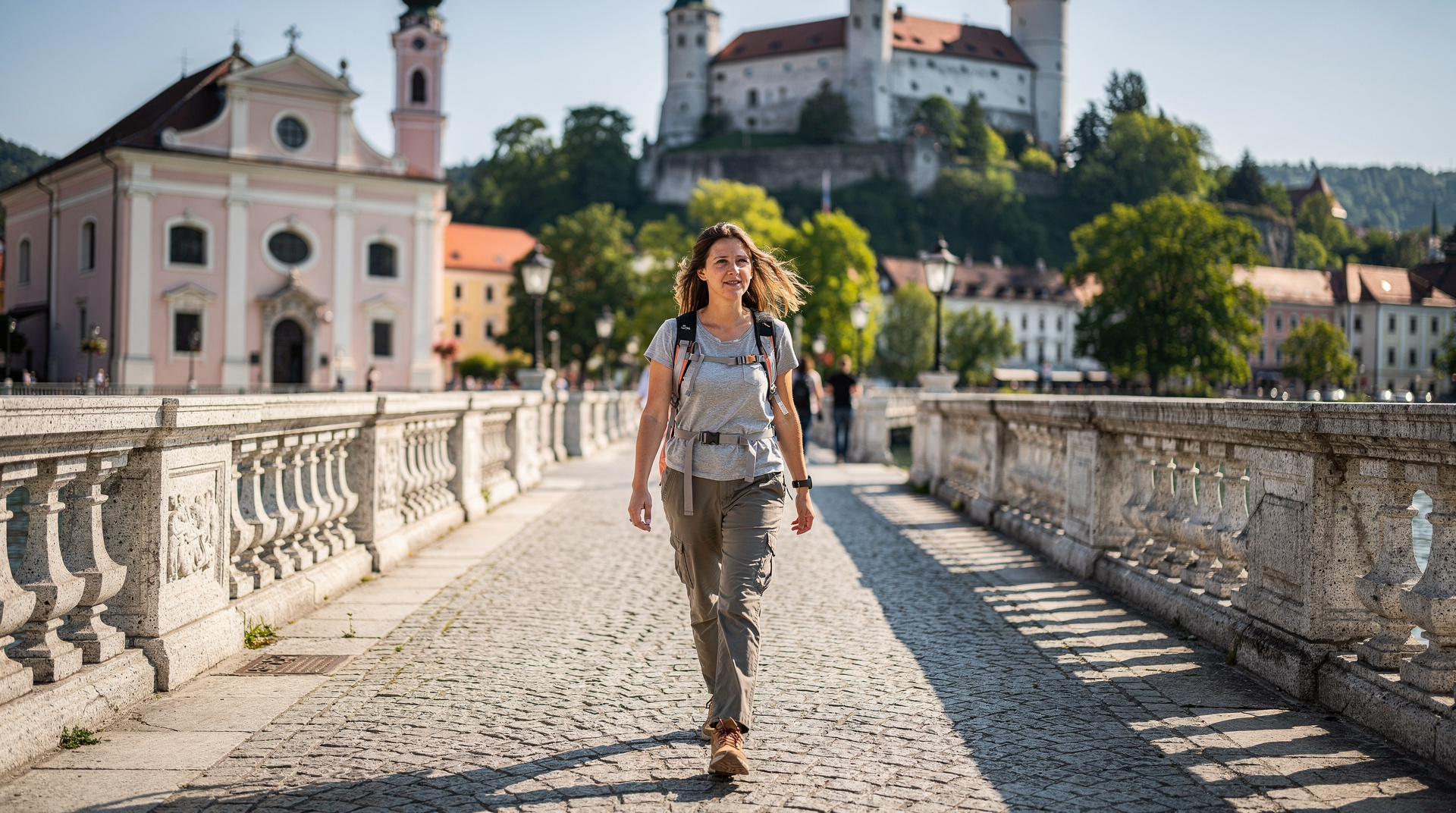
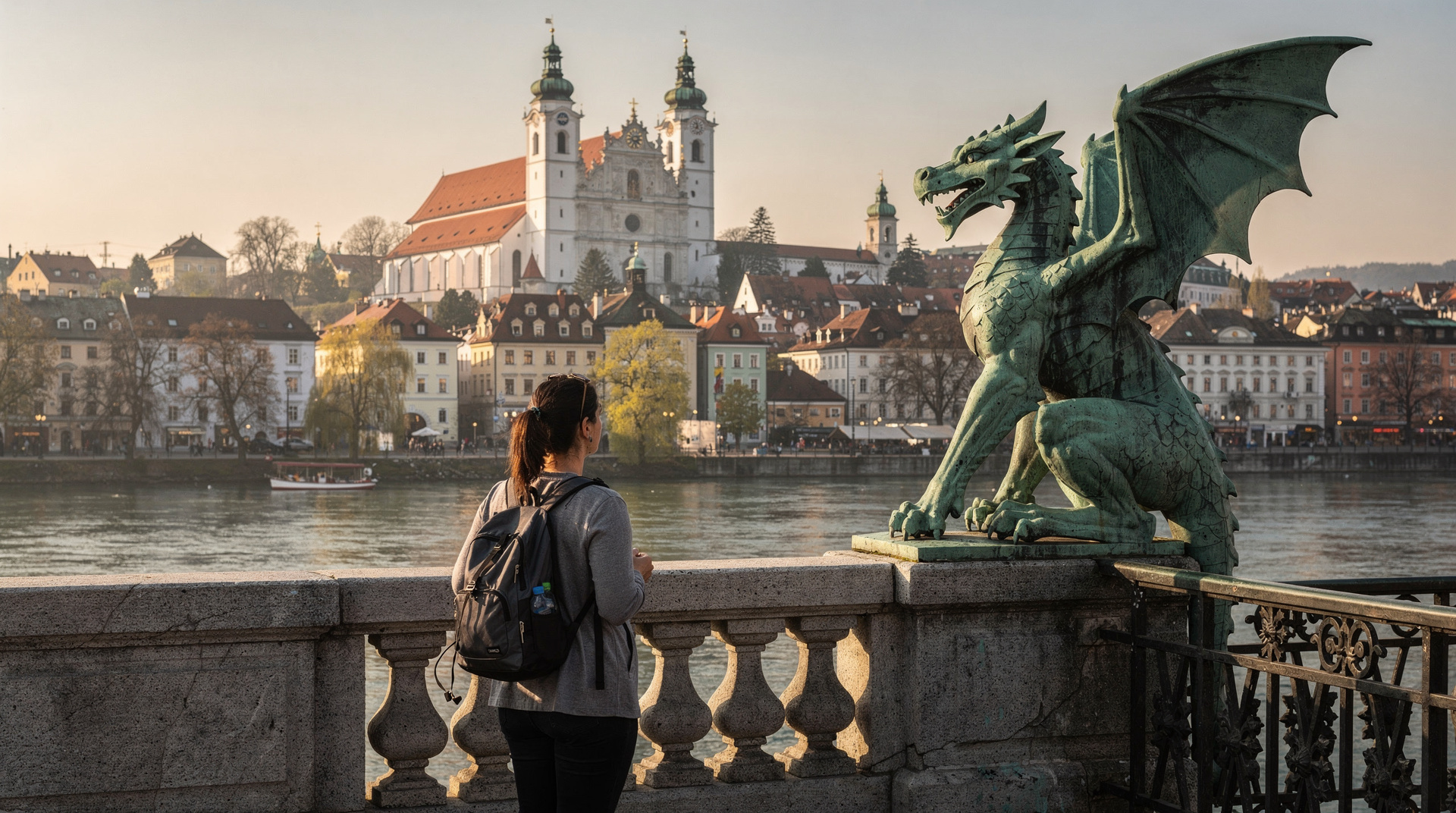
For solo female travellers, this translates to a practical freedom that is not universal in European destinations. Walking back to your accommodation at 11pm in Ljubljana along the river is not an anxiety-generating experience. Hiking alone in the Julian Alps on a marked trail during daylight is standard practice for Slovenian women. Taking a local bus with your backpack to a rural destination does not require calibrating risk in advance.
This is the honest baseline. It does not mean nothing can go wrong; it means the ambient level of concern appropriate to the destination is significantly lower than in many alternatives.
| Overall safety | Consistently top 10 globally on peace indices |
| Solo dining | Unremarkable, bar seating common |
| Solo hiking | Standard on marked trails in daylight |
| Emergency number | 112 (general), GRZS for mountain rescue |
| Solo hotel surcharge | Around €10-20/night |
| Best season for solo hikers | Late spring or September-October |
Ljubljana: the easiest starting point
Ljubljana is one of the most comfortable European capitals for solo female travellers. The old town is pedestrianised and well-lit; the riverside bars and cafés run late but without the aggressive atmosphere that can characterise equivalent spaces in larger capitals; the hostel scene is friendly and active enough to provide company if desired.
The Metelkova alternative culture district — hostels, bars, graffiti murals — functions as the social hub for budget travellers and is welcoming across the board. The Ljubljana nightlife guide covers the evening options across the spectrum.
For solo dining: Ljubljana’s café culture makes eating alone entirely unremarkable. The bar seating at most restaurants means you can eat at the counter with access to conversation if you want it, or with a book if you don’t.
The mountains: what solo hiking actually looks like
The Julian Alps have a well-marked trail network with regular mountain huts offering food, accommodation and company. Solo hiking on the main marked trails in daylight is standard practice.
Specific guidance: the Lake Bled circumference, the Vintgar Gorge walk and the Savica Waterfall trail are all well-trafficked and appropriate for solo walking at any pace. The higher routes (toward Triglav, the Mangart summit) are more serious undertakings — solo walkers on major peaks should have appropriate experience and should register their route with the mountain rescue service.
The mountain huts (planinski dom) are mixed accommodation — shared dormitories are the norm. Solo female travellers report these as straightforward and sociable rather than problematic.
The Soča Valley: adventure activities
The Soča Valley outdoor activities — rafting, canyoning, paragliding — are operated by licensed companies with professional guides. Solo travellers join group tours; you will not be the only person doing them alone. The Soča River rafting and canyoning guides cover the operators.
The one practical note: some activities (particularly multi-day kayaking or cycling trips) involve shared accommodation in outdoor centres. These are co-educational, professional environments. Solo female travellers report feeling safe and well-managed by operators.
For a first adventure activity done alone, a group whitewater rafting trip is a reliable choice: fixed departure times, a professional guide, and a small group of strangers who become instant company for the descent.
Soča River whitewater rafting from BovecThe coast: Piran and beyond
Piran and the Slovenian coast are relaxed and safe. The coastal towns have evening cultures centred on the piazza and the seafront — families, couples, groups — without the late-night single-bar atmosphere that can make other coastal destinations uncomfortable.
A note on Portorož: the resort town’s club scene (summer, mainly weekends) is more anonymous and therefore requires a different calibration than the old town of Piran. Both are manageable; the character is different.
Transport: getting around alone
By car: solo female drivers in Slovenia report no issues. The roads are well-maintained, the distances are short, and breakdowns are genuinely uncommon. The car rental process is standard European.
By bus and train: the intercity bus and train network is safe and functional for the Ljubljana-Bled-Koper corridors. Night buses and evening trains are quiet rather than threatening.
Hitchhiking: common among Slovenians in rural areas and generally reported as safe by female travellers, but this is a personal decision that depends on individual comfort levels. It is not necessary and not the only option.
Accommodation considerations
The hostel scene in Ljubljana (Celica, Hostelworld’s top-rated options) is specifically good for solo travellers who want to meet people. Private rooms in guesthouses and farmhouses are the step up — welcoming family environments where hosts are actively interested in visitors.
Hotel chains at the budget-to-mid end are consistent and straightforward. The rural farmhouse (turistična kmetija) category — our where to stay guide covers them — is among the most solo-friendly accommodation in the country: hosts who cook breakfast, often speak English, and can give local advice.
The honest framework
Slovenia does not require the level of gender-safety planning that some destinations do. The infrastructure is functional, the culture is comparatively respectful, and the tourism industry is accustomed to solo travellers of all backgrounds.
What solo female travellers consistently report: the ease of meeting other travellers in Ljubljana and the hostel scene; the surprising freedom of solo hiking in a well-maintained national park network; and the comfort of a country small enough that nothing is very far from something familiar.
The solo travel Slovenia guide covers the logistics for any solo traveller. The is Slovenia safe guide goes into the crime statistics and practical safety context in more detail.
Health and practical logistics
Medical facilities in Slovenia are at western European standards. Ljubljana has two main hospitals, and emergency services (112) respond in English. Travel insurance with medical coverage is recommended, as for any international trip, but Slovenia does not present the specific health challenges (water quality, food hygiene, insect-borne disease) of some destinations.
Pharmacies are well-stocked and pharmacists generally speak English in tourist areas. EU health card holders have coverage under the Slovenian public health system; non-EU travellers should ensure adequate travel insurance.
Emergency numbers: 112 (general emergency), 113 (police). The Slovenian Mountain Rescue (GRZS) operates a helicopter service for mountain emergencies; if you are hiking alone, register your route in advance at the trailhead or with your accommodation, and carry a fully charged phone with the GRZS number saved.
Connecting with other travellers
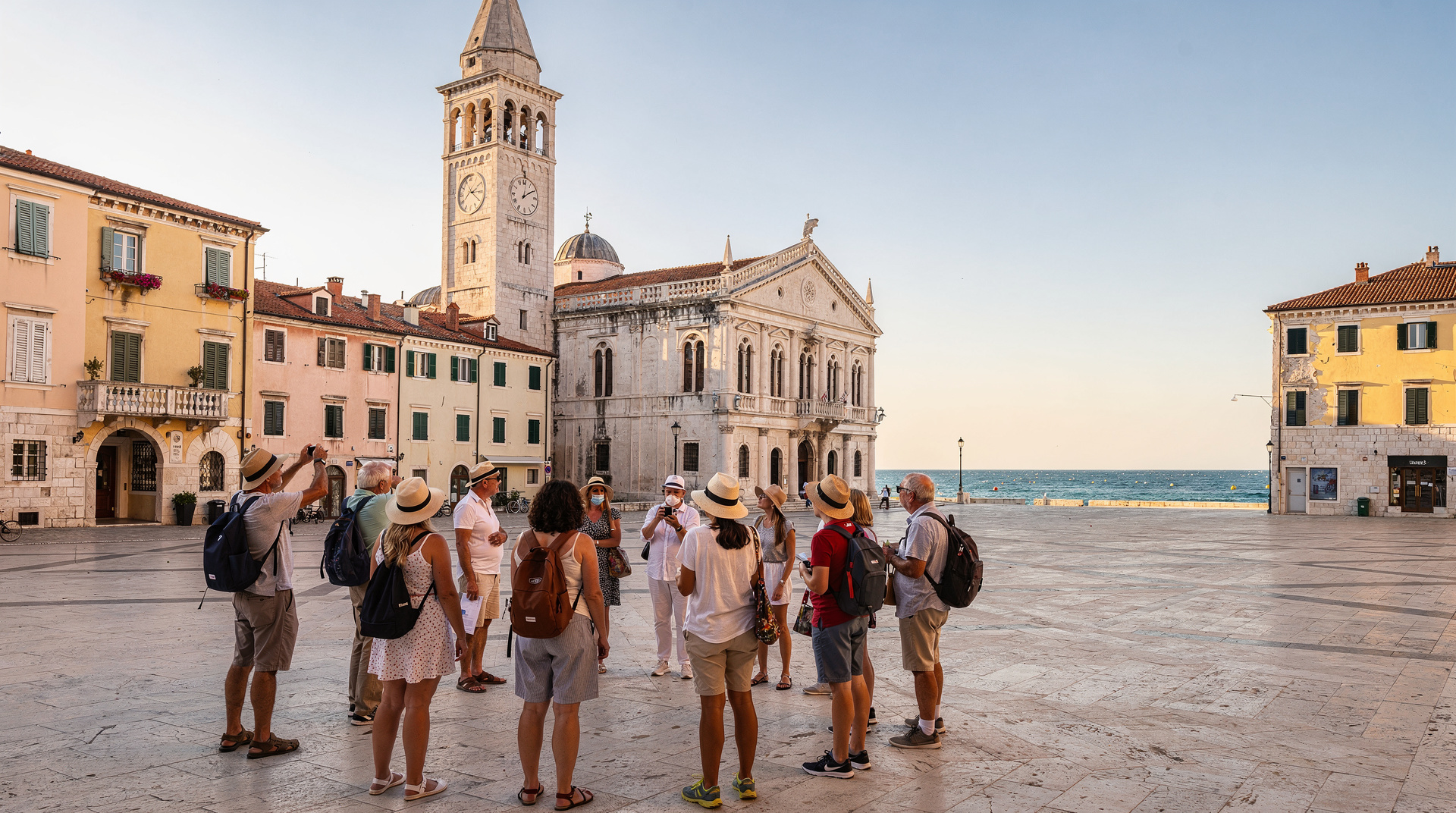
The Ljubljana hostel scene is the most reliable way to find travel companions. Celica Hostel’s common areas, the nightly tours organized by the main hostels, and the walking tour meetups (typically at the Triple Bridge, 11am and 3pm in summer) are all functional social venues.
For solo travellers who want occasional company for specific activities: the guided options in the Soča Valley — rafting, kayaking, paragliding — are group activities by nature and produce the easy camaraderie of shared experience. The guided Ljubljana food tour is another social option that mixes visitors from different backgrounds.
Online communities (the r/solotravel and r/travel forums, as well as Slovenia-specific Facebook groups) are active sources of current advice from female travellers who have recently visited.
What changes by season
Spring and early summer are particularly good seasons for solo female hikers in Slovenia: the trails are quiet enough that you are walking in relative solitude, but there are other walkers on the path, and the mountain huts are staffed and welcoming. The midsummer (July-August) period is busier at the main sites; the shoulder of September-October combines quietness with stable weather.
Solo travel in winter is entirely viable for Ljubljana and the thermal spas. The ski resorts have a natural social infrastructure that makes meeting people easy. The mountain hiking is more serious in winter and requires different preparation.
The things worth knowing
A few practical notes specific to solo travel rather than safety:
Tables for one at Slovenian restaurants are entirely unremarkable. You will not be seated awkwardly or made to feel that a table is wasted. The bar seating culture makes eating alone actively comfortable.
The solo surcharge on some hotel bookings is real but modest — typically €10-20 extra per night compared to the double-occupancy rate. Private rooms in hostels often avoid this entirely.
The language barrier is limited but real in rural areas. Download the Google Translate Slovenian language pack before arriving — offline translation is useful when you are lost in a village that has no one who speaks English.
Piran in September-October is the author’s personal recommendation for a solo female travel destination in Slovenia: the old town is Venetian-scale (everywhere is close, nothing is disorienting), the atmosphere is relaxed post-summer, and the seafood restaurants welcome single diners without ceremony.
Practical itinerary for solo female travellers
A 7-day itinerary that works well for solo female travel in Slovenia:
Days 1-2: Ljubljana. Stay at Celica Hostel or Hostel Tresor for the social environment. Day 1: Plečnik architecture walk and market. Day 2: Ljubljana Castle and the National Gallery, evening at a riverside bar.
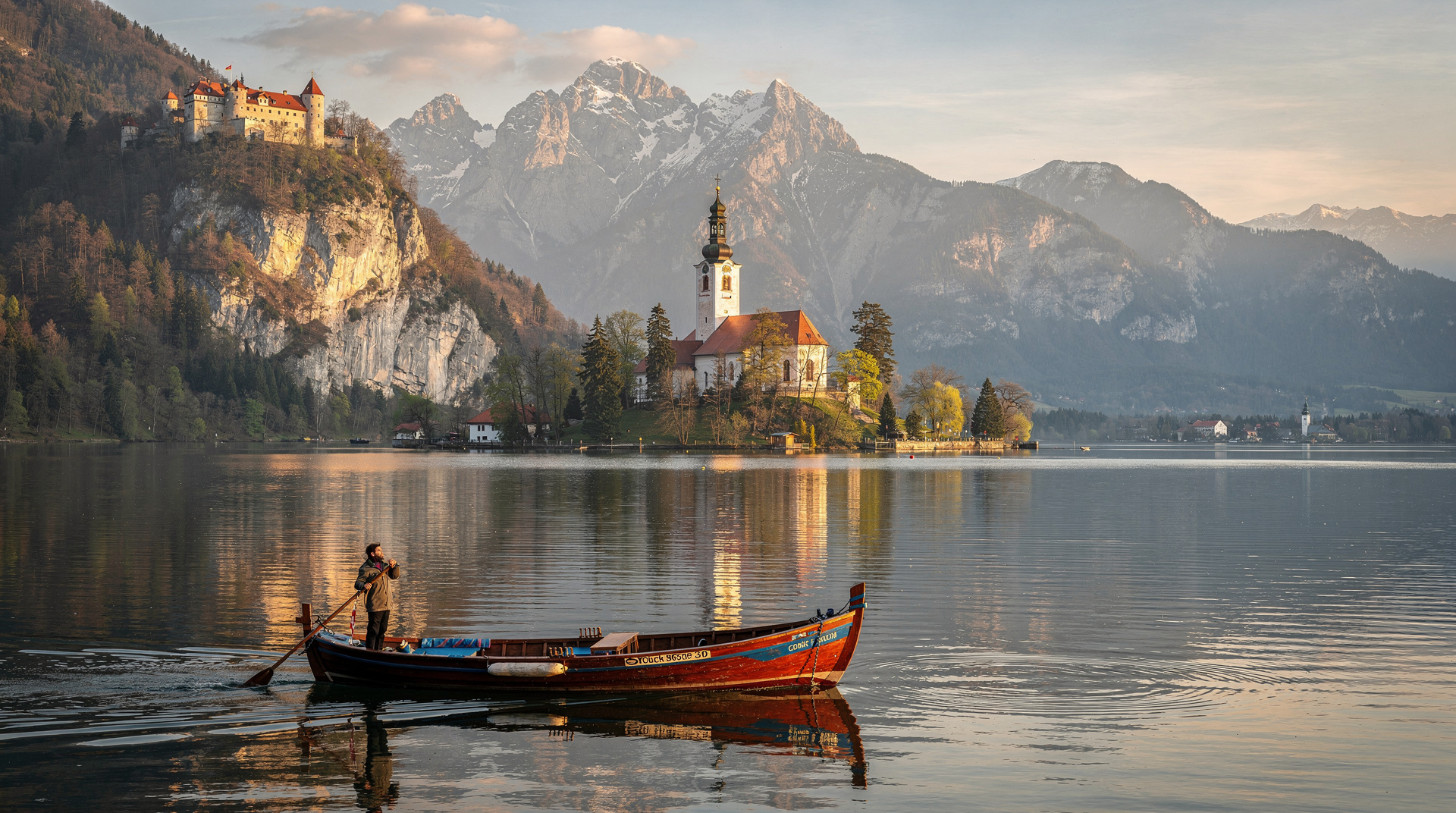
Day 3: Lake Bled (bus from Ljubljana, €7, 1h15). Walk the south shore in the morning, climb to Ojstrica. Join the afternoon boat to the island (find a group at the pier — the pletna captains are accustomed to assembling mixed groups for the rowing). Return to Ljubljana by bus or stay overnight.
A guided day tour from Ljubljana removes the logistics entirely for travellers who would rather not manage buses and pletna boats alone, and puts you in a small group for the day by default.
Lake Bled day tour from LjubljanaDays 4-5: Soča Valley. Bus from Ljubljana to Bovec is possible (involves a change) but a car hire for these two days is transformative. Half-day rafting on the Soča — group activity, you join others; excellent for solo travellers. Day 5: Kobarid Museum and the historical walk.
Days 6-7: Coast. Bus from Bovec to Piran via Nova Gorica (4-5h with changes). Two nights in Piran: the old town, the fish market, the sea walk.
This itinerary works without a car for most of the route. The Soča Valley section is the exception; consider hiring a car specifically for days 4-5 and returning it at Nova Gorica before taking the bus to Piran.
The bigger picture: why Slovenia specifically works
For solo female travellers who have experienced the constant background vigilance required in some destinations — the unwanted attention on the street, the anxiety about returning to accommodation alone, the need to monitor drinks in bars — Slovenia’s relative freedom from these stresses is not a minor comfort; it is a significant quality of life improvement for the duration of the trip.
The absence of aggressive street harassment, the general reserve that reads as respectful rather than threatening, the infrastructure that makes walking safe and well-lit — these are structural features of the destination that do not require managing.
This is worth naming directly: not all European countries offer this. Some cities in southern and eastern Europe require more active management of personal space and safety. Slovenia generally does not.
The is Slovenia safe guide goes into the crime data and social context in more depth. The solo travel Slovenia guide covers the gender-neutral logistics that any solo traveller should read before arriving.
The solo travel community in Ljubljana
One specific note on Ljubljana as a solo travel hub: the city’s hostel scene is genuinely international and active in the way that the best European hostel cities are. The walking tours at the Triple Bridge (typically 11am, free or small tip), the hostel bar crawls, and the Metelkova evening scene all create organic opportunities to find temporary travel companions for activities you might not want to do alone.
The Ljubljana Facebook group for travellers (search “Ljubljana travellers” or “Ljubljana expats”) is active and useful for current advice and connections. Several of the hostels run regular group outings to Bled, which are specifically good for solo travellers who want the Bled experience without the solo logistics of renting a car.
Comparing regions for a first solo trip
Not every region suits a first-time solo traveller equally well. This is a rough comparison for someone deciding where to spend limited time:
| Region | Solo-friendliness | Best for |
|---|---|---|
| Ljubljana | Very high | First few days, meeting people |
| Lake Bled / Bohinj | High | Easy day trips, low-effort scenery |
| Soča Valley | Medium-high | Group adventure activities, needs a car or tour |
| Coast (Piran) | High | Relaxed, low-key evenings |
| Julian Alps high routes | Medium | Experienced hikers only, register your route |
What we would tell a first-timer directly
If this is your first solo trip anywhere, not just to Slovenia, start in Ljubljana and stay three or four nights before moving on. The city is small enough to build confidence quickly — you will know your way around the old town within a day — and the hostel scene means you are never more than a common room away from company if the solitude gets to be too much on a given evening. Bled and the coast can be added as day trips or short add-ons once that confidence is established, and the Soča Valley, which benefits most from a car or a booked group activity, is better tackled once you have a feel for how you travel alone.
Women travelling solo for the first time anywhere sometimes worry that solo dining, in particular, will feel exposed. Slovenia is a genuinely low-stakes place to test this: the bar-seating culture in most restaurants means eating alone is structurally normal, not just tolerated, and nobody will comment on a table for one.
When to actually be more careful
None of this is a suggestion that vigilance is unnecessary. Standard precautions apply: let someone know your hiking route and expected return time, avoid unlit isolated areas late at night in any city (as anywhere), keep an eye on your drink in busy nightlife areas, and use registered taxi apps rather than unmarked cars late at night. The one Slovenia-specific point worth repeating is mountain safety — weather changes fast at altitude, phone signal is patchy in the high Julian Alps, and solo hikers going above the well-marked valley trails should genuinely register their planned route, not treat it as a formality.
Top experiences
Bookable activities with verified prices and instant confirmation on GetYourGuide.