Slovenia on a budget: how to travel well for under €60 a day
What “budget” means in Slovenia
Slovenia occupies a specific position in the European price hierarchy: cheaper than Austria, Switzerland or Scandinavia; more expensive than Croatia, Bosnia or Bulgaria. For a western European traveller, it feels modestly priced. For a visitor from Southeast Asia or South America, it can feel expensive relative to surface impressions.
The realistic budget threshold — the point below which you start compromising meaningfully on experience — is around €50-60 per person per day. Above this, you have genuine choices. Below it, the options narrow.
This article is about making €50-60 work well, not about extreme budget strategies that turn a holiday into an endurance test.
| Daily budget | €50-60/person for a genuinely good trip |
| Cheapest tier | Hostels €18-25, gostilna lunch €8-12 |
| Biggest saver | Shared car rental, gostilna over tourist restaurants |
| Best season for value | May or September, 10-20% below peak |
| Where budget struggles | Soča Valley without a car |
Where the money goes
A day’s spending in Slovenia breaks down roughly as:
- Accommodation: €15-30 (hostel dorm or budget private room)
- Food: €12-20 (two meals plus snacks)
- Transport: €5-15 (bus, or car rental shared between 2-3 people)
- Activities and entrance fees: €5-15
- Coffee, snacks, incidentals: €5-10
The total range is €42-90, with budget choices bringing it toward the lower end and a few daily upgrades pushing it higher. The Slovenia trip budget guide has a more detailed breakdown by travel style.
Accommodation strategies
Hostels in Ljubljana: the capital has a solid hostel scene with dorm beds from €18-25. Celica Hostel — a converted prison with individually designed cells — is one of the more distinctive budget accommodation options in Central Europe. The Hostel Tresor is newer and more conventional; both are clean, central and sociable.
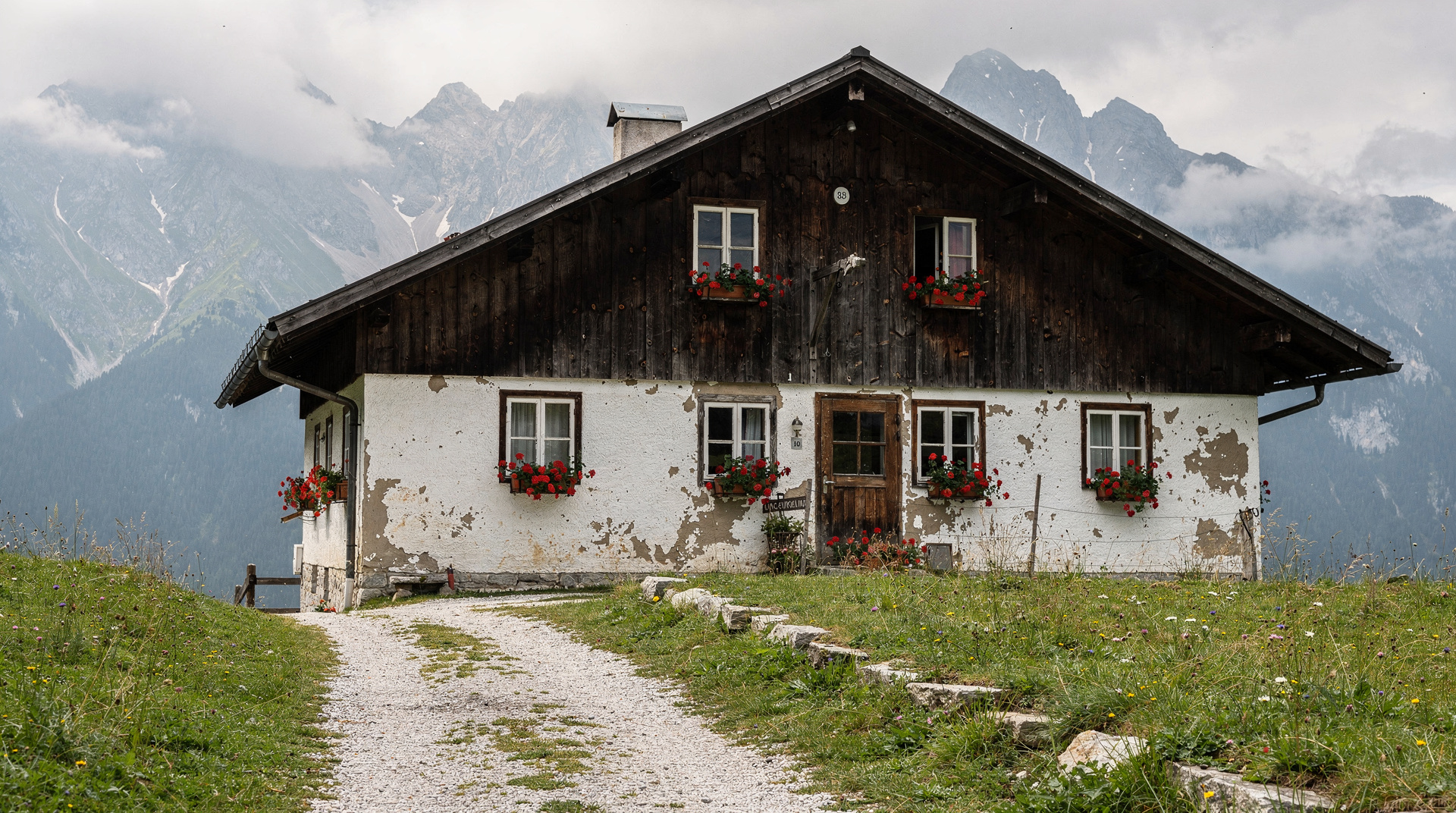
Private rooms in farmhouses (turistična kmetija): for budget travellers with a car, the rural farmhouse accommodation network offers private double rooms from €40-60, often including breakfast. These are family-run, genuinely hospitable, and positioned near the main attractions. The where to stay in Slovenia guide covers this category.
Camping: Slovenia has well-maintained campgrounds throughout the Julian Alps region. Camping Bled, directly on the lake, charges around €15 per person for a pitch with electricity; the location is excellent. Camping in the Soča Valley is cheaper and more atmospheric.
Food: gostilne versus tourist restaurants
The single most effective food-budget strategy in Slovenia: eat at a gostilna rather than a tourist restaurant near the main sites.
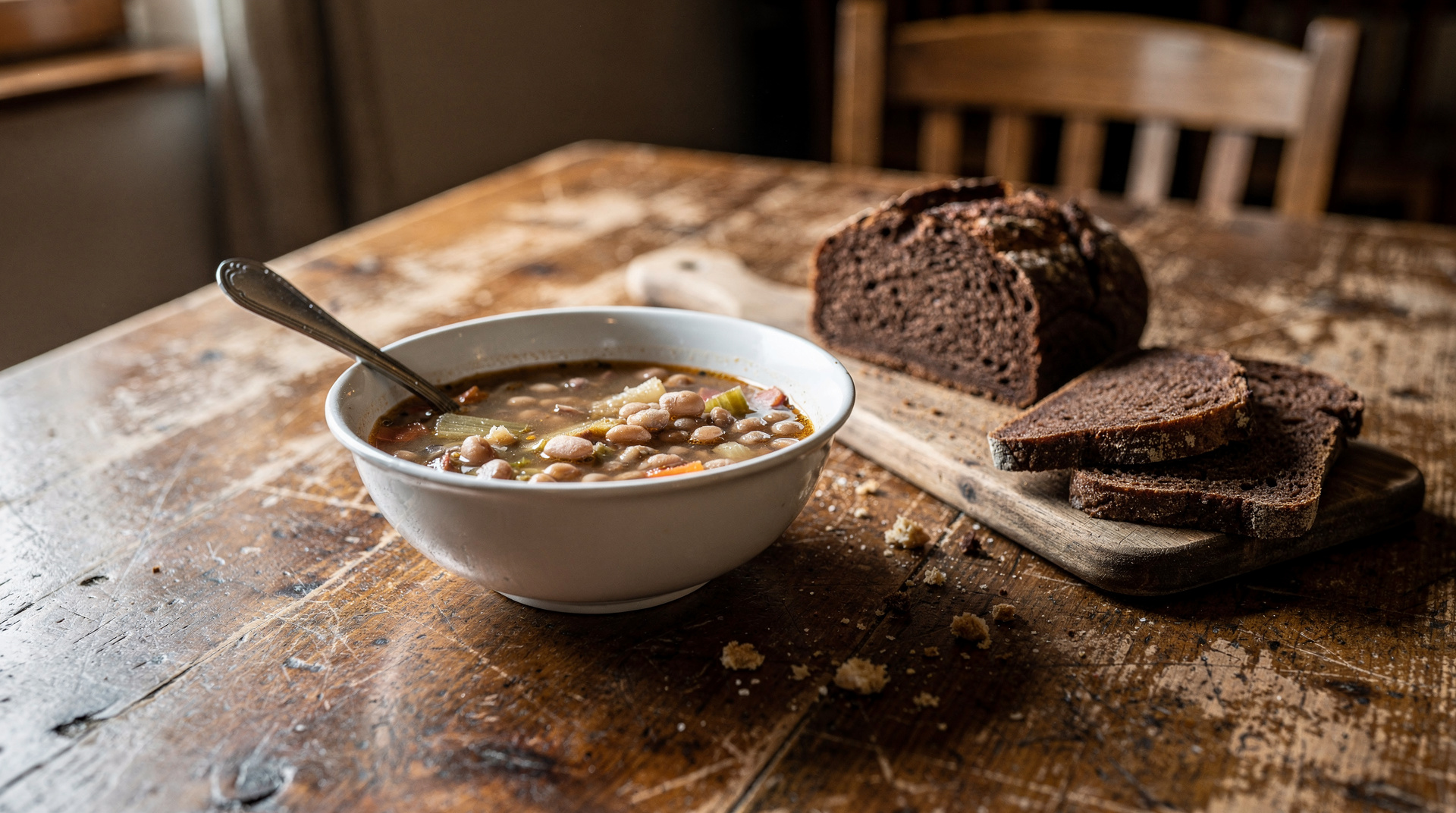
A gostilna is a traditional inn serving home-style food: meat, potatoes, pickled vegetables, dumplings, seasonal soup. The lunch menu (dnevno kosilo) runs €8-12 for a two-course meal including bread. The clientele is local. The food is genuinely good.
The tourist restaurants along the Bled lakefront and in the Ljubljana old town sell the same dishes for 50-80% more. They are not markedly better.
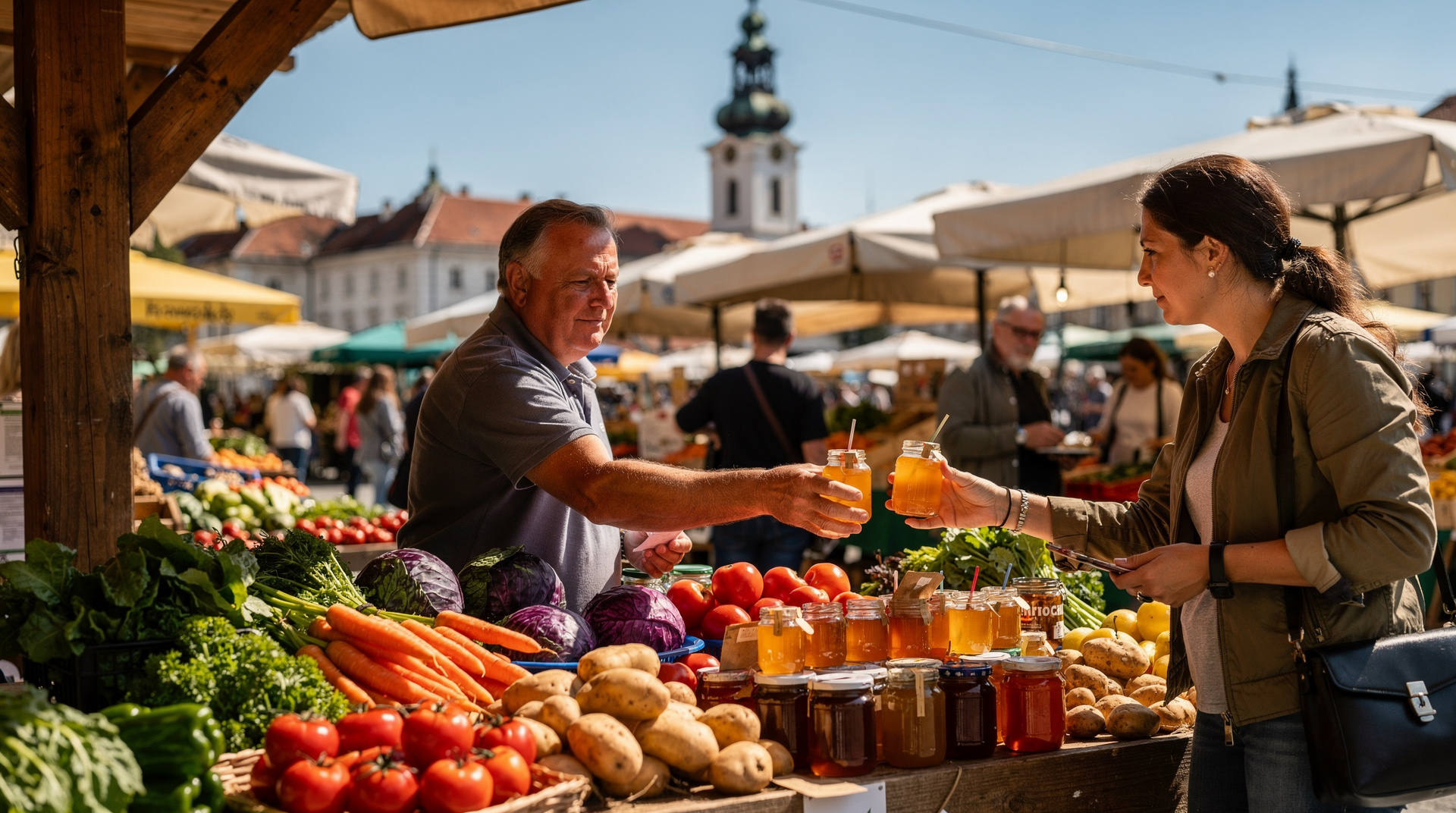
For cheap and excellent eating in Ljubljana: the central market has stalls selling burek (filled pastry, €2-3), roast chicken, and seasonal vegetables. The Menza pri Koritu (student canteen in Trubarjeva) serves lunches for €6-7 and is open to non-students.
The Slovenian food guide covers what to order; the gostilna guide covers how to find and use them.
Transport on a budget
Without a car, the Ljubljana-to-Bled bus (€7, 1h15) is excellent value and runs frequently. Postojna Cave is reachable by direct bus from Ljubljana (€8, 1h) with return services throughout the day.
The public transport guide has the current schedules and ticket prices.
Where public transport falls short: the Soča Valley is poorly served by buses — a single daily service from Nova Gorica to Bovec is not enough for a flexible itinerary. If the Soča is on your list, a car is close to essential, or you accept limited flexibility.
Car rental shared between two or three people is budget-viable: a small car costs around €35/day, splitting to €12-18 per person. Add fuel and the vignette and a week’s car travel budget runs to €80-100 per person shared between two.
Free and cheap activities
The natural attractions of Slovenia are largely free once you are there. Walking the Lake Bled circumference, swimming in the Soča River, hiking trails in Triglav National Park, and walking Ljubljana’s old town cost nothing.
Paid entrance fees that are worth it:
- Vintgar Gorge: €15 (children up to 15: €5). Genuinely extraordinary.
- Kobarid Museum: around €7. One of the finest small museums in Europe.
- Lipica Lipizzaner stud: see current prices on the official site, lipica.org.
Paid entrance fees that are negotiable:
- Ljubljana Castle: around €17 online (€19 at the ticket office). The view from the free ramparts is the same.
- Postojna Cave: €34.90, tickets sold only on the official site. Extraordinary but expensive. The cave tour is unique; the commercial atmosphere is not.
Shoulder season savings
Off-season travel cuts accommodation prices significantly: Bled hotels drop 30-50% in November-March. Hostels are cheaper and more available. The main constraint is that Vintgar Gorge and the Vršič Pass are closed in winter.
For budget-conscious travellers, May and September offer the best balance: good weather, most attractions open, and accommodation prices 10-20% below peak summer rates.
The €60 day: what it actually buys
A realistic €60 day in Slovenia (solo traveller):
Morning: coffee at a riverside bar in Ljubljana (€1.80), walk to the market, buy fruit and cheese (€5). Drive to Bled (car share: €8 fuel).
Late morning: walk the lake circumference, climb to Ojstrica (free). Picnic lunch with market provisions (€5).
Afternoon: drive to Bohinj (€3 fuel), walk the valley floor to the Savica Waterfall (free trail, €4 entry from age 16 since August 2026).
Evening: return to Ljubljana hostel (€22), dinner at a gostilna (€15).
Total: approximately €64. Adjustable downward by hitching to Bled with hostel mates, eating cheaper at the market.
This is not deprivation. This is a genuinely excellent day in a beautiful country. See the is Slovenia expensive guide for more specific price data.
The activities that offer the best value
Several of Slovenia’s most distinctive experiences are available at price points that feel like budget travel even when they are not:
The Kobarid Museum (€7): one of the finest small war museums in Europe, situated in the town that was the centre of one of the most significant First World War battles. The quality of the exhibition and the depth of documentation are exceptional for the price. Allow 2 hours.
Vintgar Gorge (€15): the wooden walkway through 1.6 km of limestone gorge, an entry price that is still fair for what it offers. Arrive at opening time to avoid the queues.
The Ljubljana food market (free): the best food shopping in the country, at a price that depends entirely on how much you buy. Assembling a picnic lunch at the riverside stalls — local cheese, cured meats, fresh bread, a piece of honey cake — costs €8-10 for two.
National Gallery of Slovenia (from €7, free on the first Sunday of the month): an excellent collection of Slovenian art from medieval to 20th century, located in a beautiful 19th-century building, free once a month. Plan around the free Sunday if your trip allows it.
Wild swimming: the Soča River, Lake Bohinj, the Savinja River — free.
Budget eating, honestly assessed
The budget food culture in Slovenia rewards research over spontaneity. The gostilna lunch menu (dnevno kosilo) is the key instrument: a two-course meal including bread and a glass of house wine or a soft drink, typically priced at €8-12. These menus exist at lunchtime only — the same restaurant in the evening often costs significantly more.
Burek — the flaky filled pastry of Balkan origin that is now ubiquitous in Slovenia — is the best street food value: a piece filled with meat, cheese or potato costs €2-3 and provides a solid lunch if paired with a coffee. Every town has a burek vendor; quality varies, but the best examples are at the baker’s shops rather than the tourist snack bars.
Supermarkets in Slovenia are good for supplementing meals: the Mercator and Spar chains stock local cheese, wine, cured meats and fresh bread at prices well below the restaurant equivalent. A bottle of local wine for dinner from a supermarket costs €4-7; the same wine in a restaurant costs €12-18.
Budget-friendly ways to see the Soča Valley without a car
The Soča Valley is the single hardest region to reach cheaply without a rental car — public transport is limited to one daily bus from Nova Gorica. A shared group day trip from Ljubljana solves this at a lower per-person cost than renting a car solo, and includes several stops (Bovec, the river viewpoints) that would otherwise require a full day of driving logistics to piece together independently.
Soča Valley and Kranjska Gora day trip from LjubljanaFor travellers based at Bled rather than Ljubljana, a similar shared day trip covers Bohinj, the Soča Valley and Kranjska Gora without the cost of a multi-day car rental — a sensible option for anyone spending only 2-3 days in the Julian Alps.
Kranjska Gora, Bovec and Bohinj day trip from BledBudget-friendly caves and castles
The caves and castles cluster southwest of Ljubljana is reachable cheaply by direct bus (covered below), but a combined ticket or tour often works out similar in cost to arranging entrance fees and transport separately, while saving the logistics of coordinating bus timetables between Postojna Cave and Predjama Castle, which do not sit on the same public transport route.
The postojna vs Škocjan comparison guide helps decide which cave suits a tighter budget, since Škocjan’s entry fee is lower and the experience is less commercial. The Postojna Cave day trip guide and the predjama castle guide cover the self-drive and bus logistics for both, including which combination tickets are worth buying ahead.
Budget accommodation add-on: camping and glamping
Camping deserves a fuller mention as a budget-stretching option beyond the brief note earlier. Beyond Camping Bled, the Julian Alps and Soča Valley have a network of well-maintained campgrounds that charge €12-18 per person for a pitch, considerably less than any indoor accommodation tier. Several sites rent basic bungalows for slightly more, splitting the difference between camping and a private room for travellers without their own tent. This tier is easy to overlook when budget planning defaults straight to hostels, but for a car-based trip through the mountains it is consistently the cheapest genuinely comfortable option available.
The public transport budget trip
A strictly public-transport budget trip in Slovenia is possible and enjoyable, with the understanding that it constrains the areas you can visit.
Ljubljana to Bled: bus, €7, 1h15. Ljubljana to Postojna: bus, €7.50, 1h. Ljubljana to Koper/coast: bus, €9, 2h. Ljubljana to Maribor: bus or train, €9-12, 1h30-2h.
What public transport cannot easily reach: the Soča Valley (one daily bus, inflexible), the wine regions, the Logar Valley, most mountain huts. For a first visit focused on Ljubljana, Bled and the caves, public transport is entirely adequate and saves the car rental cost entirely.
The public transport guide has current timetables and the best ticket-buying platforms.
Accommodation: the three tiers that work on a budget
Tier 1 (€15-30/night): hostels and dormitories. The hostel network in Slovenia is concentrated in Ljubljana and Bled but extends to a few options in the coastal towns and the Soča Valley. Celica Hostel in Ljubljana (a converted prison, each cell individually designed by an artist) is one of the most interesting hostels in Europe as a concept; the experience lives up to the concept.
Tier 2 (€35-60/night): private rooms in farmhouses. The tourist farmhouse (turistična kmetija) network is the best budget accommodation in rural Slovenia. Private rooms include breakfast; the accommodation is clean, family-run, and positioned near the main attractions. The hosts are often the most useful source of local information you will find.
Tier 3 (€60-90/night): budget guesthouses and pension. The distinction between a guesthouse (penzion) and a small hotel in Slovenia is largely cosmetic; both offer private rooms, private bathrooms, and some form of breakfast. This tier covers most of what is available in the regional towns outside of Ljubljana and Bled.
The meal that changes the budget calculation
One meal pattern that changes the budget calculation significantly: the set lunch menu (dnevno kosilo) served at gostilne and some restaurants between noon and 2pm. Two courses — typically a soup and a main dish — with bread, a glass of house wine or a soft drink, for €8-12.
This format does not exist in most western European countries at equivalent quality. In Slovenia it is ubiquitous. A traveller who eats the set lunch at a local gostilna and self-caters for breakfast (market produce) and dinner (supermarket wine, cheese and bread) can eat well for €18-20 per day.
This is not a compromise; the set lunch at a good gostilna is often better food than the à la carte dinner at a tourist restaurant charging twice as much.
The free things that are actually free
A brief list of genuinely free experiences in Slovenia that are not free-with-a-catch:
- Walking the Ljubljana old town (including the Plečnik architecture)
- The riverside market in Ljubljana (entry free; purchasing optional)
- Lake Bohinj shore walk (free trail on the valley floor)
- Triglav National Park trail walking (no park entry fee; some specific facilities charge)
- Soča River gorge views from road bridges
- Ljubljana castle exterior walk and free ramparts viewpoint
- National Gallery of Slovenia on the first Sunday of the month
- The Rinka Waterfall trail approach (valley road charges a fee, but the footpath from outside the valley entrance is free)
The aggregate of these free activities adds up to several days of excellent Slovenia travel at zero cost beyond accommodation and food.
Top experiences
Bookable activities with verified prices and instant confirmation on GetYourGuide.