Slovenia's coffee culture: the espresso country nobody talks about
Fifty kilometres from the city that invented espresso
Ljubljana sits 50 km east of Trieste. This geographical fact explains more about Slovenian coffee culture than anything else.
Trieste — the Habsburg port city that Italy absorbed in 1954 — developed the modern espresso bar in the early 20th century. The standing-at-the-bar coffee culture, the short strong shot, the coffee roaster as a neighbourhood institution: all of this arrived from the coast into the Slovenian hinterland along the trade and cultural routes that ran between Vienna, Trieste and Ljubljana.
The result is a country that treats coffee seriously, without making much noise about it. You will not find Ljubljana in many “best coffee cities” articles. You will also not find a takeaway cup in a cardboard sleeve in most Ljubljana cafés. The coffee is drunk where it is made, at the bar or at a table, within 10 minutes of pulling the shot. These are not artisanal affectations — they are just how coffee has been consumed here for a century.
| Where | Ljubljana old town, plus Piran, Koper, Izola on the coast |
| Standard espresso | Around €1.20-1.80 at the bar |
| Specialty coffee | Around €3.50-4.50, seated |
| Best morning stop | A traditional bar before 8am, before the queue |
| Day trip option | Trieste, 1h from Ljubljana, for the source tradition |
What to order
Kava is the generic word for coffee. Asking for “kava” will usually get you an espresso or something close to it; the default varies slightly by region.
Kavica (“little coffee”) is a standard single espresso. In most Ljubljana bars it costs €1.20-1.80.
Dvojna kava is a double espresso — the standard working drink.
Kava z mlekom is coffee with milk: a shot with a small amount of steamed milk, closer to a macchiato than a flat white.
Bela kava (“white coffee”) is the closest thing to a café au lait or a large white coffee — espresso with a significant volume of steamed milk, served in a larger cup. This is what most Slovenians order when they want something mild.
Kapučino is a cappuccino; the foam-to-coffee ratio varies by establishment.
What you will not find in most Slovenian bars: filter coffee (rare outside specialty places), very large milk drinks, oat milk alternatives outside the specialty cafés in Ljubljana.
The café tradition in Ljubljana
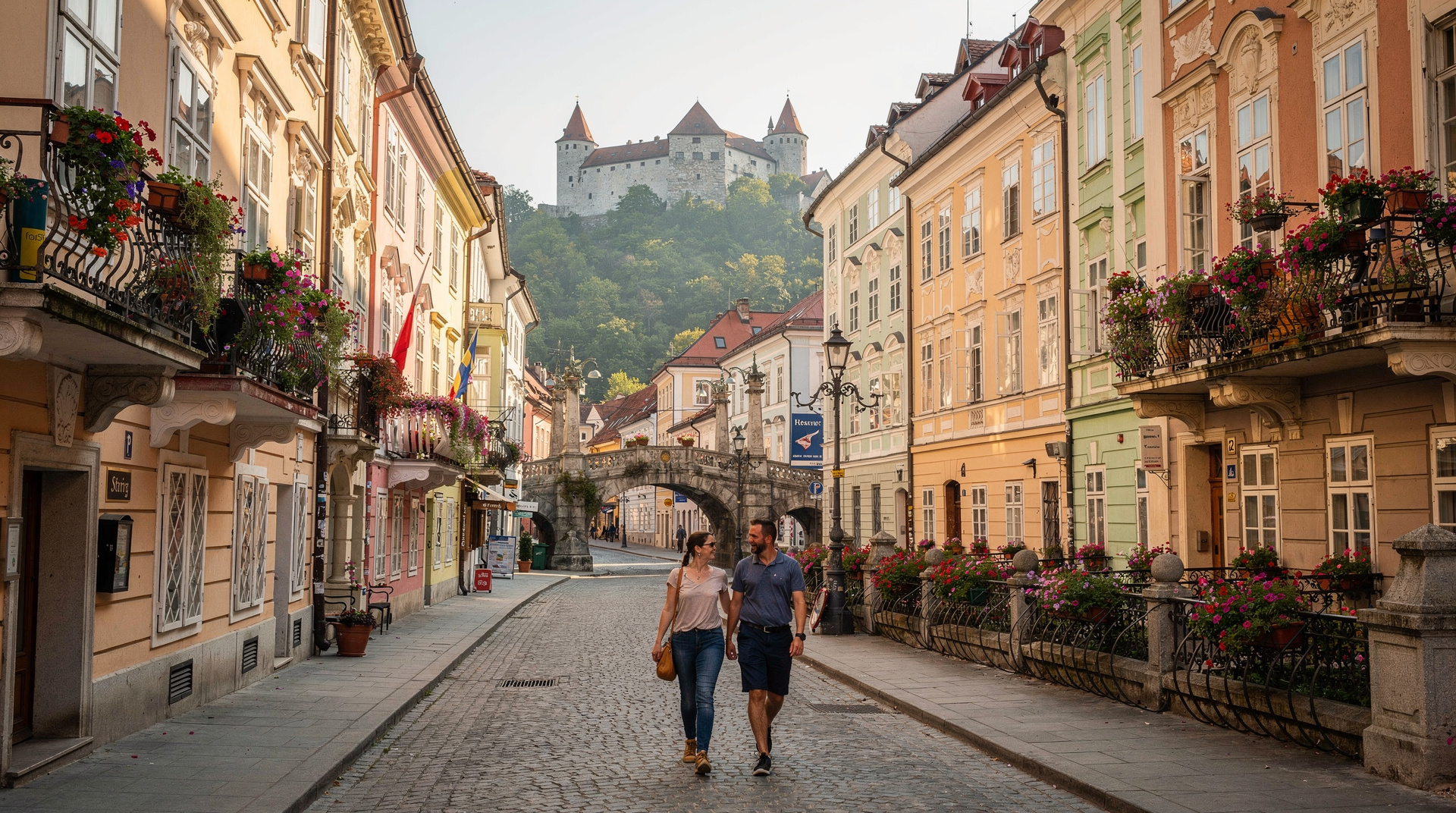
Ljubljana’s café culture centres on the Ljubljanica riverfront and the old town streets behind it. The chairs face the river or the medieval street. People sit for 90 minutes over one coffee and a glass of tap water (always provided free). Nobody is moved on.
The cafés that have been there longest are not necessarily the most photogenic; they are the most useful. Kavarna Tromostovje at the Triple Bridge has been serving coffee in that spot for decades and remains a neighbourhood place rather than a tourist trap, despite its location.
The craft specialty coffee scene has arrived over the past decade: Črno Zrno and Tozd represent the third-wave approach (single origin, filter, Aeropress). Both are excellent and coexist without tension with the traditional bar culture.
Outside Ljubljana: Trieste’s direct influence
In the coastal towns — Piran, Koper, Izola — the coffee culture is more directly Italian. You will find Caffe Illy and Caffe Hausbrandt on the bar counters (both Triestine roasters). The coffee is drunk standing in a quick transaction with the barista, especially in the morning.
In Piran, the café on the main piazza opens at 6am for the fishermen. By 8am it has transitioned to the morning regulars. The coffee is good, strong, and costs €1.20 at the bar or €1.80 at a table. The view from the table over the Venetian piazza to the sea is worth the 60-cent premium.
If you want to taste the source of that Triestine coffee tradition, the coast sits right next to it, and a half-day tour from Koper to Trieste and Miramare Castle lets you sit in one of the old Triestine cafés without organising the border crossing yourself.
Coffee in the mountains
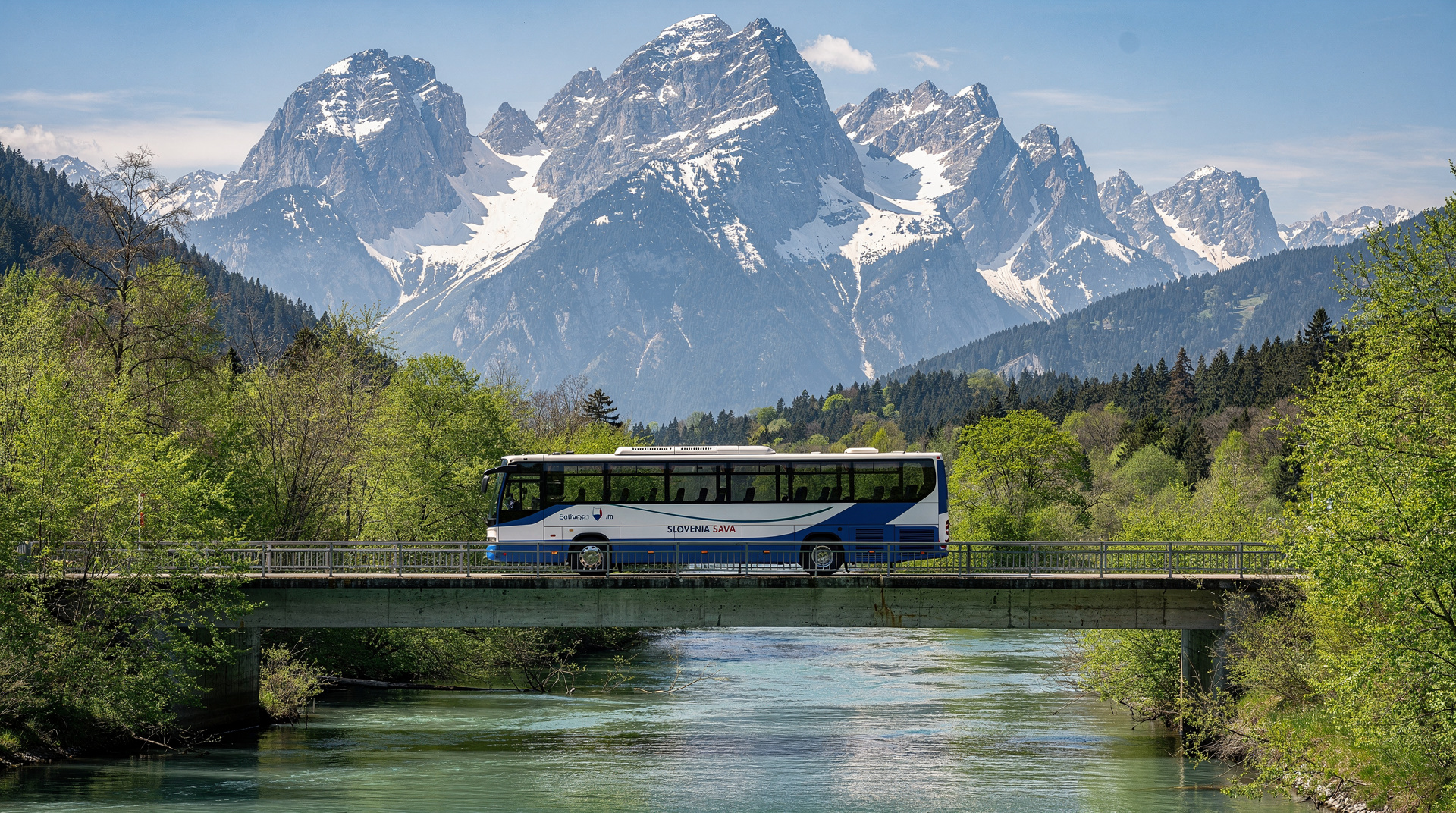
The mountain huts of the Julian Alps maintain their own coffee tradition. Reaching a hut at 1800 metres after three hours of walking to be handed a Turkish coffee (kavica po turško — unfiltered, boiled in a džezva) is one of the more satisfying experiences the country offers. The coffee is strong, slightly sweet, and consumed in one shot while looking at whatever mountain view prompted the walk.
Velika Planina, the shepherd’s plateau above Kamnik, has a small hut café that serves exactly this.
The wine and coffee crossover
A piece of Slovenian café culture that surprises visitors: the apéritif hour. In Ljubljana, from around 5pm to 7pm, the riverfront bars and the Metelkova district fill with people drinking wine or beer before dinner, using the café tables but with alcoholic drinks. The coffee order becomes a glass of Rebula or a local craft beer.
This is not a formal tradition but a social rhythm. The Ljubljana nightlife guide covers the evening scene in more detail; the Slovenian wine guide covers what to drink.
Slovenian coffee and the rest of Europe
One piece of context for European travellers: coffee culture varies more than most people assume within a small geographic area. Vienna’s coffee houses have their own elaborate taxonomy of coffee drinks. Italy’s espresso tradition differs by city. Slovenia’s position between these worlds produces something that is distinctly neither but draws from both.
The practical upshot for visitors: coffee in Slovenia is better than you expect, cheaper than in most Western European cities, and taken more seriously than the country’s low profile would suggest. If you are in Ljubljana for two days, the morning coffee at a riverfront bar is worth sitting with for half an hour.
Recommended coffee stops
Ljubljana: Tozd (Kolodvorska ulica) for specialty; Kavarna Pri Škucu (Stari trg) for old-town atmosphere; any bar on the Ribji trg side of the river.
Piran: the café on Tartinijev trg for the view; Bar Teater inside the old town for local atmosphere.
Bled: the café inside the park at the eastern end of the lake — the one with wooden chairs and a view across the water — rather than the hotel terraces on the main strip.
The Ljubljana food tour guide includes several café stops as part of the broader food itinerary.
Coffee as part of a proper food crawl
Coffee in Slovenia rarely stands alone — it is one stop in a longer sequence of market visits, bakery stops and wine bars that make up the country’s food culture. Rather than treating the café circuit as a separate itinerary item, folding it into a guided tasting crawl covers the ground more efficiently and adds context that a solo café-hop misses, particularly on a first visit to Ljubljana.
Ljubljana food tour, 10 tastingsFor a more coffee-specific outing, several operators run market walks that stop at both a traditional espresso bar and a specialty roastery, bridging the two traditions described above in a single morning. The Ljubljana central market guide and the Slovenian food must-try guide cover what else to look for alongside the coffee stops.
Coffee on the coast, beyond Piran
The Italian-inflected coffee culture described earlier at Piran extends along the whole Slovenian coast. Koper, the largest coastal town, has a working port-city café scene less geared toward visitors than Piran’s — locals stand at the bar reading the newspaper, and the coffee is identical in quality but noticeably cheaper. Izola, the fishing town between Koper and Piran, has a smaller but genuine version of the same tradition, with cafés clustered around the old harbour rather than a grand piazza. Together, the three towns make a coherent half-day coffee crawl along the Slovenian coast, most easily done with a car or the coastal bus route.
The history of coffee in Slovenia
Slovenia’s coffee culture has roots in the 17th-century Habsburg coffeehouse tradition. Vienna’s first coffeehouse opened in 1685; Ljubljana, as the capital of the Duchy of Carniola within the Habsburg Empire, had its first documented coffeehouse within decades. The tradition of the kavarna — a café serving coffee, tea, light food and allowing long occupancy — was established in Ljubljana before the city had street lighting.
The communist period (1945-1991) paradoxically strengthened the coffeehouse culture rather than suppressing it. Tito’s Yugoslavia was open to western trade in a way that the Eastern Bloc was not; Italian goods, including Illy and Hausbrandt coffee, were available in Yugoslav shops from the 1970s. The quality of coffee in Ljubljana in 1985 was higher than in Prague or Warsaw.
This history explains the current character: a café culture with genuine depth of tradition, Italian quality standards maintained through proximity and trade, and prices that have not yet been elevated to the level that the quality would justify in a more prominent city.
Coffee and Slovenian food pairing
In Slovenia, coffee is not separated from food culture — it is continuous with it. The morning kava is accompanied by a small sweet roll (buhtl or krofe — a filled doughnut), a slice of potica (walnut roll), or a piece of kremna rezina (custard slice), particularly in Bled where the kremna rezina was invented (allegedly at the Park Café in 1953, though the date is contested).
The kremna rezina and coffee combination is worth its tourist-trap reputation. The pastry — two layers of puff pastry enclosing a thick vanilla custard — is better than its simplicity suggests, and the tradition of eating it at a café on the Bled lakefront is one of the more defensible tourist activities in a place that can otherwise feel over-managed.
The potica and Slovenian desserts guide covers the full range of traditional sweets that accompany the coffee culture.
The specialty coffee arrival
Specialty coffee — third-wave, single origin, filter methods — arrived in Ljubljana in the early 2010s and has consolidated into a small but high-quality scene. The roasters worth knowing:
Stow Coffee Roasters (Ljubljana): the most technically focused roastery in the country, sourcing directly from East African and Central American producers. Their Aeropress is the city’s best single cup.
Črno Zrno (Ljubljana): established third-wave café with filter and espresso options, outdoor seating in the Šiška district, frequented by local design and tech community.
The specialty scene coexists without conflict with the traditional espresso culture. In the same city block in Ljubljana, you can find a traditional espresso bar (standing, €1.50, 30 seconds, newspapers on wooden sticks) and a specialty café (seated, €4, 10-minute extraction, single-origin Ethiopia). Both are genuine expressions of the local culture; neither is more Slovenian than the other.
Coffee tourism: the itinerary version
For the visitor who wants to engage with Slovenian coffee culture specifically rather than incidentally:
Morning 1: Ljubljana traditional bar circuit. Start at Kavarna Tromostovje at the Triple Bridge (6am opening, standing room at the bar, the city waking up outside the window). Continue to Kavarna Pri Škucu on Stari trg for a second coffee in the first real seat of the day. Walk to the market and eat a pastry from the market bakery.
Morning 2: Ljubljana specialty tour. Tozd on Kolodvorska ulica for a filter coffee tasting. Črno Zrno in Šiška for the outdoor table scene. Stow Roasters, if open for retail, for a bag to take home.
Day trip for the Italian connection: drive to Trieste (1h from Ljubljana). The historic coffee bars of Trieste — Caffe San Marco, Caffe degli Specchi — represent the tradition that Ljubljana’s coffee culture descends from. The standing espresso at Caffe San Marco costs €1.20 and has been served in the same marble bar since 1914.
The mountain version: any planinski dom (mountain hut) in the Julian Alps for a Turkish coffee after a morning’s walk. The džezva (unfiltered boiled coffee) tradition in the huts is identical to what it was 50 years ago — a small pot, grounds in the bottom, drunk in one motion while looking at whatever mountain you have just climbed.
What to bring home
Slovenian coffee culture produces two specific things worth bringing home:
Illy and Hausbrandt coffee: both Triestine roasters available at lower prices in Slovenian supermarkets than in UK or German shops. Not adventurous, but excellent quality.
Kolinska coffee: the specific Slovenian brand that has been sold in the same blue-and-yellow tin since the socialist period. Available at the Ljubljana market and at traditional grocers. The blend is mild and slightly sweet — the taste of Slovenian breakfast coffee for half a century.
The Slovenian food guide covers other products worth taking home alongside the coffee. The Ljubljana central market guide identifies the best sources for each category.
Coffee and the wider trip
A morning coffee routine is a small thing, but it shapes how a trip feels day to day. Visitors basing themselves in Bled will find the café options thinner and more tourist-facing than in Ljubljana; those splitting time between the capital and the Julian Alps hiking region should stock up on decent ground coffee at the Ljubljana market before heading into the mountains, where hut cafés serve the Turkish-style version rather than espresso. The Ljubljana museums and galleries guide and Ljubljana nightlife guide both list neighbourhood cafés worth combining with a cultural or evening itinerary.
Top experiences
Bookable activities with verified prices and instant confirmation on GetYourGuide.