Slovenia foodie trail: a week of eating through every region
Why Slovenia is a serious food destination
Slovenia’s food credentials have a structural advantage: the country sits at the intersection of four culinary traditions — Alpine Central European, Italian Mediterranean, Balkan and Hungarian — and has absorbed elements of all four without losing its own identity.
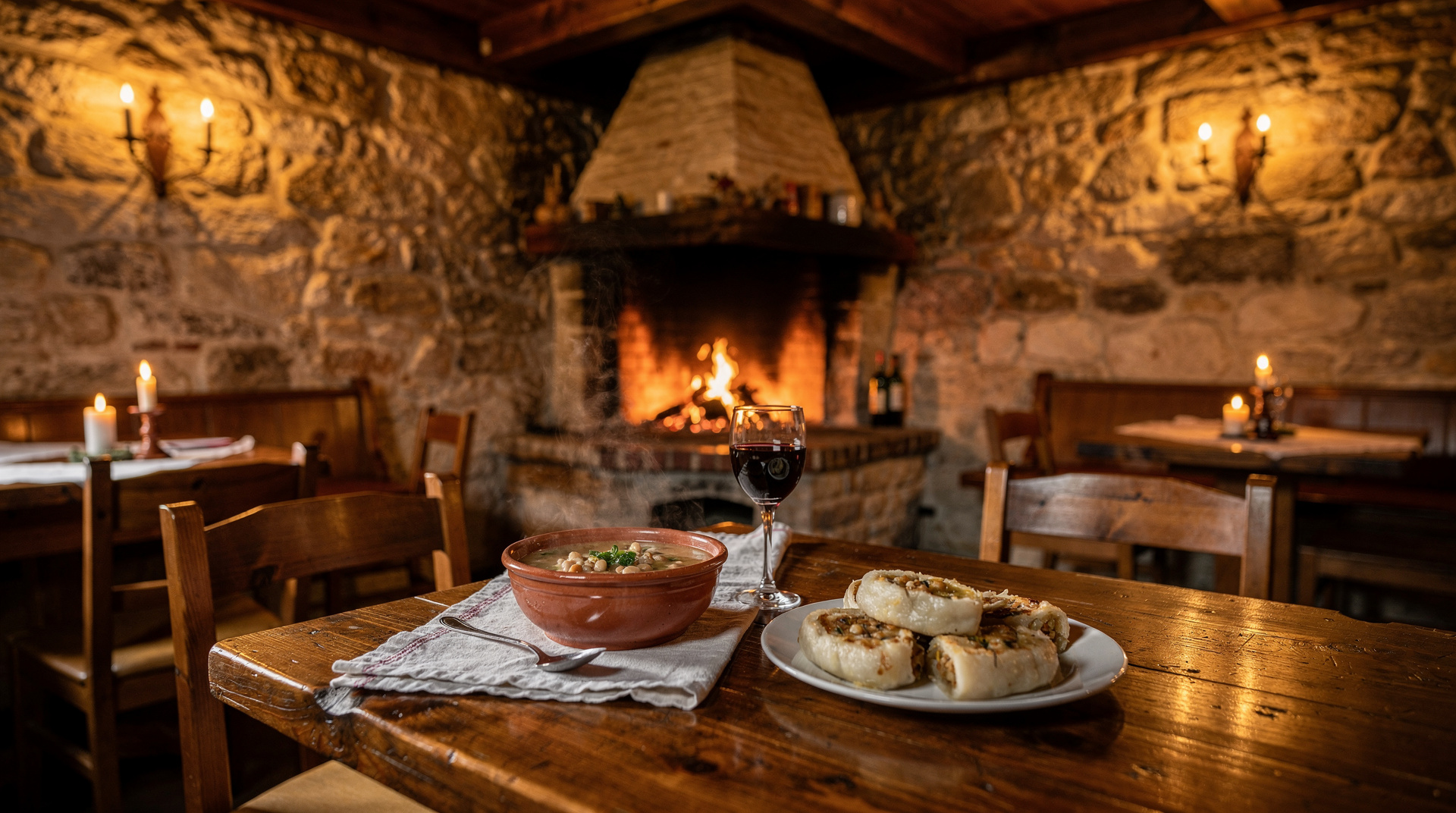
The result is a national cuisine with more internal variation than the country’s size suggests. The gostilna in Kranjska Gora that serves juniper-smoked trout with buckwheat is doing something fundamentally different from the konoba in Piran serving grilled orada with Sečovlje salt, which is different again from the farmhouse in Goriška Brda serving pork terrine with orange Rebula. All three are authentically Slovenian.
This trail runs from Ljubljana west and south through the wine regions and down to the coast — the route that covers the most food variation in seven days.
| Where | Ljubljana, Idrija, Goriška Brda, Vipava Valley, Piran, Karst |
| Time needed | 7 days for the full route, 4-5 for a shortened version |
| Getting around | Car recommended; public transport limited between wine regions |
| Budget per day | Around €40-70 for food and tastings |
| Book ahead | Hiša Franko and Pri Lojzetu, months in advance |
Day-by-day summary
| Day | Region | Focus |
|---|---|---|
| 1-2 | Ljubljana | Market, gostilna lunches, tasting menus |
| 3 | Idrija | Žlikrofi pasta, mercury mine |
| 4 | Goriška Brda | Wine, olive oil, farm kitchens |
| 5 | Vipava Valley | Indigenous varieties, Zemono Manor |
| 6 | Piran/coast | Seafood, Sečovlje salt |
| 7 | Karst | Teran wine, Kraški pršut |
Day 1-2: Ljubljana’s food scene
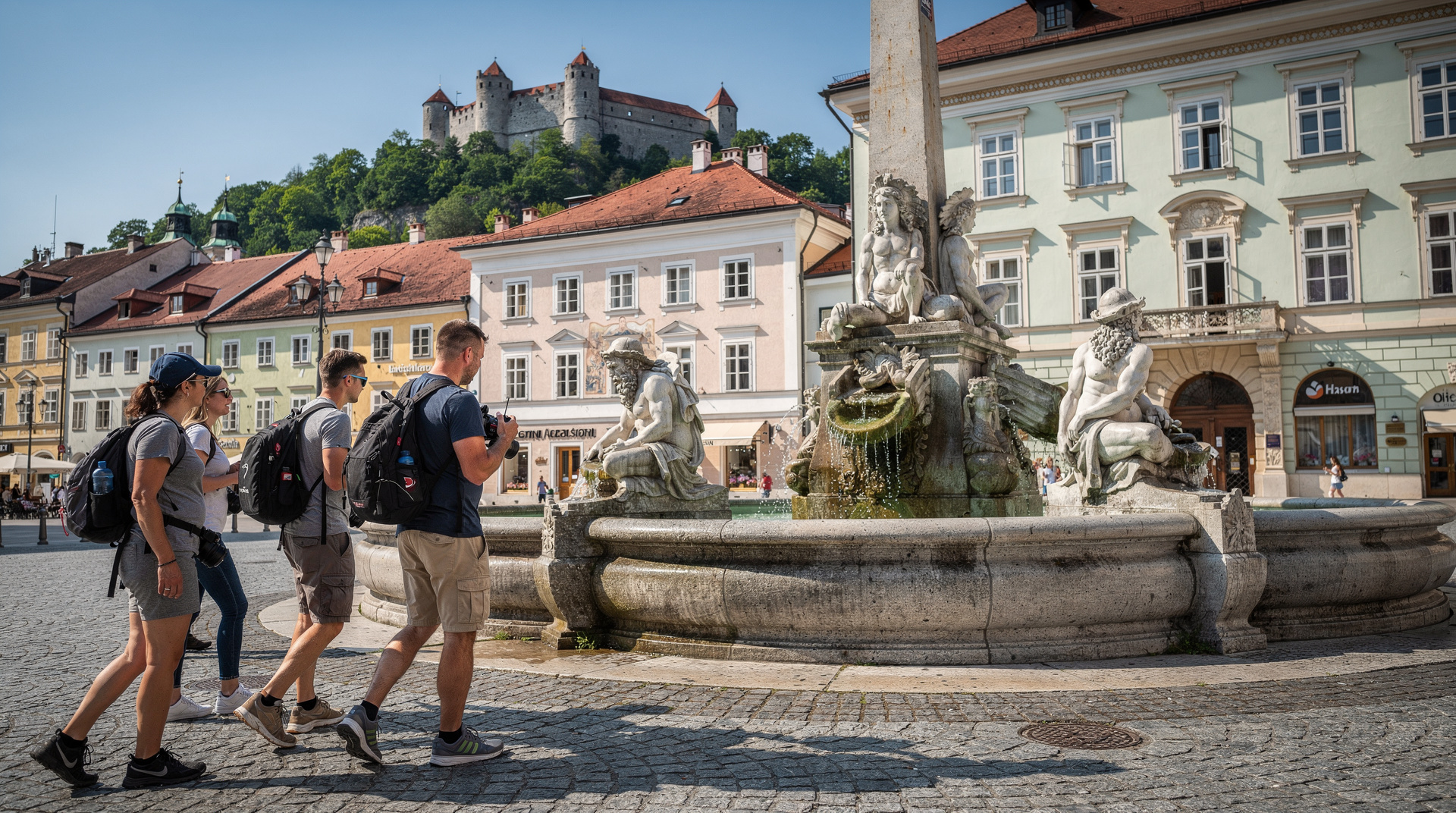
The Ljubljana central market is the starting point for understanding Slovenian food culture. The embankment stalls sell vegetables, honey, dried herbs, mushrooms and cured meats from producers within a 100 km radius. The covered hall has cheese, meat and dairy; the fish counter on the lower level sells the morning’s catch.
The market operates every morning except Sunday. Arrive before 10am for the best selection. Buy a jar of buckwheat honey, a vacuum-packed piece of aged Tolminc cheese, and a bag of dried porcini mushrooms — the three Slovenian pantry items worth taking home.
For the Ljubljana food tour experience: several operators run 3-hour guided tours through the market, a local baker, a wine bar and a traditional delicatessen. These are worth taking on a first visit — the context is useful and the samples are generous.
Where to eat in Ljubljana:
Lunch: Restavracija Mišmaš (Knafljev prehod) for creative Slovenian cooking using market ingredients; around €25 per person for two courses.
Dinner: Vander Restaurant for contemporary Slovenian (tasting menu €75-90); or Gostilna As in the old town for classic dishes at more accessible prices (€30-40 per person).
Street food: burek at the Šiška market for €2.50. Not traditionally Slovenian (it is Balkan in origin) but universally present and excellent at the right vendor.
Day 3: Idrija — the žlikrof town
The town of Idrija, an hour west of Ljubljana, is famous for two things: the UNESCO-listed mercury mine and the žlikrof — small pinched pasta parcels filled with potato and onion, which was declared a protected Slovenian food heritage item in 2010.
The dish predates the Italian tortellini designation debate and occupies a specific cultural niche: it is the local specialty that locals feel strongly about, served in every restaurant in town, and best at Gostilna Pri Škorcu on the main square (€9-12 for a bowl).
Combine the food stop with the mine tour: the underground museum is excellent and the combination of mercury mining history and pasta heritage makes for an unusual day.
Day 4: Goriška Brda — wine and oil
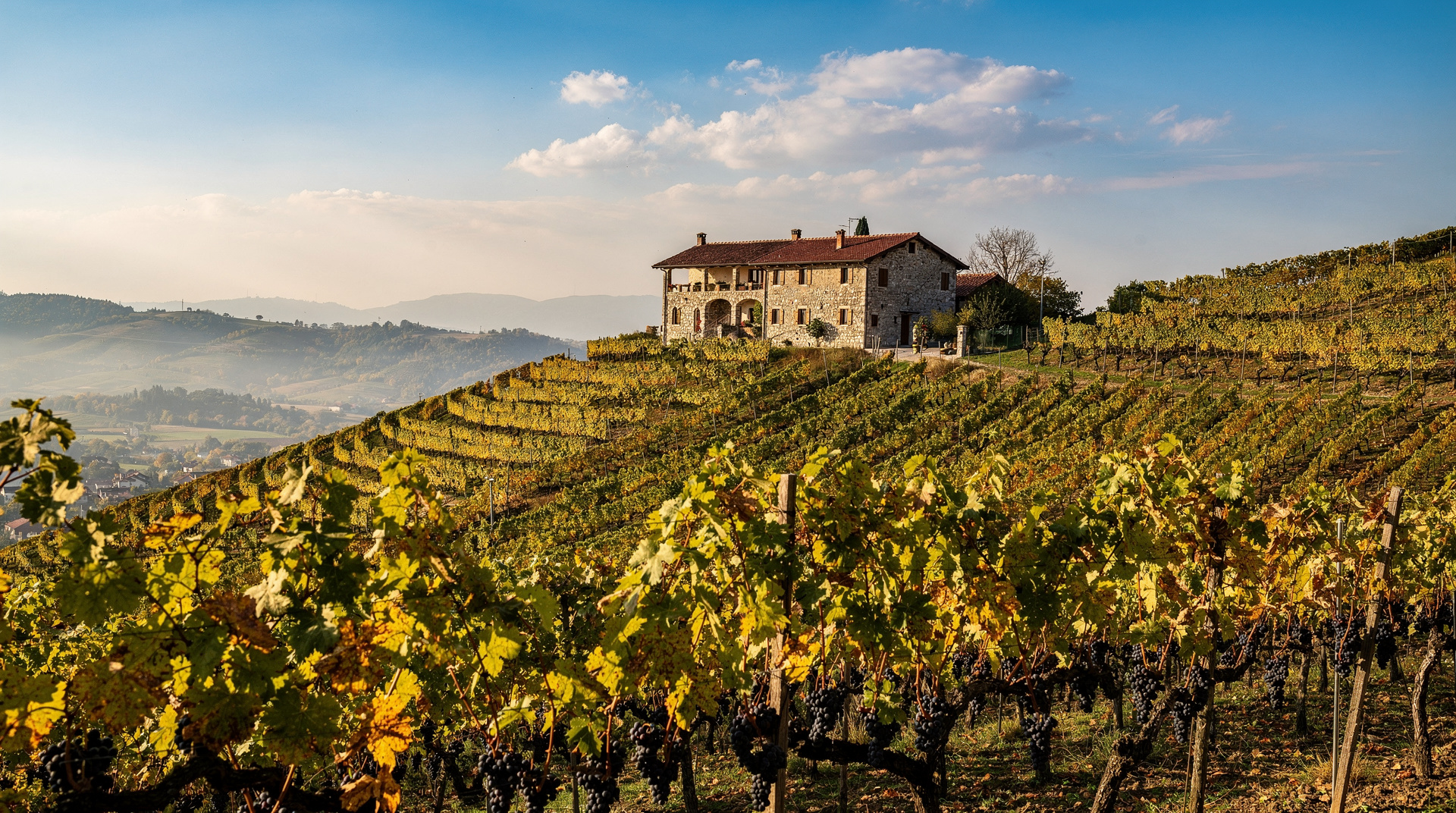
Goriška Brda is Slovenia’s answer to Tuscany for food tourism: olive oil, wine, local cheese and seasonal produce, in a landscape of terraced hills and medieval villages. The region produces some of Slovenia’s finest extra-virgin olive oil — the Brda variety of the Istrska Belica olive is distinctive for its green intensity.
The Brda olive oil, the Rebula wine, and the local prosciutto (pršut, air-dried rather than smoked) form the regional table that most Brda restaurants serve in some version. The best approach: visit the Dobrovo Castle cooperative tasting room for an overview, then drive to one winery with a farm kitchen.
Winery with food: Edi Simčič estate in Ceglo includes a kitchen serving seasonal produce. Reservations required.
The Goriška Brda wine guide has the full winery list and access notes.
Day 5: Vipava Valley — indigenous varieties
The Vipava Valley runs southeast from Nova Gorica toward the Karst. The valley wine culture is less-visited than Brda and centred on indigenous varieties that exist almost nowhere else: Zelen, Pinela, Vitovska, and Klarnica.
The Vipava wine bar in Ajdovščina is the entry point: a cooperative space that represents 30+ producers from the valley and allows tasting without winery visits. Open Tuesday-Saturday.
For food: the valley restaurant Pri Lojzetu (Zemono Manor) is among the country’s most celebrated tables — tasting menus structured around Vipava valley produce, wine pairings from the valley, views across the vineyards. Reservations required months in advance for weekend dining; weekday lunch is more accessible.
Day 6: Piran and the Slovenian coast
Piran and the Slovenian coast offer the Adriatic chapter of the food trail. The sea influences the cuisine: grilled orada (sea bream), škampi (Adriatic prawns), buzara (shellfish stew), polenta with cuttlefish ink. The wine changes too — the coastal Malvazija Istrska, lighter and more aromatic than the inland whites.
The Sečovlje salt pans, 10 km south of Piran, produce hand-harvested sea salt using traditional methods unchanged since the 14th century. The salt is genuinely different from industrial sea salt — fleur de sel from Sečovlje is sold in specialist food shops internationally for €8-12 per 100g; at the pans in season (May-September) it costs considerably less.
Where to eat in Piran:
Lunch: Pri Mari (Gregorčičeva ulica) — small, fish-focused, reservations essential. €35-45 per person.
More casual: the fish market lunch counter on the harbour sells grilled fish and shellfish at market prices.
The Piran travel guide covers the restaurant scene across budget ranges.
Day 7: Karst — Teran wine and pršut
The Karst plateau between the coast and Ljubljana is the territory of Teran wine — a red made from Refošk grapes on the iron-rich red soil (terra rossa) of the karst. The wine is tannic, acidic, low in alcohol (typically 11-12%) and extremely local: it genuinely does not taste the same grown anywhere else.
Teran is traditionally paired with Kraški pršut — the Karst air-dried ham, protected by European geographic designation. The combination (a slice of thinly cut pršut, a glass of Teran) is one of the canonical Slovenian food pairings and available at almost every restaurant in the region.
For the purist version: drive to the village of Štanjel or Komen, stop at the most local-looking konoba, order the pršut platter and a glass of Teran. Pay €12-15. Understand why the Slovenians feel strongly about their food heritage.
The Slovenian food narrative
Slovenia’s cuisine has been receiving increasing international attention since Hiša Franko near Kobarid entered the World’s 50 Best Restaurants list. Ana Roš — the chef and proprietor — has made the case internationally that Slovenian ingredients and techniques are as distinctive and as worth celebrating as any European cuisine.
The Slovenian food must-try guide covers the specific dishes. The gostilna guide covers the institution that delivers them most reliably.
The wine context: our Slovenian wine guide and wine regions guide cover the full picture.
Practical notes for food-focused travel
Book the celebrated restaurants in advance. Hiša Franko requires months of lead time. Pri Lojzetu (Zemono Manor in the Vipava Valley) fills 4-6 weeks ahead for weekends. The smaller estate restaurants in Brda can sometimes accommodate same-week reservations on weekdays.
The gostilna formula still works everywhere. No advance booking needed. The dnevno kosilo (daily lunch menu) is the format: two courses, bread, a drink, €8-12. Ask for the menu in Slovenian even if you intend to order in English — the willingness to engage is noticed.
Transport between food regions. The food trail described in this article requires a car — the distances are modest (Idrija to Brda is 1h, Brda to Piran is 1h30) but public transport does not serve the winery and rural restaurant circuit. See the car rental Slovenia guide and the driving Slovenia guide for logistics.
Guided tastings versus self-drive: which suits the trail
Much of this trail can be done self-drive with restaurant reservations made ahead, but a few stops genuinely benefit from a guide: the Brda wine country in particular rewards someone who already has relationships with the smaller producers, since several of the best cellars do not have regular public tasting hours.
Goriška Brda wine tasting with local snacksThe Vipava Valley works similarly — the cooperative wine bar in Ajdovščina is a fine self-guided starting point, but a guided express tasting covers more producers in less time for visitors with only a day to spare in the valley. The Vipava Valley wine guide has the fuller producer list for a self-drive version.
Vipava wine express day trip from LjubljanaFor the coast, a guided food-and-wine walk through Piran covers the salt, the Malvazija Istrska and the seafood tradition in a single afternoon — useful if Day 6 is the only day allotted to the coastal leg. The Piran travel guide and Slovenian coast guide cover the self-guided version.
Shortening the trail to four or five days
Not every visitor has seven days to spare. A shortened version that keeps the highest-value stops: Ljubljana (2 days, market and gostilna), Goriška Brda (1 day, the strongest single food-and-wine region on the route), and Piran (1-2 days, the coastal counterpoint). This cuts Idrija, Vipava and the Karst — each worth a detour on a longer trip but skippable on a tight schedule.
The how many days in Slovenia guide and the Ljubljana to Bled transport guide help slot a shortened food trail alongside a more conventional Bled-and-Ljubljana itinerary for visitors combining both interests. Those combining food with the country’s other headline attraction can also see the long weekend in Ljubljana itinerary or the coast and mountains 7-day itinerary for versions that blend eating well with sightseeing rather than treating food as the sole axis.
The food traditions you will not find elsewhere
Slovenian cuisine has three elements that are genuinely without close equivalent in neighbouring food cultures:
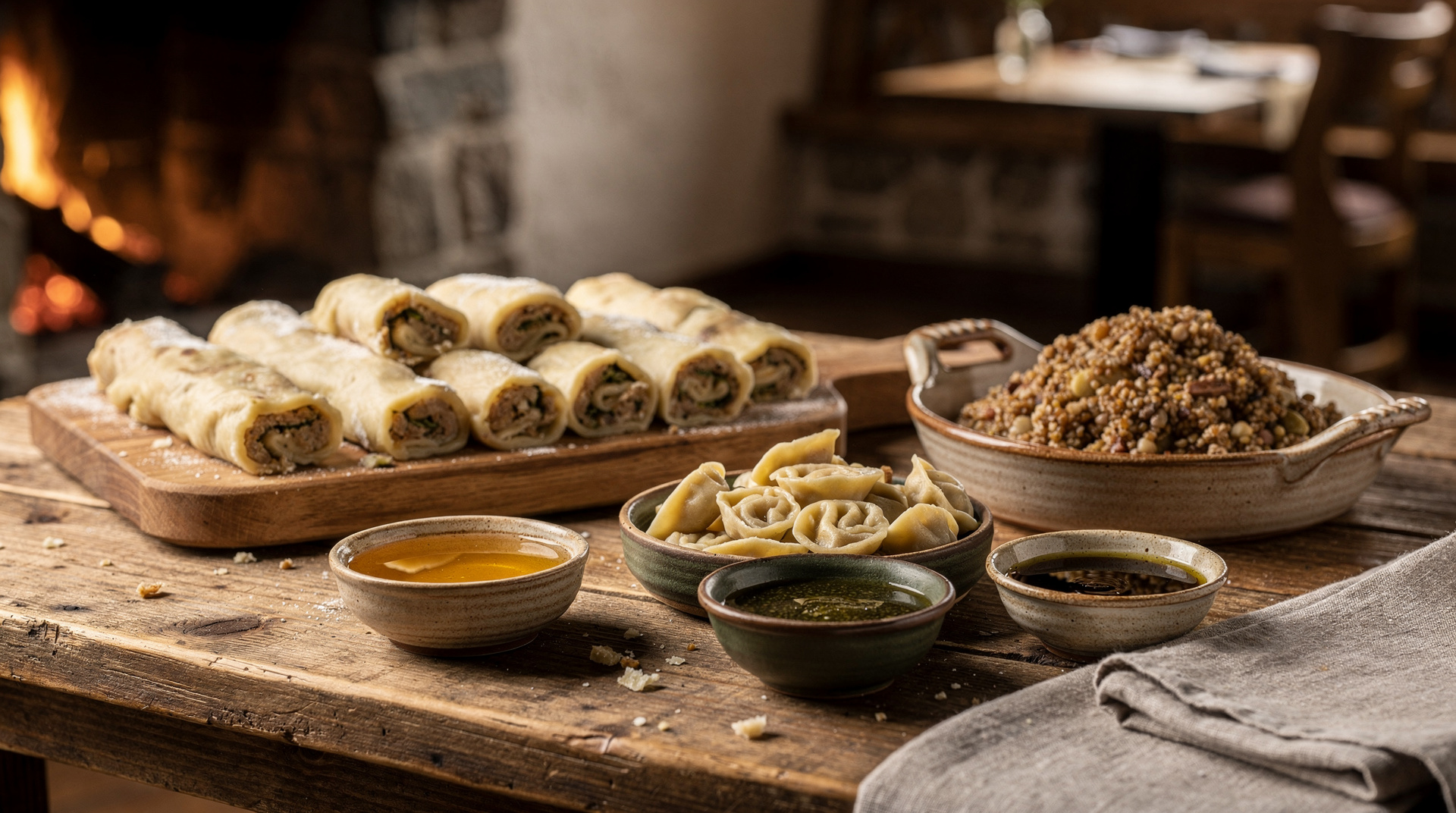
Žlikrofi: the pinched pasta from Idrija, older than Italian tortellini and protected by European food heritage designation. Eating them in Idrija, made fresh the same day, is a specific pleasure.
Štruklji: rolled dumplings that appear in sweet and savoury forms throughout the country. The walnut-filled sweet štruklji and the tarragon-filled savoury version are as different as their shared form would suggest. The Slovenian food guide documents the full range.
Potica: the walnut-filled rolled cake that appears at every Slovenian celebration. The potica you find at the Ljubljana market, made by home bakers, is entirely different from the factory-produced version sold in tourist shops. The potica guide identifies the best sources.
The honey economy
Slovenia’s honey culture is unique in Europe for its intensity and its national importance. The country has approximately 10,000 registered beekeepers for a population of 2 million. Honey varieties include acacia honey from the Pannonian plain, forest honey from the Kočevje region, linden honey from the mixed forests, and the aromatic meadow honey from alpine pastures.
The Ljubljana central market honey stalls are the best introduction: six to eight producers selling directly, different honey types available for tasting, prices at €5-8 for a 0.5 kg jar. The diversity in colour, flavour and texture between varieties made in the same country is one of the small revelations of Slovenian food culture.
Craft beer as a footnote
Slovenian craft beer has expanded rapidly since 2015. Ljubljana has 10-15 craft breweries and taprooms; the scene extends to regional producers in Maribor, Koper and the Soča Valley. The best are excellent — the hop-forward IPAs that use Styrian hops (grown in the eastern Savinja Valley, one of the world’s significant hop-growing regions) have a specific aromatic profile that reflects the terroir.
For a food-focused visitor: the craft beer scene is an addendum rather than a destination in itself, but it pairs well with the street food culture in Ljubljana and the outdoor bar scene of the Soča Valley towns. The craft beer Slovenia guide covers the regional producers.
The honest assessment of Slovenian food tourism in 2026
Slovenia’s food reputation is growing internationally faster than the country’s general tourism profile. The Hiša Franko effect — international media coverage of Ana Roš’s kitchen and the valley that produced it — has elevated awareness of Slovenian food among audiences who might not have visited otherwise.
What this means for visitors: the celebrated destinations are booking out further in advance. The discovery window for eating excellent Slovenian food before the tourists arrive is not closed but is narrowing. The gostilna culture, the market culture, and the wine country hospitality remain as accessible and as underpriced as ever. The specific star-level experiences require planning.
Come with a list, a week, and a willingness to eat slowly. Slovenia’s food story rewards the visitor who moves at the speed of the culture rather than the speed of a highlights reel.
Top experiences
Bookable activities with verified prices and instant confirmation on GetYourGuide.