25 things to know before visiting Slovenia
| Best for | First-time visitors wanting the practical gaps other guides skip |
| Read before | Booking flights and a rental car |
| Money to budget | Vignette €16-117.50, entry fees €5-50 per site |
| Time to absorb | 15 minutes, worth re-reading before you drive |
Before you land
1. You need a motorway vignette. Slovenia requires an e-vignette for all motorway driving. A weekly vignette costs around €16; annual costs €117.50. The fine for driving without one is €300-800. Buy it online before you arrive — you can buy at the border but the queues make this stressful.
2. The airport bus is cheap and excellent. Ljubljana Airport (LJU) connects to the city centre by shuttle bus in 45 minutes for about €4. Skip the taxi (€25-35) unless you have heavy luggage or arrive very late.
3. Flights to Venice or Trieste can be cheaper. Budget airlines often fly cheaper to Venice Marco Polo (90 min from Ljubljana by bus), Trieste (1h by bus) or Zagreb (2h by bus or train). Check these options before assuming LJU is the only entry point.
4. ETIAS is not yet in operation. UK, US, Australian and most non-EU passport holders currently enter visa-free for 90 days in any 180-day period (Schengen rules). The ETIAS authorisation system, once launched, will require a €20 pre-authorisation; the start date will be announced several months ahead. Check the entry requirements guide for the latest.
Money and budget
5. Slovenia uses the euro. No currency exchange needed. Prices are similar to central European norms — not cheap like the Balkans, not expensive like Switzerland. A gostilna meal costs €12-18; a city centre dinner €25-40 per person with wine.
6. Cards are accepted almost everywhere. ATMs are widely available in cities and towns. Remote mountain huts and very small village shops sometimes cash-only; carry €50-100 in small notes for contingencies.
7. Tipping is appreciated but not obligatory. Rounding up the bill (or 10% for good service) is the norm. Do not feel obligated to tip 15-20% — this is not expected.
8. The thermal spas are well worth a visit. Current day-pool rates for Terme Čatež are on the official Terme Čatež website.
Getting around
9. A car is strongly recommended for anywhere outside Ljubljana. The Julian Alps, the Soča Valley, the wine regions — all are reachable by public transport but the schedules are limited and the journey times long. Ljubljana to Bovec by public transport takes the better part of a day.
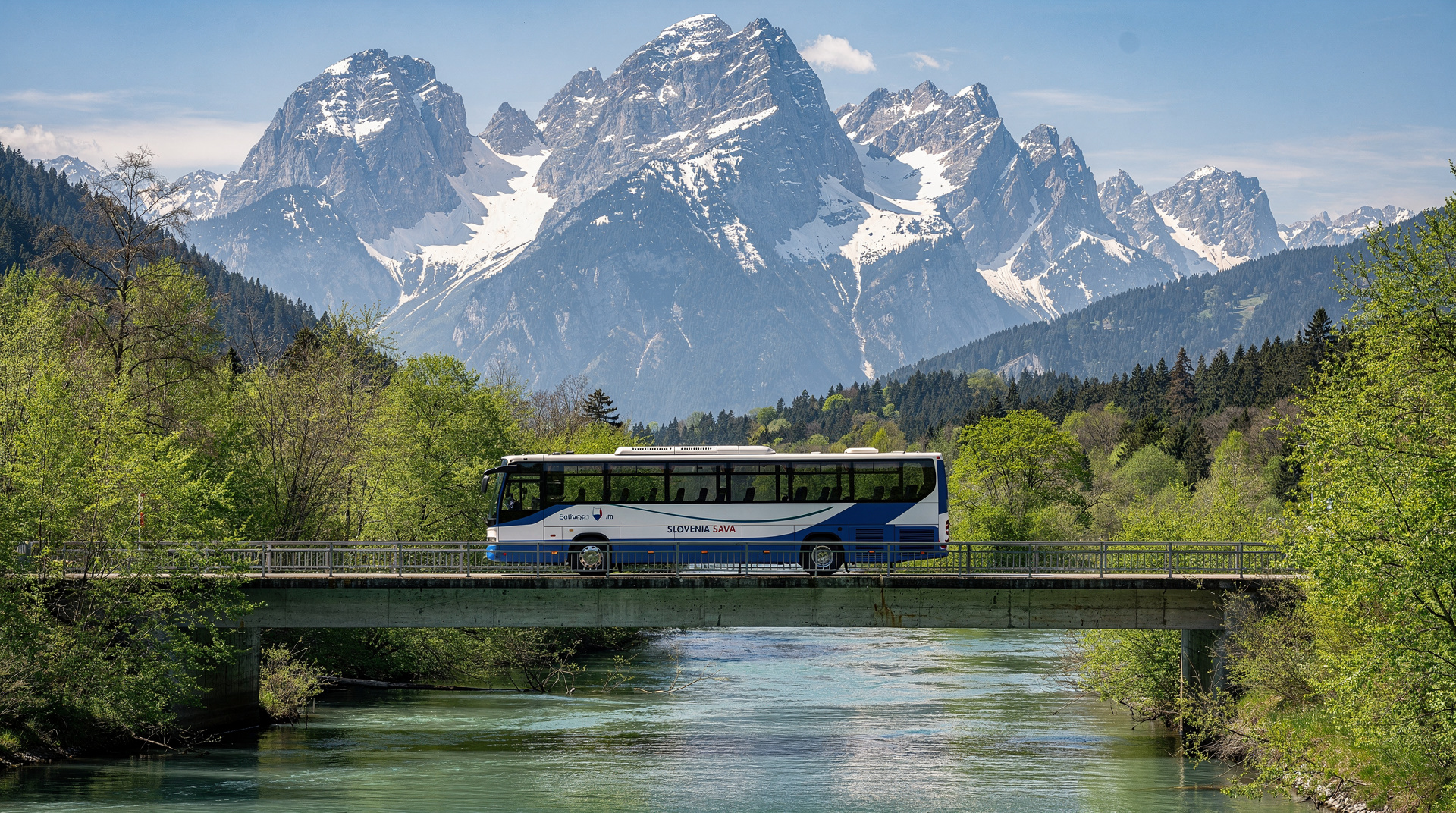
10. The Ljubljana to Bled bus is genuinely good. Lake Bled is reachable from Ljubljana by direct bus in about 1h15 for €7. You do not need a car for this particular trip.
11. Google Maps works well in Slovenia. Road quality is generally good. Mountain roads require more attention than the GPS suggests — roads marked “shortest route” through the hills can involve single-track gravel roads.
12. Petrol stations are not everywhere in the mountains. Fill up before heading into the Julian Alps or the Soča Valley. The Vršič Pass road has no petrol station.
Seasonal essentials
13. The Vršič Pass is closed from roughly November to May. The 50-hairpin mountain road connecting Kranjska Gora to the Soča Valley closes in winter due to snow. Check current road conditions before planning a crossing.
14. Vintgar Gorge is closed November to March. One of the most visited natural sites in the Julian Alps, the Vintgar Gorge closes for winter maintenance. Check the current season dates.
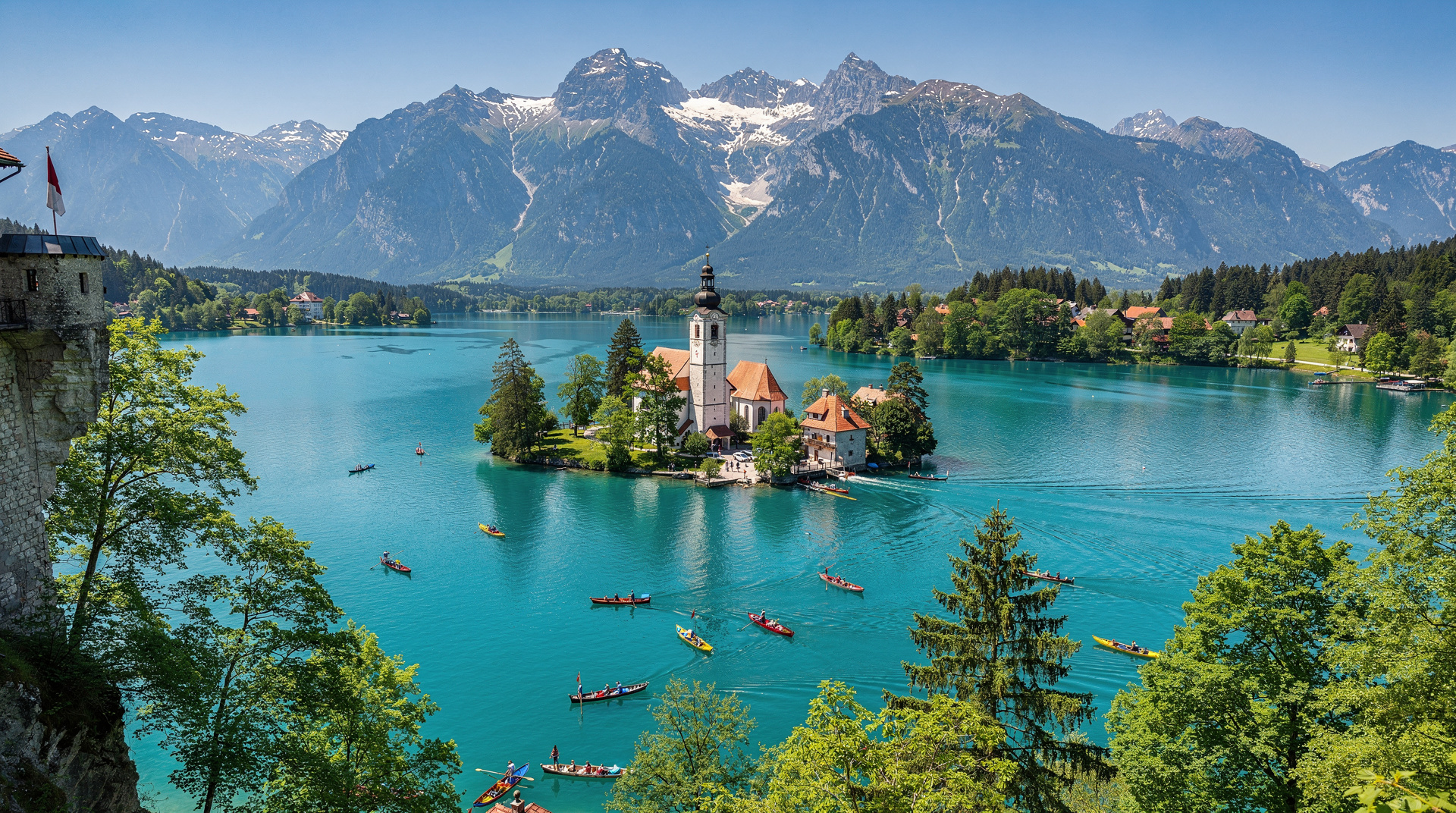
15. Bled is extremely crowded in July and August. Arrive before 8am if possible. Walk the lake circumference before the tour buses arrive. Bohinj is 30 minutes away and receives a fraction of the traffic.
16. May-June and September-October are the best months. Good weather, open mountain roads, reduced crowds. The best time to visit Slovenia guide has a month-by-month breakdown.
Culture and behaviour
17. English is widely spoken in tourist areas. Most people under 40 in cities and resort areas speak good English. In rural areas and with older residents, German is often more useful (historical influence; many Slovenes learned it as a second language).
18. Slovenian greetings matter. “Dober dan” (good day) when entering shops or restaurants is polite and appreciated. “Hvala” (thank you) is universally well-received. Attempting even basic Slovenian is noticed and welcomed.
19. The tap water is excellent. Tap water in Slovenia is clean, tasty and safe. Bring a refillable bottle and use it.
20. Slovenians are private but not unfriendly. The culture is Central European in its reserve: people do not immediately make conversation with strangers but are helpful when approached. Do not interpret quietness as unfriendliness.
Specific sites
21. Postojna Cave is worth the hype, but book in advance. Postojna Cave is extraordinary and genuinely very commercial. In peak season, tickets sell out; book online. Wear a warm layer — the cave is 10°C year-round. Our honest Postojna review gives the full picture. If you would rather not sort out transport yourself, a guided Postojna Cave day trip from Ljubljana handles the logistics.
22. Predjama Castle is better than Postojna Castle. Predjama Castle — built into a cliff face — is architecturally and scenically superior to Ljubljana Castle and costs less. It is 9 km from Postojna and almost always less crowded.
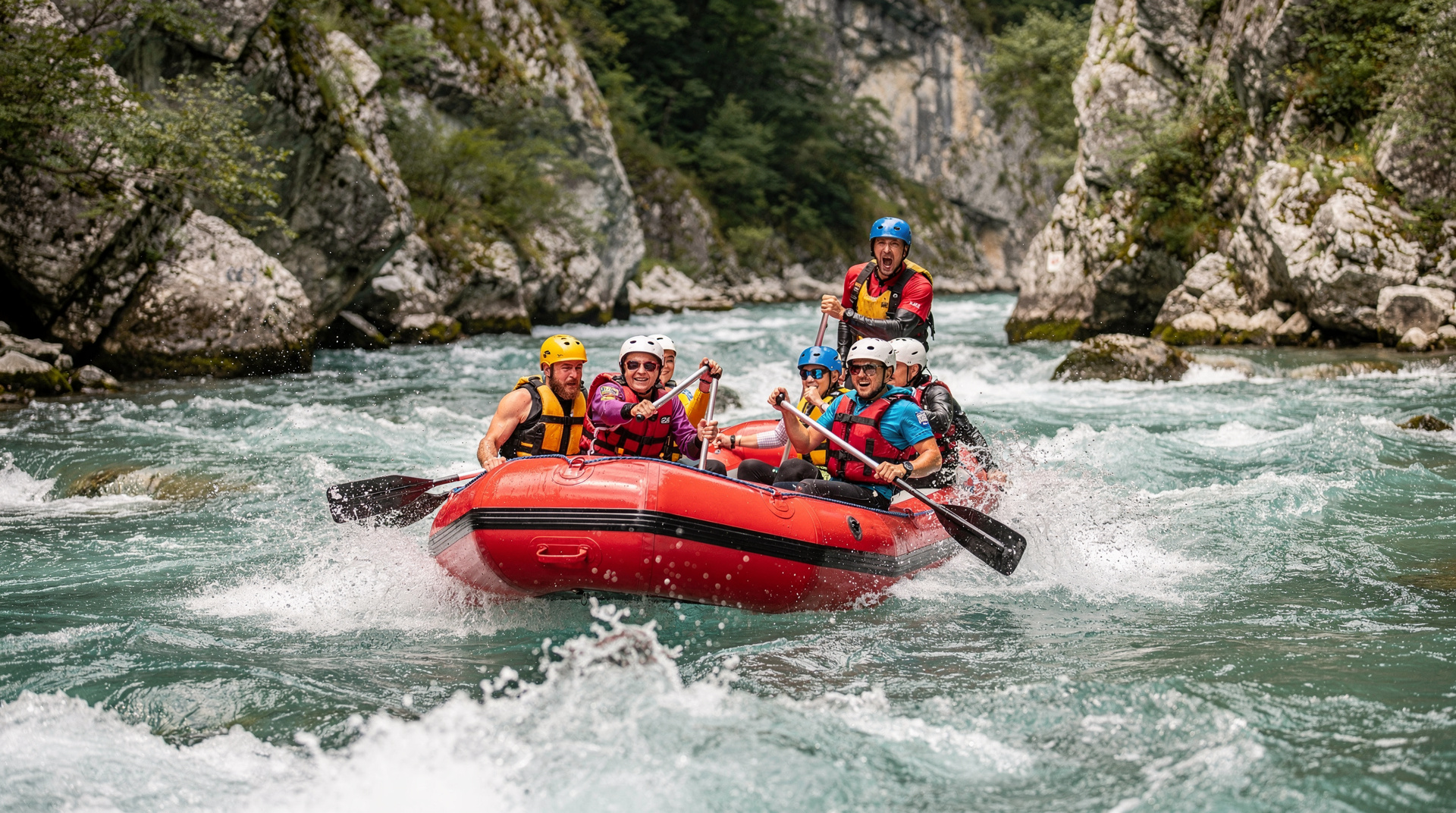
23. The Soča River is colder than it looks. The Soča is fed by glacial springs and typically runs at 10-15°C even in summer. Wetsuits are essential for rafting and kayaking; swimming is invigorating rather than relaxing. Read the Soča rafting guide before you go.
24. Pack layers even in summer. The Julian Alps create their own weather systems. A sunny morning in Bovec can become an afternoon thunderstorm. The packing guide is worth reading before you leave.
25. Buy the combined Postojna + Predjama ticket. A combined ticket for Postojna Cave and Predjama Castle costs €49.90 (promotional price, previously €58.90) and saves about €9 compared to individual tickets (€34.90 + €24). Both sites are within 15 minutes of each other.
Car versus bus: a quick comparison
| Self-drive | Bus/train only | |
|---|---|---|
| Bled, Bohinj, Ljubljana | Easy, but parking fills by 9am in summer | Direct, frequent buses — genuinely fine |
| Soča Valley, Bovec, Kranjska Gora | Strongly recommended, few and slow buses | Possible but eats most of a day |
| Postojna + Predjama combo | Flexible, 15 min between sites | Doable to Postojna; Predjama needs a taxi or tour |
| Wine country (Brda, Vipava) | Essential — wineries are not on transit routes | Not realistic without a car or a guided tour |
| Cost per week | Rental + vignette + fuel ≈ €250-350 | Bus/train tickets ≈ €60-120 |
If a car feels like too much admin for a short trip, the Postojna day trip from Ljubljana and guided combos below cover the Karst sites without the vignette, the parking hunt or the single-track mountain roads.
Postojna Cave and Predjama Castle day trip from LjubljanaTwo things nobody warns you about with timing
Museum and attraction closing times are earlier than you think. Most Slovenian museums and smaller attractions close at 5pm or 6pm, and last entry is often an hour before that. This trips up visitors used to southern European countries where evening opening is normal. Plan your day so the must-see site is not the last stop.
“Open daily” often means “open daily April-October.” A number of smaller attractions, valley roads (the Vršič Pass, Logar Valley huts) and seasonal cafés simply close outside the main season without much online notice. Always check the specific month before building a winter or shoulder-season itinerary around a single site.
Further reading
The common mistakes in Slovenia guide covers errors that even well-prepared travellers make. The Slovenia travel scams guide documents the specific tourist-targeting practices to watch for. The first-time in Slovenia guide is the comprehensive starting point for any first-time visitor.
Turning the list into a plan
Knowing the facts is half the job; the other half is fitting them to the time you have. If you are still deciding on trip length, the how many days in Slovenia guide helps you match the regions above to a realistic schedule, and the trip budget guide puts the costs mentioned here into a fuller picture. Anyone asking whether the country is worth the money can read the is Slovenia expensive guide alongside it.
For the practical side of moving around, the getting around Slovenia guide and the car rental guide explain the choices behind the car-versus-bus table. If you would rather skip driving, the five days without a car itinerary shows how far public transport can take you, while the Slovenia highlights in five days route suits a first visit with a rental.
Shorter stays work well too. The long weekend in Ljubljana itinerary and the Ljubljana and Bled in three days route both keep distances small and avoid most of the seasonal pitfalls covered in the sections above. Once you know where you are sleeping, the where to stay guide narrows the choice by region.
Food is the part of the trip that rewards a little preparation. The gostilna dining guide explains what to expect in the local restaurants recommended above, and the Slovenian food guide lists the dishes worth ordering when you get there.
Bonus: things nobody tells you
Slovenians are reserved but deeply hospitable once you break through. The initial impression can be cool — restaurant staff are professional rather than immediately warm; shopkeepers do not initiate conversation. Within 10 minutes of genuine interaction, this changes. Slovenians who adopt you as a guest are extraordinarily generous. Accept invitations to wine tastings, to dinner, to see something that is not on your map. These are the best experiences.
The quality gap between tourist restaurants and local restaurants is large. The restaurant on the Bled lakefront charging €25 for pasta and the gostilna 2 km away charging €12 for the same dish — the gostilna version is likely better. Always look for the restaurant with Slovenian license plates in the car park rather than rental cars and tour buses.
Wild swimming is a national activity. The rivers and lakes of Slovenia are genuinely swum by the local population, not as an adventure sport but as a daily summer habit. The Soča above Bovec, the Savinja below the Logar Valley, Lake Bohinj on a summer morning — these are public spaces for swimming, with local families, not adventure tourism zones. Join in. The water is cold and the experience is excellent.
The Sunday market in Ljubljana is the best version. The Saturday market is larger; the Sunday version at the central market is quieter, more local, and better for conversations with producers. If you are in Ljubljana over a weekend, the Sunday morning is the right time.
€2 coin always available. Parking in Ljubljana and in the main tourist towns is typically metered, accepting coins or cards. Keep a supply of 1 and 2 euro coins for car parks and WC facilities in older attractions.
The motorway vignette is visible to cameras. The Slovenian motorway system uses automatic camera recognition to identify vehicles without valid vignettes. You do not pass through a toll booth — you are simply detected (or not) as you drive. The fine arrives by post or is levied at the border. Buy the vignette before the motorway.
Slovenians drink coffee at the bar, not at a table, in the morning. Sitting at a table for a coffee before 10am in many traditional bars incurs a small “table charge.” Standing at the bar is faster, cheaper and more local. You will also overhear conversations.
Check the weather for the mountains specifically. The weather forecast for Ljubljana tells you nothing about conditions at 1600 m. The ARSO weather service (English language option available) provides mountain-specific forecasts including lightning risk, which matters for ridge walking. High-altitude thunderstorms in summer can arrive in under an hour from clear skies.
The things that people ask about most often
“Is Slovenia safe for solo travellers?” Yes. The country has very low rates of violent crime and tourism-targeted crime. Women travelling alone report few issues. The is Slovenia safe guide and the solo travel Slovenia guide cover this in detail.
“Do I need to speak Slovenian?” No. English is widely spoken in Ljubljana and tourist areas. German is often more useful in rural areas. Basic Slovenian phrases (“dober dan,” “hvala,” “prosim”) are appreciated but not required. Detailed in the language phrases guide.
“How do I get from Ljubljana to Bled without a car?” Bus from the main bus station in Ljubljana, around 1h15, €7. Frequent service June through September. The public transport guide has current timetables.
“Is the Soča River really that colour?” Yes. It is. The turquoise is produced by limestone minerals in suspension and is visible from road bridges without any special effort. See the emerald river guide for the geological explanation.
“Is Bled Island worth visiting?” Depends on your priorities. The crossing by pletna boat is atmospheric; the island itself is modest. The view from the south shore is better than the view from the island. Our honest assessment is in the Lake Bled complete guide.
“Which caves are better — Postojna or Škocjan?” Different experiences. Postojna is bigger, more commercial, has the miniature train, and works well for families. Škocjan is wilder, deeper, UNESCO-listed, and more rewarding for those willing to walk more. The comparison guide makes the full case.
“What is the best time to visit?” May-June or September-October for the best combination of weather, accessibility and manageable crowds. The full analysis is in the best time to visit Slovenia guide.
Top experiences
Bookable activities with verified prices and instant confirmation on GetYourGuide.