Best viewpoints in Slovenia: 12 spots worth the climb
| Number of viewpoints covered | 12, ranked by effort vs reward |
| Easiest | Nebotičnik rooftop (lift), Piran campanile (200 steps) |
| Hardest | Stol (5-6h return), Mangart (exposed terrain) |
| Best season | May-October; several close in winter |
| Cost | Mostly free; gondolas/lifts €15-25 |
Why Slovenia punches above its weight for views
Slovenia is small — roughly 250 km across at its widest point. What it lacks in area it compensates for in vertical relief: the Julian Alps in the northwest rise to 2864 metres at Triglav, and the descent from those peaks to the Adriatic coast occurs within 70 km. In practical terms, this means an extraordinary density of dramatic viewpoints accessible to non-specialist walkers.
This list covers twelve viewpoints across the country, ranked honestly by the effort required versus the reward offered. Some require serious hiking; others are roadside pulls and café terraces.
1. Ojstrica, above Lake Bled
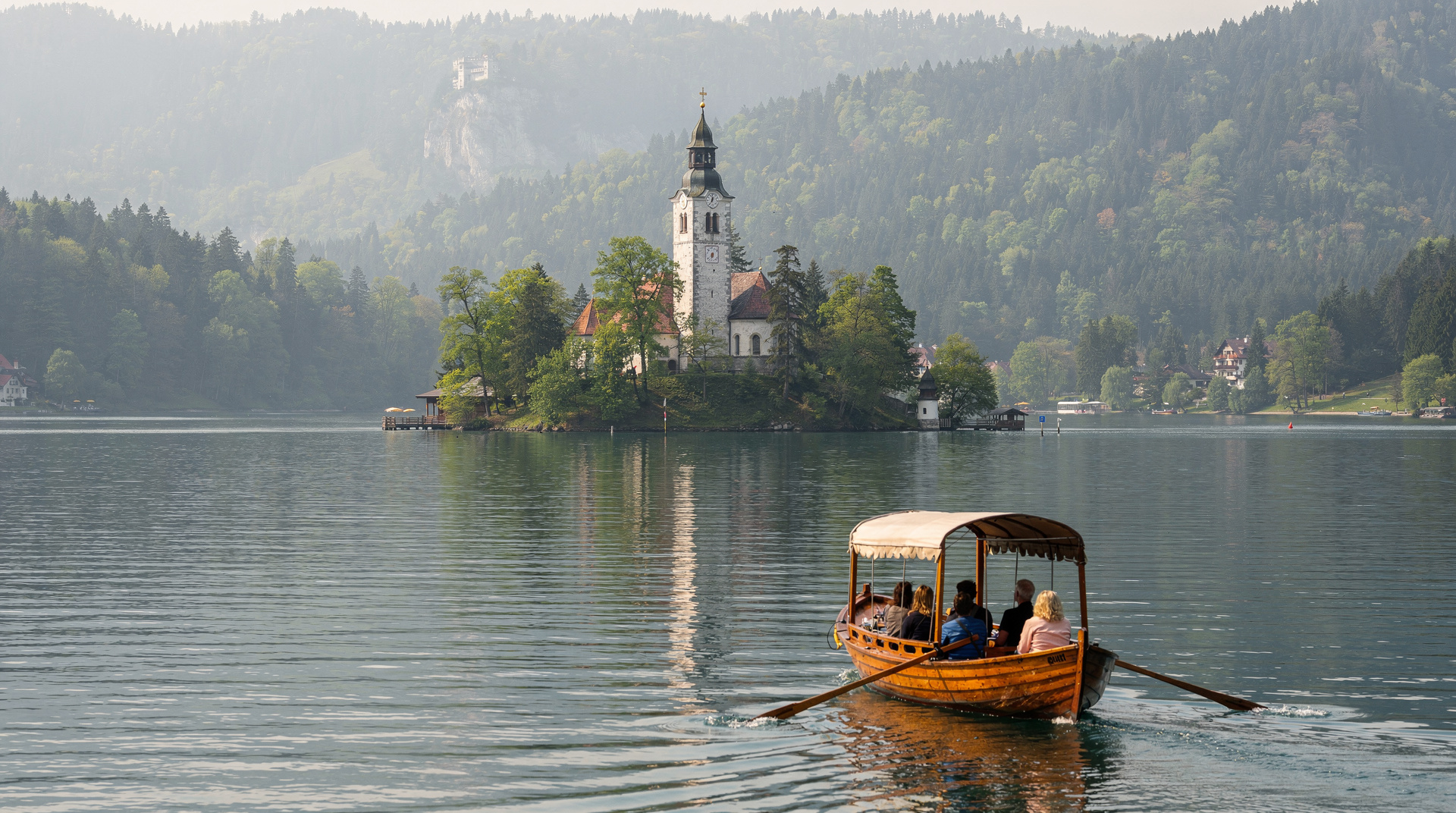
The classic. A 20-minute scramble from the south shore of Lake Bled brings you to a rocky outcrop with an unobstructed view of the island, the church, the castle, and the Julian Alps closing the horizon. This is where the postcard image is taken; it earns its reputation.
The path starts from the Mala Osojnica trailhead, about 1 km west of the main Bled car park. Allow 45 minutes return. There is a slightly higher viewpoint above called Velika Osojnica that adds 20 minutes and offers an even wider perspective. Come before 8am in summer. Our Lake Bled guide has the trailhead location in detail.
If you would rather see the same view from the water, a traditional pletna boat ride out to the island shows the church and castle from the opposite angle.
2. Vršič Pass summit viewpoint
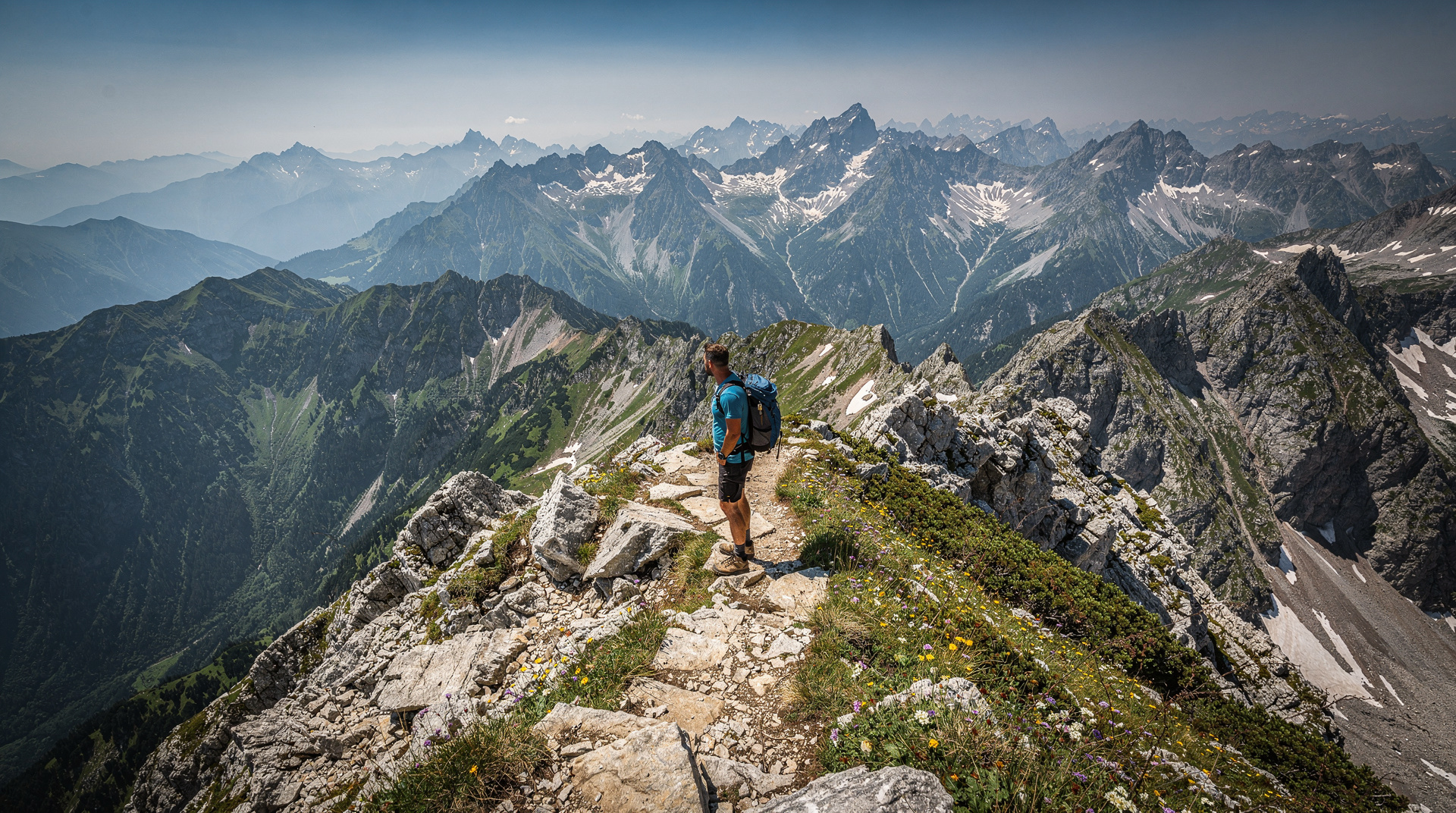
At 1611 metres, the Vršič Pass itself is a viewpoint — but the summit of Slemenova Špica above the pass at 1911 metres adds another dimension. The 2-hour return hike from the top of the pass is straightforward in good conditions and offers a 360-degree panorama of the Julian Alps, with the Triglav massif dominating the south and the Karavanke range running east-west along the Austrian border.
From the pass road, the view from the parking area at the top (hairpin 50) is also substantial and requires zero effort. The Vršič Pass driving guide covers the road and the viewpoints. Note: the pass is closed from approximately November to May.
3. Vogel mountain, above Lake Bohinj
The gondola from Lake Bohinj rises 1535 metres in 6 minutes to the Vogel ski area. From the top station, the view covers the entirety of Lake Bohinj below, the surrounding Triglav National Park, and — on clear days — the Alps running into Italy and Austria. In winter, the lake sometimes freezes and the gondola rises through fog to emerge into sunshine above the cloud layer; the effect is theatrical.
The gondola runs year-round, with breaks for maintenance. A return ticket costs around €25. Our Lake Bohinj guide has the gondola access details.
4. Velika Planina shepherd’s plateau
Velika Planina sits at 1666 metres above Kamnik, reached by a combination of cable car and chairlift from the valley below. The plateau is occupied in summer by herders who live in wooden huts decorated with traditional painted designs — a living continuity with a pastoral practice centuries old.
The view from the plateau encompasses the Kamnik-Savinja Alps on one side and the Ljubljana Basin and beyond on the other. In spring, when the snow has just melted and the alpine flowers are emerging, the combination of the plateau landscape and the mountain backdrop is extraordinary.
The Velika Planina guide covers access. Weekends in summer are busy; weekday mornings are quiet.
5. Mangart Saddle
At 2055 metres, Mangart Saddle is reached by the highest road in Slovenia — a narrow, vertiginous single-track that climbs from Bovec through the limestone cliffs of the Mangrt massif. From the saddle, a 1-hour walk reaches the summit of Mangart (2679 m), the third highest peak in Slovenia.
The saddle itself — accessible by car — offers a panorama of the Soča Valley below and the Italian Alps beyond. The road is open from approximately June to October; a small fee applies. Not suitable for large vehicles.
6. Pokljuka Plateau, Triglav National Park
The Pokljuka Plateau at 1300 metres sits inside Triglav National Park and offers a different kind of view: not the dramatic peak panorama but the quiet forest-and-clearing landscape of the high Alpine plateau. The plateau hosts the national biathlon centre and offers excellent cross-country skiing in winter and forest walking in summer.
From the viewpoints at the plateau edge, the descent of the Sava valley toward Lake Bled and the Julian Alps south of the plateau is visible. This is a gentler, less-visited perspective.
7. Snežnik Castle viewpoint
The road to Snežnik Castle in the Notranjska region crosses forested karst plateau before arriving at a castle perched above the forest. From the castle walls, the view extends south toward Croatia and north toward the Ljubljana Basin. This is one of the least-visited viewpoints on this list and one of the most peaceful.
8. Logar Valley head
Logar Valley is a glacially carved hanging valley in the Kamnik-Savinja Alps — a dead-end road that climbs toward a cirque of peaks with the Rinka Waterfall at its head. The walk from the end of the road to the base of the waterfall takes 45 minutes. From the waterfall base, the enclosed Alpine amphitheatre of peaks that surrounds the valley head is one of the finest glacial landscapes in the country.
Our Logar Valley guide covers access, entry fees (the valley road charges a small fee in summer) and the best walking routes.
9. Škofja Loka hilltop castle
Škofja Loka is a medieval town 26 km northwest of Ljubljana that most visitors skip on the way to Bled. The castle above the old town offers a view of the town’s rooftops, the Selška Sora river, and the hills extending toward the Škofja Loka hills beyond. The medieval town below is among the best-preserved in Slovenia.
Our Škofja Loka guide covers the town and the castle viewpoint.
10. Nebotičnik skyscraper, Ljubljana
The Nebotičnik in Ljubljana is a 13-floor 1933 art deco skyscraper that was the tallest building in the former Yugoslavia when completed. The rooftop bar and observation deck offer a 360-degree view of Ljubljana, the castle hill, and the Alps beyond the city. Entry to the observation level costs a few euros.
This is the honest answer to Ljubljana Castle: the rooftop café is better, the view is comparable, and it costs less. Our Ljubljana guide mentions this.
11. Stol mountain, above Kranjska Gora
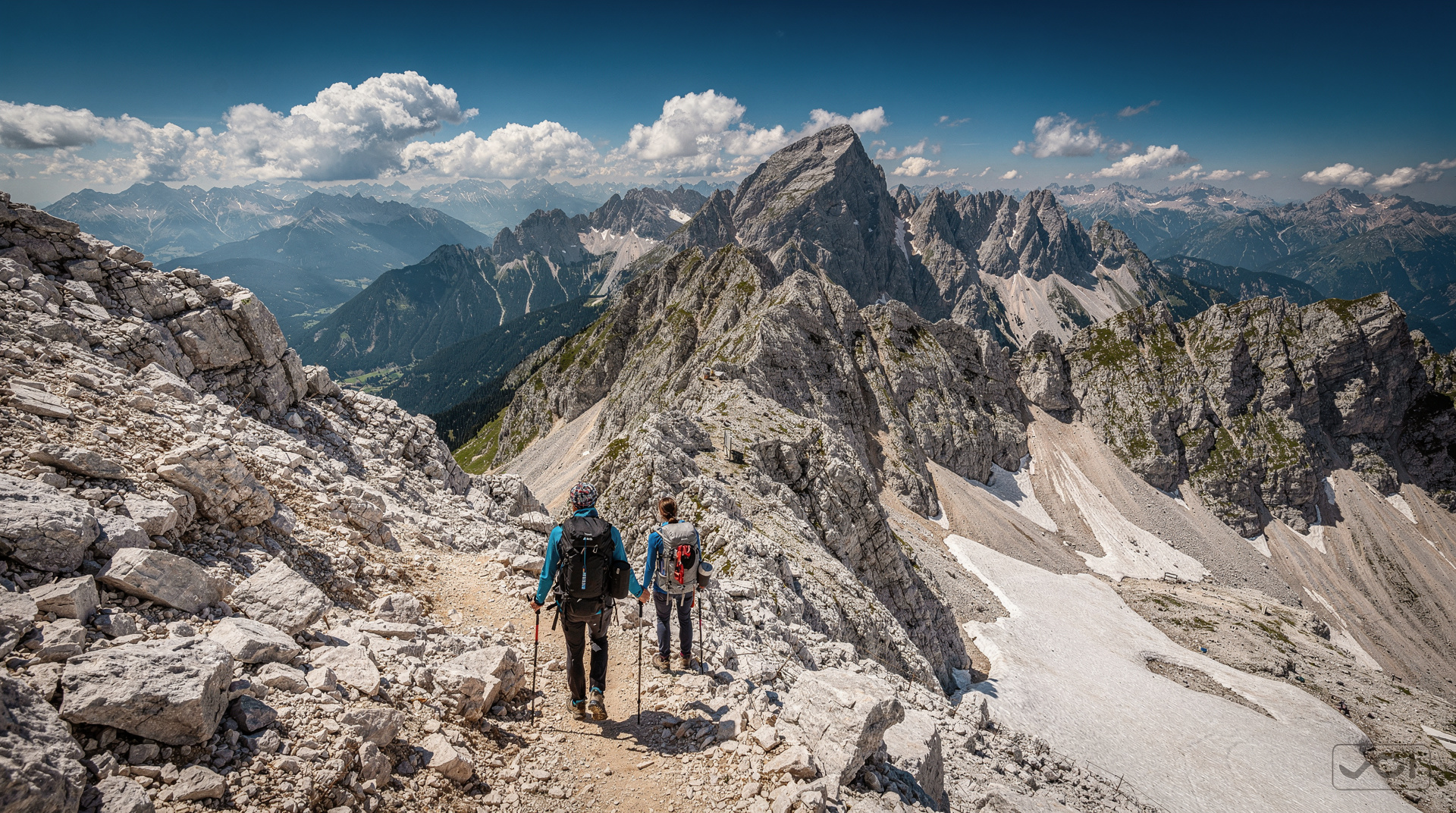
Above Kranjska Gora, the hiking trail to Stol mountain (2236 m) is a serious undertaking — 5-6 hours return — but the summit view across the Karavanke range, the Triglav massif, and into Austria and Italy simultaneously is among the finest in the Julian Alps.
For a shorter alternative, the cable car to Špik above Kranjska Gora gives a substantial view without the altitude. Our Kranjska Gora summer guide covers the options.
12. Piran campanile and sea walls
Piran is not a mountain destination, but the campanile of St George’s Cathedral at the top of the old town offers a view that is geographically unique: the old town’s terracotta rooftops below, the Adriatic stretching south and west, the Slovenian Istrian hinterland behind, and on clear winter days the outline of Italian and Croatian coastlines visible in both directions.
The climb is 200 steps for €1. The sea walls that run along the tip of the peninsula also offer elevated views of the harbour. Our Piran travel guide covers the town in detail.
Viewpoints ranked by effort versus reward
| Viewpoint | Effort | Reward |
|---|---|---|
| Nebotičnik, Ljubljana | Minimal (lift) | High — full city and Alps panorama |
| Ojstrica, Lake Bled | Low (20-min scramble) | Very high — the classic postcard shot |
| Vogel gondola, Bohinj | Minimal (gondola) | Very high — whole lake and Alps below |
| Vršič Pass summit viewpoint | Moderate (2h return) | High — 360° Julian Alps panorama |
| Stol, above Kranjska Gora | High (5-6h return) | High — but comparable views exist for less effort |
If the idea of driving yourself to the Vršič Pass or hiking to Ojstrica before dawn feels like more logistics than holiday, a guided day trip covering several of the Bled-area viewpoints removes the trailhead-finding and timing entirely:
Julian Alps guided hiking day trip from BledPractical notes for viewpoint hunters
The best hikes in Slovenia guide covers routes to many of these viewpoints in more depth. For photography, the best photography spots guide has timing recommendations and golden-hour notes.
Most viewpoints are accessible May through October. Several (Vršič, Mangart) have road closures from November. Check current conditions before planning high-altitude routes.
Planning around weather and crowds
A viewpoint is only as good as the sky above it. Before committing to a high-altitude outing, read the Slovenia weather month by month guide and the best time to visit Slovenia page, which explain when the mountains are most likely to be clear. Autumn is a favourite season for photographers, and the Slovenia in autumn guide and our autumn colours story show why. If you are travelling in summer, Slovenia in summer will help you decide which spots to visit early in the day.
Popular places such as Bled fill up fast. The guide to avoiding crowds at Bled and the wider overtourism and crowds guide suggest ways to enjoy the same panoramas with fewer people around you.
Getting to the viewpoints
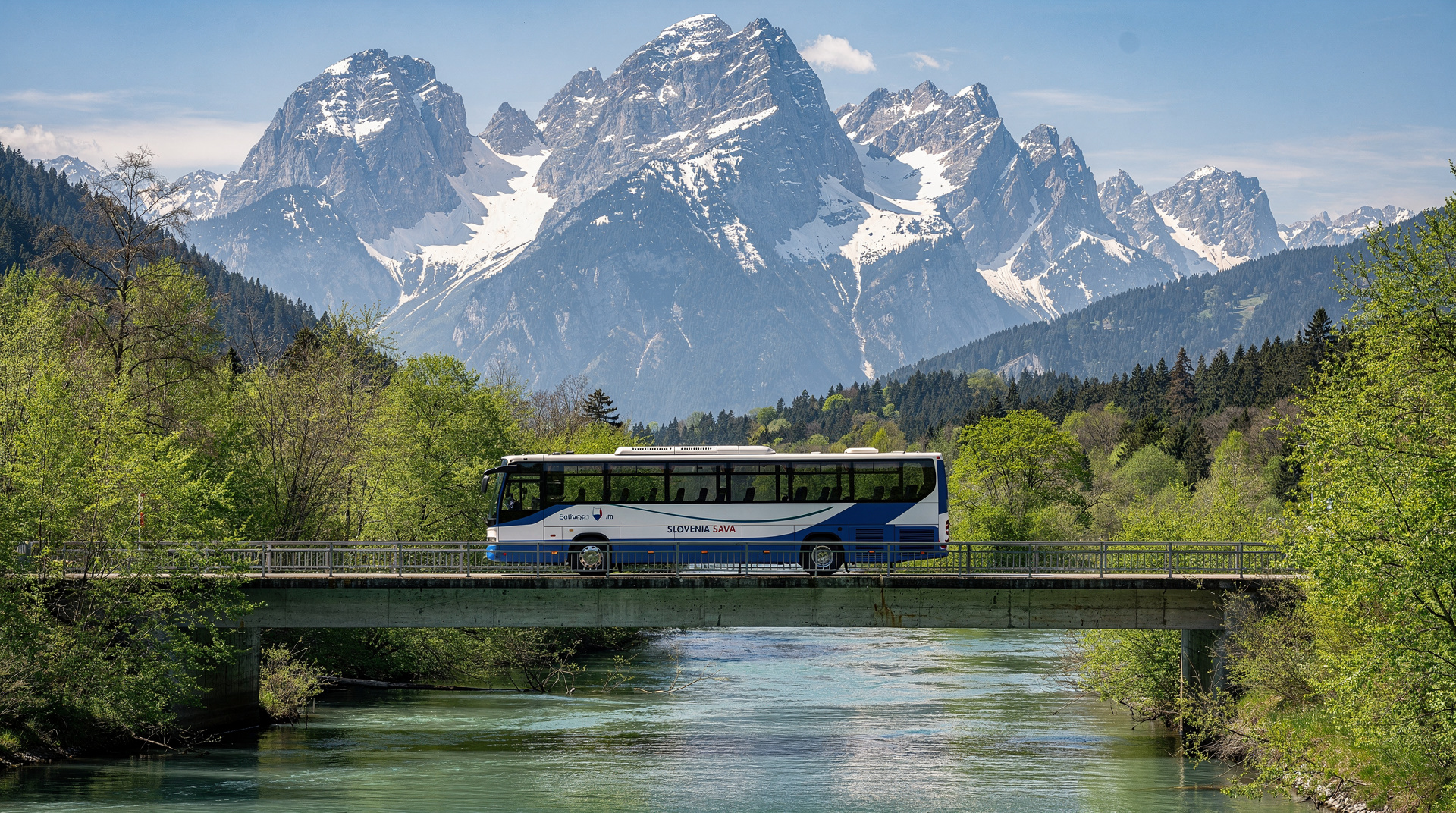
Several of the best panoramas sit at the end of mountain roads, so a car makes the day easier. The car rental guide and the vignette driving guide cover the practical side. If you would rather not drive, the guide to getting around Slovenia lists the alternatives, and the guide to Ljubljana to Bled transport is a good starting point for the lakes.
For readers who want to turn these viewpoints into a full trip, the Julian Alps in 7 days itinerary links many of the high spots on this list, while the best day hikes blog post gives more walking ideas. The Triglav National Park guide is the right place to start if the mountains are your priority.
Building a viewpoint itinerary
The most efficient viewpoint circuit by region:
Julian Alps circuit (2-3 days): Ojstrica and Mala Osojnica at Lake Bled; Vogel gondola above Bohinj; Vršič Pass summit viewpoint; Mangart Saddle. This circuit requires a car and covers four of the finest high-altitude panoramas in the country.
Ljubljana and surroundings (1 day): Nebotičnik rooftop bar; Ljubljana Castle ramparts (free); Šmarna Gora hilltop (1h walk from the base); Rožnik Hill in Tivoli Park (45 min from the city centre).
Kamnik-Savinja Alps (1 day): Velika Planina by cable car; the head of Logar Valley to Rinka Waterfall. Both accessible from Kamnik; allow a full day for both.
Coastal and Karst (1 day): Piran campanile; the Slovenian Istria hilltop villages above Koper; the Slavnik mountain above the Karst (1028 m, accessible by car to within 45 minutes of the summit).
Wine country (half day): the ridge road between Smartno and Dobrovo in Goriška Brda combines views of vineyards, the Alps, and the Italian wine country simultaneously. Best at golden hour.
The vertical dimension of Slovenia
One of the aspects of Slovenia that repeated visitors remark on is how profoundly the view changes with altitude. The country looks completely different from the valley floor, from 800 m, from 1400 m, and from above 2000 m. The Julian Alps, which look like a backdrop from Ljubljana, become the entire horizon at Mangart. The coastal hills, which seem modest from Piran, frame a view from their summits that encompasses the entire Adriatic arc from Italy to Croatia.
This vertical range — from sea level to 2864 m (Triglav) — within a country of 20,000 km² is one of the fundamental facts of Slovenia’s geography, and it is most directly experienced by ascending the viewpoints.
Sunrise viewpoints versus sunset viewpoints
Not every viewpoint on this list rewards both ends of the day equally. Sunrise specialists: Ojstrica (the mist and still water are a morning phenomenon; by afternoon the light is flat and the water often has wind ripple), and the Vršič Pass (morning light on the eastern faces, before afternoon cloud tends to build over the ridge). Sunset specialists: the Piran campanile (the light drops behind the peninsula and the town goes gold), and the Goriška Brda ridge road (the vineyard hills backlit as the sun drops toward Italy). Either time works well: Nebotičnik, Vogel, and Velika Planina, since their views are broad panoramas rather than single-direction compositions dependent on the sun’s angle.
Knowing this in advance saves a wasted trip — driving to Ojstrica for sunset, or the Brda ridge for sunrise, produces a noticeably flatter result than the reverse.
Accessibility considerations
Most of the 12 viewpoints in this article are accessible to able-bodied walkers without specialist equipment. The exceptions: Mangart summit (exposed ridge, some hands-on terrain), Stol above Kranjska Gora (demanding 5-6 hour return hike), and Triglav itself (requires via ferrata experience).
The viewpoints accessible to all mobility levels include Vogel (gondola to 1535 m), Nebotičnik (lift inside the building), Pokljuka plateau (road access), and the Piran campanile (200 steps with handrail).
The accessible travel Slovenia guide covers the specific access details for visitors with mobility limitations.
Photography at viewpoints: the honest logistics
Every viewpoint here has a “golden hour” shot that the Instagram version shows. Achieving it requires:
- Arrival at the viewpoint before the golden hour begins (40-60 min before sunset/after sunrise depending on site)
- Clear sky (check the ARSO mountain weather forecast the day before)
- For mist/fog shots: overnight stay in the vicinity with early morning departure
The viewpoints that are most reliably available for golden hour photography without overnight stays: Ojstrica at Bled (dawn arrival from Bled village, 25 min walk), the Vršič Pass (accessible by car to within 5 min of the main viewpoints), the Piran campanile (open until sunset).
The best photography spots guide has the specific timing recommendations for each site.
Top experiences
Bookable activities with verified prices and instant confirmation on GetYourGuide.