Is Slovenia worth visiting? An honest answer
The question behind the question
When someone types “is Slovenia worth visiting” into a search engine, they are usually asking something more specific: is it worth visiting instead of somewhere else? Is it worth the effort of getting there? Is it worth a full week, or just a weekend? Will it live up to the photographs?
These are different questions and deserve different answers. This article tries to give them.
The short answer
Yes, for most travellers with an interest in natural landscapes, food and culture. No, if you primarily want beach holidays, nightlife, or the kind of well-oiled tourist infrastructure that takes away the need to think. Qualified yes for budget travellers, with caveats.
| Best for | Nature, food, wine, hiking, families with a car |
| Skip if | You want beach clubs, big nightlife, or zero-planning travel |
| Typical trip cost | Around €60-100/person/day, mid-range |
| Time needed | 4 days minimum, 7 to see the range |
| Best time | Late May-June or September-October |
For first-time visitors to Europe
Slovenia is an unusual choice for a first European trip — not bad, just unusual. The country lacks the name recognition of France, Italy or Spain, and the mainstream accommodation infrastructure (large chain hotels, well-staffed tourist information centres, English menus everywhere) is thinner outside Ljubljana and the main resort areas.
If this is your first time in Europe and you want to be well-supported by infrastructure, start with a more established destination and come to Slovenia on a return trip. If you are comfortable with some independent navigation and want to see something different, Slovenia makes an excellent entry point.
The first time in Slovenia guide covers the practical essentials.
For nature and landscape lovers
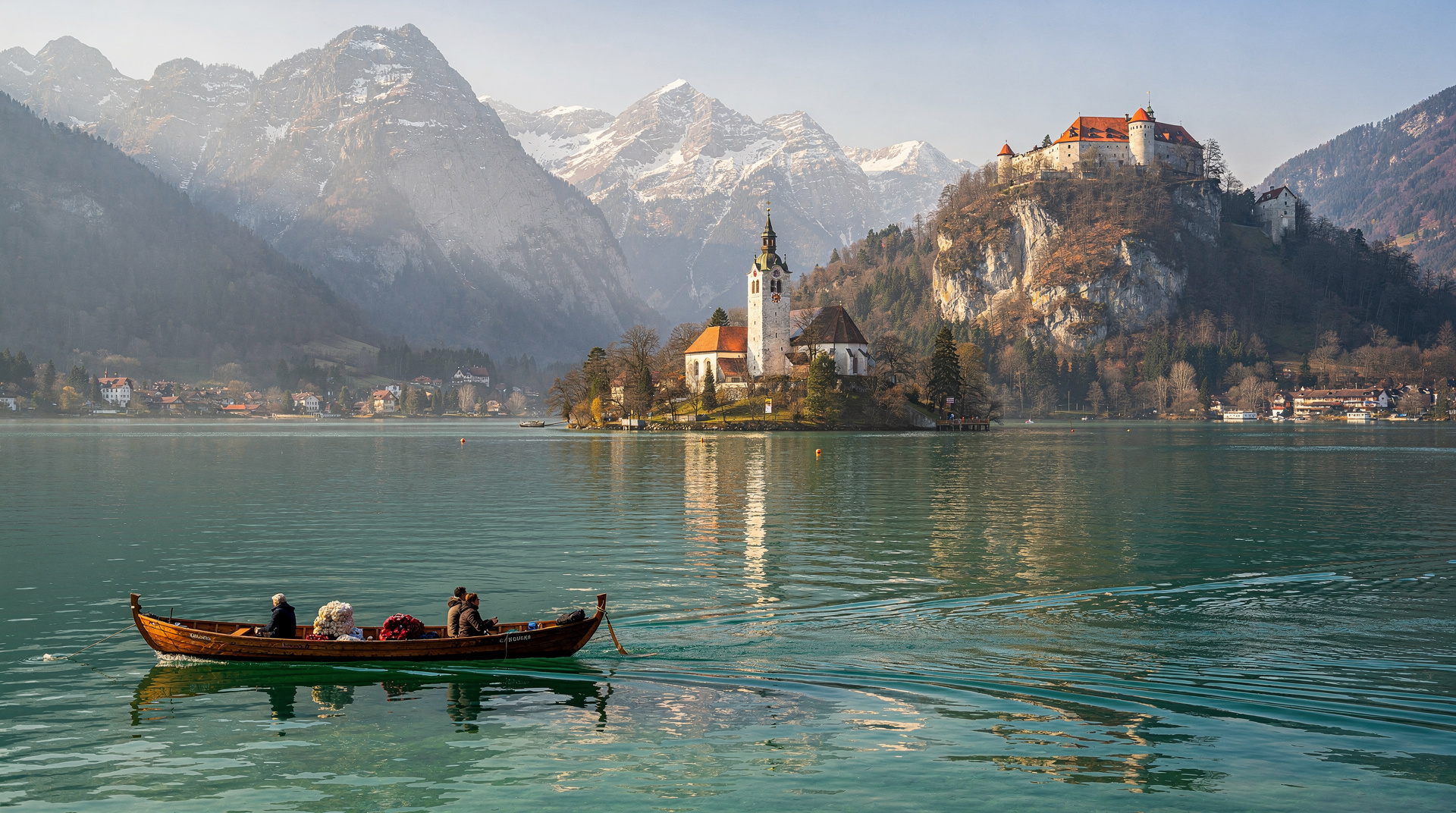
Slovenia is exceptional. The combination of Alpine peaks, turquoise rivers, limestone caves, a Mediterranean coastline and thermal plains in a country the size of Wales is genuinely unusual. The Soča Valley alone justifies the trip; Lake Bled lives up to its reputation when visited correctly (early morning, south shore walk); Triglav National Park offers serious hiking without serious queues.
If landscape and outdoor activities are your priority, Slovenia will exceed expectations.
For foodies and wine lovers
Very much worth it. Slovenian cuisine at the gostilna level — traditional cooking, seasonal ingredients, local wine — is consistently excellent and considerably cheaper than comparable meals in western Europe. The wine regions (Goriška Brda, Vipava Valley, the Karst’s Teran) produce wines that have an international reputation among specialists but remain unknown enough to be dramatically underpriced.
The Slovenian food guide and the gostilna dining guide are the starting points. If you would rather be shown the dishes than hunt for them, a guided tasting walk through Ljubljana is an easy way to sample local flavours on your first day.
For culture lovers
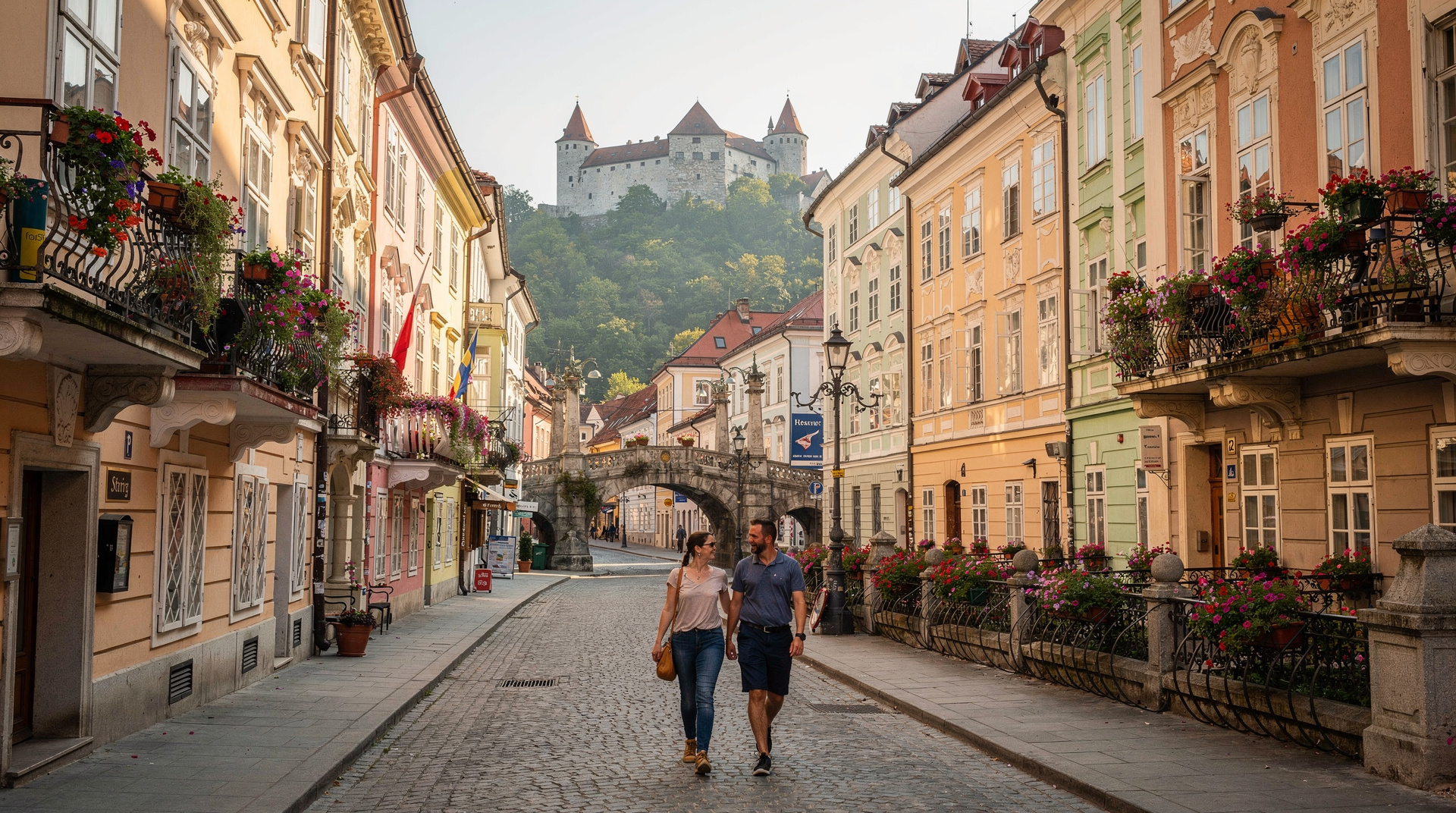
Mixed. Ljubljana has excellent museums (the National Gallery, the City Museum, the Natural History Museum) and an architectural heritage built around Plečnik’s 35-year reshaping of the city. The Kobarid Museum is one of the finest small war museums in Europe. Ptuj is the oldest town in Slovenia with a well-preserved castle and old town.
What Slovenia lacks, at the culture-lover level: the density of art museums and galleries you find in Vienna, Prague or Florence. If museum days are the core of your travel, one city in Slovenia is a solid but not overwhelming addition. Two weeks of museum-hopping would require significant creativity.
For families with children
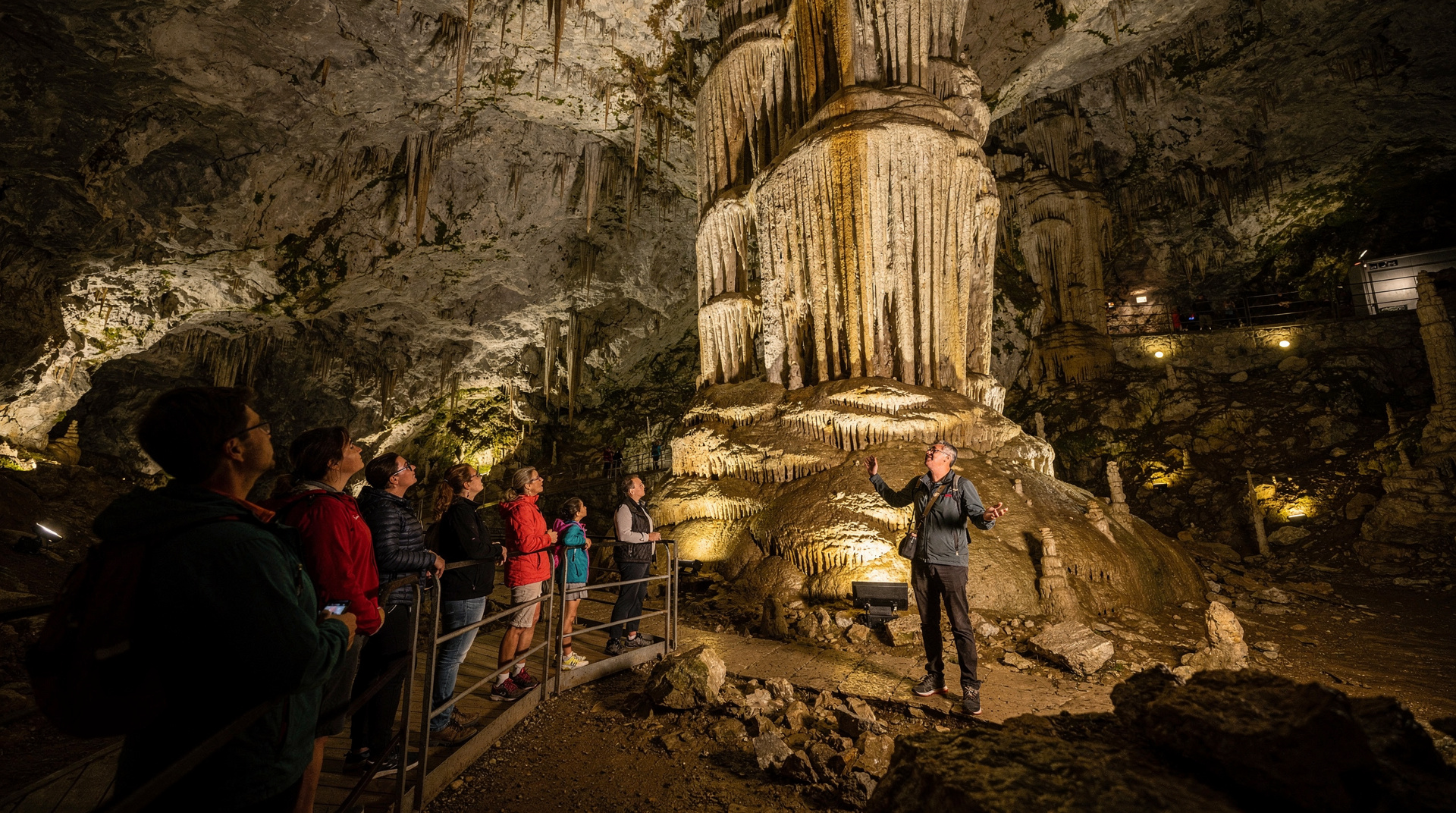
Good but requires planning. Postojna Cave is excellent for children and is designed for it. The Lipica Lipizzaner stud is genuinely interesting for children with horse interests. Lake Bled in calm weather is safe for swimming and rowing. The thermal spas are perfect for mixed-age family groups.
The challenge: the Julian Alps hiking and adventure activities have age and ability thresholds that exclude younger children. Driving the Vršič Pass with very young children requires patience for the switchbacks and the question “are we there yet?” Our Slovenia for families guide has specific recommendations by age group.
For budget travellers
Slovenia is not cheap in absolute terms. Budget accommodation (hostel dorms, rural farmhouses) runs €20-40 per person. A meal at a local gostilna costs €12-18. Transport by car (shared) is the most efficient; public transport works for the Ljubljana-Bled corridor but is limited in the mountains.
Compared to Switzerland or Austria, Slovenia is significantly cheaper. Compared to Croatia or the Western Balkans, it is more expensive. The Slovenia trip budget guide and is Slovenia expensive guide give specific price comparisons by category.
For solo travellers
Very good. Slovenia is safe, English-speaking in tourist areas, and well-suited to solo travel. The hiking is accessible to confident solo walkers. The hostels in Ljubljana and Bled have active social scenes. The cultural environment is relaxed and welcoming.
The one caution: the outdoor adventure activities (rafting, canyoning) are more expensive solo than per-person in a group, and some require minimum group sizes. See the solo travel Slovenia guide for specifics.
For adventure and outdoor sports travellers
Excellent, and increasingly the reason people choose Slovenia over the Alps proper. The Soča Valley is a genuine outdoor-sports hub: whitewater rafting and canyoning on glacial-fed water, via ferrata routes on the surrounding peaks, and paragliding launches with views that rival anywhere in the Alps. Our adventure sports in Slovenia guide and canyoning guide cover the full range, and the via ferrata guide is the starting point for anyone with some scrambling experience.
Soča Valley whitewater rafting from BovecIf hiking rather than adrenaline is the priority, Triglav National Park has trail networks for every ability level, from valley walks to the multi-day summit route. The cost of admission to this quality of outdoor terrain is considerably lower than the Austrian or Swiss Alps, and the crowds on the trails are a fraction of the size.
For wellness and spa travellers
Good and underrated. Slovenia has a genuine thermal spa tradition, not a bolted-on wellness marketing exercise: mineral-rich water sourced locally, some spas dating back over a century, and outdoor pools that work through the winter. The thermal spas guide and the best thermal spas roundup cover the main options, several of which pair well with a Ljubljana or Maribor city stay.
This is not a five-star Alpine wellness-resort experience at Alpine prices — expect functional rather than luxurious in most cases — but the value for a day or two of genuine relaxation is hard to beat elsewhere in Europe.
How it compares on the things people actually weigh up
| Factor | Slovenia | Croatia | Austria |
|---|---|---|---|
| Nature/hiking | Excellent, uncrowded | Good on the coast, less inland | Excellent, more developed |
| Beaches/nightlife | Modest, 46km coast | Excellent | None |
| Food/wine value | Very strong | Good, coastal-focused | Strong but pricier |
| Cost level | Mid | Mid-low | High |
| Crowds | Concentrated, avoidable | Heavy on the coast in summer | Moderate |
The Slovenia vs Austria guide expands the culture-and-winter-sports comparison in detail.
For visitors from neighbouring countries
If you are in Italy, Austria, Croatia or Hungary, Slovenia works as a standalone trip or as an add-on. From northern Italy, the Soča Valley is under 2h from Trieste. From Vienna, Ljubljana is 3h by direct train. From Zagreb, Ljubljana is 2h.
What Slovenia does not do well
No major beach resort scene — Portorož and the Slovenian coast are pleasant but modest compared to Croatia’s coastline; the sea is the Adriatic but the coastline is only 46 km long. No large-scale nightlife scene — Ljubljana’s bars close early by Southern European standards. No theme park or large-scale entertainment tourism infrastructure.
Where to go next once you have decided
If the answer is yes, the useful work starts with shaping the trip around the way you like to travel. A few starting points, depending on your priorities:
- Getting there and around: the getting to Slovenia guide and the getting around Slovenia guide explain the options, and the car rental guide and vignette guide matter if you plan to drive.
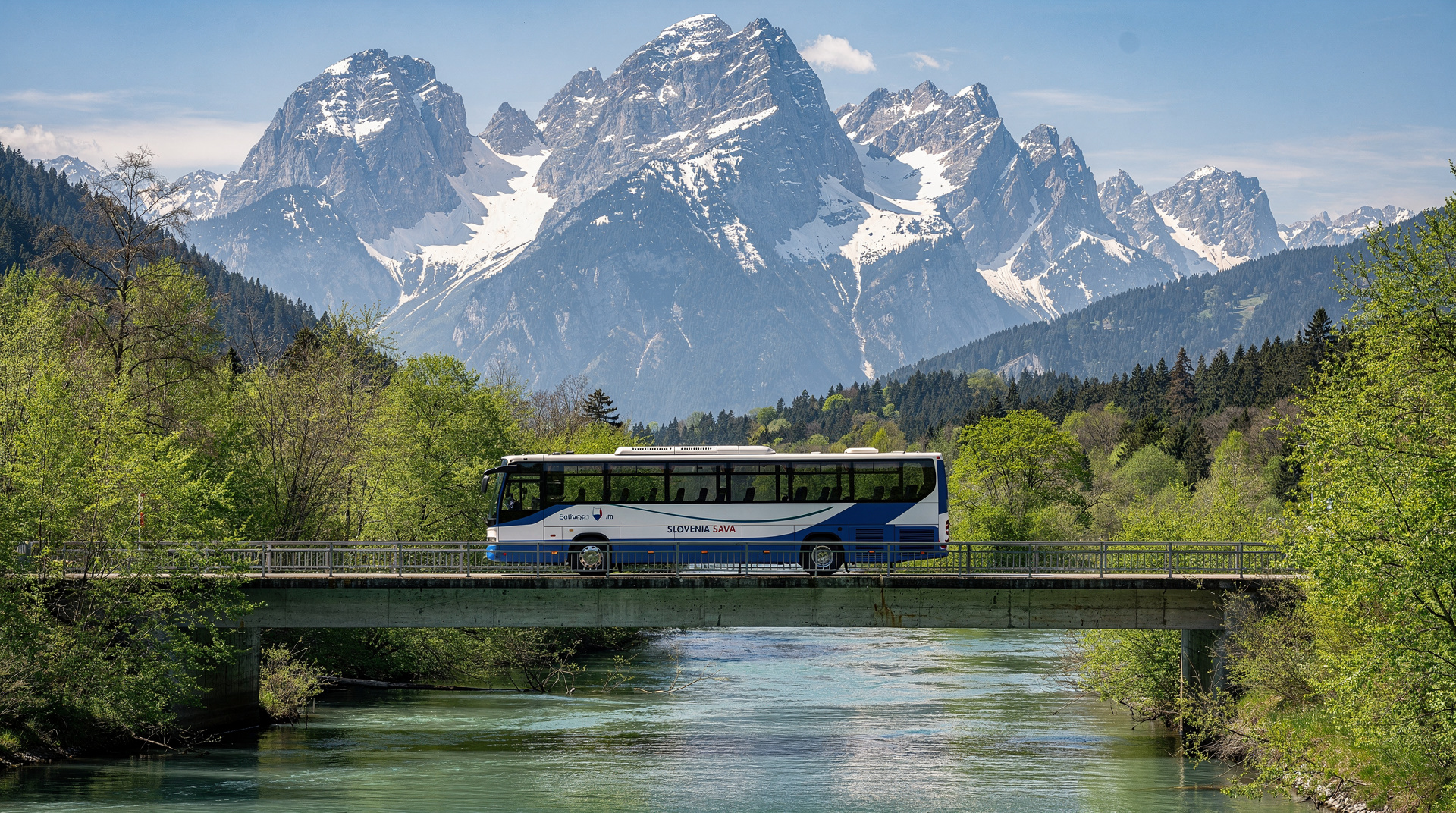
- Without a car: the Slovenia in 5 days without a car itinerary shows how far trains and buses can take you, and the trains in Slovenia guide fills in the detail.
- A first look at the highlights: the Slovenia highlights in 5 days itinerary and the Ljubljana and Bled in 3 days itinerary suit people with limited time.
- Beyond the obvious: the hidden gems in 6 days itinerary and the Slovenia travel trends piece show where the country is heading.
- Seasons: the weather month by month guide helps you decide when your priorities line up with the best conditions.
Before you commit, it is also worth reading the common mistakes guide and the overtourism and crowds guide, which are blunt about what goes wrong when people arrive unprepared. For a lighter, more personal take, the first impressions after a week diary and the honest guide to tourist traps round out the picture.
The honest comparison
The Slovenia vs Croatia guide and Slovenia vs Austria guide lay out the specific tradeoffs in detail. The short version: choose Croatia for beaches and nightlife, Austria for culture and winter sports, Slovenia for nature, food and a country that has not yet been optimised for tourism.
That last quality — the sense that the country is genuine rather than performed — is worth more than it sounds. It has a limited shelf life as Slovenia’s tourist numbers grow. The window to experience it is open now.
What visiting actually looks like for different trip lengths
Long weekend (3-4 days): Ljubljana and Lake Bled. This is the most common format and it works well — the city fills two days, Bled fills one. Add Bohinj as a half-day if you have a car. The day trips from Ljubljana guide covers Bled, the caves and the coast as standalone day trips.
One week (7 days): Ljubljana, Bled, Bohinj, Soča Valley, and either the caves and coast or the wine country. This is the minimum to get a real sense of the country’s range. The how many days in Slovenia guide has sample itineraries.
Two weeks: add eastern Slovenia, the thermal spas, the wine regions, more time in the Soča Valley. A two-week trip can cover everything significant. The Slovenia road trip diary maps a 10-day version.
The specific things Slovenia does better than its reputation suggests
Coffee: Ljubljana is within 50 km of Trieste, the city that defined the modern espresso bar. The coffee culture is serious, the quality is consistently good, and the prices are considerably lower than Vienna or Milan. This is not a minor point for travellers who value good coffee.
Hiking infrastructure: the Triglav National Park trail network is maintained by one of the best-funded Alpine associations in Central Europe. The trails are marked, the huts are staffed, and the emergency mountain rescue service (with helicopter) operates across the entire park. Hiking safety infrastructure is on a par with Austria and Switzerland.
Caves: Slovenia has the highest density of karst caves per square kilometre in the world. Postojna and Škocjan are the ones people visit; the full cave overview guide identifies a dozen more. The underground landscape of Slovenia is extraordinary by any comparison.
The river: the Soča River is not easily replicated. The turquoise colour produced by limestone mineralisation, at the scale and flow rate of the Soča, exists in very few places in the world. If you like rivers, you have never seen anything quite like this one.
The honest verdict
Worth visiting: yes, for almost every category of traveller who values nature, food, and a destination that has not yet been polished into a tourist product. The specific combination of the mountains, the river, the food culture and the compact geography is unique.
Book the popular sites in advance for July and August. Consider the best time to visit Slovenia before committing to peak summer. Read the first-time in Slovenia guide before you go.
The “worth it” question disaggregated
The question “is Slovenia worth visiting?” is too broad. The more useful questions:
Is the Soča Valley worth a five-hour drive from Vienna? Yes, unequivocally. The river is unlike anything in Austria or Germany; the Kobarid Museum and the WWI landscape add a dimension that no Alpine destination in western Europe can provide. Allow three days minimum.
Is Lake Bled worth visiting in August? Yes, but only with a plan: arrive at dawn, walk the south shore first, escape to Bohinj by midday. Without the plan, it is a queue at a beautiful location.
Is Ljubljana worth a flight from London? Yes, for two nights as a city break. The city is underpriced for what it offers, has excellent food and coffee, and the Plečnik architecture is a genuine discovery. For more than three days, supplement with Bled and the caves.
Is the Slovenian coast worth an Adriatic beach holiday? Partly. Piran is exceptional as a town; the beach experience is modest compared to Croatia. For history, food and architecture: yes. For beach swimming and nightlife: look at Croatia.
Is eastern Slovenia worth including in a broader trip? Yes, if you have 10+ days and want to see a version of the country that most foreign visitors miss entirely. Ptuj, Maribor and the thermal spas add a completely different character.
The “worth it” for different currencies
The price relativity changes with your home currency and economy. For visitors from:
UK, Germany, Netherlands, France: Slovenia is noticeably cheaper than home for food and accommodation; activities are comparable. A clearly good-value destination.
US, Australia, Canada: the Euro prices at current exchange rates make Slovenia broadly equivalent to western European pricing — not dramatically cheap but not expensive. The experience-to-cost ratio is very favourable.
Czech Republic, Poland, Hungary: Slovenia is more expensive than home, particularly accommodation. Budget planning is important but the destination remains accessible at budget travel level.
UAE, Singapore, Hong Kong: the cost is low relative to income; Slovenia is genuinely cheap in absolute terms for these visitors. The infrastructure quality justifies the trip.
What returns visitors say
Return visitors to Slovenia — and there are many, disproportionately so — consistently cite three things: the food got better, they found more of the country, and they wish they had stayed longer the first time.
The food observation reflects a real trend: Slovenian restaurants have improved significantly in the past five years, partly driven by the international attention around Hiša Franko and partly by the growing local food culture in Ljubljana and the wine regions.
The “more of the country” observation reflects the structural reality: Slovenia has more in it than any first trip can cover. The eastern regions, the wine country, the thermal spas, the Logar Valley — all are discovered on second and third visits.
The “wish I had stayed longer” observation is, perhaps, the most useful data point on whether Slovenia is worth visiting: people who go wish they had more time. That is a good sign for anyone deciding whether to book.
Top experiences
Bookable activities with verified prices and instant confirmation on GetYourGuide.