Slovenia's spring reopening: what becomes accessible in April and May
Why spring matters more in Slovenia than elsewhere
Most European destinations operate more or less year-round. Slovenia does not. Several of its most significant natural attractions close for winter and re-open in spring — meaning that the April-May transition is a specific event that determines what kind of trip you can have.
Getting the timing wrong by three weeks means you arrive to find the Vršič Pass still closed and Vintgar Gorge behind locked gates. Getting it right means arriving in Slovenia’s best season, when the mountains are spectacular with snowmelt, the rivers are running full, the wild flowers are out, and the crowds have not yet arrived.
| Vintgar Gorge | Reopens late April-early May |
| Vršič Pass | Reopens mid-April to mid-May (weather-dependent) |
| Soča rafting | Opens late April-May |
| Mountain huts | Mostly open from June |
| Lake swimming | From late May |
| Best single month | May |
What opens when
Vintgar Gorge: late April to early May
Vintgar Gorge typically reopens in late April or early May, depending on winter snow and spring maintenance completion. In 2025, the opening date was April 24. In cooler years it can slip to early May.
The reopening is worth timing for. The gorge in the first weeks after opening — before the summer school groups — is at its quietest. The snowmelt means the river runs at higher volume than summer, filling the gorge floor with fast, loud water. The wooden walkways are fresh. The crowds have not arrived.
Practical note: the exact opening date is published on the official Vintgar website and on the Bled Tourism website typically 2-3 weeks in advance. If you are planning a spring trip, check the dates rather than assuming.
Vršič Pass: mid-April to mid-May
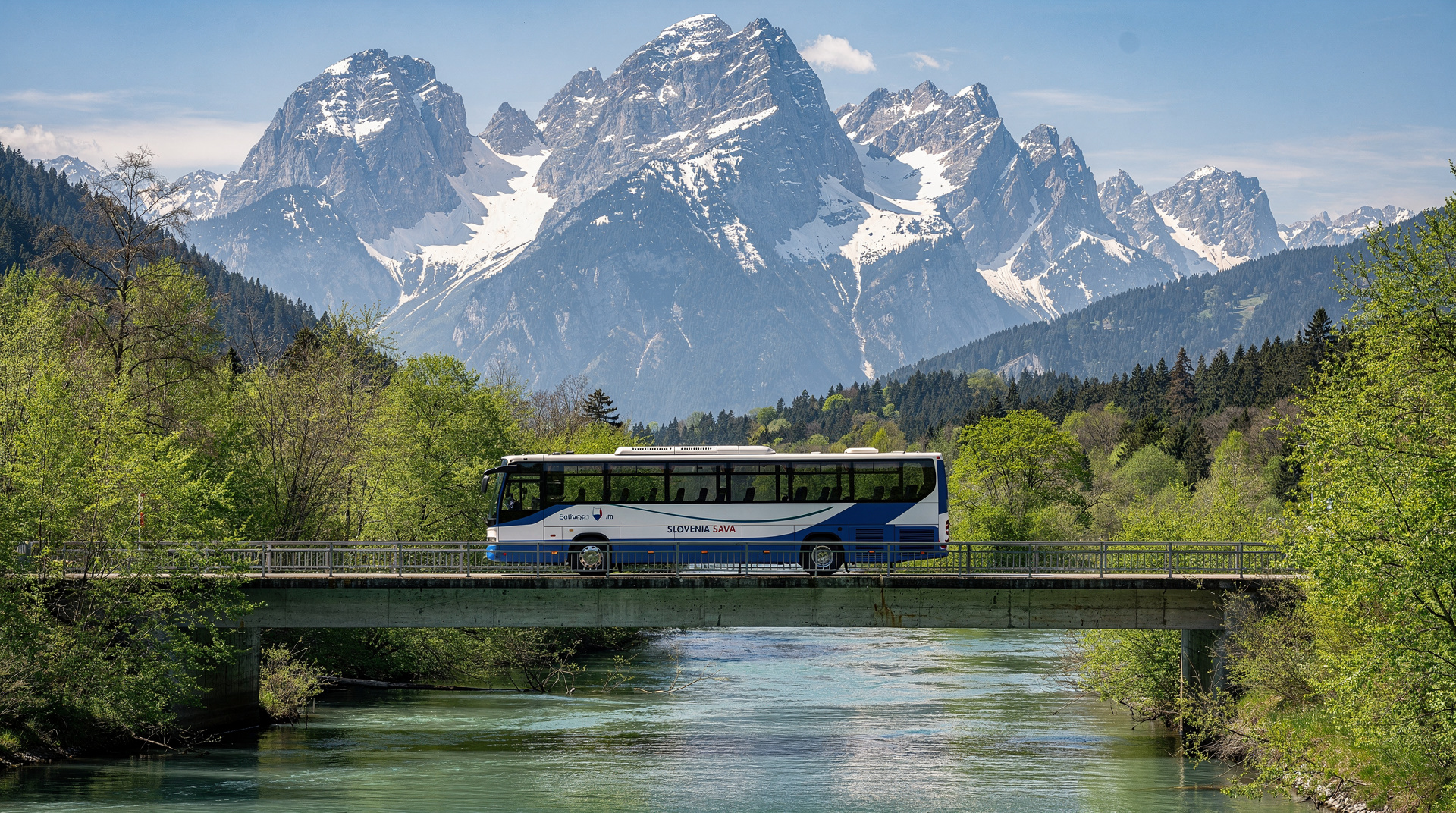
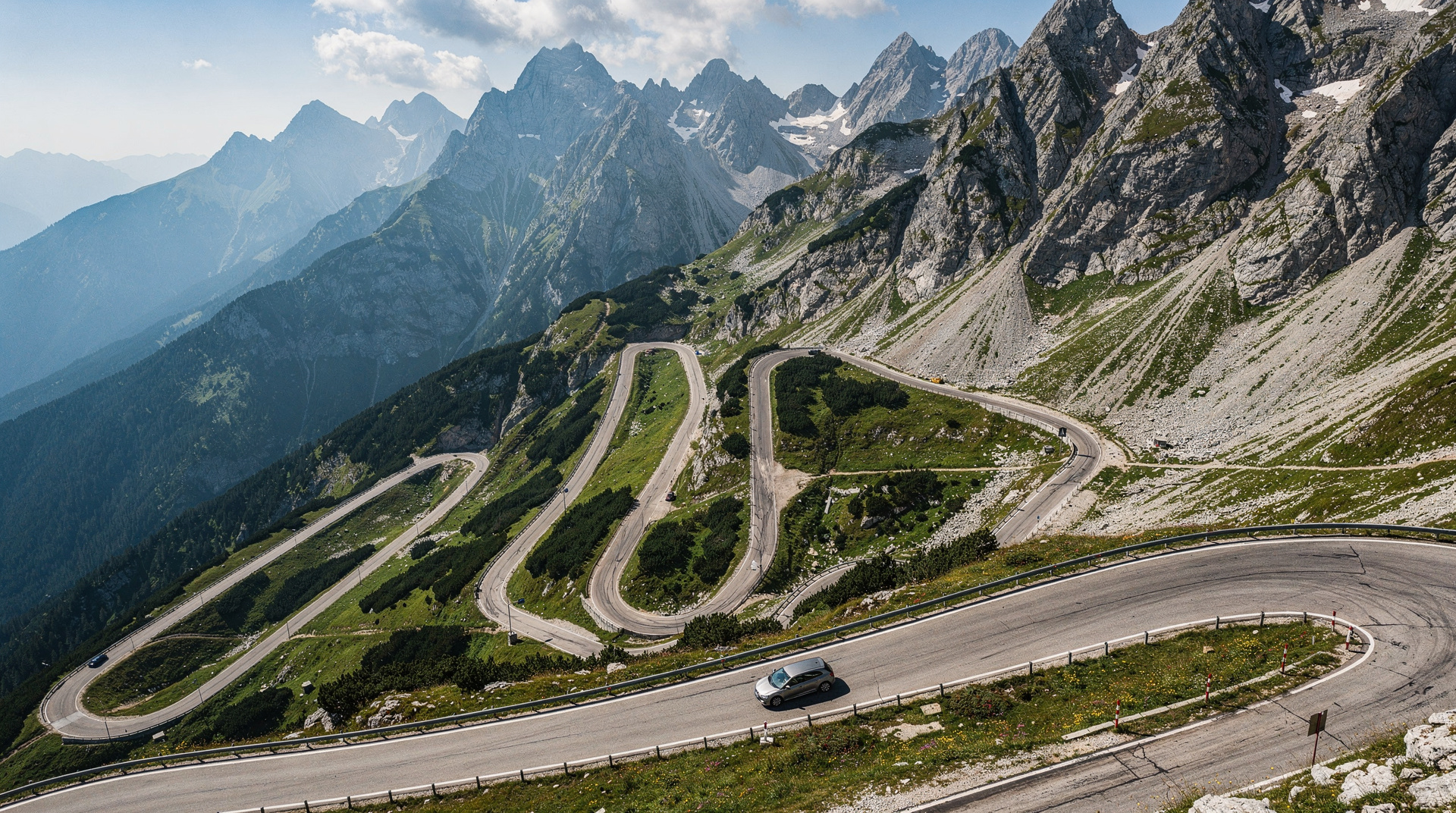
The Vršič Pass — the 50-hairpin mountain road connecting Kranjska Gora to the Soča Valley — opens when the snow on the upper hairpins clears enough for safe passage. This varies significantly by year: in a warm spring (2022) the road opened in early April; in a cold spring (2020) it remained closed until late May.
The Slovenian Road Agency publishes the road closure and opening status in real time at promet.si. If the pass is closed, the Soča Valley is accessible from the south via Tolmin — a longer route (2h30 from Ljubljana versus 1h50 via Vršič) that bypasses the spectacular mountain crossing.
The first week after the Vršič opens is one of the most scenic driving experiences in the Julian Alps: the hairpin bends are clear of snow but the upper slopes still carry white. The views from the top of the pass (1611 m) extend over snow-peaked mountains in every direction.
Soča Valley outdoor activities: May onwards
The rafting operators on the Soča typically open in late April or early May, subject to the current water conditions. The May Soča is running at snowmelt volume — faster and more powerful than the summer levels, with higher water clarity than the turbid conditions of peak snowmelt in April.
May is considered the best month for whitewater sports on the Soča by most professional operators: the water is cold (8-12°C), the volume is high, and the conditions are consistent. Wetsuits are essential; the operators provide them.
Kayaking on the Soča, canyoning in the side gorges, and paragliding above Bovec all open through April and May as conditions allow. Book at least a week in advance for June.
Mountain huts: from June
The mountain huts of Triglav National Park open in June — the network of huts that makes multi-day Alpine walking viable in the Julian Alps. Some lower-elevation huts open in May; the high-altitude huts (above 1800 m) typically remain closed until mid-June.
The Seven Lakes Valley hike involves an overnight at Koča pri Triglavskih jezerih hut (1685 m); check the current opening dates with the Alpine Association (www.pzs.si) before planning this route in May.
Coastal and lake swimming: from May onwards
Lake Bled water temperature reaches swimming threshold (16-18°C) in late May; it peaks at 22-24°C in July. The lake is swimmable from late May for acclimatised visitors; Lake Bohinj runs about 2-3°C cooler due to its depth.
The Slovenian coast sea temperature in May is around 16-18°C — the local equivalent of “bracing.” The season properly opens in June. Piran in May is excellent for walking and eating but the Adriatic requires fortitude for swimming.
What is already open in April
Ljubljana operates year-round without seasonal closure. The Postojna Cave, Predjama Castle and Škocjan Caves are open year-round with reduced winter frequency; by April they are at full operating schedule.
The Lipica Lipizzaner stud opens its morning performances in April. The Ljubljana Castle, National Gallery and most city museums operate year-round.
The Soča Trail lower sections are walkable in April, though some paths may be muddy from snowmelt runoff. The Logar Valley and Kamnik are accessible year-round.
The May advantage
May is, by multiple measures, the best month to visit Slovenia:
Weather: daytime temperatures reach 18-22°C in the valleys; 10-15°C at altitude. Rain is possible but generally short. The Julian Alps carry their last snow on the peaks above 2000 m, producing the most dramatic visual combination of blue sky, white peaks and green valleys.
The river: the Soča in May is at its most powerful and most vivid — the snowmelt has cleared and the water has its maximum mineral concentration. The colour in direct afternoon sunlight in May is the finest version of the turquoise that makes the river famous.
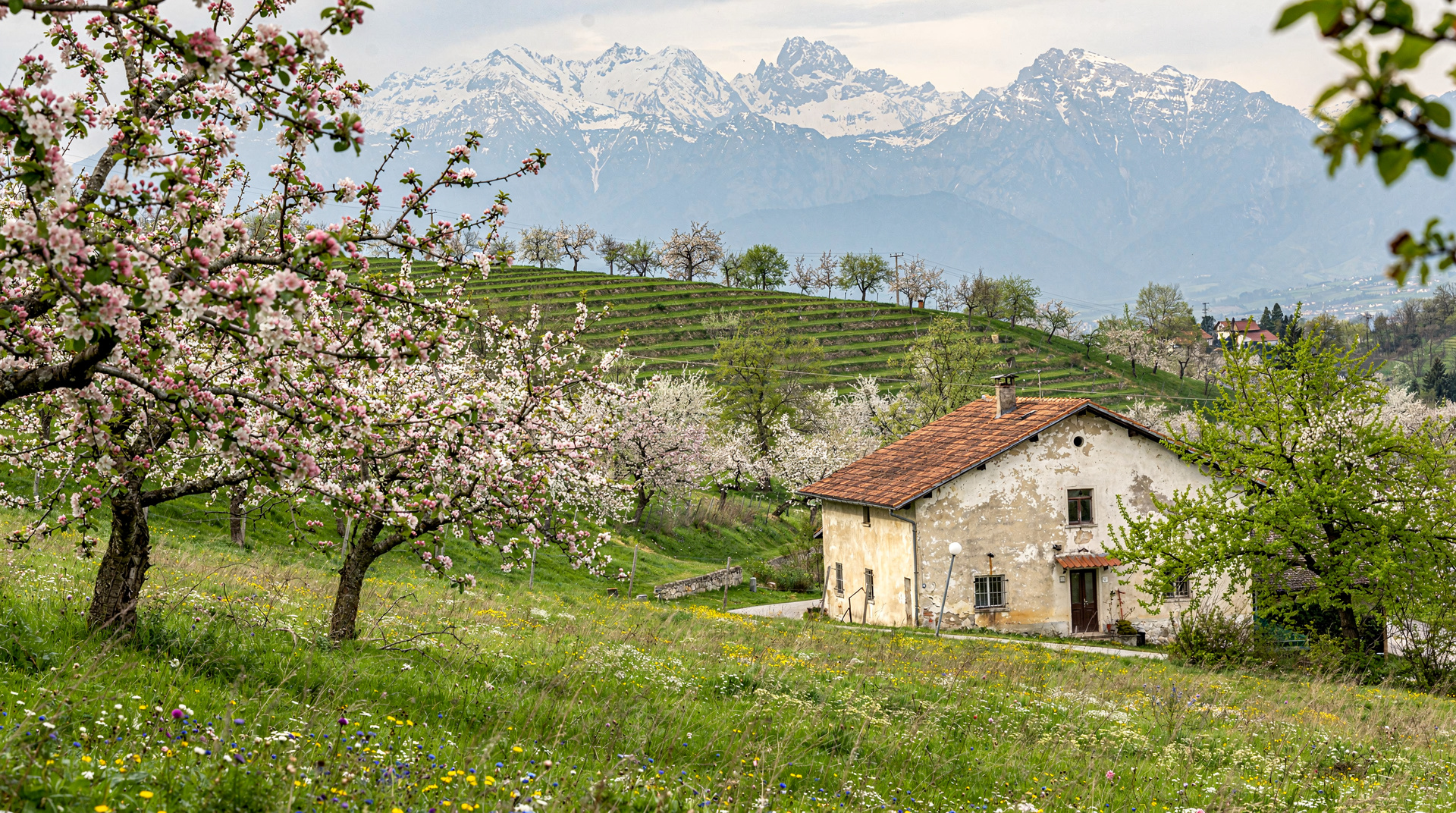
The wild flowers: alpine meadows in May carry species that peak before the late-summer grass. The meadows above Bohinj and around Velika Planina are at their most colourful.
The crowds: substantially below July-August levels. The car parks at Bled are manageable. The trails are quiet. The gostilne have seats available at normal dining times.
The price: accommodation in May runs 10-20% below peak summer rates.
For visitors with flexibility, May is the month to choose. The Slovenia in spring guide makes the full case. The best time to visit Slovenia guide provides the month-by-month comparison.
Planning around openings
The Vršič Pass closure is the main variable for spring planning. If your itinerary includes the Soča Valley and you are travelling before mid-May, have a contingency: the Soča is accessible from Ljubljana via the south (Idrija-Tolmin route) if the pass is still closed.
The current road conditions in Slovenia are published at promet.si, updated in real time. Check it the week before travel. In five recent years, the Vršič opened: April 5 (2022), May 12 (2023), April 18 (2024), April 28 (2025), April 22 (estimated 2026 — check actual dates).
For the comprehensive spring planning resource, the Slovenia in spring guide covers accommodation availability, opening schedules and specific day-by-day recommendations. The Slovenia packing guide has the spring-specific equipment list.
The Soča Valley in May: the highest-reward timing
The Soča Valley in May is the specific version of the region that most visitors never see because most visitors plan around school holidays and summer availability. In May the valley has three qualities simultaneously: the snowmelt has cleared enough that the river runs clean rather than turbid; the volume is still high from the melting snowfields above; and the crowds are at their minimum for the year.
Bovec in May has all its outdoor sport operators open but none of the summer queuing — you can book a half-day rafting trip the night before rather than weeks in advance. The Soča Trail section from Trenta to Bovec passes through alpine meadows that are at peak wildflower state. The Vršič Pass, if it has opened, provides the dramatic entry from the north with snow still on the highest hairpins.
Soča River whitewater rafting from BovecThe May water is genuinely colder than summer (8-12°C), so confirm the operator provides a full wetsuit, boots and a splash top rather than just a life jacket.
Wild flowers and alpine meadows
May and early June are the alpine flower season in Slovenia. The meadows of Velika Planina — the shepherd’s plateau above Kamnik — carry narcissus, gentian, primrose and pasque flower in a sequence that runs through the first six weeks after the snow melts. The plateau, which looks bare and agricultural in July, is carpeted in a way that requires direct experience to fully believe.
The Bohinj valley floor in May carries meadow flowers in the sections that are not mown for hay. The combination of the flowers at the valley level and the snow on the peaks above is the Julian Alps at their most theatrical.
The Triglav National Park guide covers the flower-specific walking routes.
What spring sounds like in Slovenia
One of the undersung aspects of spring in the Julian Alps: the soundscape. In winter, the mountains are quiet in a way that is close to silence. As spring progresses, the rivers wake up — the streams that were frozen or thin become torrents, and the constant sound of moving water fills the valleys from April onward.
The dawn chorus in May in the Soča Valley begins at first light with blackbirds and thrushes, adds the calls of Alpine chough and golden eagle as the sun hits the cliff faces, and by 8am includes the percussion of the river audible from whatever guestroom you are occupying. This is the spring version of the experience that summer has replaced with the sound of rafting tours and tour bus engines.
The gardening and market dimension
Spring is when the Ljubljana market reasserts itself after its winter minimalism. From mid-April, the riverside stalls expand: young vegetables, asparagus, early strawberries, the first herbs, chive blossoms. The cheese vendors bring out the fresh spring cheeses (young Tolminc, fresh pašta filata) that are not available in winter.
The asparagus season — Slovenian white asparagus from the Istrian and Pannonian growing areas — peaks in April and May. The gostilne menus across the country add asparagus preparations that disappear by June: asparagus with prosciutto, asparagus risotto, asparagus in a local green sauce. This is a specific seasonal pleasure and an under-documented one.
Spring climbing and via ferrata
The via ferrata routes in the Julian Alps open progressively from late May as the fixed ropes and anchors are inspected and refurbished after winter. The Bohinj Crests and the Soča Valley canyons are accessible from late May in most years.
Rock climbing areas open earlier — the limestone crags above Osp and Mišja Peč near the coast are sheltered from the worst spring weather and are in use from March. For climbers, spring in Slovenia — particularly the coastal limestone — is a destination season in itself.
An honest summary of the spring window
The three weeks from the Vršič Pass opening (typically mid to late April) to the start of the early summer tourism (late May) represent the best-value, lowest-crowd, highest-visual-impact window of the Slovenian year.
You need to accept that not everything is open: some mountain huts, some late-season services. You gain: the meadows in full flower, the rivers at peak volume, the mountains with snow still on the high peaks, and prices that have not yet reached their summer peak.
For visitors with any flexibility in timing, this window is the recommendation. The best time to visit Slovenia guide makes the comparative case for each month of the year.
Building a spring itinerary around the openings
A practical approach for a first spring trip: anchor the trip on Ljubljana and Lake Bled, both open year-round, and treat Vintgar Gorge and the Vršič Pass as bonus stops you confirm the week before travel rather than fixed points in the plan. If the pass is still closed, route to Bovec via Tolmin instead — the detour costs about 40 minutes and the Soča Valley itself is unaffected by the closure.
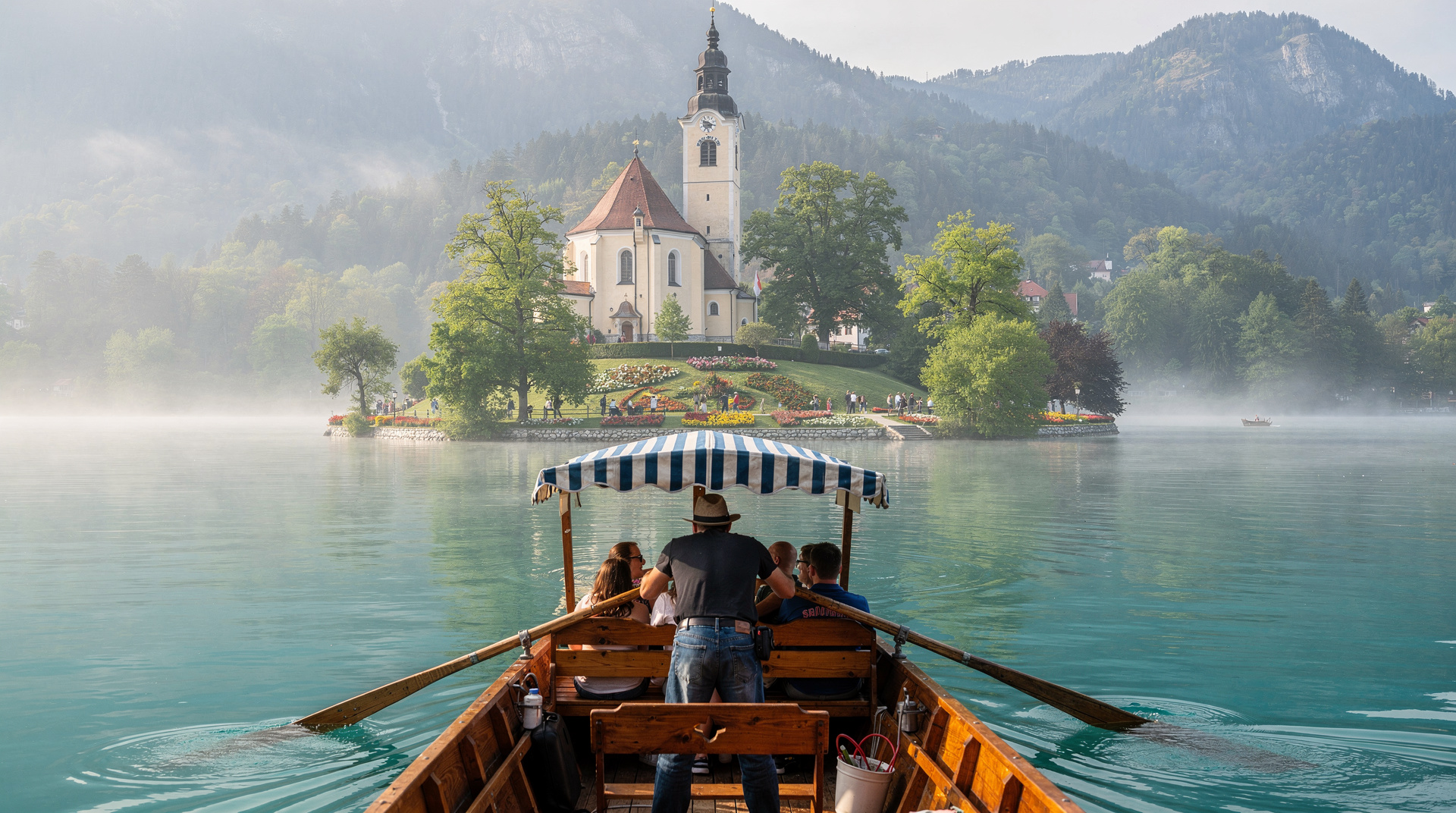
Lake Bled and Vintgar Gorge alpine day tourBuild in a buffer day near the start of the trip rather than the end. If Vintgar’s opening slips by a week in a cold spring, a buffer at the front lets you wait it out; a buffer at the end just gets cut by the flight home.
What locals do differently in this window
Slovenians themselves treat late April and May as a distinct, valued season rather than a lesser version of summer. Weekend traffic toward the mountains picks up noticeably as soon as the Vršič opens — it is treated locally as a small seasonal event, not just a road status update. Restaurants in Bled and Bohinj that run reduced winter hours extend their evening service in early May, often before the tourist volume actually justifies it, because locals are also out enjoying the season.
Photography in the spring window
For photographers, the spring reopening window has a specific value that is easy to underrate in advance: the combination of high water, clear light and snow-capped peaks does not recur later in the year. By July, the Soča’s snowmelt volume has dropped, the peaks have lost most of their snow, and the meadow flowers are past their peak. The best photography spots guide has locations that are specifically better in May than in any other month, including the classic Soča Valley viewpoints where the turquoise-to-white contrast between river and peaks is at its strongest.
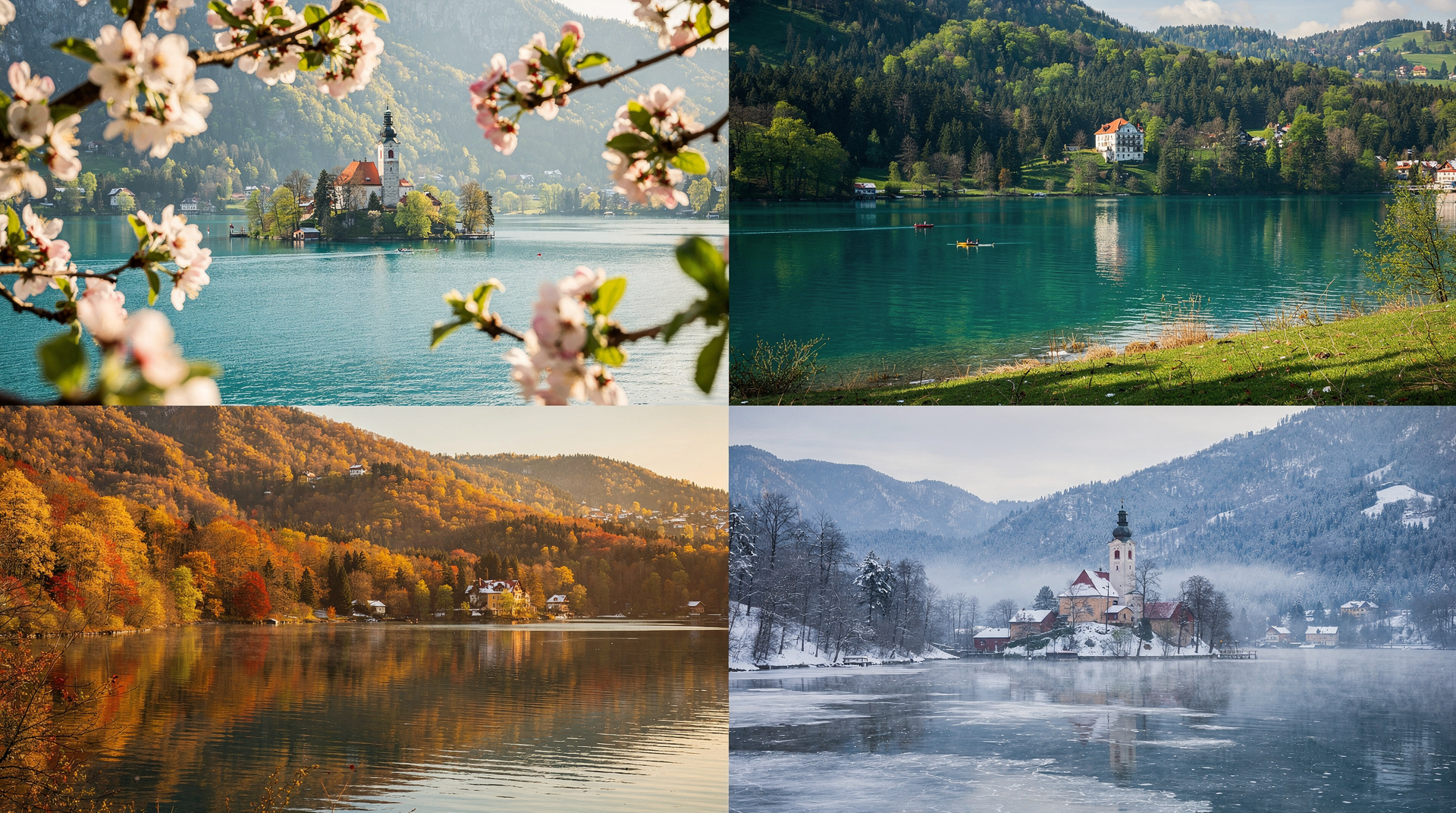
Early morning light in this window is particularly rewarding at Lake Bled, since the spring water level and clarity produce sharper reflections than the algae-affected water of late summer.
Top experiences
Bookable activities with verified prices and instant confirmation on GetYourGuide.